English
- Afrikaans
- Albanian
- Amharic
- Arabic
- Armenian
- Azerbaijani
- Basque
- Belarusian
- Bengali
- Bosnian
- Bulgarian
- Catalan
- Cebuano
- Corsican
- Croatian
- Czech
- Danish
- Dutch
- English
- Esperanto
- Estonian
- Finnish
- French
- Frisian
- Galician
- Georgian
- German
- Greek
- Gujarati
- Haitian Creole
- hausa
- hawaiian
- Hebrew
- Hindi
- Miao
- Hungarian
- Icelandic
- igbo
- Indonesian
- irish
- Italian
- Japanese
- Javanese
- Kannada
- kazakh
- Khmer
- Rwandese
- Korean
- Kurdish
- Kyrgyz
- Lao
- Latin
- Latvian
- Lithuanian
- Luxembourgish
- Macedonian
- Malgashi
- Malay
- Malayalam
- Maltese
- Maori
- Marathi
- Mongolian
- Myanmar
- Nepali
- Norwegian
- Norwegian
- Occitan
- Pashto
- Persian
- Polish
- Portuguese
- Punjabi
- Romanian
- Russian
- Samoan
- Scottish Gaelic
- Serbian
- Sesotho
- Shona
- Sindhi
- Sinhala
- Slovak
- Slovenian
- Somali
- Spanish
- Sundanese
- Swahili
- Swedish
- Tagalog
- Tajik
- Tamil
- Tatar
- Telugu
- Thai
- Turkish
- Turkmen
- Ukrainian
- Urdu
- Uighur
- Uzbek
- Vietnamese
- Welsh
- Bantu
- Yiddish
- Yoruba
- Zulu

Telephone: +86 13120555503
Email: frank@cypump.com


Apr . 01, 2024 17:55 Back to list
africa slurry pump solutions Technical Analysis and Performance Specifications
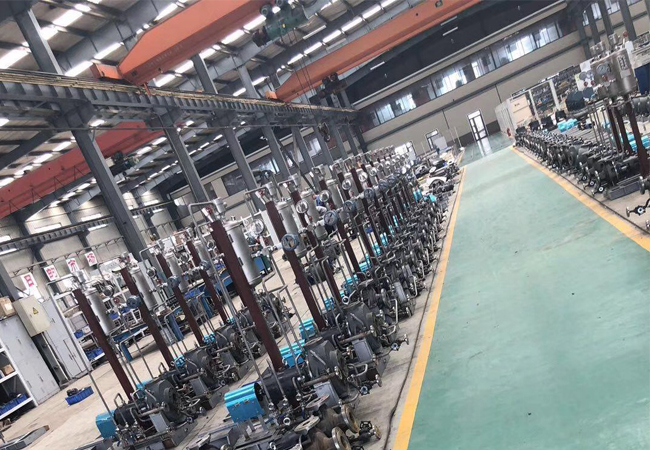
Africa Slurry Pump Solutions: Technical Analysis and Performance Specifications
In the context of Africa's expanding extractive industries—spanning gold, diamond, copper, and iron ore mining—the deployment of slurry pump solutions is a critical engineering necessity. A slurry pump is a specialized centrifugal pump designed to transport non-Newtonian fluids consisting of solid particles suspended in a liquid carrier. Within the African geographical context, these systems must address extreme environmental variables, including high ambient temperatures, erratic power grids, and highly abrasive mineral compositions. The technical position of these pumps is central to the mineral processing chain, bridging the gap between primary crushing/grinding and the leaching or flotation stages. Core performance is measured by the pump's ability to maintain a critical carrying velocity to prevent sedimentation while minimizing the erosive wear on internal wetted components, thereby ensuring operational continuity in remote mining sites.
Material Science & Manufacturing
The efficacy of africa slurry pump solutions depends fundamentally on the metallurgical composition of the wear parts. Due to the high concentration of abrasive particles (such as quartz or hematite), standard stainless steels are insufficient. The industry standard employs High-Chrome (Hi-Cr) alloys, typically ranging from 27% to 28% chromium. These alloys form a hard martensitic matrix embedded with M7C3 carbides, providing a hardness typically exceeding 60 HRC. For highly corrosive environments—such as those involving sulfuric acid in copper leaching—Duplex stainless steels or rubber-lined casings are utilized to provide a chemical barrier against oxidation and pitting.
Manufacturing processes for these pumps involve precision investment casting and centrifugal casting to ensure a uniform distribution of chromium carbides. A critical control parameter during the casting process is the cooling rate, which dictates the grain size of the martensite and the distribution of carbides; improper cooling leads to "macro-segregation," resulting in premature failure under high-stress loads. Furthermore, the impeller design utilizes Computational Fluid Dynamics (CFD) to optimize the vane geometry, reducing turbulence and preventing the localized "sand-blasting" effect that occurs at high-velocity impact zones. The manufacturing of the shaft involves forged alloy steel, heat-treated to achieve a high yield strength and fatigue resistance, ensuring the pump can handle the dynamic unbalanced loads inherent in slurry transport.
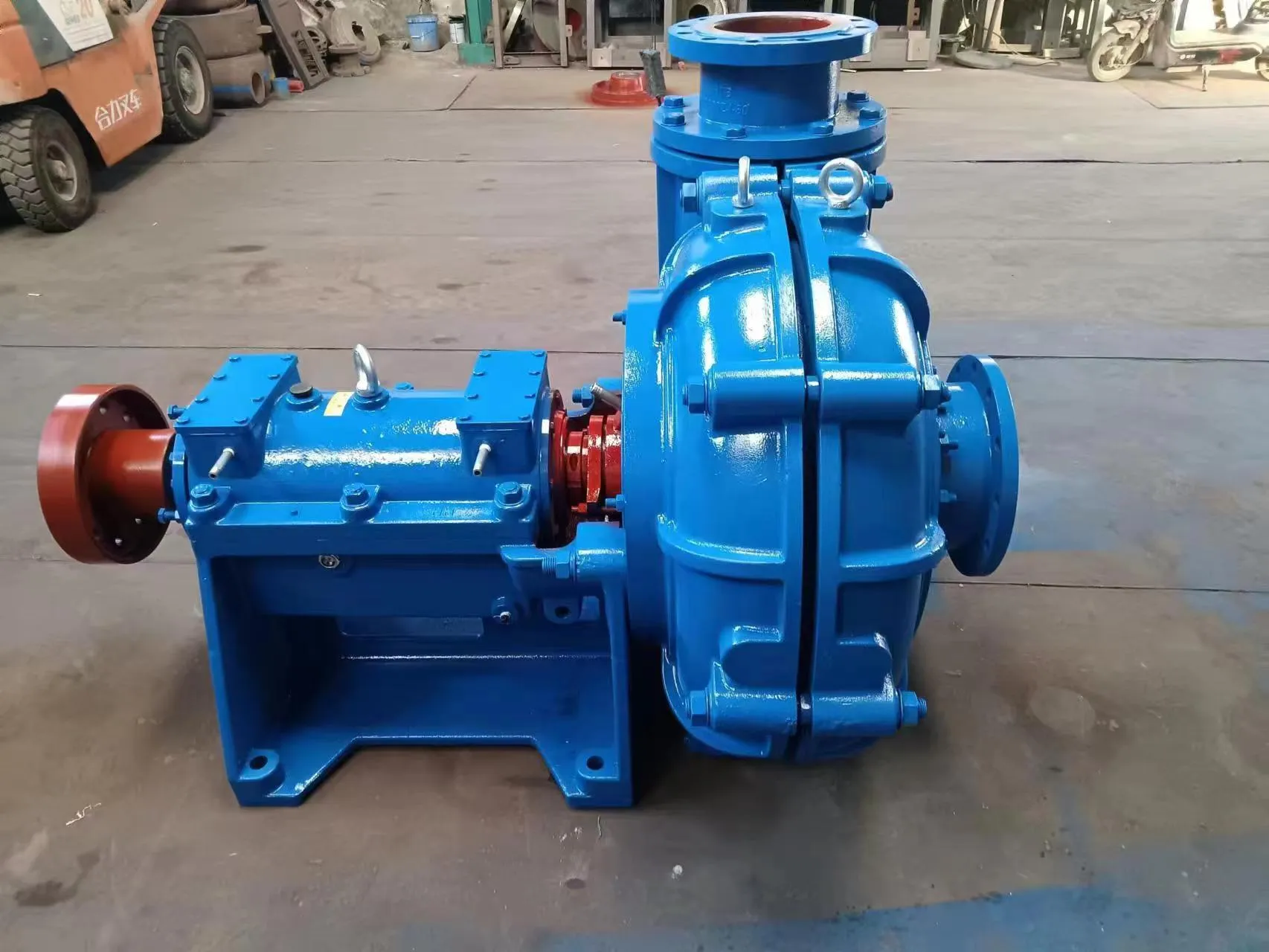
Performance & Engineering
Engineering a slurry system for the African continent requires a deep understanding of fluid dynamics and force analysis. The primary engineering challenge is the balance between "Critical Settling Velocity" (the minimum speed required to keep solids in suspension) and "Erosion Velocity" (the speed at which wear increases exponentially). Engineers must calculate the slurry's viscosity and density using the Modified Bingham Plastic model to determine the required Net Positive Suction Head (NPSH), preventing cavitation which can destroy an impeller in hours.
Environmental resistance is another critical factor. In arid regions, the cooling systems for pump bearings must be upgraded to handle ambient temperatures exceeding 45°C. Furthermore, mechanical seals are replaced with specialized expeller seals or gland packing with high-pressure flush water systems to prevent abrasive particles from infiltrating the bearing housing. Compliance requirements often dictate adherence to ISO 5199 for centrifugal pumps, ensuring that the vibration levels and shaft deflections remain within tolerances that prevent premature seal failure. The functional implementation also includes the integration of Variable Frequency Drives (VFDs), allowing operators to adjust the flow rate based on the slurry density, thereby optimizing energy consumption and extending the Mean Time Between Failures (MTBF).
Technical Specifications
| Parameter Category | High-Chrome Alloy Specification | Natural Rubber Lining | Duplex Stainless Steel | Operating Metric |
|---|---|---|---|---|
| Hardness (HRC/Shore A) | 60 - 65 HRC | 65 - 75 Shore A | 25 - 35 HRC | Wear Resistance |
| Max Particle Size (mm) | Up to 150mm | Up to 50mm | Up to 20mm | Solids Handling |
| Max Slurry Density (t/m³) | 1.3 - 1.8 | 1.1 - 1.5 | 1.1 - 1.4 | Concentration |
| Corrosion Rate (mm/year) | Low to Moderate | Extremely Low | Negligible | Chemical Stability |
| Typical Application | Hard Rock Mining | Fine Sand/Tailings | Acidic Slurries | Industry Use |
| Expected Life Span (Hrs) | 8,000 - 12,000 | 5,000 - 9,000 | 15,000+ | MTBF Estimate |
Failure Mode & Maintenance
Failure analysis in slurry pumps reveals several recurring modes. The most prevalent is "Abrasive Wear," where the high-velocity impingement of particles removes the protective oxide layer of the metal, leading to rapid wall thinning. Another critical failure is "Cavitation Erosion," occurring when the pressure drops below the vapor pressure of the liquid, creating bubbles that collapse violently against the impeller surface, causing pitting that resembles honeycomb structures.
In the African mining context, "Shaft Deflection" is a common failure mode caused by the uneven wear of the impeller, leading to excessive vibration and the subsequent failure of the mechanical seals or bearings. Furthermore, "Chemical Degradation" or delamination occurs in rubber-lined pumps when the lining is exposed to hydrocarbons or extreme temperatures, causing the rubber to lose elasticity and peel away from the cast iron shell.
Professional maintenance solutions involve a predictive approach. This includes the use of vibration analysis (FFT) to detect bearing wear before catastrophic failure and the implementation of ultrasonic thickness testing on pump casings to schedule liner replacements during planned shutdowns. To prevent premature failure, a strict "Flush Water" regime must be maintained to ensure the seal area remains clear of abrasive fines.
Industry FAQ
Q: How do we determine whether to choose a High-Chrome alloy or a rubber-lined pump for a specific African mine site?
A: The choice depends on the particle size and hardness. High-Chrome alloys are superior for coarse, hard particles that would cut through rubber. Rubber lining is preferred for fine, sandy slurries where the material's elasticity allows it to absorb the impact and "bounce" the particles away, providing a longer life in low-impact, high-abrasion scenarios.
Q: We are experiencing frequent impeller failures; could this be related to the slurry concentration?
A: Yes. If the concentration exceeds the critical limit, the slurry transitions from a Newtonian to a non-Newtonian fluid, drastically increasing the viscosity and the resulting drag. This increases the torque load on the impeller and creates high-turbulence zones that accelerate erosive wear.
Q: What is the impact of unstable power grids on the longevity of slurry pump seals?
A: Power fluctuations cause erratic pump speeds, which can lead to transient pressure surges (water hammer). These surges can displace the seal faces or cause momentary dry-running, which leads to rapid thermal degradation of the seal elastomers and subsequent leakage.
Q: How can we reduce the frequency of casing replacements in highly acidic slurry applications?
A: The most effective solution is to move from High-Chrome to Duplex stainless steels or incorporate a high-grade thermoplastic lining. Additionally, optimizing the flow velocity to stay just above the settling point reduces the rate of chemical-mechanical synergistic erosion.
Q: Is it possible to retrofit existing pumps with VFDs to improve efficiency?
A: Yes, retrofitting with a VFD is highly recommended. It allows the operator to match the pump's RPM to the actual slurry density in real-time, which prevents the pump from operating too far from its Best Efficiency Point (BEP), thereby reducing vibration and energy costs.
Conclusion
The implementation of africa slurry pump solutions requires a rigorous integration of material science and fluid engineering. By prioritizing the selection of High-Chrome alloys and Duplex steels based on the specific mineralogy of the site, and by optimizing the hydraulic design to balance critical velocity against erosive wear, operators can significantly enhance the operational availability of their mineral processing plants. The technical synergy between CFD-optimized impellers and robust metallurgical standards is the only way to ensure sustainability in the harsh conditions typical of African mining environments.
Looking forward, the industry is moving toward "Intelligent Pumping," where IoT sensors for vibration and thickness monitoring are integrated into the pump housing. This transition from reactive to predictive maintenance will be pivotal in reducing the total cost of ownership (TCO) and minimizing unplanned downtime. For engineering teams, the focus must remain on the strict adherence to international manufacturing standards and the continuous optimization of the pump-slurry interface to achieve maximum volumetric efficiency.
-
pump for sewage water Performance Analysis
News2026-05-23
-
plumbing sewage ejector pump Performance Engineering
News2026-05-23
-
home sewer pump station Performance and Engineering
News2026-05-23
-
high pressure sump pump Performance Analysis
News2026-05-23
-
high head effluent pump Performance Analysis
News2026-05-23
-
Effluent vs Sump Pump Performance Analysis
News2026-05-22
-
effluent septic pump Performance Engineering
News2026-05-22
-
best sewer pumps Performance Engineering
News2026-05-22
-
best sewer pump Performance Analysis
News2026-05-22
-
best sewage pumps Performance Engineering
News2026-05-22
-
basement bathroom sewage pump Material Science Manufacturing
News2026-05-21
-
wastewater treatment plant pumps Material Science Manufacturing
News2026-05-21
-
waste water pump for basement Material Science Manufacturing
News2026-05-21
-
sump pump sewage Performance Analysis
News2026-05-21
-
sump pump for sewage Material Science and Manufacturing
News2026-05-21




