English
- Afrikaans
- Albanian
- Amharic
- Arabic
- Armenian
- Azerbaijani
- Basque
- Belarusian
- Bengali
- Bosnian
- Bulgarian
- Catalan
- Cebuano
- Corsican
- Croatian
- Czech
- Danish
- Dutch
- English
- Esperanto
- Estonian
- Finnish
- French
- Frisian
- Galician
- Georgian
- German
- Greek
- Gujarati
- Haitian Creole
- hausa
- hawaiian
- Hebrew
- Hindi
- Miao
- Hungarian
- Icelandic
- igbo
- Indonesian
- irish
- Italian
- Japanese
- Javanese
- Kannada
- kazakh
- Khmer
- Rwandese
- Korean
- Kurdish
- Kyrgyz
- Lao
- Latin
- Latvian
- Lithuanian
- Luxembourgish
- Macedonian
- Malgashi
- Malay
- Malayalam
- Maltese
- Maori
- Marathi
- Mongolian
- Myanmar
- Nepali
- Norwegian
- Norwegian
- Occitan
- Pashto
- Persian
- Polish
- Portuguese
- Punjabi
- Romanian
- Russian
- Samoan
- Scottish Gaelic
- Serbian
- Sesotho
- Shona
- Sindhi
- Sinhala
- Slovak
- Slovenian
- Somali
- Spanish
- Sundanese
- Swahili
- Swedish
- Tagalog
- Tajik
- Tamil
- Tatar
- Telugu
- Thai
- Turkish
- Turkmen
- Ukrainian
- Urdu
- Uighur
- Uzbek
- Vietnamese
- Welsh
- Bantu
- Yiddish
- Yoruba
- Zulu

Telephone: +86 13120555503
Email: frank@cypump.com


Apr . 01, 2024 17:55 Back to list
advantage chemical pumps Performance Engineering
Introduction
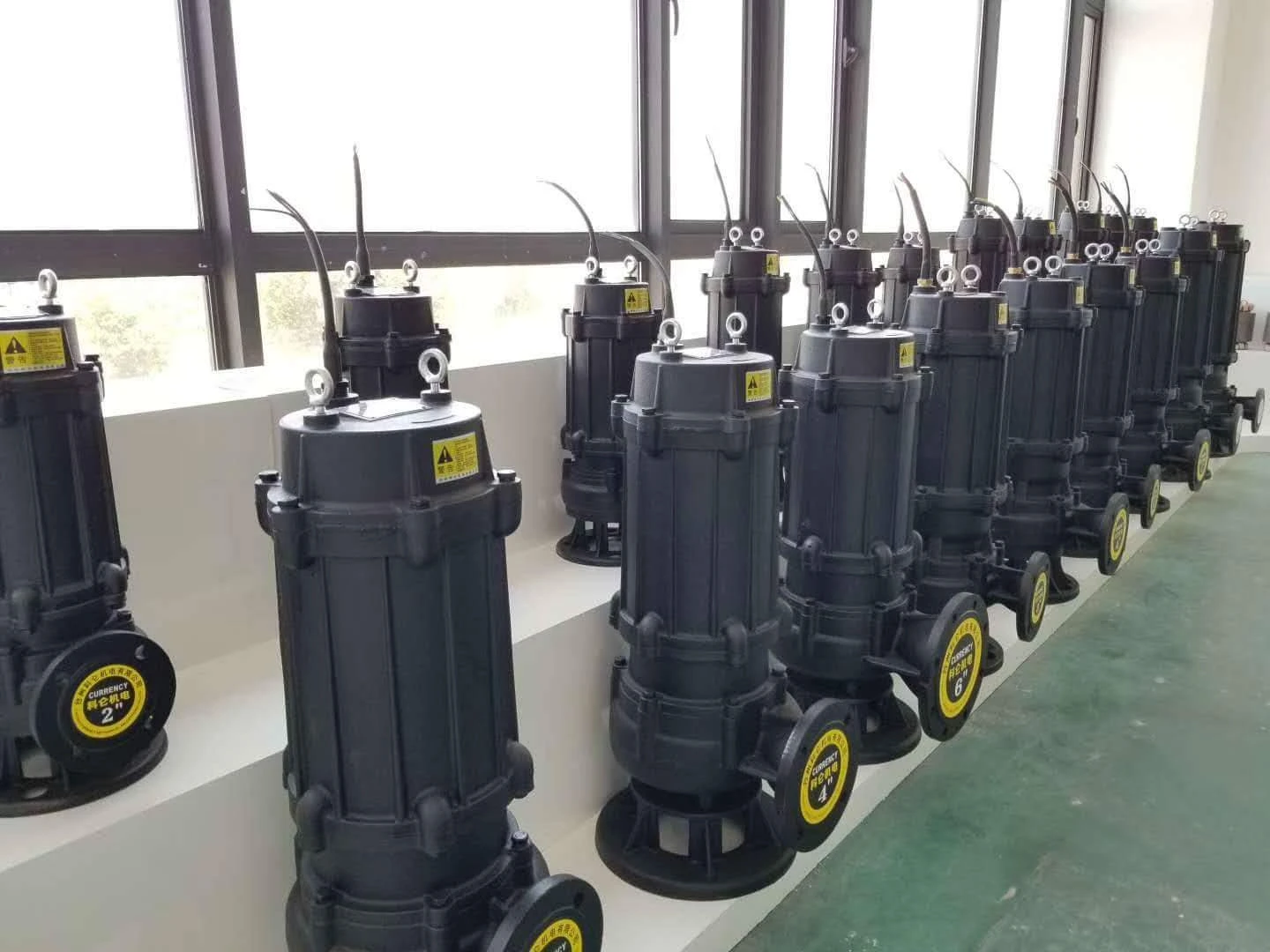
Advantage chemical pumps represent a critical component in numerous industrial processes, facilitating the reliable and safe transfer of corrosive and hazardous fluids. Positioned within the fluid handling segment of the chemical processing, wastewater treatment, and pharmaceutical industries, these pumps are specifically engineered to overcome the challenges posed by aggressive media. Unlike standard centrifugal or positive displacement pumps, advantage chemical pumps utilize specialized materials of construction and designs to mitigate corrosion, erosion, and leakage risks. Core performance characteristics center around chemical compatibility, leak-free operation, and long-term reliability in demanding environments. The market prioritizes pumps offering minimized total cost of ownership, achieved through reduced maintenance, extended service life, and compliance with stringent safety regulations. This guide provides an in-depth technical analysis of advantage chemical pumps, encompassing material science, manufacturing processes, performance engineering, failure modes, and relevant industry standards.
Material Science & Manufacturing
The performance and longevity of advantage chemical pumps are intrinsically linked to the selection of materials and precision manufacturing techniques. Common wetted parts materials include Polypropylene (PP), Polyvinylidene Fluoride (PVDF), Chlorinated Polyvinyl Chloride (CPVC), Teflon (PTFE), and Hastelloy alloys (e.g., C-276, B-3). PP and CPVC are cost-effective options for lower temperature and lower concentration applications, offering good resistance to acids and bases. PVDF provides superior chemical resistance, particularly to oxidizing agents, and can withstand higher temperatures. Hastelloy alloys are employed in the most aggressive environments, exhibiting exceptional resistance to a wide range of corrosive chemicals, including hydrochloric, sulfuric, and nitric acids. The pump housings are frequently manufactured via injection molding (for thermoplastics) or investment casting (for metallic alloys). Impeller fabrication utilizes similar methods, often incorporating precision machining to achieve optimal hydraulic performance. Shafts are typically constructed from high-grade stainless steel (316SS) or titanium, depending on the fluid compatibility requirements. Seals represent a critical area. Mechanical seals, utilizing materials like silicon carbide, Teflon, and Kalrez, are employed to ensure leak-free operation. Critical manufacturing parameters include surface finish, dimensional accuracy, and weld integrity (for metallic components). Surface finish is crucial to minimize corrosion initiation sites, while dimensional accuracy ensures proper fit and alignment of internal components. Non-destructive testing (NDT) methods, such as radiography and liquid penetrant inspection, are employed to verify weld quality and identify any material defects.
Performance & Engineering
The performance of advantage chemical pumps is governed by a complex interplay of hydraulic design, material properties, and operational parameters. Key performance indicators include flow rate, head (pressure), efficiency, and Net Positive Suction Head Required (NPSHr). Pump curves, generated through rigorous testing, define the relationship between flow rate and head at various impeller diameters and speeds. Engineering considerations center around minimizing hydraulic losses, preventing cavitation, and ensuring adequate NPSHr to avoid pump damage. Fluid viscosity significantly impacts pump performance; higher viscosity fluids require more power to pump and can reduce pump efficiency. Environmental factors, such as temperature and atmospheric pressure, also influence performance. Material selection directly affects the pump's resistance to corrosion and erosion. Force analysis is crucial in designing the pump housing and impeller to withstand the stresses induced by fluid pressure and mechanical loads. Finite Element Analysis (FEA) is often employed to optimize structural integrity and prevent component failure. Compliance requirements, dictated by standards like ANSI/ASME B73.1 and API 610, specify safety features, material traceability, and testing procedures. Furthermore, pumps handling flammable fluids must meet the requirements of ATEX or IECEx directives, ensuring explosion protection.
Technical Specifications
| Parameter | Unit | Typical Range | Material Options |
|---|---|---|---|
| Flow Rate | GPM (Gallons Per Minute) | 10 – 500 | PP, PVDF, CPVC, Hastelloy |
| Head (Pressure) | ft (Feet) | 20 – 200 | PP, PVDF, CPVC, Hastelloy |
| Temperature Range | °F (°Fahrenheit) | -40 – 250 | PP, PVDF, CPVC, Hastelloy |
| Maximum Solids Handling | inches | Up to 0.5 | PP, PVDF, CPVC, Hastelloy |
| Seal Material | - | PTFE, Viton, Kalrez, Silicon Carbide | - |
| Connection Type | - | NPT, Flange, Socket Weld | - |
Failure Mode & Maintenance
Advantage chemical pumps, while robust, are susceptible to various failure modes. Common failures include seal leakage, impeller erosion, bearing failure, and corrosion-induced component degradation. Seal leakage is often caused by seal wear, improper installation, or incompatibility with the pumped fluid. Impeller erosion occurs due to abrasive particles in the fluid, leading to reduced pump performance. Bearing failure is typically caused by insufficient lubrication, misalignment, or excessive loads. Corrosion can lead to material thinning and eventual component failure. Failure analysis techniques, such as visual inspection, metallographic examination, and chemical analysis, are employed to identify the root cause of failures. Preventative maintenance is crucial for extending pump life. This includes regular seal inspection and replacement, bearing lubrication, and monitoring for signs of corrosion. Periodic performance testing can detect early signs of degradation. Flush plans, involving the introduction of a clean fluid to the seal area, are employed to remove abrasive particles and cool the seal. Regular cleaning of pump housings and impellers can prevent the buildup of deposits that can impede performance. Implementing a robust maintenance schedule, coupled with proactive monitoring, significantly reduces the risk of unexpected downtime and extends the operational lifespan of the pump.
Industry FAQ
Q: What are the key considerations when selecting a chemical pump material for handling concentrated sulfuric acid?
A: Concentrated sulfuric acid is highly corrosive. The primary consideration is selecting a material with exceptional acid resistance. Hastelloy alloys, specifically C-276 and B-3, are commonly used due to their proven performance in sulfuric acid applications. PTFE is also an option for lower temperature and concentration levels. Avoid materials like carbon steel or aluminum, as they are rapidly corroded by sulfuric acid. Verify the material's compatibility through chemical resistance charts and consider conducting pilot testing.
Q: How does fluid viscosity affect the performance of a centrifugal chemical pump?
A: Increased fluid viscosity significantly reduces pump efficiency and flow rate. The pump requires more power to overcome the increased frictional resistance. Higher viscosity also increases NPSHr, making the pump more susceptible to cavitation. Consider using a positive displacement pump for highly viscous fluids, or selecting a centrifugal pump with a larger impeller diameter and lower operating speed.
Q: What is the significance of NPSHr and how can it be ensured?
A: Net Positive Suction Head Required (NPSHr) is the minimum absolute pressure required at the pump suction to prevent cavitation. Cavitation occurs when the liquid pressure falls below its vapor pressure, forming bubbles that collapse and damage the impeller. Ensure NPSHr is met by maintaining adequate suction head, minimizing suction line losses, and elevating the pump relative to the liquid source.
Q: What are the typical maintenance procedures for mechanical seals in chemical pumps?
A: Regular inspection of the seal is critical. Look for signs of leakage, wear, or damage. Ensure proper lubrication and flushing of the seal area. Replace the seal according to the manufacturer's recommendations or when signs of failure are observed. Maintain accurate records of seal replacements and performance.
Q: How do ATEX/IECEx certifications impact the selection and use of chemical pumps in hazardous areas?
A: ATEX and IECEx certifications demonstrate that a pump is designed and manufactured to prevent ignition of flammable atmospheres. These certifications are mandatory for pumps used in hazardous areas classified as Zones 0, 1, or 2. Ensure the pump's certification is appropriate for the specific hazard zone and that all electrical connections are properly grounded and sealed.
Conclusion
Advantage chemical pumps represent a specialized class of fluid handling equipment engineered for demanding applications involving corrosive and hazardous materials. Successful implementation hinges on a thorough understanding of material science, meticulous manufacturing processes, and precise performance engineering. Selecting the appropriate materials of construction, coupled with a proactive maintenance strategy, is paramount to ensuring long-term reliability and minimizing total cost of ownership.
As industries continue to prioritize safety, environmental compliance, and operational efficiency, the demand for high-performance advantage chemical pumps will continue to grow. Future developments will likely focus on advanced materials, improved hydraulic designs, and intelligent monitoring systems to further enhance pump performance and reduce downtime. A comprehensive understanding of the principles outlined in this guide is essential for engineers, procurement managers, and maintenance personnel involved in the selection, operation, and maintenance of these critical industrial assets.
-
Precision at the Pump: How Better Machining Protects Flow and Uptime
News2026-11-20
-
Why Pump Reliability Begins Before the First Drop of Fluid
News2026-11-20
-
Beyond the Pump: Designing Safer Access Around Critical Water Infrastructure
News2026-11-20
-
Why Pumping Stations Depend on the Infrastructure Beneath the Pumps
News2026-11-20
-
Beyond the Pump Room: How Smarter Loading Protects Industrial Equipment
News2026-11-19
-
When Pumps Stop: Designing More Resilient Power for Critical Pumping Systems
News2026-11-19
-
The Hidden Role of Dust and Gas Monitoring in Reliable Pump Operations
News2026-11-19
-
The Hidden Role of Mineral Compounds in Extending Industrial Pump Lifespan
News2026-10-12
-
Why Pump System Reliability Depends on Precision Hose Assembly Methods
News2026-09-15
-
How Advanced Imaging Films Are Transforming Pump Component Quality Control
News2026-08-25
-
How Advanced Filtration Protects Pump Systems from Premature Wear and Costly Downtime
News2026-08-25
-
How Steel Material Selection Drives Pump Reliability in Heavy-Duty Systems
News2026-08-25
-
Ensuring Pump System Efficiency: The Role of High-Quality Pipe Fittings and Tubing
News2026-08-24
-
Optimizing Fluid Dynamics and Material Consistency in Industrial Processing
News2026-08-18
-
Innovations and Challenges in Hydraulic Systems for Heavy Machinery
News2026-08-13




