English
- Afrikaans
- Albanian
- Amharic
- Arabic
- Armenian
- Azerbaijani
- Basque
- Belarusian
- Bengali
- Bosnian
- Bulgarian
- Catalan
- Cebuano
- Corsican
- Croatian
- Czech
- Danish
- Dutch
- English
- Esperanto
- Estonian
- Finnish
- French
- Frisian
- Galician
- Georgian
- German
- Greek
- Gujarati
- Haitian Creole
- hausa
- hawaiian
- Hebrew
- Hindi
- Miao
- Hungarian
- Icelandic
- igbo
- Indonesian
- irish
- Italian
- Japanese
- Javanese
- Kannada
- kazakh
- Khmer
- Rwandese
- Korean
- Kurdish
- Kyrgyz
- Lao
- Latin
- Latvian
- Lithuanian
- Luxembourgish
- Macedonian
- Malgashi
- Malay
- Malayalam
- Maltese
- Maori
- Marathi
- Mongolian
- Myanmar
- Nepali
- Norwegian
- Norwegian
- Occitan
- Pashto
- Persian
- Polish
- Portuguese
- Punjabi
- Romanian
- Russian
- Samoan
- Scottish Gaelic
- Serbian
- Sesotho
- Shona
- Sindhi
- Sinhala
- Slovak
- Slovenian
- Somali
- Spanish
- Sundanese
- Swahili
- Swedish
- Tagalog
- Tajik
- Tamil
- Tatar
- Telugu
- Thai
- Turkish
- Turkmen
- Ukrainian
- Urdu
- Uighur
- Uzbek
- Vietnamese
- Welsh
- Bantu
- Yiddish
- Yoruba
- Zulu

Telephone: +86 13120555503
Email: frank@cypump.com


Apr . 01, 2024 17:55 Back to list
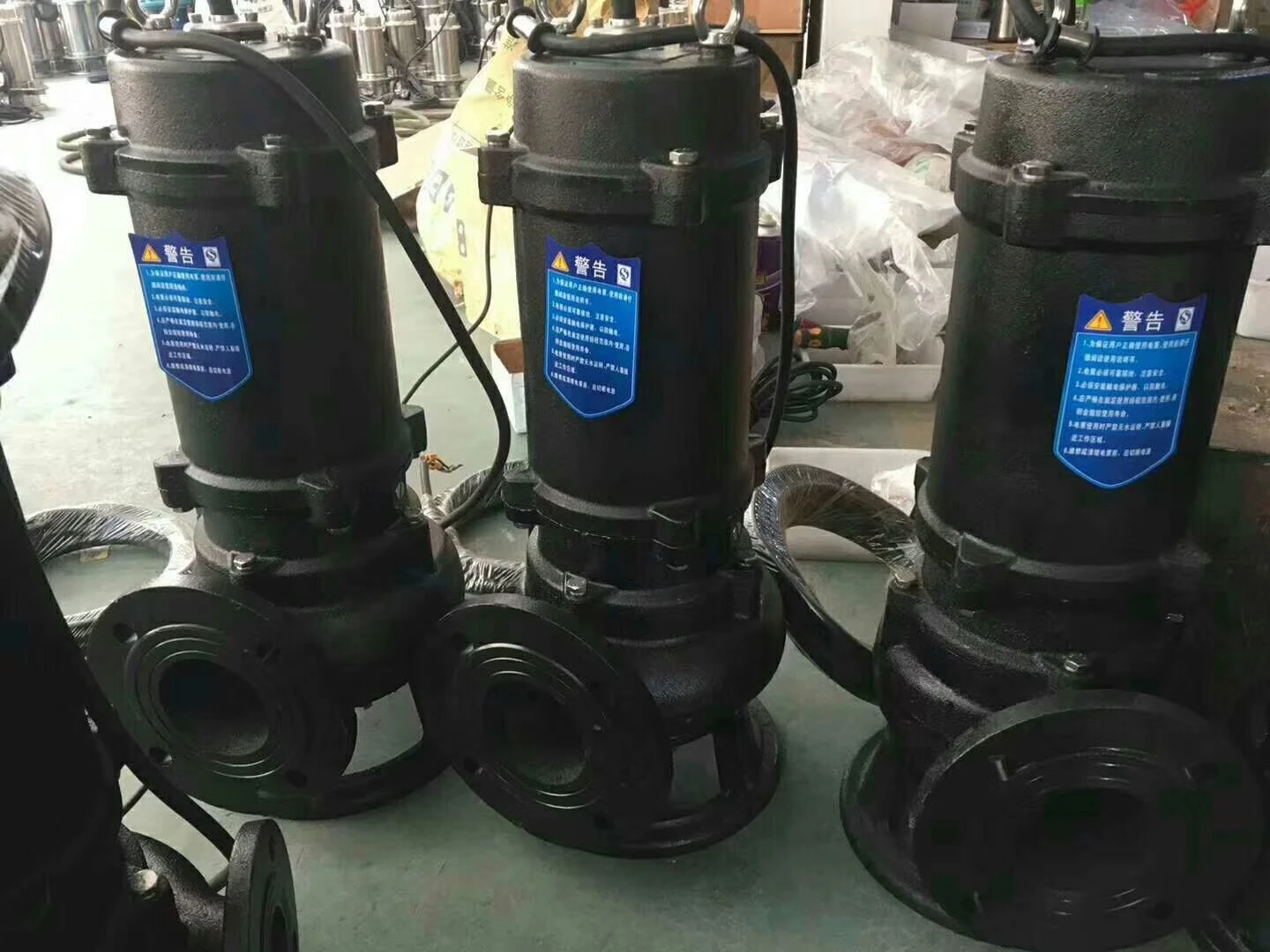
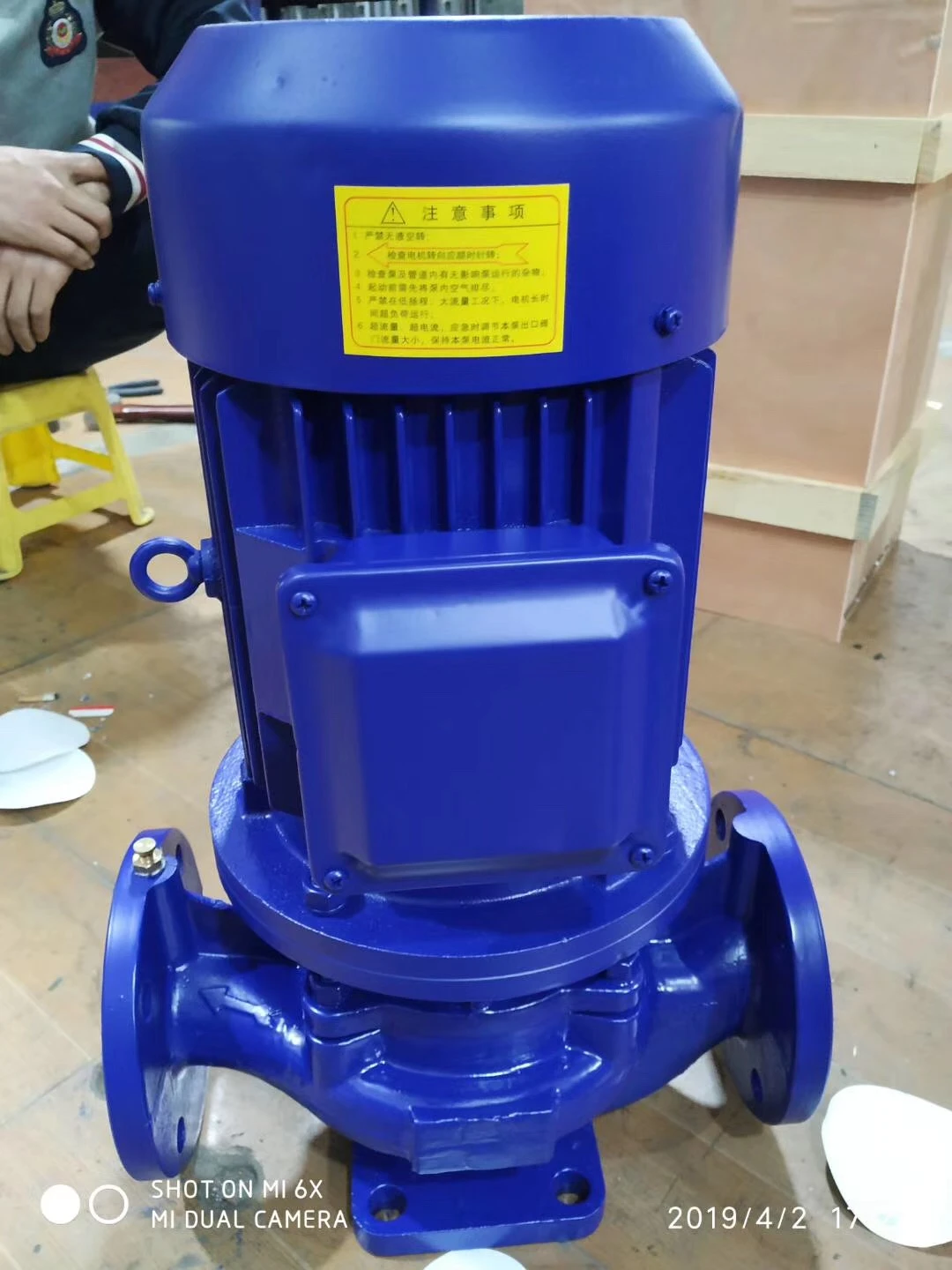
acids and corrosive chemicals mag drive pump Material Science Manufacturing
Introduction
Mag drive pumps designed for handling acids and corrosive chemicals represent a critical component in numerous industrial processes, including chemical manufacturing, wastewater treatment, and pharmaceutical production. Unlike mechanically sealed pumps, magnetic drive pumps eliminate the potential for leakage through the seal – a paramount concern when conveying aggressive media. This is achieved through a magnetic coupling, transmitting torque from the motor to the impeller without a direct mechanical connection. These pumps are categorized by their construction materials, flow rates, pressure capabilities, and the specific corrosivity of the fluid they are intended to handle. Understanding the limitations and appropriate application of these pumps is essential for maintaining process integrity, ensuring worker safety, and minimizing environmental impact. The primary performance indicators include leak-free operation, material compatibility, volumetric efficiency, and long-term reliability in harsh chemical environments. The rising demand for increasingly stringent environmental regulations and process safety standards drives the continued adoption of mag drive pumps in demanding chemical applications.
Material Science & Manufacturing
The selection of materials for acids and corrosive chemicals mag drive pumps is dictated by the chemical compatibility between the pump components and the fluid being conveyed. Common wetted parts are constructed from materials such as PTFE (Polytetrafluoroethylene), PFA (Perfluoroalkoxy alkanes), PVDF (Polyvinylidene Fluoride), polypropylene, and specific alloys like Hastelloy and 316 stainless steel. PTFE and PFA offer exceptional resistance to a broad range of chemicals, but are limited by their mechanical strength and temperature range. PVDF provides a balance of chemical resistance and mechanical properties. Alloys like Hastelloy are chosen for highly aggressive chemicals and elevated temperatures, despite higher costs. The manufacturing process involves several critical stages. Pump housings are typically injection molded from fluoropolymers or cast from alloys. Impellers are often also injection molded or machined from solid blocks of the chosen material. The magnetic coupling consists of a rotating magnet encapsulated in a protective coating (often PTFE) and a drive magnet. Precise alignment of the magnets is crucial for efficient torque transmission and preventing overheating. Welding processes (for metallic components) require careful control of heat input to avoid material degradation and maintain corrosion resistance. Non-destructive testing, including radiography and dye penetrant inspection, are employed to verify weld quality. Finally, rigorous hydrostatic testing ensures the pump’s structural integrity and leak-tightness before shipment.
Performance & Engineering
Performance engineering of mag drive pumps for corrosive chemicals focuses on mitigating factors that can lead to premature failure. Force analysis is critical, considering not only the hydrodynamic forces from the fluid but also the magnetic forces acting on the coupling. These forces induce stresses within the pump housing and impeller, requiring careful design to prevent cracking or deformation. Environmental resistance is paramount. Exposure to corrosive fluids can cause material degradation, leading to reduced pump efficiency and eventual failure. Therefore, understanding the concentration, temperature, and flow velocity of the fluid is essential for material selection and pump design. Compliance requirements vary by industry and region. For example, pumps used in pharmaceutical applications must meet stringent sanitary standards (e.g., 3-A Sanitary Standards). Pumps handling hazardous chemicals are subject to regulations such as those defined by OSHA and EPA. Functional implementation requires accurate sizing of the pump to meet the process demand. This involves calculating the required head (pressure) and flow rate, considering factors like pipe friction and elevation changes. Proper pump selection minimizes energy consumption and ensures stable operation. Cavitation, a significant concern in pumping applications, is particularly problematic with corrosive fluids as it accelerates material erosion. Engineers must carefully consider the Net Positive Suction Head Required (NPSHr) of the pump and ensure that the available NPSH in the system is sufficient to prevent cavitation.
Technical Specifications
| Parameter | Unit | Typical Range (PTFE Lined) | Typical Range (Hastelloy C) |
|---|---|---|---|
| Maximum Flow Rate | GPM | 0-120 | 0-250 |
| Maximum Head | ft | 0-100 | 0-200 |
| Maximum Temperature | °F | 150 | 400 |
| Maximum Pressure | psi | 150 | 300 |
| Viscosity Range | cP | 1-1000 | 1-1000 |
| Solid Handling Capability | mm | < 6 | < 6 |
Failure Mode & Maintenance
Failure modes in mag drive pumps handling corrosive chemicals are diverse and often interrelated. Fatigue cracking can occur in the pump housing or impeller due to cyclical stress from fluid pressure and magnetic forces, exacerbated by corrosive attack. Delamination of the polymer lining (PTFE, PFA) is a common failure mode, resulting from poor adhesion, thermal stress, or chemical degradation. Degradation of the magnetic coupling is another critical concern. Exposure to strong acids or high temperatures can weaken the magnetic material, leading to reduced torque transmission and pump failure. Oxidation and corrosion of metallic components (even alloys) occur over time, reducing their structural integrity. Impeller wear is accelerated by abrasive particles present in the fluid. Maintenance strategies include regular visual inspections for signs of leakage, corrosion, or physical damage. Periodic testing of the magnetic coupling strength is recommended. Lubrication of bearings (if applicable) with chemically compatible lubricants is essential. Scheduled replacement of the pump housing or impeller based on operating conditions and fluid corrosivity is a proactive maintenance approach. When replacing parts, ensure strict adherence to material compatibility guidelines. Proper storage of spare parts is also crucial to prevent premature degradation.
Industry FAQ
Q: What are the key considerations when selecting a magnetic drive pump for sulfuric acid service?
A: When handling sulfuric acid, material selection is paramount. PTFE or PFA linings are often used for the pump housing and impeller, but the acid concentration and temperature significantly influence their suitability. Higher concentrations and temperatures necessitate Hastelloy C or other highly corrosion-resistant alloys for critical components. Ensure the pump is adequately sized to handle the acid’s viscosity and density, and verify that the pump’s NPSHr is met to prevent cavitation.
Q: How does temperature affect the performance of a mag drive pump handling hydrochloric acid?
A: Increased temperature accelerates the corrosion rate of most materials. For hydrochloric acid, higher temperatures can lead to rapid degradation of many polymers. Hastelloy B is commonly used, but even this alloy has temperature limitations. Additionally, elevated temperatures reduce the strength of magnetic couplings, potentially leading to slippage and reduced pump efficiency. Careful monitoring and temperature control are essential.
Q: What is the impact of solids in the fluid on the lifespan of a mag drive pump used for corrosive applications?
A: Solids act as abrasives, accelerating wear on the impeller, pump housing, and internal components. The severity of wear depends on the particle size, concentration, and hardness. Consider pumps with hardened impellers or incorporate filtration upstream of the pump to remove solids. Regular inspections are crucial to identify and address wear before it leads to catastrophic failure.
Q: What are the advantages of a ceramic bearing design in mag drive pumps for corrosive fluids?
A: Ceramic bearings offer superior corrosion resistance compared to traditional metal bearings, particularly in highly aggressive chemical environments. They also exhibit high hardness and wear resistance, extending bearing life. However, ceramic bearings can be more brittle and susceptible to thermal shock, so proper application and operational limits must be observed.
Q: How can I diagnose issues with a mag drive pump where the pump is losing prime frequently?
A: Frequent loss of prime can indicate several issues. Check for leaks in the suction piping or pump connections. Verify that the NPSHr is being met. Inspect the impeller for wear or damage. A partially blocked suction line or a worn impeller can reduce suction pressure and cause the pump to lose prime. Also, consider the possibility of vapor lock, particularly with volatile corrosive fluids.
Conclusion
Mag drive pumps are an indispensable technology for safely and reliably handling acids and corrosive chemicals across diverse industrial sectors. Their leak-free design, coupled with judicious material selection and robust engineering, provides a significant advantage over traditional mechanically sealed pumps. However, successful implementation hinges on a thorough understanding of the chemical properties of the fluid, the operating conditions, and potential failure modes. Proactive maintenance and adherence to industry standards are essential for maximizing pump lifespan and ensuring process integrity.
The future of mag drive pump technology for corrosive applications will likely focus on advancements in material science, such as the development of new alloys and fluoropolymers with enhanced chemical resistance and mechanical properties. Improved magnetic coupling designs will enhance torque transmission and reduce energy consumption. Furthermore, the integration of predictive maintenance techniques, utilizing sensors and data analytics, will enable early detection of potential failures and optimize maintenance schedules.
-
Precision at the Pump: How Better Machining Protects Flow and Uptime
News2026-11-20
-
Why Pump Reliability Begins Before the First Drop of Fluid
News2026-11-20
-
Beyond the Pump: Designing Safer Access Around Critical Water Infrastructure
News2026-11-20
-
Why Pumping Stations Depend on the Infrastructure Beneath the Pumps
News2026-11-20
-
Beyond the Pump Room: How Smarter Loading Protects Industrial Equipment
News2026-11-19
-
When Pumps Stop: Designing More Resilient Power for Critical Pumping Systems
News2026-11-19
-
The Hidden Role of Dust and Gas Monitoring in Reliable Pump Operations
News2026-11-19
-
The Hidden Role of Mineral Compounds in Extending Industrial Pump Lifespan
News2026-10-12
-
Why Pump System Reliability Depends on Precision Hose Assembly Methods
News2026-09-15
-
How Advanced Imaging Films Are Transforming Pump Component Quality Control
News2026-08-25
-
How Advanced Filtration Protects Pump Systems from Premature Wear and Costly Downtime
News2026-08-25
-
How Steel Material Selection Drives Pump Reliability in Heavy-Duty Systems
News2026-08-25
-
Ensuring Pump System Efficiency: The Role of High-Quality Pipe Fittings and Tubing
News2026-08-24
-
Optimizing Fluid Dynamics and Material Consistency in Industrial Processing
News2026-08-18
-
Innovations and Challenges in Hydraulic Systems for Heavy Machinery
News2026-08-13




