English
- Afrikaans
- Albanian
- Amharic
- Arabic
- Armenian
- Azerbaijani
- Basque
- Belarusian
- Bengali
- Bosnian
- Bulgarian
- Catalan
- Cebuano
- Corsican
- Croatian
- Czech
- Danish
- Dutch
- English
- Esperanto
- Estonian
- Finnish
- French
- Frisian
- Galician
- Georgian
- German
- Greek
- Gujarati
- Haitian Creole
- hausa
- hawaiian
- Hebrew
- Hindi
- Miao
- Hungarian
- Icelandic
- igbo
- Indonesian
- irish
- Italian
- Japanese
- Javanese
- Kannada
- kazakh
- Khmer
- Rwandese
- Korean
- Kurdish
- Kyrgyz
- Lao
- Latin
- Latvian
- Lithuanian
- Luxembourgish
- Macedonian
- Malgashi
- Malay
- Malayalam
- Maltese
- Maori
- Marathi
- Mongolian
- Myanmar
- Nepali
- Norwegian
- Norwegian
- Occitan
- Pashto
- Persian
- Polish
- Portuguese
- Punjabi
- Romanian
- Russian
- Samoan
- Scottish Gaelic
- Serbian
- Sesotho
- Shona
- Sindhi
- Sinhala
- Slovak
- Slovenian
- Somali
- Spanish
- Sundanese
- Swahili
- Swedish
- Tagalog
- Tajik
- Tamil
- Tatar
- Telugu
- Thai
- Turkish
- Turkmen
- Ukrainian
- Urdu
- Uighur
- Uzbek
- Vietnamese
- Welsh
- Bantu
- Yiddish
- Yoruba
- Zulu

Telephone: +86 13120555503
Email: frank@cypump.com


Apr . 01, 2024 17:55 Back to list
acid and corrosive chemical pump Material Science
Introduction
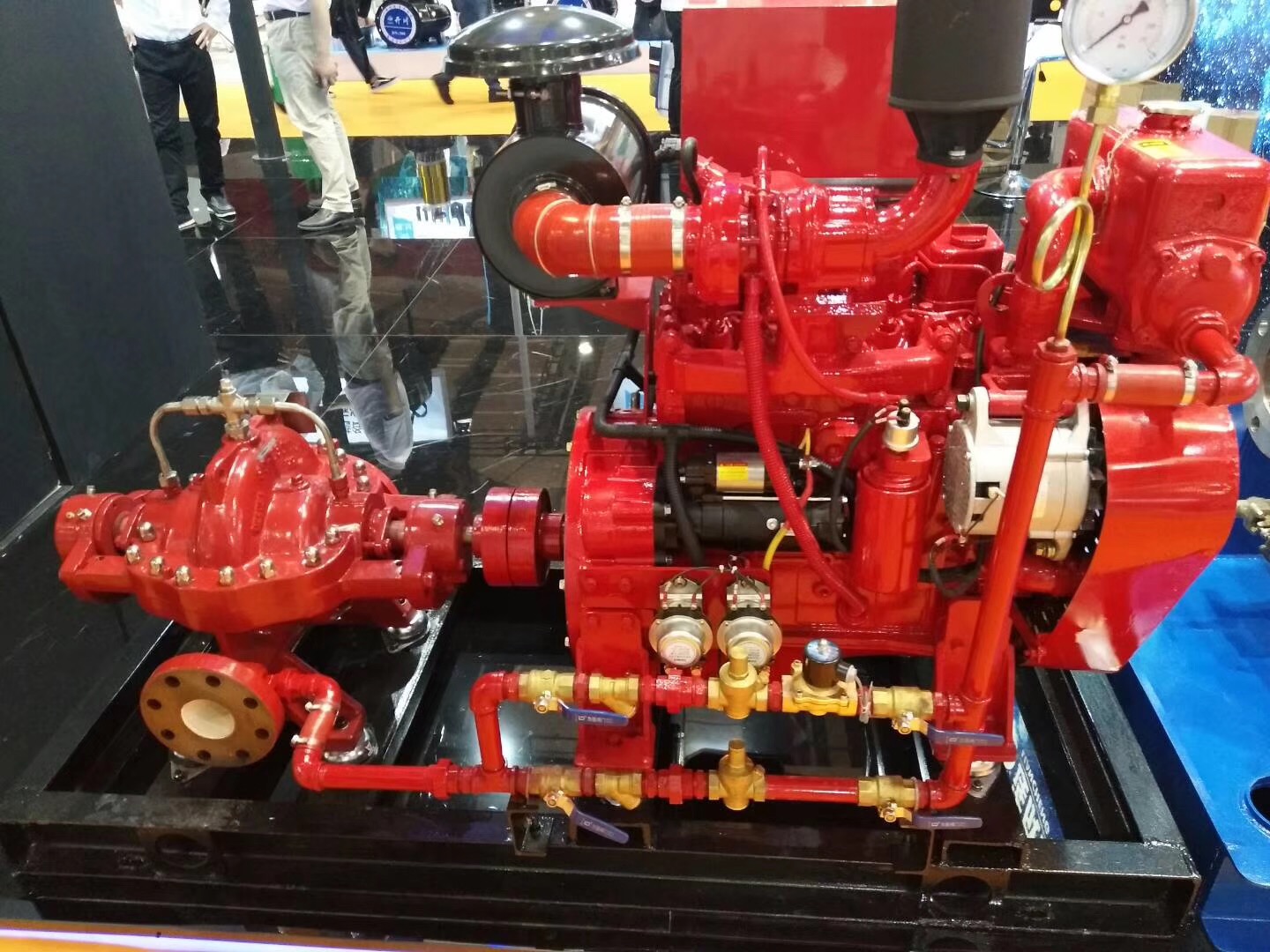
Acid and corrosive chemical pumps are engineered to reliably transfer highly aggressive fluids, representing a critical component in numerous industrial processes. These pumps differ significantly from standard centrifugal or positive displacement pumps due to the specialized materials of construction and design features necessary to withstand continuous exposure to corrosive media. Positioned within the chemical processing, wastewater treatment, metal finishing, and pharmaceutical manufacturing supply chains, their performance directly impacts process efficiency, safety, and environmental compliance. Core performance characteristics are defined by flow rate, head pressure, materials compatibility, and leak-free operation. The selection process is heavily influenced by the specific chemical being handled, its concentration, temperature, and the presence of particulate matter. A primary industry pain point lies in balancing cost-effectiveness with long-term reliability and minimizing the risk of catastrophic failure due to material degradation or seal compromise. Incorrect material selection leads to rapid component failure, process downtime, and potential environmental hazards.
Material Science & Manufacturing
The foundation of an acid and corrosive chemical pump lies in its material selection. Common wetted parts materials include PTFE (polytetrafluoroethylene), PFA (perfluoroalkoxy), PVDF (polyvinylidene fluoride), polypropylene, Hastelloy (nickel-based alloys – C-276, B-3), and various grades of stainless steel (316, 316L). PTFE and PFA are favored for their exceptional chemical resistance to a broad spectrum of acids and bases but have limitations in mechanical strength and temperature resistance. PVDF offers a good balance of chemical resistance, strength, and temperature performance. Hastelloy alloys provide superior corrosion resistance in extremely aggressive environments, especially those involving chlorides, but are significantly more expensive. Stainless steel grades (316/316L) offer good resistance to many corrosive media, but their suitability depends on the specific chemical composition and concentration. Manufacturing processes vary depending on the material. Plastic components are typically manufactured through injection molding, requiring precise temperature and pressure control to ensure dimensional accuracy and prevent material degradation. Metal components often involve investment casting or forging, followed by precision machining. Welding processes, when used, must employ techniques like TIG (Tungsten Inert Gas) welding with appropriate filler metals to maintain corrosion resistance in the weld zone. Seal manufacturing utilizes materials like Viton, Teflon, and ceramic to provide effective barrier against leakage. Critical parameters during manufacturing include surface finish (to minimize friction and corrosion initiation sites), dimensional tolerances (to ensure proper fit and function), and weld quality (assessed through non-destructive testing methods such as radiography and dye penetrant inspection).
Performance & Engineering
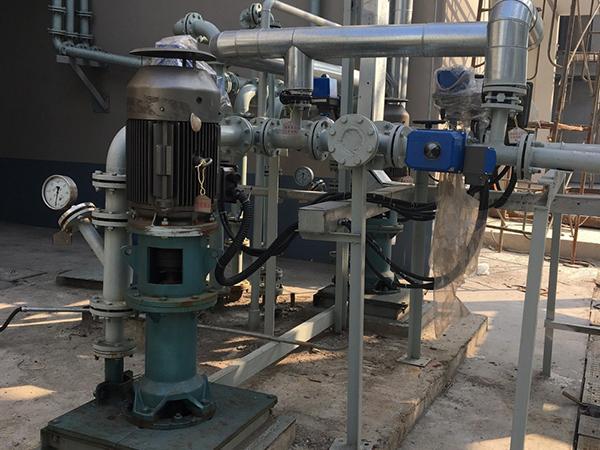
Performance analysis of acid and corrosive chemical pumps centers on hydrodynamic efficiency, mechanical stress, and long-term material durability. Force analysis considers both static and dynamic loads, including suction and discharge pressures, fluid weight, and impeller imbalance. Cavitation, a significant concern, can be exacerbated by the often-low Net Positive Suction Head Available (NPSHa) in corrosive fluid applications. Proper impeller design and pump speed selection are crucial to prevent cavitation damage. Environmental resistance is paramount. Pumps are often subjected to extreme temperatures, humidity, and potentially explosive atmospheres, necessitating appropriate motor and enclosure selections (e.g., explosion-proof motors). Compliance requirements dictate adherence to stringent safety standards, particularly regarding leak detection and containment. Double mechanical seals with barrier fluid systems are commonly employed to prevent fugitive emissions. Pump design must also account for potential scaling or fouling caused by the corrosive fluid, impacting performance over time. Functional implementation details include the selection of appropriate pump type (centrifugal, diaphragm, peristaltic) based on flow rate, pressure requirements, and fluid characteristics. Proper piping design, including the use of compatible materials and minimizing bends, is essential to reduce pressure drop and ensure efficient fluid transfer. Consideration must be given to thermal expansion and contraction of piping and pump components.
Technical Specifications
| Parameter | Unit | Typical Range (PTFE Lined) | Typical Range (Hastelloy C-276) |
|---|---|---|---|
| Maximum Flow Rate | GPM (Gallons per Minute) | 0-200 | 0-500 |
| Maximum Head | ft (Feet) | 0-150 | 0-300 |
| Temperature Range | °F (°Fahrenheit) | 0-250 | -20-400 |
| Maximum Solids Handling | mm (Millimeters) | 0-5 | 0-10 |
| pH Range | - | 1-14 | 1-14 |
| Seal Type | - | Mechanical Seal (Viton, PTFE) | Double Mechanical Seal w/ Barrier Fluid |
Failure Mode & Maintenance
Failure modes in acid and corrosive chemical pumps are diverse and often related to material degradation. Common failure mechanisms include: chemical attack leading to material dissolution or embrittlement, particularly in the impeller and casing; erosion caused by abrasive particles in the fluid stream; fatigue cracking induced by cyclic loading; seal failure due to chemical incompatibility or wear; and cavitation damage. Specific failure scenarios include pitting corrosion in stainless steel components exposed to chlorides, swelling and cracking of elastomers due to chemical exposure, and weld corrosion in improperly welded joints. Preventative maintenance is crucial. Regular inspection of pump components for signs of corrosion, erosion, or cracking is essential. Mechanical seals should be inspected and replaced periodically based on operating conditions and fluid compatibility. Lubrication of bearings is vital to prevent premature wear. Flushing the pump with a compatible solvent after use can remove residual corrosive fluids and minimize corrosion. Periodic performance monitoring (flow rate, pressure, power consumption) can detect early signs of degradation. For PTFE-lined pumps, careful attention should be paid to the condition of the liner, as delamination can lead to catastrophic failure. In the event of failure, root cause analysis is critical to identify the underlying cause and prevent recurrence. This involves material testing, visual inspection, and potentially non-destructive examination.
Industry FAQ
Q: What are the key considerations when selecting a pump material for sulfuric acid service?
A: Sulfuric acid’s corrosivity varies significantly with concentration and temperature. For low concentrations (<20%), polypropylene or PTFE-lined pumps may suffice. However, for higher concentrations (above 60%) and elevated temperatures, Hastelloy C-276 is generally recommended due to its exceptional resistance to sulfuric acid. Considerations must also include the presence of any dissolved gases or impurities, which can accelerate corrosion. A thorough review of material compatibility charts and consultation with a materials specialist are essential.
Q: How do double mechanical seals with barrier fluid systems enhance pump reliability?
A: Double mechanical seals provide a secondary containment barrier in case of primary seal failure, preventing leakage of the corrosive fluid. The barrier fluid system circulates a clean, compatible fluid between the two seals, providing lubrication, cooling, and flushing, extending seal life and preventing crystallization or buildup that can compromise sealing performance. Proper barrier fluid selection is critical, ensuring compatibility with both the process fluid and the seal materials.
Q: What is the impact of solids content on pump selection and maintenance?
A: The presence of abrasive solids significantly increases wear and erosion of pump components, particularly the impeller and casing. For fluids with high solids content, pumps with hardened materials (e.g., ceramic liners, abrasion-resistant alloys) are recommended. Regular inspection and replacement of wear parts are crucial. Consider using a pump with a larger impeller eye to minimize the risk of clogging.
Q: What are the advantages of using a magnetically driven (mag drive) pump for corrosive applications?
A: Mag drive pumps eliminate the need for mechanical seals, removing a common point of failure in corrosive service. The magnetic coupling prevents leakage and reduces the risk of contamination. However, mag drive pumps typically have lower flow rate and pressure capabilities compared to mechanically sealed pumps, and can generate heat that requires effective cooling.
Q: How do I determine the correct pump size (flow rate and head) for my application?
A: Accurate pump sizing requires a detailed understanding of the process requirements. Factors to consider include the volumetric flow rate of the fluid, the total dynamic head (TDH) – which accounts for static lift, friction losses in the piping, and pressure requirements at the discharge – and the fluid properties (viscosity, density). Consulting with a pump supplier and providing detailed process data is crucial for selecting the appropriate pump size.
Conclusion
Acid and corrosive chemical pumps are essential components in various industries, requiring careful selection based on fluid characteristics, operating conditions, and compliance requirements. The material of construction is the most critical factor, balancing chemical resistance, mechanical strength, and cost. Proper maintenance, including regular inspection, seal replacement, and lubrication, is vital to ensure long-term reliability and prevent catastrophic failures.
Future trends in this field will focus on the development of more advanced materials, improved sealing technologies, and smart pump systems with predictive maintenance capabilities. Optimizing pump designs to minimize energy consumption and reduce environmental impact will also be a key area of development. Investing in thorough materials testing and lifecycle cost analysis will be crucial for maximizing the return on investment for these critical process components.
-
Precision at the Pump: How Better Machining Protects Flow and Uptime
News2026-11-20
-
Why Pump Reliability Begins Before the First Drop of Fluid
News2026-11-20
-
Beyond the Pump: Designing Safer Access Around Critical Water Infrastructure
News2026-11-20
-
Why Pumping Stations Depend on the Infrastructure Beneath the Pumps
News2026-11-20
-
Beyond the Pump Room: How Smarter Loading Protects Industrial Equipment
News2026-11-19
-
When Pumps Stop: Designing More Resilient Power for Critical Pumping Systems
News2026-11-19
-
The Hidden Role of Dust and Gas Monitoring in Reliable Pump Operations
News2026-11-19
-
The Hidden Role of Mineral Compounds in Extending Industrial Pump Lifespan
News2026-10-12
-
Why Pump System Reliability Depends on Precision Hose Assembly Methods
News2026-09-15
-
How Advanced Imaging Films Are Transforming Pump Component Quality Control
News2026-08-25
-
How Advanced Filtration Protects Pump Systems from Premature Wear and Costly Downtime
News2026-08-25
-
How Steel Material Selection Drives Pump Reliability in Heavy-Duty Systems
News2026-08-25
-
Ensuring Pump System Efficiency: The Role of High-Quality Pipe Fittings and Tubing
News2026-08-24
-
Optimizing Fluid Dynamics and Material Consistency in Industrial Processing
News2026-08-18
-
Innovations and Challenges in Hydraulic Systems for Heavy Machinery
News2026-08-13




