English
- Afrikaans
- Albanian
- Amharic
- Arabic
- Armenian
- Azerbaijani
- Basque
- Belarusian
- Bengali
- Bosnian
- Bulgarian
- Catalan
- Cebuano
- Corsican
- Croatian
- Czech
- Danish
- Dutch
- English
- Esperanto
- Estonian
- Finnish
- French
- Frisian
- Galician
- Georgian
- German
- Greek
- Gujarati
- Haitian Creole
- hausa
- hawaiian
- Hebrew
- Hindi
- Miao
- Hungarian
- Icelandic
- igbo
- Indonesian
- irish
- Italian
- Japanese
- Javanese
- Kannada
- kazakh
- Khmer
- Rwandese
- Korean
- Kurdish
- Kyrgyz
- Lao
- Latin
- Latvian
- Lithuanian
- Luxembourgish
- Macedonian
- Malgashi
- Malay
- Malayalam
- Maltese
- Maori
- Marathi
- Mongolian
- Myanmar
- Nepali
- Norwegian
- Norwegian
- Occitan
- Pashto
- Persian
- Polish
- Portuguese
- Punjabi
- Romanian
- Russian
- Samoan
- Scottish Gaelic
- Serbian
- Sesotho
- Shona
- Sindhi
- Sinhala
- Slovak
- Slovenian
- Somali
- Spanish
- Sundanese
- Swahili
- Swedish
- Tagalog
- Tajik
- Tamil
- Tatar
- Telugu
- Thai
- Turkish
- Turkmen
- Ukrainian
- Urdu
- Uighur
- Uzbek
- Vietnamese
- Welsh
- Bantu
- Yiddish
- Yoruba
- Zulu

Telephone: +86 13120555503
Email: frank@cypump.com


Apr . 01, 2024 17:55 Back to list
abrasive slurry pump Material Science Manufacturing
Introduction
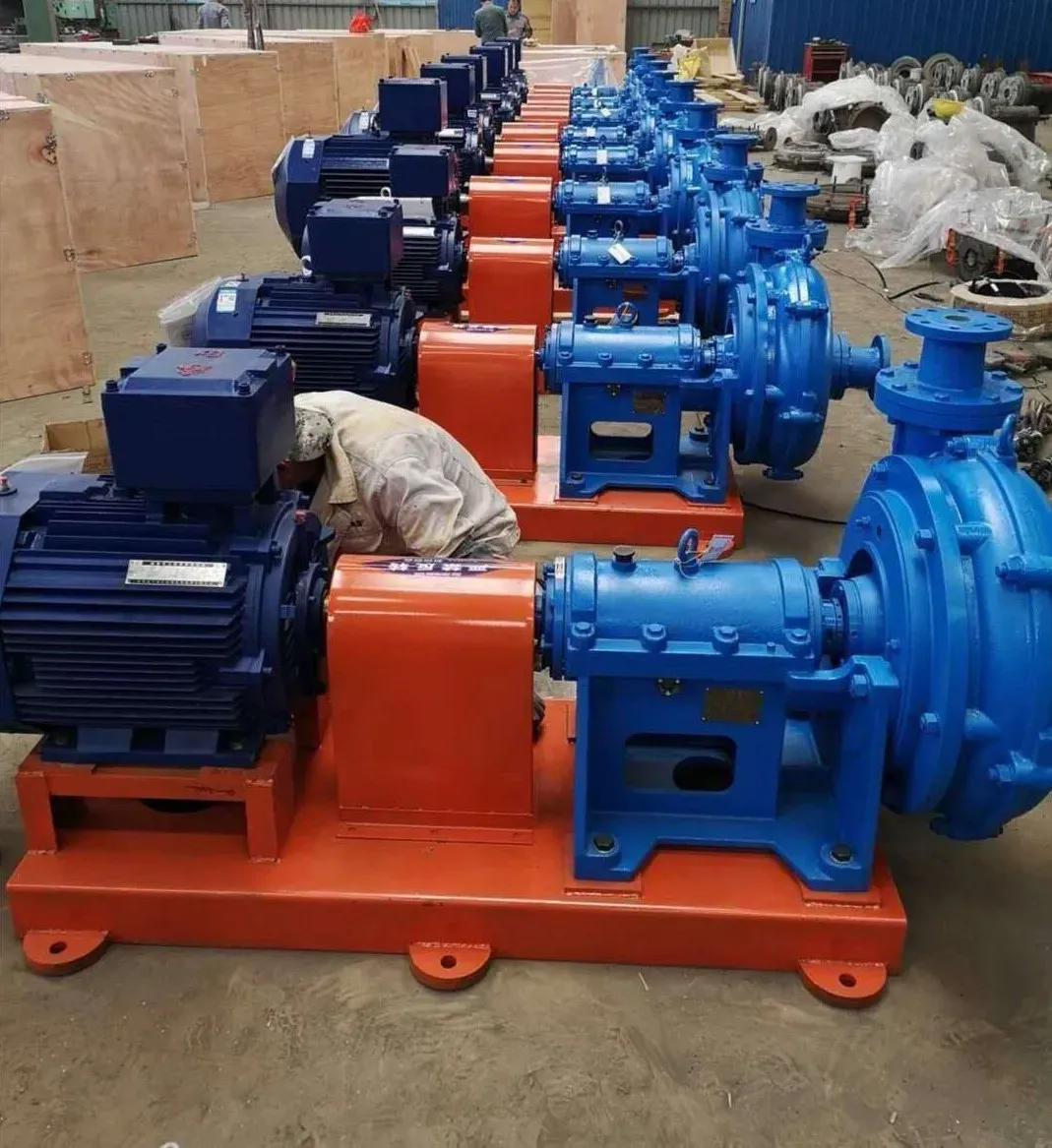
Abrasive slurry pumps are engineered for the demanding task of transporting highly abrasive fluids, commonly found in mining, dredging, wastewater treatment, and industrial processing. Positioned as critical components within these process chains, they differ significantly from centrifugal pumps designed for clean fluids. Their robust construction and specialized design are paramount for maintaining process efficiency and minimizing downtime. Core performance characteristics are defined by their ability to handle high solids concentrations, varying particle sizes, and chemically aggressive environments while maintaining acceptable levels of volumetric flow rate and discharge pressure. The selection of appropriate materials and hydraulic design directly impact pump longevity and operational cost, constituting the primary considerations for end-users.
Material Science & Manufacturing
The abrasive resistance of slurry pumps is fundamentally tied to the materials used in their construction. Impellers and volute casings are commonly manufactured from high-chrome cast iron (typically 27-30% chromium content) due to its exceptional hardness and resistance to erosion. Alternative materials include ceramic alloys, hardened stainless steels (e.g., duplex stainless steel), and rubber linings for specific applications. The manufacturing process for impellers often involves sand casting, followed by heat treatment to achieve the desired hardness and microstructure. Volute casings are similarly produced through sand casting, although larger casings may utilize investment casting for improved dimensional accuracy. Shaft materials require high tensile strength and fatigue resistance, with alloy steels being the common choice. Sealing components present a unique challenge; materials like tungsten carbide, silicon carbide, and specialized elastomers are used to prevent leakage in the presence of abrasive particles. Weld overlays employing hardfacing alloys are frequently utilized to protect critical wear surfaces. Parameter control during casting (cooling rates, alloy composition) and heat treatment (temperatures, holding times) are critical for achieving the desired material properties. Proper surface finishing, including shot blasting and polishing, further enhances abrasion resistance and minimizes flow restrictions.
Performance & Engineering
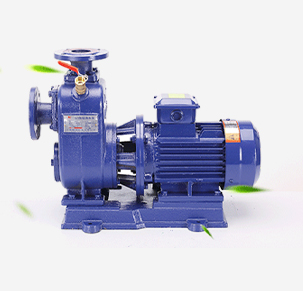
Performance evaluation of abrasive slurry pumps centers on several key engineering aspects. Hydraulic design, specifically the impeller geometry and volute casing shape, dictates the pump’s flow rate, head (pressure), and efficiency. Impeller designs vary (radial, axial, mixed flow) depending on the slurry characteristics and application requirements. Force analysis is critical, assessing stresses induced by fluid pressure, particle impact, and impeller imbalance. Cavitation, a destructive phenomenon caused by pressure drops within the pump, is a significant concern with abrasive slurries and must be avoided through proper net positive suction head (NPSH) calculation and pump sizing. Environmental resistance is also vital; pumps operating in corrosive environments require materials compatible with the slurry’s chemical composition. Compliance with industry standards, such as those pertaining to motor enclosures (e.g., ingress protection – IP ratings) and electrical safety, is mandatory. Furthermore, pump selection and system integration must account for pipeline friction losses, slurry density, and the presence of entrained gases. The pump’s power consumption and overall energy efficiency are increasingly important considerations, driving the adoption of variable frequency drives (VFDs) for optimized operation.
Technical Specifications
| Parameter | Unit | Typical Value (Range) | Notes |
|---|---|---|---|
| Flow Rate | m³/h | 50 – 5000 | Dependent on impeller diameter and speed. |
| Discharge Head | m | 10 – 100 | Influenced by impeller design and slurry density. |
| Maximum Solids Concentration | % by weight | Up to 70 | Varies based on pump design and slurry characteristics. |
| Maximum Particle Size | mm | Up to 200 | Determines impeller clearance and pump selection. |
| Pump Material (Impeller/Volute) | - | High-Chrome Cast Iron / High-Chrome Cast Iron | Alternatives include ceramics and rubber linings. |
| Shaft Material | - | Alloy Steel (e.g., 4140) | Requires high tensile strength and fatigue resistance. |
Failure Mode & Maintenance
Abrasive slurry pumps are susceptible to several failure modes. Erosion is the most common, particularly affecting the impeller, volute casing, and discharge nozzle. The rate of erosion is influenced by particle size, shape, velocity, and slurry composition. Corrosion, especially in acidic or alkaline slurries, can accelerate material degradation. Mechanical failures, such as bearing failure and shaft breakage, can occur due to excessive loads or improper lubrication. Fatigue cracking can develop in components subjected to cyclic stress. Delamination of rubber linings can occur due to adhesive failure. Oxidation, particularly at elevated temperatures, can compromise material integrity. Preventative maintenance is crucial. This includes regular inspections for wear, lubrication of bearings, tightening of bolts, and monitoring of pump performance parameters (flow rate, pressure, power consumption). Impeller replacement and casing repair are common maintenance activities. Proper slurry preparation (screening, desanding) can minimize abrasive wear. Vibration analysis can detect early signs of mechanical problems. A robust maintenance program, coupled with appropriate materials selection, is essential for maximizing pump uptime and minimizing life-cycle costs.
Industry FAQ
Q: What is the impact of slurry velocity on pump wear rates?
A: Higher slurry velocities directly correlate with increased abrasive wear. The kinetic energy of the particles increases exponentially with velocity, leading to greater erosion of pump components. Maintaining optimal slurry velocity – balancing flow rate with minimizing erosion – is crucial. This often involves careful selection of pump speed and impeller design.
Q: How does the chemical composition of the slurry affect material selection?
A: The chemical composition dictates the required corrosion resistance. Acidic slurries necessitate materials like stainless steel or specialized alloys resistant to acid attack. Alkaline slurries demand materials resistant to caustic corrosion. Understanding the slurry’s pH and chemical constituents is fundamental to choosing the appropriate materials for the pump’s wetted parts.
Q: What are the benefits of using a variable frequency drive (VFD) with an abrasive slurry pump?
A: VFDs allow for precise control of pump speed, enabling optimization of flow rate and energy consumption. By reducing pump speed during periods of low demand, VFDs can significantly decrease abrasive wear and extend pump life. They also provide soft starting, reducing stress on the pump and motor.
Q: What is the significance of Net Positive Suction Head (NPSH) in abrasive slurry pumping?
A: Maintaining adequate NPSH is critical to prevent cavitation. Abrasive slurries are particularly susceptible to cavitation due to the potential for particle accumulation and pressure drops. Insufficient NPSH can lead to impeller damage and reduced pump performance. Proper pump installation and system design are essential to ensure adequate NPSH availability.
Q: How often should impeller and casing be replaced in a typical abrasive slurry application?
A: The replacement frequency depends heavily on the slurry’s abrasiveness, flow rate, and pump operating conditions. In highly abrasive applications, impeller and casing replacement may be required every 6-12 months. Regular inspections and wear monitoring can help predict replacement intervals and prevent catastrophic failures.
Conclusion
Abrasive slurry pumps are complex systems demanding careful consideration of material science, hydraulic design, and operational parameters. Their performance is intrinsically linked to the properties of the slurries they handle, making proper selection and maintenance paramount. Ignoring these factors leads to premature failure, increased operational costs, and reduced process efficiency.
Future advancements in abrasive slurry pump technology will likely focus on the development of more wear-resistant materials, improved impeller designs for enhanced hydraulic efficiency, and the integration of intelligent monitoring systems for predictive maintenance. Continued research into novel coatings and surface treatments promises to further extend pump life and reduce total cost of ownership.
-
Comprehensive Guide to Waterproof ORings for Optimal Sealing Solutions
News2026-06-09
-
Septic Pump System Performance Analysis
News2026-06-08
-
pump for septic Material Science
News2026-06-08
-
basement sewer pump Performance Analysis
News2026-06-08
-
submerged pump Performance Engineering
News2026-06-08
-
Septic System Pumps Performance Analysis
News2026-06-08
-
septic system pump Material Science and Manufacturing
News2026-06-07
-
pump for septic tank Material Science Manufacturing
News2026-06-07
-
submersible sewage pump Material Science
News2026-06-07
-
Sewage Ejector Material Science and Manufacturing
News2026-06-07
-
Ejection Pump Material Science
News2026-06-07
-
pump submersible Performance Analysis
News2026-06-06
-
ejector pumps Performance Engineering
News2026-06-06
-
basement ejector pump Material Science Manufacturing
News2026-06-06
-
Septic Tanks Pumping Performance Analysis
News2026-06-06




