English
- Afrikaans
- Albanian
- Amharic
- Arabic
- Armenian
- Azerbaijani
- Basque
- Belarusian
- Bengali
- Bosnian
- Bulgarian
- Catalan
- Cebuano
- Corsican
- Croatian
- Czech
- Danish
- Dutch
- English
- Esperanto
- Estonian
- Finnish
- French
- Frisian
- Galician
- Georgian
- German
- Greek
- Gujarati
- Haitian Creole
- hausa
- hawaiian
- Hebrew
- Hindi
- Miao
- Hungarian
- Icelandic
- igbo
- Indonesian
- irish
- Italian
- Japanese
- Javanese
- Kannada
- kazakh
- Khmer
- Rwandese
- Korean
- Kurdish
- Kyrgyz
- Lao
- Latin
- Latvian
- Lithuanian
- Luxembourgish
- Macedonian
- Malgashi
- Malay
- Malayalam
- Maltese
- Maori
- Marathi
- Mongolian
- Myanmar
- Nepali
- Norwegian
- Norwegian
- Occitan
- Pashto
- Persian
- Polish
- Portuguese
- Punjabi
- Romanian
- Russian
- Samoan
- Scottish Gaelic
- Serbian
- Sesotho
- Shona
- Sindhi
- Sinhala
- Slovak
- Slovenian
- Somali
- Spanish
- Sundanese
- Swahili
- Swedish
- Tagalog
- Tajik
- Tamil
- Tatar
- Telugu
- Thai
- Turkish
- Turkmen
- Ukrainian
- Urdu
- Uighur
- Uzbek
- Vietnamese
- Welsh
- Bantu
- Yiddish
- Yoruba
- Zulu

Telephone: +86 13120555503
Email: frank@cypump.com


Apr . 01, 2024 17:55 Back to list
4 inch slurry pump Material Science
Introduction
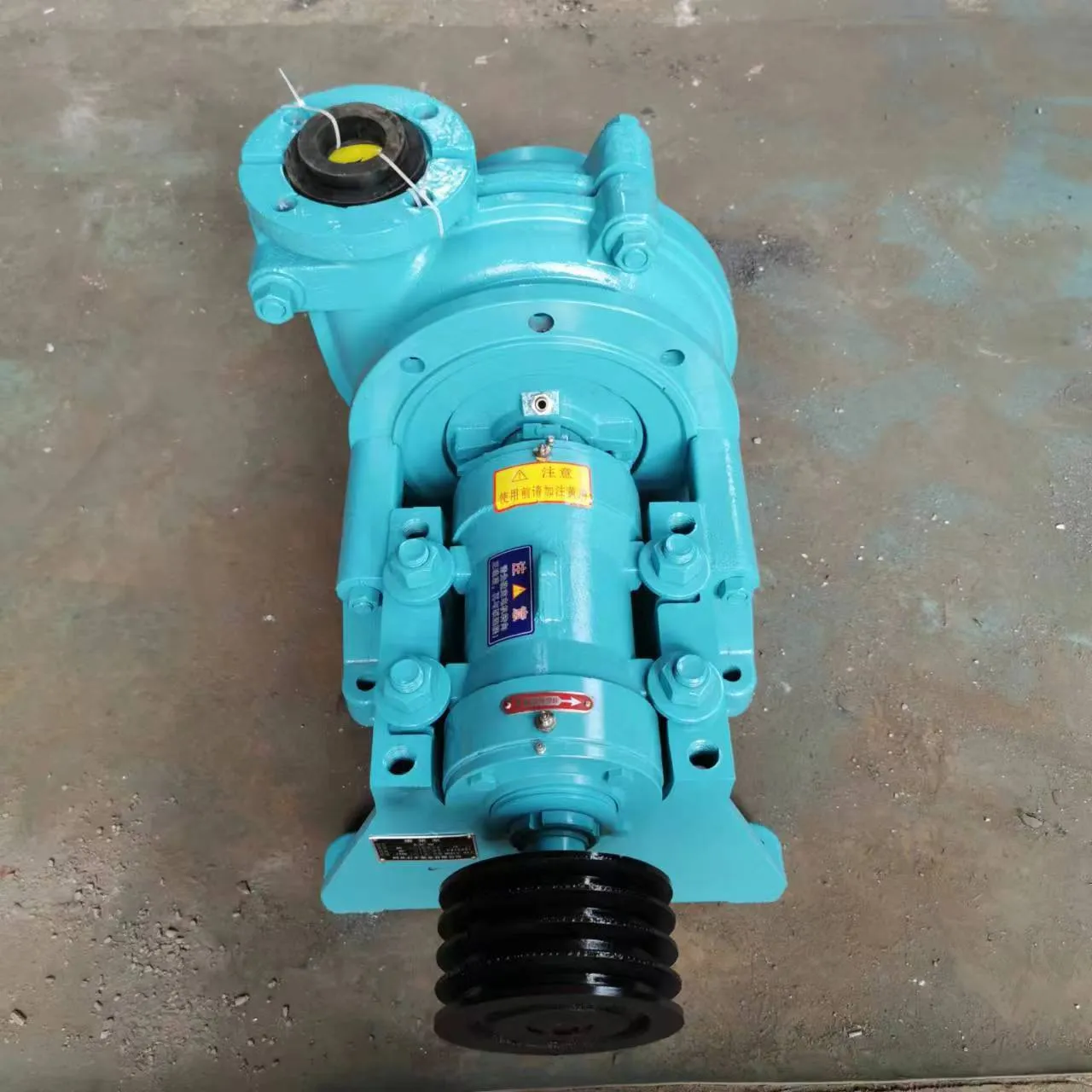
The 4 inch slurry pump is a centrifugal pump specifically designed for the transportation of abrasive, erosive, and corrosive slurries. It occupies a critical position within the mineral processing, wastewater treatment, dredging, and chemical industries, serving as a key component in material handling systems. Unlike standard centrifugal pumps, slurry pumps incorporate robust design features to withstand the impact of solids entrained within the fluid, maintaining operational efficiency and longevity. Core performance characteristics include flow rate (typically ranging from 50 to 250 GPM), head (up to 150 feet), and the ability to handle solids concentrations up to 70% by weight, depending on the pump configuration and impeller design. The demand for reliable and efficient slurry pumps is driven by the increasing need for resource extraction, environmental remediation, and waste management, necessitating continuous advancements in materials science and pump engineering.
Material Science & Manufacturing
The construction of a 4 inch slurry pump prioritizes material resistance to abrasion and corrosion. Pump casings are commonly manufactured from high-chrome iron alloys (typically containing 26-30% chromium), offering exceptional wear resistance against hard particles. Impellers are also frequently constructed from similar high-chrome alloys, or alternatively, utilize specialized materials like ceramic or tungsten carbide for highly abrasive applications. Shafts are generally forged from alloy steel (e.g., 4140 or 4340) and undergo heat treatment to enhance tensile strength and fatigue resistance. Seals are vital, and materials like Viton, EPDM, or PTFE are used depending on the chemical compatibility requirements of the slurry. The manufacturing process typically involves sand casting for the casing and impeller, followed by precision machining to achieve tight tolerances and smooth surface finishes. Welding is employed for joining various components, using processes like shielded metal arc welding (SMAW) or gas tungsten arc welding (GTAW), with strict adherence to welding procedures to ensure joint integrity. Critical parameters during manufacturing include the hardness of the casting, dimensional accuracy of the impeller vanes, and the quality of the weld joints. Regular non-destructive testing (NDT), such as radiographic inspection and ultrasonic testing, is employed to detect flaws and ensure structural soundness.
Performance & Engineering
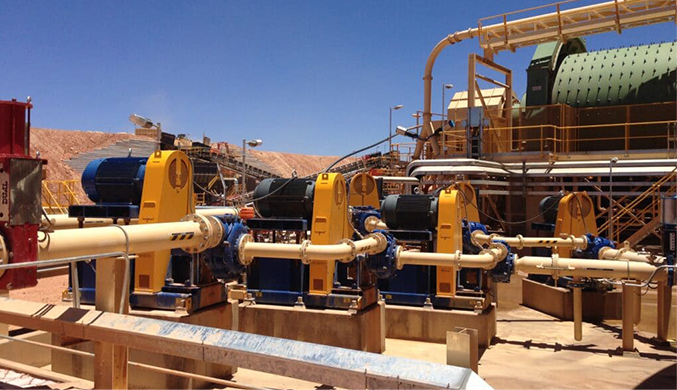
The performance of a 4 inch slurry pump is governed by fundamental principles of fluid dynamics and mechanical engineering. Force analysis focuses on hydraulic forces exerted by the slurry on the impeller, casing, and volute, as well as mechanical forces arising from shaft rotation and bearing loads. Cavitation is a significant concern, particularly with slurries containing gases or operating at high suction lifts. Pump design incorporates features like optimized impeller geometry and inducer vanes to mitigate cavitation risk. Environmental resistance is crucial; pumps operating in corrosive environments require specialized coatings (e.g., epoxy or rubber linings) to protect against chemical attack. The pump’s performance curve (head-capacity curve) is a critical engineering parameter, defining the relationship between flow rate and discharge pressure. Compliance requirements vary by region and application. In the mining industry, pumps must adhere to safety standards outlined by organizations like MSHA (Mine Safety and Health Administration). Wastewater treatment applications often require compliance with EPA regulations regarding pump efficiency and discharge limits. The impeller design significantly impacts pump performance. Closed impellers are suitable for lower solids concentrations and higher efficiencies, while open or semi-open impellers are better suited for handling high solids concentrations, albeit with reduced efficiency. Proper pump selection necessitates careful consideration of the slurry's specific gravity, viscosity, particle size distribution, and chemical composition.
Technical Specifications
| Parameter | Unit | Typical Value (Range) | Material |
|---|---|---|---|
| Discharge Size | inch | 4 | Cast Iron/High Chrome Iron |
| Maximum Flow Rate | GPM | 50-250 | N/A |
| Maximum Head | ft | Up to 150 | N/A |
| Maximum Solids Handling | inch | Up to 2 | N/A |
| Slurry Concentration (Max) | % by weight | Up to 70 | N/A |
| Pump Type | N/A | Centrifugal, Horizontal | N/A |
Failure Mode & Maintenance
4 inch slurry pumps are susceptible to various failure modes under harsh operating conditions. Fatigue cracking in the impeller or casing can occur due to cyclic loading and the impact of abrasive particles. Erosion of the impeller vanes and casing walls is a common issue, especially when handling highly abrasive slurries. Wear of the shaft sleeves and bearings leads to increased clearances and reduced pump efficiency. Seal failure results in leakage and potential contamination of the pumped fluid. Corrosion can damage pump components exposed to corrosive slurries. Delamination of protective coatings can occur due to poor adhesion or improper application. Oxidation of metallic components can also contribute to degradation. Proactive maintenance is essential to mitigate these failures. Regular inspection of the impeller, casing, and seals is crucial. Preventive maintenance includes lubrication of bearings, replacement of worn seals, and repair or replacement of eroded components. Periodic monitoring of pump vibration and temperature can detect early signs of impending failure. Proper slurry preparation (e.g., screening to remove large particles) can reduce abrasive wear. Implementing a scheduled maintenance program based on operating hours and slurry characteristics is highly recommended. Root cause analysis of failures is essential to identify and address underlying issues and prevent recurrence.
Industry FAQ
Q: What is the impact of slurry composition on pump selection?
A: Slurry composition (particle size, shape, specific gravity, concentration, and chemical properties) is paramount. Higher solids concentrations and larger particle sizes necessitate pumps with larger impeller clearances and more robust construction. Corrosive slurries require corrosion-resistant materials for all wetted parts. The abrasiveness of the slurry dictates the choice of wear-resistant alloys or coatings.
Q: How do I determine the appropriate pump size for my application?
A: Determining the appropriate pump size involves calculating the required flow rate and total dynamic head (TDH). Flow rate is based on the volume of slurry to be transported per unit time. TDH considers static head, friction losses in the piping system, and any pressure requirements at the discharge point. Always factor in a safety margin to account for variations in slurry properties and operating conditions.
Q: What are the key indicators of impeller wear?
A: Key indicators of impeller wear include a decrease in pump efficiency, reduced flow rate at a given head, increased power consumption, and excessive vibration. Visual inspection of the impeller during maintenance reveals wear patterns and the extent of material loss.
Q: What are the benefits of using a high-chrome iron alloy in slurry pump construction?
A: High-chrome iron alloys provide exceptional resistance to abrasive wear due to the formation of hard chromium carbides on the surface. This significantly extends the lifespan of the impeller and casing, reducing maintenance costs and downtime. They are a cost-effective solution for handling highly abrasive slurries.
Q: What is the role of the pump’s seal in preventing failures?
A: The pump’s seal prevents leakage of the slurry and ingress of contaminants. Proper seal selection (material compatibility with the slurry) and installation are critical. Regular inspection and replacement of seals are essential maintenance tasks to prevent failures and maintain pump efficiency.
Conclusion
The 4 inch slurry pump represents a critical technology in industries handling abrasive and corrosive materials. Its performance and longevity are directly dependent on material selection, meticulous manufacturing processes, and diligent maintenance practices. Understanding the failure modes inherent in slurry pump operation, such as erosion, corrosion, and fatigue, is paramount for ensuring reliable and cost-effective operation.
Future advancements in slurry pump technology will likely focus on developing even more wear-resistant materials, optimizing impeller designs to enhance efficiency and reduce cavitation, and incorporating advanced monitoring systems for predictive maintenance. Continued refinement of pump control systems and integration with process automation will further improve the overall performance and reliability of these essential industrial components.
-
Comprehensive Guide to Waterproof ORings for Optimal Sealing Solutions
News2026-06-09
-
Septic Pump System Performance Analysis
News2026-06-08
-
pump for septic Material Science
News2026-06-08
-
basement sewer pump Performance Analysis
News2026-06-08
-
submerged pump Performance Engineering
News2026-06-08
-
Septic System Pumps Performance Analysis
News2026-06-08
-
septic system pump Material Science and Manufacturing
News2026-06-07
-
pump for septic tank Material Science Manufacturing
News2026-06-07
-
submersible sewage pump Material Science
News2026-06-07
-
Sewage Ejector Material Science and Manufacturing
News2026-06-07
-
Ejection Pump Material Science
News2026-06-07
-
pump submersible Performance Analysis
News2026-06-06
-
ejector pumps Performance Engineering
News2026-06-06
-
basement ejector pump Material Science Manufacturing
News2026-06-06
-
Septic Tanks Pumping Performance Analysis
News2026-06-06




