English
- Afrikaans
- Albanian
- Amharic
- Arabic
- Armenian
- Azerbaijani
- Basque
- Belarusian
- Bengali
- Bosnian
- Bulgarian
- Catalan
- Cebuano
- Corsican
- Croatian
- Czech
- Danish
- Dutch
- English
- Esperanto
- Estonian
- Finnish
- French
- Frisian
- Galician
- Georgian
- German
- Greek
- Gujarati
- Haitian Creole
- hausa
- hawaiian
- Hebrew
- Hindi
- Miao
- Hungarian
- Icelandic
- igbo
- Indonesian
- irish
- Italian
- Japanese
- Javanese
- Kannada
- kazakh
- Khmer
- Rwandese
- Korean
- Kurdish
- Kyrgyz
- Lao
- Latin
- Latvian
- Lithuanian
- Luxembourgish
- Macedonian
- Malgashi
- Malay
- Malayalam
- Maltese
- Maori
- Marathi
- Mongolian
- Myanmar
- Nepali
- Norwegian
- Norwegian
- Occitan
- Pashto
- Persian
- Polish
- Portuguese
- Punjabi
- Romanian
- Russian
- Samoan
- Scottish Gaelic
- Serbian
- Sesotho
- Shona
- Sindhi
- Sinhala
- Slovak
- Slovenian
- Somali
- Spanish
- Sundanese
- Swahili
- Swedish
- Tagalog
- Tajik
- Tamil
- Tatar
- Telugu
- Thai
- Turkish
- Turkmen
- Ukrainian
- Urdu
- Uighur
- Uzbek
- Vietnamese
- Welsh
- Bantu
- Yiddish
- Yoruba
- Zulu

Telephone: +86 13120555503
Email: frank@cypump.com


Apr . 01, 2024 17:55 Back to list
3 inch slurry pump Material Science
Introduction
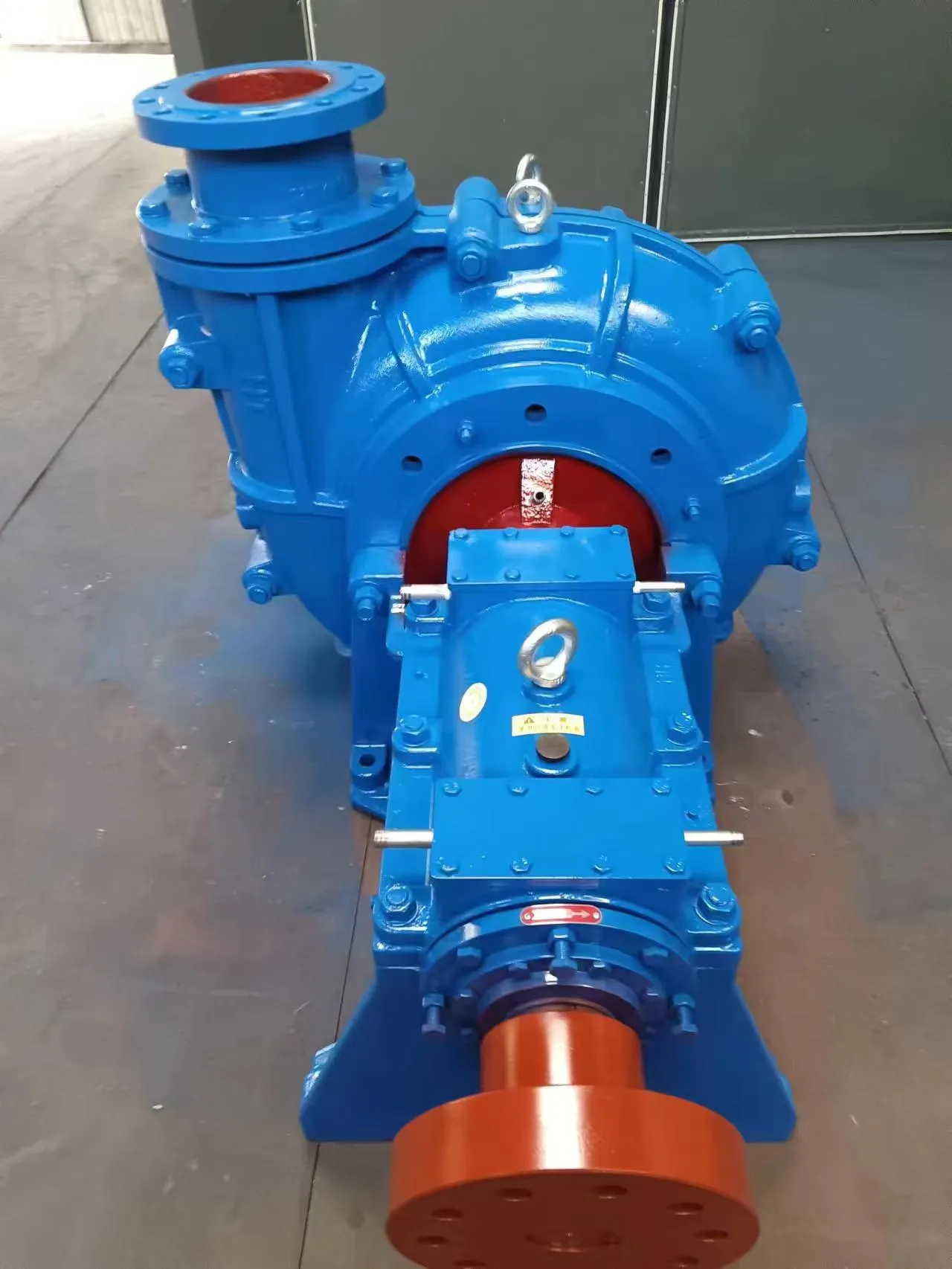
The 3 inch slurry pump is a centrifugal pump specifically designed for handling abrasive, erosive, and corrosive slurries. Its position within the industrial chain is crucial for applications in mining, wastewater treatment, chemical processing, and dredging. Unlike standard centrifugal pumps, slurry pumps are engineered with hardened materials and optimized hydraulic designs to minimize wear and maintain efficiency when transporting fluids containing solid particles. Core performance characteristics are defined by flow rate (typically measured in gallons per minute or cubic meters per hour), head (the height to which the pump can lift the slurry, measured in feet or meters), and solids handling capacity (the maximum diameter and concentration of solids the pump can effectively handle without clogging or excessive wear). A key industry pain point revolves around balancing pump longevity with operational costs – frequent failures due to abrasive wear significantly impact productivity and profitability. Selecting the correct pump materials, impeller design, and sealing systems are therefore paramount.
Material Science & Manufacturing
The primary materials for a 3 inch slurry pump are dictated by the slurry’s composition and the operating environment. Pump casings are commonly constructed from high-chrome iron alloys (typically 26-28% chromium) due to their exceptional abrasion resistance. This material forms a hard carbide layer during operation, enhancing durability. Impellers are often manufactured from similar high-chrome irons or, in highly corrosive environments, duplex stainless steels (e.g., 2205, 2507) or ceramic materials like alumina. Shaft materials generally comprise alloy steels (e.g., 4140, 4340) with heat treatment to achieve high tensile strength and torsional rigidity. Sealing systems utilize materials like Viton, EPDM, or PTFE based on chemical compatibility. Manufacturing processes involve several key steps: casting the casing and impeller, machining to precise tolerances, heat treating for desired hardness, and assembling with appropriate seals and bearings. Welding is employed for joining certain components, requiring skilled welders and adherence to standards like AWS D1.1. Parameter control during casting is critical to avoid porosity and ensure structural integrity. Impeller balancing is also vital to minimize vibration and extend bearing life. The selection of elastomeric lining for the casing (rubber, polyurethane) requires careful consideration of temperature and chemical resistance.
Performance & Engineering
The performance of a 3 inch slurry pump is governed by fundamental hydraulic principles and mechanical engineering considerations. Force analysis focuses on the impeller’s radial and axial loads, influenced by slurry density, flow velocity, and impeller geometry. Cavitation, a significant concern, occurs when the absolute pressure within the pump drops below the vapor pressure of the slurry, forming vapor bubbles that collapse and cause localized damage. Pump design mitigates cavitation through optimized impeller inlet geometry and sufficient Net Positive Suction Head Required (NPSHr). Environmental resistance is crucial; pumps operating outdoors require corrosion-resistant coatings and materials to withstand weather exposure. Compliance requirements vary based on the application, including adherence to API 610 (centrifugal pumps) and specific industry standards for wastewater or hazardous materials handling. The pump's hydraulic efficiency is affected by the internal clearances between the impeller and casing – excessive clearance reduces efficiency but is sometimes necessary to accommodate larger solids. Selecting the correct pump curve (head vs. flow rate) for a specific application is critical for optimal performance and minimizing energy consumption. Mechanical seals are often double seals with a barrier fluid to prevent slurry ingress and prolong seal life. Proper piping design, including minimizing bends and ensuring adequate suction lift, is essential for stable pump operation.
Technical Specifications
| Parameter | Unit | Typical Value (Range) | Tolerance |
|---|---|---|---|
| Discharge Size | inches | 3 | ±0.1 |
| Maximum Flow Rate | GPM | 150-300 | ±5% |
| Maximum Head | ft | 80-150 | ±10% |
| Maximum Solids Handling | inches | 1.5 - 2 | - |
| Pump Speed | RPM | 1750-3500 | ±25 |
| Motor Power | HP | 5-15 | ±5% |
Failure Mode & Maintenance
Common failure modes for 3 inch slurry pumps include impeller wear, casing erosion, seal failure, bearing failure, and shaft breakage. Impeller wear occurs due to the impact of abrasive particles, leading to reduced performance and increased vibration. Casing erosion is similar, affecting the pump’s efficiency and potentially causing leaks. Seal failures are often caused by abrasive particles damaging the seal faces or chemical incompatibility leading to degradation of the seal material. Bearing failure results from excessive load, inadequate lubrication, or contamination. Shaft breakage can occur due to fatigue cracking induced by torsional stress or corrosion. Preventative maintenance is critical. Regular inspection of the impeller and casing for wear is essential, along with monitoring bearing temperatures and lubrication levels. Seal flushing systems should be maintained to prevent clogging. Periodic vibration analysis can detect early signs of bearing or impeller imbalance. Replacement of worn parts should be scheduled proactively to avoid catastrophic failures. Using appropriate slurry filters upstream of the pump can reduce the abrasive particle load. Proper alignment of the pump and motor is vital to prevent bearing stress. Routine visual inspections for leaks and unusual noises are also recommended. Consider implementing a predictive maintenance program based on runtime hours and historical failure data.
Industry FAQ
Q: What is the best material for a 3 inch slurry pump handling highly abrasive silica sand?
A: For highly abrasive silica sand, a high-chrome iron alloy (26-28% Cr) for the impeller and casing is generally the most cost-effective solution. The formation of chromium carbides provides excellent wear resistance. However, consider a ceramic or tungsten carbide coating for the impeller if the abrasion is exceptionally severe, despite the higher initial cost.
Q: How do I determine the correct NPSHr for my application?
A: The NPSHr is provided by the pump manufacturer on the pump curve. You must ensure your Net Positive Suction Head Available (NPSHa) – calculated based on your system’s suction lift, atmospheric pressure, slurry temperature, and vapor pressure – is significantly higher than the NPSHr (typically by at least 3 feet or 1 meter) to prevent cavitation.
Q: What are the advantages of using a double mechanical seal?
A: Double mechanical seals provide a higher level of protection against leakage, especially when handling hazardous or abrasive slurries. The barrier fluid between the seals lubricates the seal faces and flushes away abrasive particles, significantly extending seal life. They also allow for monitoring of seal integrity.
Q: My pump is vibrating excessively. What are the likely causes?
A: Excessive vibration can be caused by impeller imbalance, bearing wear, misalignment between the pump and motor, cavitation, or internal recirculation. Perform a vibration analysis to pinpoint the source of the vibration. Check impeller balance, bearing condition, alignment, and NPSHa. Internal recirculation may indicate operating outside of the pump's best efficiency point.
Q: What maintenance intervals are recommended for a 3 inch slurry pump operating 24/7?
A: For continuous operation, a preventative maintenance schedule should include daily visual inspections for leaks and unusual noises, weekly checks of bearing temperatures and lubrication levels, monthly vibration analysis, and semi-annual impeller and casing inspections. Seal flushing systems should be checked weekly. Replace worn parts proactively based on inspection findings.
Conclusion
The 3 inch slurry pump remains a critical component in numerous industrial processes demanding robust fluid handling capabilities. Selection of appropriate materials, meticulous manufacturing, and diligent maintenance are all vital to ensuring longevity and minimizing downtime. Understanding the interplay between hydraulic performance, mechanical stresses, and slurry characteristics is crucial for optimizing pump operation and avoiding premature failure.
Future trends in slurry pump technology focus on advanced materials (e.g., ceramic composites, specialized polymers), improved impeller designs for enhanced efficiency and solids handling, and the integration of smart sensors for predictive maintenance and remote monitoring. These advancements aim to reduce lifecycle costs, increase reliability, and improve overall process efficiency within demanding industrial environments.
-
Comprehensive Guide to Waterproof ORings for Optimal Sealing Solutions
News2026-06-09
-
Septic Pump System Performance Analysis
News2026-06-08
-
pump for septic Material Science
News2026-06-08
-
basement sewer pump Performance Analysis
News2026-06-08
-
submerged pump Performance Engineering
News2026-06-08
-
Septic System Pumps Performance Analysis
News2026-06-08
-
septic system pump Material Science and Manufacturing
News2026-06-07
-
pump for septic tank Material Science Manufacturing
News2026-06-07
-
submersible sewage pump Material Science
News2026-06-07
-
Sewage Ejector Material Science and Manufacturing
News2026-06-07
-
Ejection Pump Material Science
News2026-06-07
-
pump submersible Performance Analysis
News2026-06-06
-
ejector pumps Performance Engineering
News2026-06-06
-
basement ejector pump Material Science Manufacturing
News2026-06-06
-
Septic Tanks Pumping Performance Analysis
News2026-06-06




