English
- Afrikaans
- Albanian
- Amharic
- Arabic
- Armenian
- Azerbaijani
- Basque
- Belarusian
- Bengali
- Bosnian
- Bulgarian
- Catalan
- Cebuano
- Corsican
- Croatian
- Czech
- Danish
- Dutch
- English
- Esperanto
- Estonian
- Finnish
- French
- Frisian
- Galician
- Georgian
- German
- Greek
- Gujarati
- Haitian Creole
- hausa
- hawaiian
- Hebrew
- Hindi
- Miao
- Hungarian
- Icelandic
- igbo
- Indonesian
- irish
- Italian
- Japanese
- Javanese
- Kannada
- kazakh
- Khmer
- Rwandese
- Korean
- Kurdish
- Kyrgyz
- Lao
- Latin
- Latvian
- Lithuanian
- Luxembourgish
- Macedonian
- Malgashi
- Malay
- Malayalam
- Maltese
- Maori
- Marathi
- Mongolian
- Myanmar
- Nepali
- Norwegian
- Norwegian
- Occitan
- Pashto
- Persian
- Polish
- Portuguese
- Punjabi
- Romanian
- Russian
- Samoan
- Scottish Gaelic
- Serbian
- Sesotho
- Shona
- Sindhi
- Sinhala
- Slovak
- Slovenian
- Somali
- Spanish
- Sundanese
- Swahili
- Swedish
- Tagalog
- Tajik
- Tamil
- Tatar
- Telugu
- Thai
- Turkish
- Turkmen
- Ukrainian
- Urdu
- Uighur
- Uzbek
- Vietnamese
- Welsh
- Bantu
- Yiddish
- Yoruba
- Zulu

Telephone: +86 13120555503
Email: frank@cypump.com


Apr . 01, 2024 17:55 Back to list
2 inch slurry pump Performance Analysis
Introduction
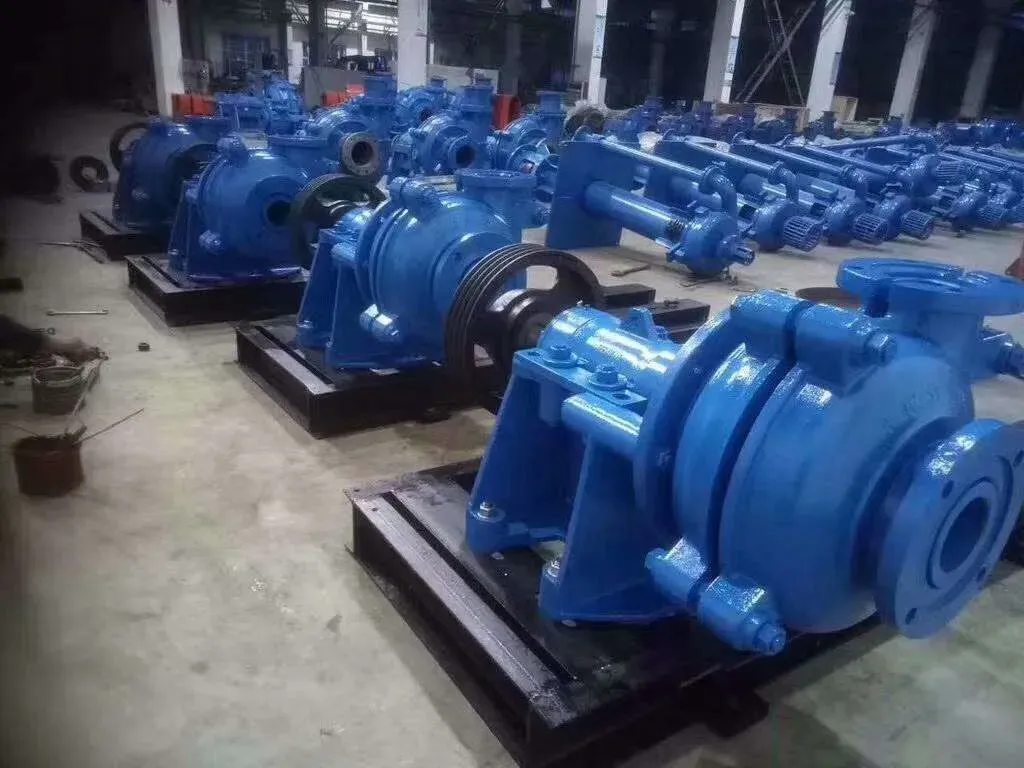
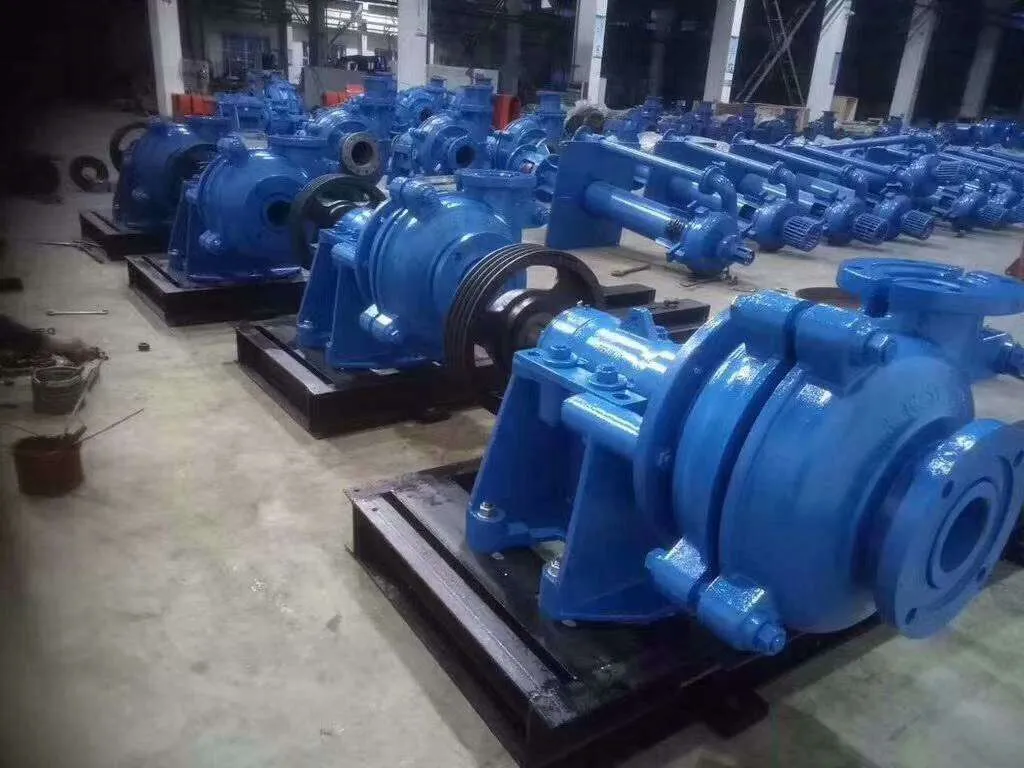
The 2-inch slurry pump is a centrifugal pump designed for the transport of abrasive, corrosive, and high-solids content fluids. Its primary application lies within the mining, dredging, wastewater treatment, and industrial sand processing industries. Positioned as a critical component in material handling systems, the 2-inch designation refers to the pump’s discharge port diameter, dictating its flow rate and solids handling capacity. Core performance characteristics include flow rate (typically ranging from 50 to 200 GPM), head pressure (up to 80 feet), and maximum solids passage size (typically up to 2 inches). A significant industry pain point is pump wear due to abrasive particles, leading to frequent maintenance and downtime. Therefore, material selection and impeller design are paramount to longevity and operational efficiency. This guide provides an in-depth analysis of the 2-inch slurry pump, covering material science, manufacturing processes, performance parameters, failure modes, and relevant industry standards.
Material Science & Manufacturing
The construction of a 2-inch slurry pump relies heavily on materials resistant to abrasion and corrosion. Common materials include high-chrome cast iron (for impeller and casing – offering excellent abrasion resistance), ductile iron (for casing, providing good strength and shock resistance), and rubber lining (for casing and impeller, ideal for highly corrosive slurries). The impeller is typically manufactured through sand casting followed by heat treatment to achieve desired hardness. The casing undergoes similar casting processes, potentially with subsequent machining to ensure dimensional accuracy and smooth internal surfaces to minimize friction. Shaft materials usually consist of alloy steels, requiring precise machining and balancing to prevent vibration. Seals often employ mechanical seals utilizing ceramic or tungsten carbide faces paired with elastomers like Viton or EPDM, selected for chemical compatibility with the pumped fluid. Manufacturing parameter control is crucial. For example, chrome content in high-chrome iron must be carefully monitored (typically 13-30%) to maximize abrasion resistance. Casting temperature and cooling rates significantly impact the microstructure and therefore the material properties. Welding procedures, if employed, must be strictly controlled to prevent stress concentrations and corrosion initiation. Rubber lining adhesion requires meticulous surface preparation and bonding processes.
Performance & Engineering
Performance analysis of a 2-inch slurry pump centers around hydraulic efficiency, wear resistance, and overall reliability. Force analysis involves evaluating stresses on the impeller, casing, and shaft under varying flow rates and pressures. Impeller geometry (blade angle, width, and number) significantly impacts hydraulic performance and solids handling capability. Computational Fluid Dynamics (CFD) is routinely employed to optimize impeller design for maximum efficiency and minimal turbulence. Environmental resistance is a critical consideration. Pumps operating in outdoor environments must be protected from weather elements and temperature fluctuations. Materials must be selected to withstand the expected temperature range and potential for corrosion from atmospheric exposure. Compliance requirements depend on the application and geographical location. For example, pumps used in the mining industry must comply with relevant safety standards (e.g., MSHA in the US). Functional implementation includes proper pump selection based on slurry characteristics (solids concentration, particle size, specific gravity), pipeline layout, and system head requirements. Cavitation is a primary concern; proper Net Positive Suction Head Available (NPSHA) calculations are vital to prevent impeller damage.
Technical Specifications
| Parameter | Unit | Typical Value (Range) | Testing Standard |
|---|---|---|---|
| Flow Rate | GPM (Gallons per Minute) | 50-200 | ANSI/ASME B73.1 |
| Head | ft (Feet) | 20-80 | ISO 9906 |
| Maximum Solids Size | inch | 2 | Manufacturer Specification |
| Pump Speed | RPM (Revolutions per Minute) | 800-2900 | IEEE 800 |
| Power | HP (Horsepower) | 5-20 | NEMA MG 1 |
| Casing Material | - | High-Chrome Cast Iron, Ductile Iron, Rubber Lined | ASTM A532, ASTM A48 |
Failure Mode & Maintenance
Common failure modes for 2-inch slurry pumps include impeller wear, casing erosion, seal failure, and bearing failure. Impeller wear is primarily caused by abrasive particles impacting the impeller blades, leading to material loss and reduced pump performance. Casing erosion occurs similarly, especially in areas with high flow velocity. Seal failure often results from abrasive particles damaging the seal faces or chemical attack degrading the seal elastomers. Bearing failure can be attributed to inadequate lubrication, misalignment, or excessive load. Failure analysis techniques such as visual inspection, metallographic examination, and hardness testing are employed to determine the root cause of failures. Preventative maintenance is crucial. Regular inspection of impeller and casing for wear, periodic seal replacement, and proper lubrication of bearings are essential. Monitoring vibration levels can indicate bearing wear or impeller imbalance. Implementing a robust filtration system upstream of the pump minimizes abrasive particle ingress, extending component life. For rubber-lined pumps, periodic inspection for lining degradation is vital. In cases of severe wear, component replacement is often the most cost-effective solution.
Industry FAQ
Q: What is the impact of slurry solids concentration on pump selection?
A: Higher solids concentration significantly increases abrasive wear and can reduce pump efficiency. Pumps designed for higher solids content typically feature larger impeller clearances and more wear-resistant materials. Selecting a pump with an appropriate solids handling capability is critical to prevent premature failure.
Q: How does temperature affect the performance of rubber-lined slurry pumps?
A: Elevated temperatures can degrade rubber liners, reducing their chemical resistance and mechanical strength. It's essential to select a rubber compound formulated for the expected operating temperature and to avoid exceeding the liner's temperature limit.
Q: What maintenance procedures are recommended for mechanical seals?
A: Regular inspection of the seal faces for wear or damage is crucial. Proper lubrication and cooling are also essential. Flush plans should be verified for proper operation. Seal replacement should be performed according to the manufacturer's recommendations.
Q: How can cavitation be prevented in a slurry pump?
A: Ensuring adequate NPSHA is the primary method for preventing cavitation. This involves optimizing suction piping design, minimizing suction lift, and controlling slurry temperature. Monitoring pump performance for signs of cavitation (noise, vibration) is also important.
Q: What are the advantages of using a high-chrome cast iron impeller?
A: High-chrome cast iron impellers offer excellent abrasion resistance, making them ideal for handling abrasive slurries. This significantly extends impeller life and reduces maintenance costs compared to impellers made from other materials.
Conclusion
The 2-inch slurry pump is a robust and versatile machine vital for numerous industrial processes involving abrasive and corrosive fluids. Proper material selection, meticulous manufacturing practices, and a thorough understanding of performance parameters are critical for optimizing pump life and minimizing downtime. Addressing the inherent challenges of abrasive wear through preventative maintenance and appropriate component selection remains paramount.
Future developments in slurry pump technology will likely focus on advanced materials (e.g., ceramics, superalloys) to further enhance wear resistance, improved impeller designs to maximize hydraulic efficiency, and the integration of smart sensors for predictive maintenance. Understanding these advancements will be essential for maintaining operational efficiency and reducing the total cost of ownership.
-
Comprehensive Guide to Waterproof ORings for Optimal Sealing Solutions
News2026-06-09
-
Septic Pump System Performance Analysis
News2026-06-08
-
pump for septic Material Science
News2026-06-08
-
basement sewer pump Performance Analysis
News2026-06-08
-
submerged pump Performance Engineering
News2026-06-08
-
Septic System Pumps Performance Analysis
News2026-06-08
-
septic system pump Material Science and Manufacturing
News2026-06-07
-
pump for septic tank Material Science Manufacturing
News2026-06-07
-
submersible sewage pump Material Science
News2026-06-07
-
Sewage Ejector Material Science and Manufacturing
News2026-06-07
-
Ejection Pump Material Science
News2026-06-07
-
pump submersible Performance Analysis
News2026-06-06
-
ejector pumps Performance Engineering
News2026-06-06
-
basement ejector pump Material Science Manufacturing
News2026-06-06
-
Septic Tanks Pumping Performance Analysis
News2026-06-06




