English
- Afrikaans
- Albanian
- Amharic
- Arabic
- Armenian
- Azerbaijani
- Basque
- Belarusian
- Bengali
- Bosnian
- Bulgarian
- Catalan
- Cebuano
- Corsican
- Croatian
- Czech
- Danish
- Dutch
- English
- Esperanto
- Estonian
- Finnish
- French
- Frisian
- Galician
- Georgian
- German
- Greek
- Gujarati
- Haitian Creole
- hausa
- hawaiian
- Hebrew
- Hindi
- Miao
- Hungarian
- Icelandic
- igbo
- Indonesian
- irish
- Italian
- Japanese
- Javanese
- Kannada
- kazakh
- Khmer
- Rwandese
- Korean
- Kurdish
- Kyrgyz
- Lao
- Latin
- Latvian
- Lithuanian
- Luxembourgish
- Macedonian
- Malgashi
- Malay
- Malayalam
- Maltese
- Maori
- Marathi
- Mongolian
- Myanmar
- Nepali
- Norwegian
- Norwegian
- Occitan
- Pashto
- Persian
- Polish
- Portuguese
- Punjabi
- Romanian
- Russian
- Samoan
- Scottish Gaelic
- Serbian
- Sesotho
- Shona
- Sindhi
- Sinhala
- Slovak
- Slovenian
- Somali
- Spanish
- Sundanese
- Swahili
- Swedish
- Tagalog
- Tajik
- Tamil
- Tatar
- Telugu
- Thai
- Turkish
- Turkmen
- Ukrainian
- Urdu
- Uighur
- Uzbek
- Vietnamese
- Welsh
- Bantu
- Yiddish
- Yoruba
- Zulu

Telephone: +86 13120555503
Email: frank@cypump.com


Apr . 01, 2024 17:55 Back to list
1 inch clear water pump Performance Analysis

Introduction
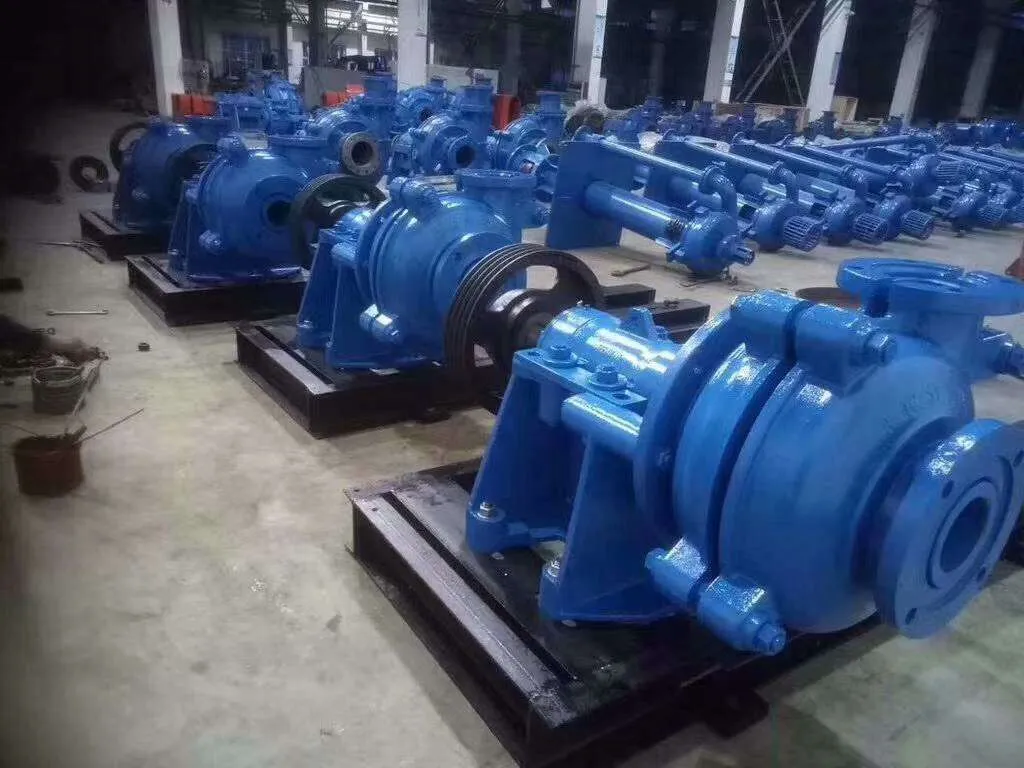
The 1 inch clear water pump represents a ubiquitous yet critical component in numerous industrial and agricultural applications requiring the transfer of non-corrosive liquids. Positioned within the fluid handling sector, these pumps are integral to irrigation systems, water circulation, drainage, and low-pressure transfer processes. Typically centrifugal in design, their core performance characteristics – flow rate, head, and power consumption – are dictated by impeller geometry, motor specification, and overall system resistance. A key distinction is their suitability for visually monitoring fluid flow due to the transparent housing, aiding in rapid identification of particulate matter or operational anomalies. The industry’s current pain point revolves around achieving consistent performance under varying inlet conditions, minimizing energy loss, and extending operational lifespan in demanding environments. This guide provides an in-depth technical analysis of 1 inch clear water pumps, covering material science, manufacturing processes, performance parameters, failure modes, and relevant industry standards.
Material Science & Manufacturing
The primary materials constituting a 1 inch clear water pump are typically polypropylene (PP) or polyvinyl chloride (PVC) for the pump housing, stainless steel (304 or 316) or cast iron for the impeller and shaft, and a copper winding motor encased in steel. PP and PVC are chosen for their chemical resistance to water and many common fluids, low cost, and ease of thermoforming. Stainless steel provides superior corrosion resistance and mechanical strength for components subjected to higher stress. Manufacturing begins with the housing, produced via injection molding. Critical parameters during this process include melt temperature (typically 230-260°C for PP, 180-220°C for PVC), injection pressure (60-100 MPa), and cooling rate to minimize warping and ensure dimensional accuracy. Impeller fabrication utilizes either investment casting (for stainless steel) or sand casting (for cast iron). Precision is crucial to balance the impeller, minimizing vibration. Shafts are typically machined from bar stock stainless steel, requiring tight tolerance control for concentricity. Motor assembly involves winding copper coils, impregnating them with resin for insulation and structural integrity, and encasing them within a steel housing. Quality control focuses on hydrostatic testing of the housing, dynamic balancing of the impeller, and electrical performance testing of the motor. The chemical compatibility of the housing material with the intended fluid is a critical consideration; prolonged exposure to incompatible chemicals can lead to degradation and failure. Furthermore, the polymer’s glass transition temperature (Tg) dictates its upper operating temperature limit.
Performance & Engineering
The performance of a 1 inch clear water pump is governed by fundamental principles of fluid dynamics. The pump's head (expressed in meters or feet) represents the maximum height to which the pump can lift the fluid; it’s inversely proportional to the flow rate (expressed in liters per minute or gallons per minute). This relationship is defined by the pump's characteristic curve. Power consumption is a critical engineering parameter, influenced by motor efficiency and fluid viscosity. Force analysis focuses on centrifugal forces acting on the impeller, requiring careful design to prevent fatigue failure. Environmental resistance is paramount; pumps operating outdoors must withstand UV exposure, temperature fluctuations, and potential rain/snow ingress. Compliance requirements often include CE marking (European conformity), UL listing (Underwriters Laboratories – North America), and potentially ATEX certification for use in potentially explosive atmospheres. The pump's Net Positive Suction Head Required (NPSHr) is a crucial parameter to avoid cavitation. Cavitation occurs when the absolute pressure at the pump inlet falls below the vapor pressure of the fluid, leading to vapor bubble formation and subsequent implosion, causing erosion and performance degradation. Proper pipe sizing and minimizing inlet restrictions are essential to ensure sufficient NPSHa (Net Positive Suction Head Available). Furthermore, the material’s resistance to abrasion is crucial when pumping fluids containing particulate matter. Selection of an appropriate shaft seal (mechanical seal or lip seal) is critical to prevent leakage and maintain pump efficiency.
Technical Specifications
| Parameter | Unit | Typical Value | Tolerance |
|---|---|---|---|
| Flow Rate | L/min | 60 | ±10% |
| Head | m | 30 | ±5% |
| Power | W | 600 | ±5% |
| Voltage | V | 220-240 | ±3% |
| Inlet/Outlet Diameter | mm | 25 | ±0.5 |
| Maximum Fluid Temperature | °C | 60 | - |
Failure Mode & Maintenance
Common failure modes for 1 inch clear water pumps include impeller cracking (due to fatigue or cavitation), seal failure (leading to leakage), motor burnout (overload or voltage fluctuations), and housing cracking (due to thermal stress or impact). Failure analysis reveals that impeller cracking often initiates at stress concentration points, such as the base of the blades. Seal failure typically results from abrasive particles damaging the sealing surfaces or chemical incompatibility degrading the seal material. Motor burnout is frequently caused by overheating due to insufficient ventilation or blocked cooling fins. Housing cracking can occur due to freezing temperatures or mechanical impact. Preventative maintenance is crucial. This includes regular inspection of the impeller for cracks, replacement of seals at scheduled intervals (typically annually), monitoring motor temperature, and ensuring adequate ventilation. Lubrication of bearings is essential to reduce friction and wear. Periodic cleaning of the pump housing and impeller removes debris and maintains optimal performance. Water quality should be monitored; pumping abrasive fluids accelerates wear and tear. In the event of pump failure, a thorough root cause analysis should be conducted to prevent recurrence. Non-destructive testing methods, such as dye penetrant inspection, can identify cracks that are not visible to the naked eye.
Industry FAQ
Q: What is the impact of fluid viscosity on pump performance?
A: Increased fluid viscosity reduces flow rate and increases power consumption. The pump's characteristic curve shifts downwards, meaning that for the same head, the flow rate will be lower. The increased viscous drag requires more energy to overcome, leading to higher power demands. A pump selected for water may not perform adequately with a significantly more viscous fluid.
Q: How does cavitation affect the lifespan of a clear water pump?
A: Cavitation causes significant erosion of the impeller and pump housing due to the implosion of vapor bubbles. This erosion progressively weakens the components, leading to reduced performance and eventual failure. Repeated cavitation events create microscopic cracks that propagate over time, ultimately causing catastrophic damage.
Q: What are the best materials for a pump handling slightly abrasive fluids?
A: For slightly abrasive fluids, stainless steel (316) impellers and housings made from reinforced polymers (e.g., PP with glass fiber) offer improved resistance to wear. Hardened alloys are beneficial but increase cost. Regular inspection and replacement of worn components are still necessary.
Q: What is the role of the motor's IP rating in pump selection?
A: The IP (Ingress Protection) rating indicates the level of protection the motor provides against solid objects and water. A higher IP rating (e.g., IP55 or IP65) is crucial for pumps operating in outdoor or wet environments to prevent motor failure due to moisture ingress and dust accumulation.
Q: How important is proper grounding of the pump?
A: Proper grounding is essential for safety and to prevent electrical shock hazards. It also helps protect the motor from voltage surges and reduces electromagnetic interference (EMI). Incorrect or absent grounding can lead to motor malfunction or even fire.
Conclusion
The 1 inch clear water pump, while seemingly simple in construction, is a sophisticated piece of engineering governed by principles of fluid dynamics and material science. Optimal performance and longevity are dependent on careful material selection, precise manufacturing processes, and adherence to relevant industry standards. Understanding the potential failure modes and implementing preventative maintenance strategies are critical for maximizing return on investment.
Future developments in this area are likely to focus on enhancing pump efficiency through improved impeller designs, optimizing motor control systems for variable speed operation, and developing more durable and chemically resistant materials. Further integration of sensor technologies for predictive maintenance, enabling early detection of potential failures, will also be a key trend. The demand for quieter operation and reduced energy consumption will continue to drive innovation in 1 inch clear water pump technology.
-
Precision at the Pump: How Better Machining Protects Flow and Uptime
News2026-11-20
-
Why Pump Reliability Begins Before the First Drop of Fluid
News2026-11-20
-
Beyond the Pump: Designing Safer Access Around Critical Water Infrastructure
News2026-11-20
-
Why Pumping Stations Depend on the Infrastructure Beneath the Pumps
News2026-11-20
-
Beyond the Pump Room: How Smarter Loading Protects Industrial Equipment
News2026-11-19
-
When Pumps Stop: Designing More Resilient Power for Critical Pumping Systems
News2026-11-19
-
The Hidden Role of Dust and Gas Monitoring in Reliable Pump Operations
News2026-11-19
-
The Hidden Role of Mineral Compounds in Extending Industrial Pump Lifespan
News2026-10-12
-
Why Pump System Reliability Depends on Precision Hose Assembly Methods
News2026-09-15
-
How Advanced Imaging Films Are Transforming Pump Component Quality Control
News2026-08-25
-
How Advanced Filtration Protects Pump Systems from Premature Wear and Costly Downtime
News2026-08-25
-
How Steel Material Selection Drives Pump Reliability in Heavy-Duty Systems
News2026-08-25
-
Ensuring Pump System Efficiency: The Role of High-Quality Pipe Fittings and Tubing
News2026-08-24
-
Optimizing Fluid Dynamics and Material Consistency in Industrial Processing
News2026-08-18
-
Innovations and Challenges in Hydraulic Systems for Heavy Machinery
News2026-08-13




