English
- Afrikaans
- Albanian
- Amharic
- Arabic
- Armenian
- Azerbaijani
- Basque
- Belarusian
- Bengali
- Bosnian
- Bulgarian
- Catalan
- Cebuano
- Corsican
- Croatian
- Czech
- Danish
- Dutch
- English
- Esperanto
- Estonian
- Finnish
- French
- Frisian
- Galician
- Georgian
- German
- Greek
- Gujarati
- Haitian Creole
- hausa
- hawaiian
- Hebrew
- Hindi
- Miao
- Hungarian
- Icelandic
- igbo
- Indonesian
- irish
- Italian
- Japanese
- Javanese
- Kannada
- kazakh
- Khmer
- Rwandese
- Korean
- Kurdish
- Kyrgyz
- Lao
- Latin
- Latvian
- Lithuanian
- Luxembourgish
- Macedonian
- Malgashi
- Malay
- Malayalam
- Maltese
- Maori
- Marathi
- Mongolian
- Myanmar
- Nepali
- Norwegian
- Norwegian
- Occitan
- Pashto
- Persian
- Polish
- Portuguese
- Punjabi
- Romanian
- Russian
- Samoan
- Scottish Gaelic
- Serbian
- Sesotho
- Shona
- Sindhi
- Sinhala
- Slovak
- Slovenian
- Somali
- Spanish
- Sundanese
- Swahili
- Swedish
- Tagalog
- Tajik
- Tamil
- Tatar
- Telugu
- Thai
- Turkish
- Turkmen
- Ukrainian
- Urdu
- Uighur
- Uzbek
- Vietnamese
- Welsh
- Bantu
- Yiddish
- Yoruba
- Zulu

Telephone: +86 13120555503
Email: frank@cypump.com


Apr . 01, 2024 17:55 Back to list
1 in 79cc gasoline engine clear water pump 35 gpm Performance Analysis
Introduction
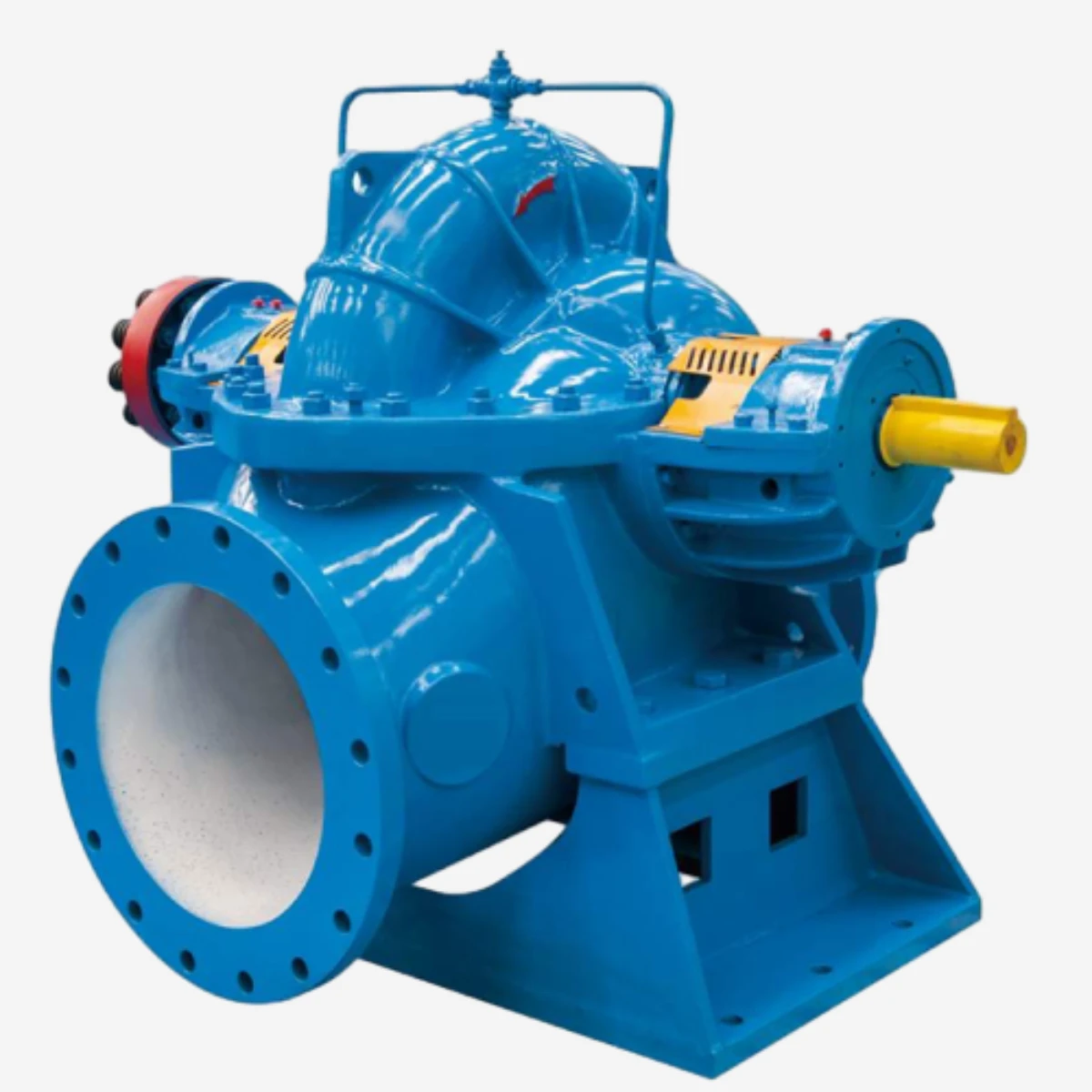
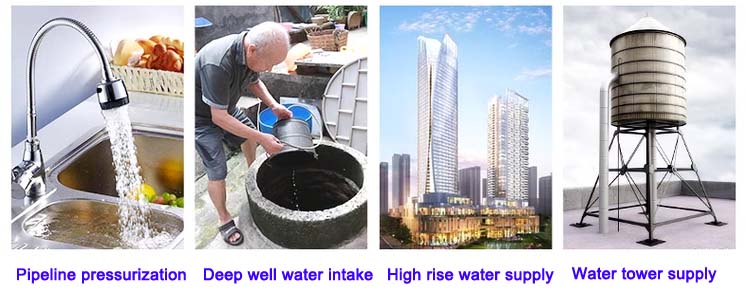
The 1 in 79cc gasoline engine clear water pump 35 gpm represents a widely utilized solution for fluid transfer in applications ranging from agricultural irrigation to construction site dewatering. Positioned within the broader fluid handling industry, this centrifugal pump delivers a flow rate of 35 gallons per minute (GPM) utilizing a single-cylinder, 79cc two-stroke gasoline engine as its prime mover. Core performance characteristics are defined by its pumping capacity, maximum head (vertical lift), and operational efficiency, critical parameters for reliable fluid management. A primary industry pain point addressed by this pump type is the need for portable, self-contained pumping solutions, eliminating reliance on electrical power sources in remote locations. The pump's robust construction and relatively simple design contribute to its durability and ease of maintenance, however, common concerns revolve around engine emissions, noise levels, and fuel consumption. Understanding these facets is crucial for effective deployment and lifecycle management.
Material Science & Manufacturing
The construction of the 1 in 79cc gasoline engine clear water pump 35 gpm involves a combination of materials chosen for their specific properties. The pump housing is typically manufactured from cast iron (ASTM A48 Class 30) or aluminum alloy (6061-T6) providing structural rigidity and corrosion resistance. The impeller, the rotating component responsible for fluid acceleration, is commonly produced from cast aluminum, polypropylene, or reinforced nylon due to their lightweight nature and ability to withstand centrifugal forces. Shaft material is frequently hardened steel (AISI 1045) to handle torsional stress. The engine block itself utilizes aluminum alloys for heat dissipation and weight reduction.
Manufacturing processes begin with casting or machining the pump housing and impeller. The engine components are manufactured through die-casting, machining, and stamping processes. Critical parameter control during impeller manufacturing focuses on achieving precise blade angles and surface finish to maximize hydraulic efficiency. Engine assembly requires tight tolerances for piston-cylinder clearance and valve timing to ensure optimal combustion. The pump and engine are then coupled, typically via a direct connection or a centrifugal clutch, and assembled with seals (nitrile rubber or Viton) and fasteners (Grade 8 bolts). Quality control includes hydrostatic testing of the pump housing to verify pressure integrity and engine dyno testing to confirm performance specifications. Post-assembly, a protective coating (epoxy paint) is applied to the housing to enhance corrosion resistance.
Performance & Engineering
Performance analysis of the 1 in 79cc gasoline engine clear water pump 35 gpm centers around its hydraulic power, overall efficiency, and reliability. Force analysis involves evaluating the centrifugal forces acting on the impeller, the hydraulic pressure within the pump housing, and the shear stresses on the shaft. The pump’s performance curve – illustrating flow rate versus head – is crucial for selecting the appropriate pump for specific applications. Environmental resistance is a key concern, particularly regarding exposure to UV radiation (causing polymer degradation in some components) and corrosive fluids.
Compliance requirements include adherence to EPA emission standards for small gasoline engines, and OSHA safety regulations for pump operation and maintenance. Functional implementation involves understanding the pump's Net Positive Suction Head Required (NPSHr) to prevent cavitation. Cavitation occurs when the absolute pressure at the pump inlet falls below the vapor pressure of the fluid, leading to vapor bubble formation and subsequent implosion, causing damage to the impeller. Proper priming of the pump is essential to remove air from the system and ensure optimal performance. Furthermore, consideration must be given to the effects of fluid viscosity and temperature on pump performance, as these factors influence the pump's efficiency and flow rate. The pump’s suction and discharge piping must be adequately sized to minimize friction losses and maintain desired flow rates.
Technical Specifications
| Parameter | Specification | Testing Standard | Tolerance |
|---|---|---|---|
| Engine Displacement | 79 cc | SAE J1940 | ± 2% |
| Maximum Flow Rate | 35 GPM (132 L/min) | ISO 9906:2012 | ± 5% |
| Maximum Head | 80 ft (24.4 m) | ISO 9906:2012 | ± 10% |
| Suction Lift | 16 ft (4.9 m) | Calculated per pump curve | Nominal |
| Inlet/Outlet Diameter | 1 inch (25.4 mm) | ANSI/ASME B1.20.1 | ± 0.1 mm |
| Fuel Tank Capacity | 0.8 gallons (3.0 liters) | ASTM D482 | ± 3% |
Failure Mode & Maintenance
Common failure modes for the 1 in 79cc gasoline engine clear water pump 35 gpm include impeller wear due to abrasive particles in the fluid, seal failure leading to leakage, engine overheating due to inadequate cooling, and carburetor malfunction causing fuel delivery issues. Fatigue cracking can occur in the pump housing or impeller under prolonged stress. Delamination of impeller blades can occur with certain polymer impellers. Oxidation of fuel lines and carburetor components can lead to performance degradation.
Preventative maintenance is crucial. This includes regular inspection of the impeller for wear, replacement of seals as needed, cleaning of the carburetor, and checking the engine oil level. Air filters should be cleaned or replaced regularly to ensure proper engine operation. Fuel lines should be inspected for cracks and leaks. Winterization procedures involve draining the pump of water to prevent freezing damage. If the pump experiences cavitation, the suction line should be checked for leaks or obstructions. For impeller replacement, ensure proper alignment and torque specifications are followed. Engine repairs should be performed by qualified technicians. Detailed maintenance schedules, including intervals for oil changes, spark plug replacement, and air filter cleaning, should be strictly adhered to.
Industry FAQ
Q: What is the typical lifespan of the engine before a major overhaul is required?
A: With proper maintenance, including regular oil changes and air filter replacements, the engine typically has a lifespan of 500-1000 operating hours before requiring a major overhaul, such as piston ring replacement or valve grinding. Lifespan is significantly reduced with improper maintenance or operation with contaminated fuel.
Q: How does fluid temperature affect the pump's performance?
A: Higher fluid temperatures generally reduce the pump's efficiency due to increased fluid viscosity and potential for cavitation. The pump is designed to operate optimally within a specific temperature range (typically 32°F to 120°F). Exceeding these limits can lead to reduced flow rates and increased wear.
Q: What type of fuel is recommended for optimal engine performance?
A: Unleaded gasoline with an octane rating of 87 or higher is recommended. The use of ethanol-blended fuels (E10) is generally acceptable, but higher ethanol concentrations (E85) may require carburetor adjustments. Avoid using fuels containing lead, as it can damage the engine components.
Q: What are the common causes of pump leakage, and how can they be addressed?
A: Common causes of leakage include worn or damaged seals, loose connections, and cracks in the pump housing. Seals should be inspected and replaced regularly. Connections should be tightened to the manufacturer's specifications. Cracks in the housing require repair or replacement of the entire pump.
Q: What safety precautions should be observed when operating this pump?
A: Always wear appropriate personal protective equipment (PPE), including safety glasses and gloves. Ensure the pump is properly grounded to prevent electrical shock. Never operate the pump in a confined space without adequate ventilation. Avoid contact with hot engine components. Follow all manufacturer's safety guidelines.
Conclusion
The 1 in 79cc gasoline engine clear water pump 35 gpm remains a versatile and cost-effective solution for a wide range of fluid transfer applications. Its inherent portability and self-contained operation make it particularly valuable in locations lacking access to electrical power. However, effective operation necessitates a thorough understanding of its performance characteristics, material limitations, and potential failure modes. Regular preventative maintenance, adherence to safety guidelines, and careful consideration of operating conditions are paramount to maximizing pump lifespan and ensuring reliable performance.
Future developments may focus on enhancing engine efficiency to reduce fuel consumption and emissions, incorporating noise reduction technologies, and utilizing more durable and corrosion-resistant materials for key components. Continued refinement of impeller designs and pump housing geometries will further optimize hydraulic performance and minimize energy losses. Ultimately, a holistic approach to design, manufacturing, and maintenance will ensure this pump continues to serve as a reliable workhorse for various industries.
-
Precision at the Pump: How Better Machining Protects Flow and Uptime
News2026-11-20
-
Why Pump Reliability Begins Before the First Drop of Fluid
News2026-11-20
-
Beyond the Pump: Designing Safer Access Around Critical Water Infrastructure
News2026-11-20
-
Why Pumping Stations Depend on the Infrastructure Beneath the Pumps
News2026-11-20
-
Beyond the Pump Room: How Smarter Loading Protects Industrial Equipment
News2026-11-19
-
When Pumps Stop: Designing More Resilient Power for Critical Pumping Systems
News2026-11-19
-
The Hidden Role of Dust and Gas Monitoring in Reliable Pump Operations
News2026-11-19
-
The Hidden Role of Mineral Compounds in Extending Industrial Pump Lifespan
News2026-10-12
-
Why Pump System Reliability Depends on Precision Hose Assembly Methods
News2026-09-15
-
How Advanced Imaging Films Are Transforming Pump Component Quality Control
News2026-08-25
-
How Advanced Filtration Protects Pump Systems from Premature Wear and Costly Downtime
News2026-08-25
-
How Steel Material Selection Drives Pump Reliability in Heavy-Duty Systems
News2026-08-25
-
Ensuring Pump System Efficiency: The Role of High-Quality Pipe Fittings and Tubing
News2026-08-24
-
Optimizing Fluid Dynamics and Material Consistency in Industrial Processing
News2026-08-18
-
Innovations and Challenges in Hydraulic Systems for Heavy Machinery
News2026-08-13




