English
- Afrikaans
- Albanian
- Amharic
- Arabic
- Armenian
- Azerbaijani
- Basque
- Belarusian
- Bengali
- Bosnian
- Bulgarian
- Catalan
- Cebuano
- Corsican
- Croatian
- Czech
- Danish
- Dutch
- English
- Esperanto
- Estonian
- Finnish
- French
- Frisian
- Galician
- Georgian
- German
- Greek
- Gujarati
- Haitian Creole
- hausa
- hawaiian
- Hebrew
- Hindi
- Miao
- Hungarian
- Icelandic
- igbo
- Indonesian
- irish
- Italian
- Japanese
- Javanese
- Kannada
- kazakh
- Khmer
- Rwandese
- Korean
- Kurdish
- Kyrgyz
- Lao
- Latin
- Latvian
- Lithuanian
- Luxembourgish
- Macedonian
- Malgashi
- Malay
- Malayalam
- Maltese
- Maori
- Marathi
- Mongolian
- Myanmar
- Nepali
- Norwegian
- Norwegian
- Occitan
- Pashto
- Persian
- Polish
- Portuguese
- Punjabi
- Romanian
- Russian
- Samoan
- Scottish Gaelic
- Serbian
- Sesotho
- Shona
- Sindhi
- Sinhala
- Slovak
- Slovenian
- Somali
- Spanish
- Sundanese
- Swahili
- Swedish
- Tagalog
- Tajik
- Tamil
- Tatar
- Telugu
- Thai
- Turkish
- Turkmen
- Ukrainian
- Urdu
- Uighur
- Uzbek
- Vietnamese
- Welsh
- Bantu
- Yiddish
- Yoruba
- Zulu

Telephone: +86 13120555503
Email: frank@cypump.com


Apr . 01, 2024 17:55 Back to list
1 hp water pump lifting capacity Performance Analysis
Introduction
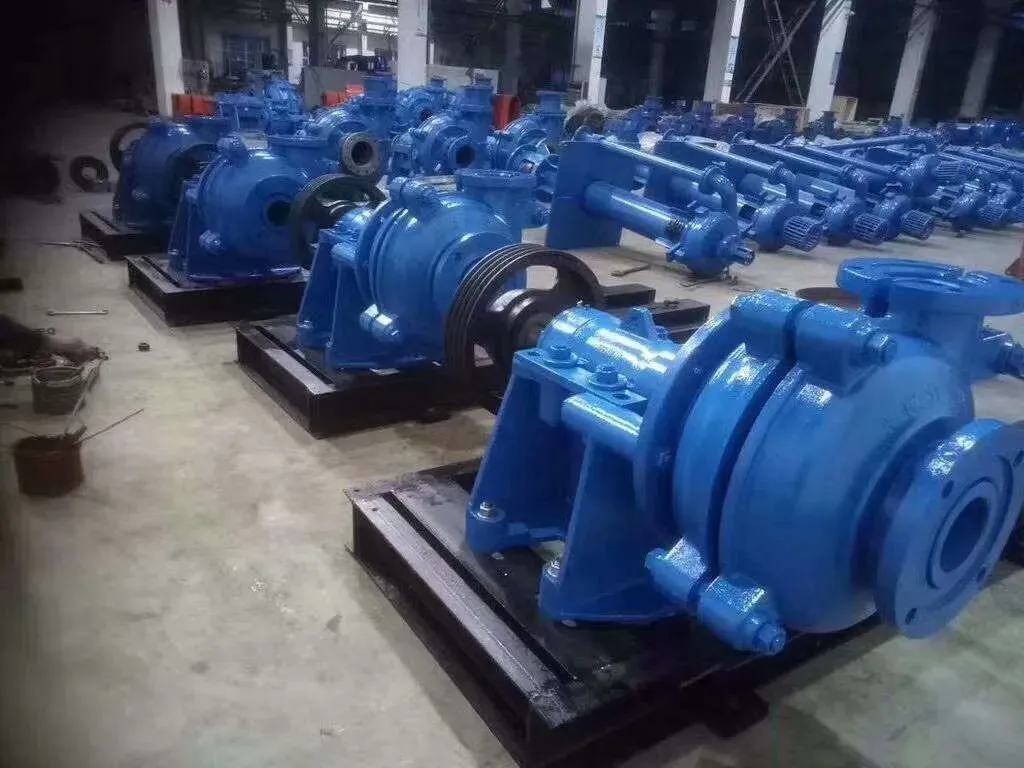
A 1 horsepower (hp) water pump, commonly utilized in residential, agricultural, and light industrial applications, presents a specific challenge regarding its lifting capacity. This capacity, often referred to as total dynamic head (TDH), is not simply a matter of vertical height the pump can move water. It is a composite measurement incorporating vertical lift (static head), friction losses within the piping system (friction head), and any pressure at the discharge point. The lifting capacity is therefore a complex engineering parameter, heavily reliant on pump design, impeller characteristics, fluid viscosity, pipe diameter, and pipe length. Understanding these factors is crucial for selecting the appropriate pump for a given application and ensuring efficient and reliable operation. The performance of a 1 hp pump is dictated by its specific speed, a dimensionless number relating flow rate, head, and impeller diameter, influencing its suitability for different applications - from shallow well extraction to boosting pressure in irrigation systems. Inefficiently matched systems lead to cavitation, reduced flow rates, and premature pump failure. This guide will dissect the material science, manufacturing processes, performance characteristics, potential failure modes, and essential maintenance procedures for 1 hp water pumps, offering a comprehensive technical overview.
Material Science & Manufacturing
The core components of a 1 hp water pump are subject to significant stress from fluid pressure, mechanical loads, and potential corrosion. Pump housings are commonly constructed from cast iron (ASTM A48 Class 30), known for its affordability, rigidity, and reasonable corrosion resistance. However, for more aggressive environments, stainless steel (specifically 304 or 316 stainless steel - ASTM A240) is preferred due to its superior resistance to chlorides and other corrosive agents. Impellers, the rotating components that impart energy to the fluid, are often made from cast iron, bronze (ASTM B584), or engineered polymers like Polypropylene (PP) or Polyvinyl Chloride (PVC) depending on the fluid being pumped and desired wear resistance. Shafts typically utilize carbon steel (AISI 1045) which is then hardened and tempered to withstand torsional stress. Mechanical seals, critical for preventing leakage, employ materials such as silicon carbide (SiC) and carbon-graphite for the sealing faces, with elastomers like Viton (fluoroelastomer) or EPDM (ethylene propylene diene monomer rubber) for the O-rings and springs. Manufacturing processes involve sand casting for housings and impellers, CNC machining for shafts and close-tolerance components, and injection molding for polymer parts. Crucially, the surface finish of the impeller directly impacts hydraulic efficiency. A smoother finish minimizes friction losses. Welding is employed for some housing assemblies, requiring strict adherence to AWS D1.1 structural welding code to ensure weld integrity and prevent cracking. Quality control during manufacturing includes non-destructive testing (NDT) methods like ultrasonic testing (UT) to detect internal flaws in castings and dye penetrant inspection (DPI) to identify surface cracks.
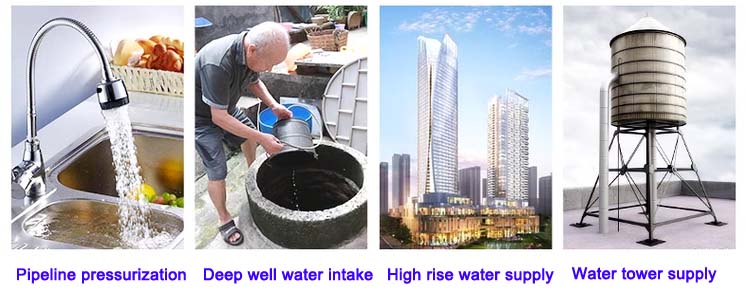
Performance & Engineering
The lifting capacity of a 1 hp water pump, expressed as TDH, is governed by Bernoulli’s principle and the pump affinity laws. TDH is calculated as: TDH = Static Head + Friction Head + Pressure Head. Static head is the vertical distance the water is lifted. Friction head accounts for energy losses due to friction within the pipes and fittings – it increases with pipe length, decreases with pipe diameter, and depends on the fluid’s viscosity. Pressure head represents any pressure required at the discharge point. The pump’s performance curve, provided by the manufacturer, illustrates the relationship between flow rate (gallons per minute or liters per minute) and TDH. Force analysis considers the hydraulic forces acting on the impeller, shaft, and housing. Excessive hydraulic forces can lead to bearing failure and shaft deflection. Cavitation, a critical failure mode, occurs when the absolute pressure at the pump inlet falls below the vapor pressure of the liquid, forming vapor bubbles that collapse and damage the impeller. Net Positive Suction Head Required (NPSHr), a pump-specific parameter, must be less than the Net Positive Suction Head Available (NPSHa) at the pump inlet to prevent cavitation. Compliance requirements include adherence to hydraulic institute standards (HI) for pump performance testing and reporting, and National Electrical Manufacturers Association (NEMA) standards for motor electrical characteristics. Environmental resistance is determined by the materials used; ensuring compatibility with the pumped fluid and surrounding atmospheric conditions is essential to avoid corrosion and degradation. Properly sized piping, check valves, and strainers are crucial for optimizing performance and preventing damage to the pump.
Technical Specifications
| Parameter | Typical Value (1 hp Pump) | Units | Testing Standard |
|---|---|---|---|
| Horsepower | 1 | hp | NEMA MG-1 |
| Voltage | 115/230 | V | UL 508A |
| Maximum Flow Rate | 30-60 | GPM (Gallons Per Minute) | HI 1.6 |
| Maximum Total Dynamic Head | 25-40 | ft | HI 1.6 |
| Suction Lift | Up to 25 | ft | Manufacturer's Specifications |
| Impeller Diameter | 4-6 | in | Manufacturer's Specifications |
Failure Mode & Maintenance
Common failure modes for 1 hp water pumps include impeller wear due to abrasive particles, seal failure leading to leakage, bearing failure due to overloading or lack of lubrication, motor winding burnout from overheating or voltage fluctuations, and corrosion of pump housing and components. Fatigue cracking can occur in the impeller or housing due to cyclic stress. Delamination of protective coatings on the impeller can reduce hydraulic efficiency. Oxidation and corrosion are prevalent in pumps handling water with high mineral content. Maintenance procedures involve regular inspection of the mechanical seal for wear or damage, lubrication of bearings according to manufacturer's recommendations (typically using lithium-based grease), cleaning of the impeller and pump housing to remove debris, checking for loose connections and corrosion, and monitoring motor current and voltage to prevent overheating. Periodic vibration analysis can identify bearing wear or misalignment. Preventative maintenance schedules should include flushing the pump and piping system to remove sediment and scale. If cavitation is observed, the suction piping should be inspected for obstructions or leaks, and the NPSHa should be recalculated. Replacing worn seals and bearings proactively can significantly extend the pump's lifespan. Regular monitoring of pump performance (flow rate and TDH) allows for early detection of degradation and timely intervention.
Industry FAQ
Q: What is the impact of pipe size on the lifting capacity of a 1 hp pump?
A: Smaller pipe diameters increase friction head, significantly reducing the effective lifting capacity (TDH). While a smaller pipe might be cheaper, the increased friction losses can counteract the pump's performance, potentially leading to insufficient flow at the desired height. Larger diameter pipes reduce friction losses but are more expensive. Proper pipe sizing is crucial and depends on the flow rate and length of the piping run. Using pipe friction loss charts (e.g., Hazen-Williams equation) is recommended.
Q: How do I determine if my pump is cavitating?
A: Cavitation manifests as a rattling or grinding noise within the pump, reduced flow rate, and potentially damage to the impeller. Visually, you might observe pitting or erosion on the impeller surface. Monitoring the suction pressure is the most reliable method; a pressure below the liquid's vapor pressure indicates cavitation. Increasing the suction lift or reducing flow rate can often mitigate cavitation.
Q: What type of material is best for a pump handling saltwater?
A: Saltwater is highly corrosive. For saltwater applications, 316 stainless steel is essential for the pump housing, impeller, and shaft. Consider using specialized coatings or alloys designed for marine environments. Regular flushing with fresh water can also help reduce corrosion.
Q: What is the significance of the pump's specific speed?
A: Specific speed (Ns) is a dimensionless parameter characterizing the pump’s impeller geometry and suitability for different applications. Lower specific speeds generally indicate radial flow pumps suited for high head, low flow applications. Higher specific speeds correspond to axial flow pumps optimal for low head, high flow applications. Selecting a pump with an appropriate specific speed for the intended application ensures efficient operation.
Q: How often should the mechanical seal be replaced?
A: The mechanical seal's lifespan depends on the pumped fluid, operating conditions, and seal quality. Generally, seals should be inspected annually and replaced every 1-3 years as a preventative measure. If leakage is observed, the seal should be replaced immediately to prevent further damage to the pump.
Conclusion
The lifting capacity of a 1 hp water pump is a multifaceted parameter influenced by a complex interplay of hydraulic principles, material properties, and manufacturing processes. Optimizing performance requires careful consideration of the total dynamic head, proper pipe sizing, and selection of materials compatible with the pumped fluid. Addressing potential failure modes through preventative maintenance—including regular seal inspections, bearing lubrication, and impeller cleaning—is critical for maximizing pump lifespan and minimizing downtime.
Future advancements in pump technology may focus on utilizing more durable and corrosion-resistant materials, optimizing impeller designs for increased efficiency, and incorporating smart sensors for real-time performance monitoring and predictive maintenance. A thorough understanding of the principles outlined in this guide empowers engineers and procurement managers to make informed decisions regarding pump selection, installation, and maintenance, ensuring reliable and cost-effective water transfer operations.
-
Precision at the Pump: How Better Machining Protects Flow and Uptime
News2026-11-20
-
Why Pump Reliability Begins Before the First Drop of Fluid
News2026-11-20
-
Beyond the Pump: Designing Safer Access Around Critical Water Infrastructure
News2026-11-20
-
Why Pumping Stations Depend on the Infrastructure Beneath the Pumps
News2026-11-20
-
Beyond the Pump Room: How Smarter Loading Protects Industrial Equipment
News2026-11-19
-
When Pumps Stop: Designing More Resilient Power for Critical Pumping Systems
News2026-11-19
-
The Hidden Role of Dust and Gas Monitoring in Reliable Pump Operations
News2026-11-19
-
The Hidden Role of Mineral Compounds in Extending Industrial Pump Lifespan
News2026-10-12
-
Why Pump System Reliability Depends on Precision Hose Assembly Methods
News2026-09-15
-
How Advanced Imaging Films Are Transforming Pump Component Quality Control
News2026-08-25
-
How Advanced Filtration Protects Pump Systems from Premature Wear and Costly Downtime
News2026-08-25
-
How Steel Material Selection Drives Pump Reliability in Heavy-Duty Systems
News2026-08-25
-
Ensuring Pump System Efficiency: The Role of High-Quality Pipe Fittings and Tubing
News2026-08-24
-
Optimizing Fluid Dynamics and Material Consistency in Industrial Processing
News2026-08-18
-
Innovations and Challenges in Hydraulic Systems for Heavy Machinery
News2026-08-13




