English
- Afrikaans
- Albanian
- Amharic
- Arabic
- Armenian
- Azerbaijani
- Basque
- Belarusian
- Bengali
- Bosnian
- Bulgarian
- Catalan
- Cebuano
- Corsican
- Croatian
- Czech
- Danish
- Dutch
- English
- Esperanto
- Estonian
- Finnish
- French
- Frisian
- Galician
- Georgian
- German
- Greek
- Gujarati
- Haitian Creole
- hausa
- hawaiian
- Hebrew
- Hindi
- Miao
- Hungarian
- Icelandic
- igbo
- Indonesian
- irish
- Italian
- Japanese
- Javanese
- Kannada
- kazakh
- Khmer
- Rwandese
- Korean
- Kurdish
- Kyrgyz
- Lao
- Latin
- Latvian
- Lithuanian
- Luxembourgish
- Macedonian
- Malgashi
- Malay
- Malayalam
- Maltese
- Maori
- Marathi
- Mongolian
- Myanmar
- Nepali
- Norwegian
- Norwegian
- Occitan
- Pashto
- Persian
- Polish
- Portuguese
- Punjabi
- Romanian
- Russian
- Samoan
- Scottish Gaelic
- Serbian
- Sesotho
- Shona
- Sindhi
- Sinhala
- Slovak
- Slovenian
- Somali
- Spanish
- Sundanese
- Swahili
- Swedish
- Tagalog
- Tajik
- Tamil
- Tatar
- Telugu
- Thai
- Turkish
- Turkmen
- Ukrainian
- Urdu
- Uighur
- Uzbek
- Vietnamese
- Welsh
- Bantu
- Yiddish
- Yoruba
- Zulu

Telephone: +86 13120555503
Email: frank@cypump.com


Apr . 01, 2024 17:55 Back to list
1 hp transfer pump Performance Engineering
Introduction
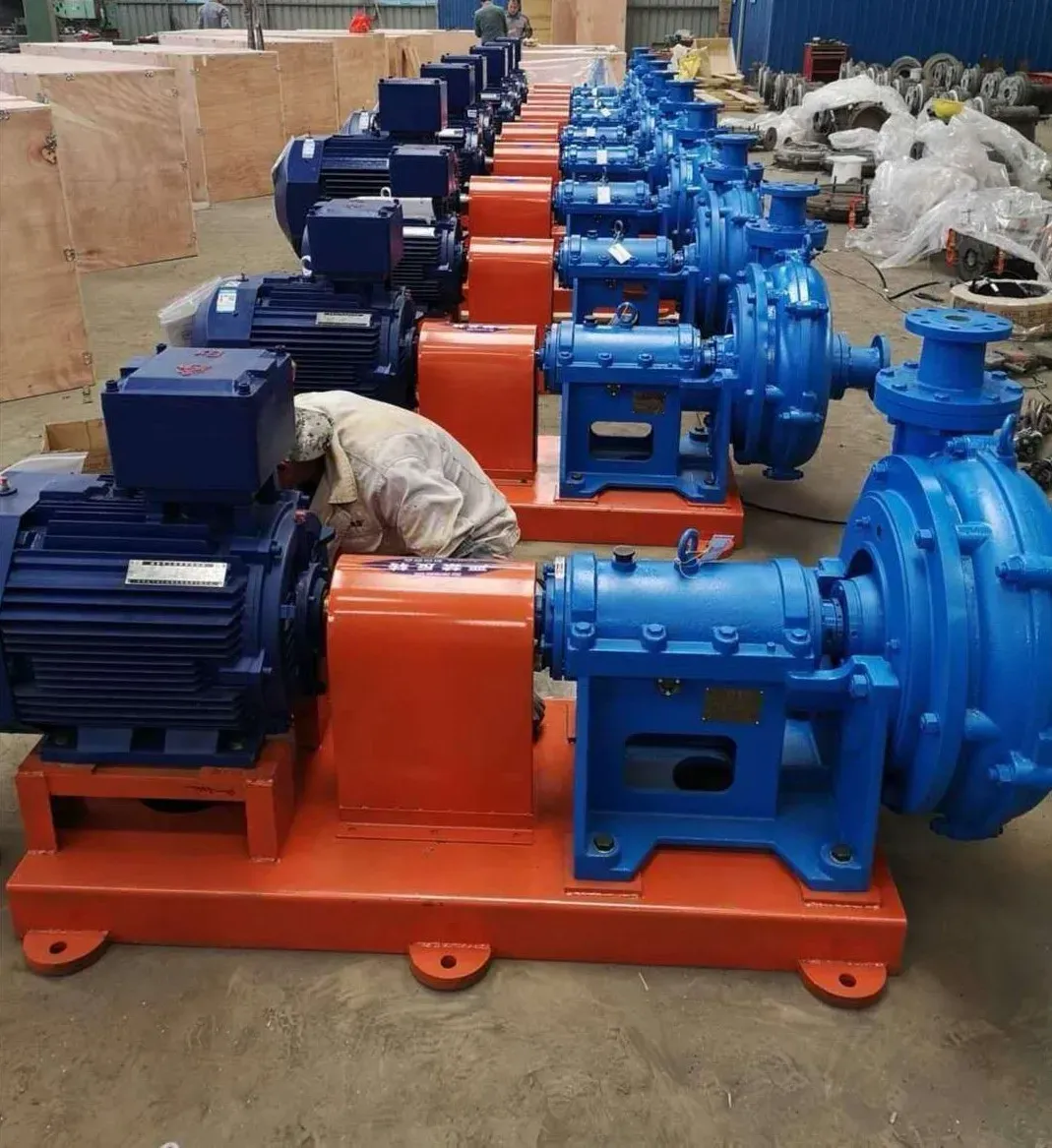
A 1 hp transfer pump is a centrifugal pump designed to move fluids – typically water, but potentially other liquids depending on material compatibility – from one location to another. Within the industrial chain, it occupies a critical position in fluid handling systems, found in applications ranging from agricultural irrigation and residential water boosting to industrial process cooling and wastewater management. These pumps are characterized by their relatively low power consumption (1 horsepower equating to approximately 746 watts), making them suitable for moderate flow rate requirements where high-pressure output isn’t paramount. Core performance characteristics include flow rate (gallons per minute or liters per minute), head (the maximum height the pump can lift the fluid), and efficiency (the ratio of hydraulic power output to electrical power input). A primary industry pain point revolves around pump selection for specific fluid viscosities and solid content, as improper selection can lead to reduced performance, increased wear, and premature failure. Corrosion resistance is another significant concern, particularly in applications dealing with aggressive or contaminated fluids.
Material Science & Manufacturing
The construction of a 1 hp transfer pump typically involves several key materials. The pump housing (volute) is frequently manufactured from cast iron (ASTM A48 Class 30) due to its cost-effectiveness, machinability, and corrosion resistance. However, for corrosive fluid applications, materials like stainless steel (304 or 316 – ASTM A240) or engineered polymers (Polypropylene, PVC) are employed. The impeller, responsible for imparting kinetic energy to the fluid, is often made of cast iron, brass (ASTM B16), or polypropylene. Shaft materials commonly include carbon steel (AISI 1045) or stainless steel (304/316), selected based on anticipated torsional stress and corrosion exposure. Seals are critical for preventing leakage and commonly utilize elastomers like Nitrile (NBR), Viton (FKM), or EPDM, chosen for their chemical compatibility with the pumped fluid.
Manufacturing processes include sand casting for the housing and impeller (followed by machining for precision), injection molding for plastic components, and CNC machining for the shaft and other critical parts. Welding (SMAW or MIG/MAG – AWS D1.1) is utilized when assembling stainless steel components. A crucial parameter control during manufacturing is maintaining concentricity between the impeller and the shaft, minimizing vibration and ensuring optimal hydraulic performance. Surface finishing, such as powder coating (ASTM D3468) or epoxy painting, provides added corrosion protection. Quality control involves non-destructive testing (NDT) like ultrasonic testing (UT – ASTM E797) to detect internal flaws in castings and dimensional inspection using coordinate measuring machines (CMM – ASME Y14.5) to verify component tolerances.
Performance & Engineering
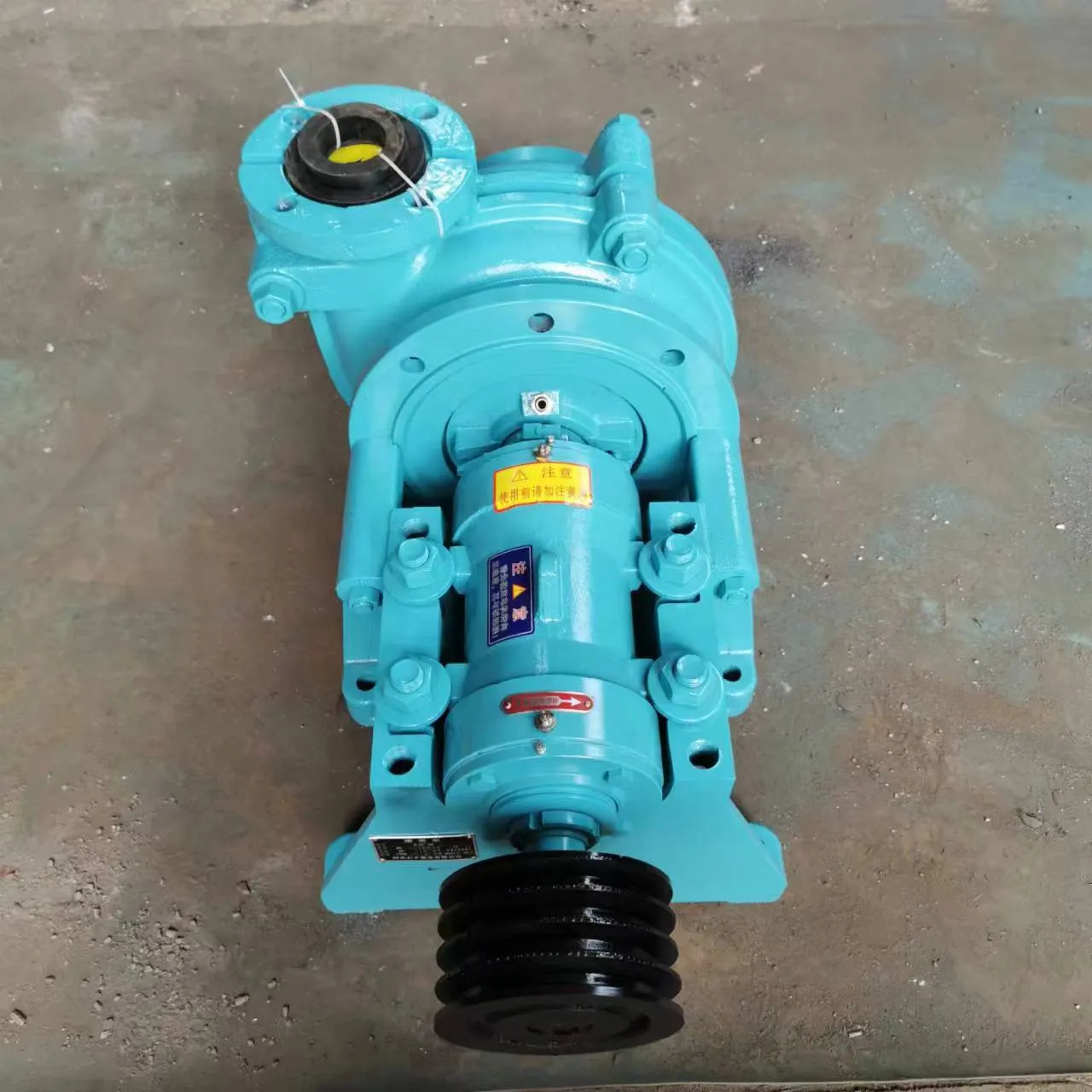
The performance of a 1 hp transfer pump is dictated by several engineering principles. Bernoulli’s principle governs the relationship between fluid velocity, pressure, and elevation. The pump’s design aims to maximize the conversion of electrical energy into hydraulic energy, minimizing energy losses due to friction within the pump casing and impeller. Force analysis considers the radial and axial forces acting on the impeller shaft, necessitating robust bearing selection (typically ball bearings or roller bearings – ISO 281) to prevent premature failure. Environmental resistance is a key consideration. Pumps operating outdoors require weatherproofing (IP55 or higher – IEC 60529) to protect against moisture and dust ingress. Compliance requirements include adherence to safety standards like UL 508A (Industrial Control Panels) and potentially explosion-proof certifications (ATEX or IECEx) for hazardous location applications. The Net Positive Suction Head Required (NPSHr) is a critical parameter; insufficient NPSH can lead to cavitation, damaging the impeller and reducing pump performance. Pump curve analysis (flow rate vs. head) is essential for selecting the appropriate pump for a given application.
Technical Specifications
| Parameter | Typical Value (Units) | Testing Standard | Acceptance Criteria |
|---|---|---|---|
| Power | 1 hp (746 W) | IEC 60335-1 | ± 5% |
| Flow Rate | 30-60 GPM (114-227 LPM) | ANSI/HI 1.1 | Within specified range |
| Head | 20-40 ft (6-12 m) | ANSI/HI 1.1 | Within specified range |
| Suction Lift | Up to 25 ft (7.6 m) | Manufacturer’s Data | Stable operation without cavitation |
| Operating Temperature | 32-140°F (0-60°C) | ASTM D698 | Fluid temperature within limits |
| Maximum Solid Size | 1/4 inch (6.35 mm) | Manufacturer’s Data | No clogging or damage to impeller |
Failure Mode & Maintenance
Common failure modes for 1 hp transfer pumps include impeller wear due to abrasive particles in the fluid, seal failure leading to leakage, bearing failure due to inadequate lubrication or excessive load, and motor winding failure due to overheating or voltage fluctuations. Fatigue cracking can occur in the pump housing or impeller under cyclic loading. Delamination of the coating on the pump housing can lead to corrosion. Oxidation of metallic components can occur over time, especially in humid environments. Cavitation, resulting from insufficient NPSH, erodes the impeller material.
Preventative maintenance is crucial. Regular inspection of seals and bearings is recommended. Lubrication should be performed according to the manufacturer's specifications (typically using lithium-based grease – NLGI Grade 2). Filter installation upstream of the pump protects the impeller from abrasive particles. Periodic voltage and current monitoring of the motor can detect potential winding issues. If leakage occurs, the seal should be replaced. If the pump is exhibiting excessive vibration, the impeller should be inspected for wear or imbalance. For corrosion protection, regular painting or coating maintenance is advised. Finally, proper winterization (draining the pump) is essential in cold climates to prevent freeze damage.
Industry FAQ
Q: What is the significance of the pump’s suction lift capability?
A: The suction lift capability dictates the vertical distance the pump can draw water from below its inlet. Exceeding this limit leads to cavitation, a phenomenon where vapor bubbles form and collapse, causing noise, vibration, and impeller damage. Proper NPSH calculation and pump placement are essential to avoid cavitation.
Q: How does fluid viscosity affect pump performance?
A: Increased fluid viscosity reduces pump flow rate and head. The pump may require a more powerful motor or a different impeller design to maintain the desired performance with viscous fluids. Pump curves typically assume water-like viscosity; corrections must be applied for other fluids.
Q: What are the benefits of using a stainless steel pump housing over cast iron?
A: Stainless steel offers significantly better corrosion resistance, making it suitable for handling aggressive or contaminated fluids. However, stainless steel is more expensive than cast iron and may have slightly lower abrasion resistance.
Q: What is the typical lifespan of a 1 hp transfer pump under normal operating conditions?
A: With proper maintenance, a 1 hp transfer pump can typically operate for 5-10 years. Lifespan is heavily dependent on the fluid being pumped, the operating environment, and the frequency of maintenance.
Q: What safety certifications should I look for when purchasing a transfer pump?
A: Depending on the application, look for UL listing, CE marking (for European markets), and potentially explosion-proof certifications (ATEX or IECEx) for hazardous environments. Adherence to IEC 60335-1 standards is also crucial for electrical safety.
Conclusion
The 1 hp transfer pump remains a cornerstone of numerous fluid handling applications, valued for its balance of performance, cost-effectiveness, and energy efficiency. Proper material selection, informed by the chemical properties of the pumped fluid and the operating environment, is paramount for longevity and reliable operation. Understanding the fundamental engineering principles governing pump performance – particularly NPSH requirements and fluid viscosity effects – is critical for optimal system design and troubleshooting.
Moving forward, advancements in pump technology are likely to focus on increased efficiency through optimized impeller designs and variable frequency drive (VFD) integration, enabling precise flow control and energy savings. Furthermore, the development of more durable and corrosion-resistant materials will extend pump lifespan and reduce maintenance requirements. Predictive maintenance strategies, leveraging sensor data and machine learning, will play an increasingly important role in maximizing uptime and minimizing total cost of ownership.
-
Precision at the Pump: How Better Machining Protects Flow and Uptime
News2026-11-20
-
Why Pump Reliability Begins Before the First Drop of Fluid
News2026-11-20
-
Beyond the Pump: Designing Safer Access Around Critical Water Infrastructure
News2026-11-20
-
Why Pumping Stations Depend on the Infrastructure Beneath the Pumps
News2026-11-20
-
Beyond the Pump Room: How Smarter Loading Protects Industrial Equipment
News2026-11-19
-
When Pumps Stop: Designing More Resilient Power for Critical Pumping Systems
News2026-11-19
-
The Hidden Role of Dust and Gas Monitoring in Reliable Pump Operations
News2026-11-19
-
The Hidden Role of Mineral Compounds in Extending Industrial Pump Lifespan
News2026-10-12
-
Why Pump System Reliability Depends on Precision Hose Assembly Methods
News2026-09-15
-
How Advanced Imaging Films Are Transforming Pump Component Quality Control
News2026-08-25
-
How Advanced Filtration Protects Pump Systems from Premature Wear and Costly Downtime
News2026-08-25
-
How Steel Material Selection Drives Pump Reliability in Heavy-Duty Systems
News2026-08-25
-
Ensuring Pump System Efficiency: The Role of High-Quality Pipe Fittings and Tubing
News2026-08-24
-
Optimizing Fluid Dynamics and Material Consistency in Industrial Processing
News2026-08-18
-
Innovations and Challenges in Hydraulic Systems for Heavy Machinery
News2026-08-13




