English
- Afrikaans
- Albanian
- Amharic
- Arabic
- Armenian
- Azerbaijani
- Basque
- Belarusian
- Bengali
- Bosnian
- Bulgarian
- Catalan
- Cebuano
- Corsican
- Croatian
- Czech
- Danish
- Dutch
- English
- Esperanto
- Estonian
- Finnish
- French
- Frisian
- Galician
- Georgian
- German
- Greek
- Gujarati
- Haitian Creole
- hausa
- hawaiian
- Hebrew
- Hindi
- Miao
- Hungarian
- Icelandic
- igbo
- Indonesian
- irish
- Italian
- Japanese
- Javanese
- Kannada
- kazakh
- Khmer
- Rwandese
- Korean
- Kurdish
- Kyrgyz
- Lao
- Latin
- Latvian
- Lithuanian
- Luxembourgish
- Macedonian
- Malgashi
- Malay
- Malayalam
- Maltese
- Maori
- Marathi
- Mongolian
- Myanmar
- Nepali
- Norwegian
- Norwegian
- Occitan
- Pashto
- Persian
- Polish
- Portuguese
- Punjabi
- Romanian
- Russian
- Samoan
- Scottish Gaelic
- Serbian
- Sesotho
- Shona
- Sindhi
- Sinhala
- Slovak
- Slovenian
- Somali
- Spanish
- Sundanese
- Swahili
- Swedish
- Tagalog
- Tajik
- Tamil
- Tatar
- Telugu
- Thai
- Turkish
- Turkmen
- Ukrainian
- Urdu
- Uighur
- Uzbek
- Vietnamese
- Welsh
- Bantu
- Yiddish
- Yoruba
- Zulu

Telephone: +86 13120555503
Email: frank@cypump.com


Apr . 01, 2024 17:55 Back to list
1 hp clear water pump Performance Analysis
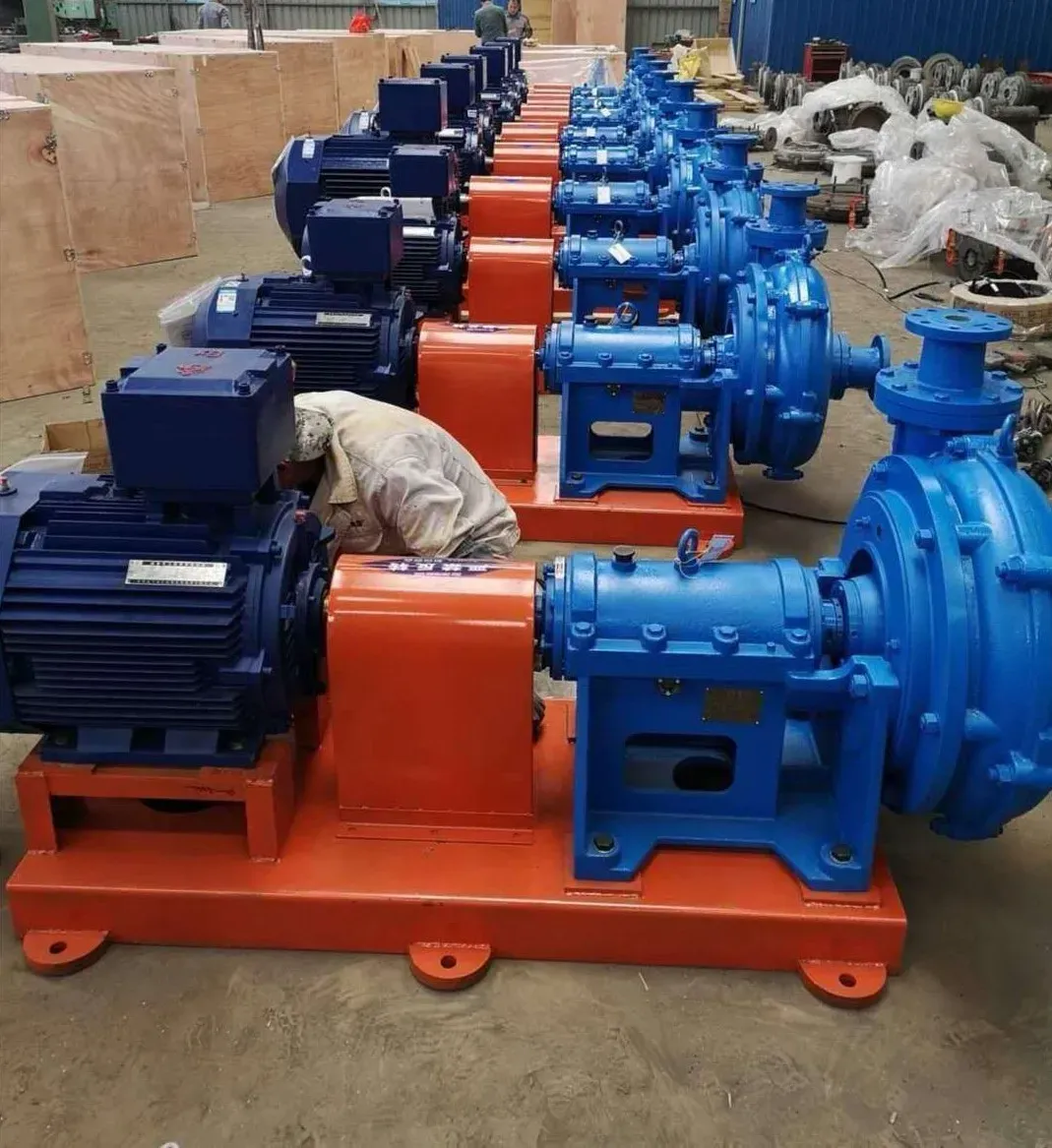
Introduction
A 1 hp clear water pump is a centrifugal pump designed for the transfer of clean, non-corrosive liquids. Positioned within the broader water management industry, these pumps serve as a critical component in a wide array of applications including irrigation, domestic water boosting, and general fluid transfer. Their 1 horsepower (hp) rating indicates the power input required for operation, typically translating to a flow rate between 20-80 gallons per minute (GPM) and a total dynamic head (TDH) of 20-60 feet, depending on impeller design and pump casing characteristics. Core performance metrics center on efficiency, cavitation resistance, and the ability to maintain consistent pressure and flow under varying operating conditions. The market differentiates these pumps based on materials of construction, impeller type (open, semi-open, closed), and automation features. A key industry pain point is balancing initial cost with long-term reliability and energy efficiency, especially given increasing energy costs and tightening environmental regulations.
Material Science & Manufacturing
The primary materials in a 1 hp clear water pump are cast iron, stainless steel (typically 304 or 316), and engineered polymers. Cast iron, due to its affordability and machinability, is frequently used for the pump housing and volute. Its inherent compressive strength is advantageous, but it’s susceptible to corrosion. Stainless steel, particularly 316, offers superior corrosion resistance and is implemented in impellers, shafts, and critical internal components exposed to the fluid. Engineered polymers, such as Polypropylene (PP) or Polyvinyl Chloride (PVC), are utilized for seals, gaskets, and sometimes for impellers in lower-cost models, providing chemical resistance but with limited temperature and pressure tolerance. Manufacturing typically involves several stages: casting of the housing, machining of internal components (impeller, diffuser), shaft fabrication, assembly, and quality control. Impeller balancing is paramount; an unbalanced impeller induces vibration, leading to premature bearing failure and reduced pump life. Welding, if required for fabrication, necessitates careful control of welding parameters (current, voltage, gas shielding) to prevent distortion and maintain material integrity. Furthermore, proper surface finishing (e.g., polishing stainless steel) minimizes friction and improves fluid flow characteristics. Casting defects, such as porosity, are a major concern, requiring non-destructive testing methods like ultrasonic testing or radiographic inspection.
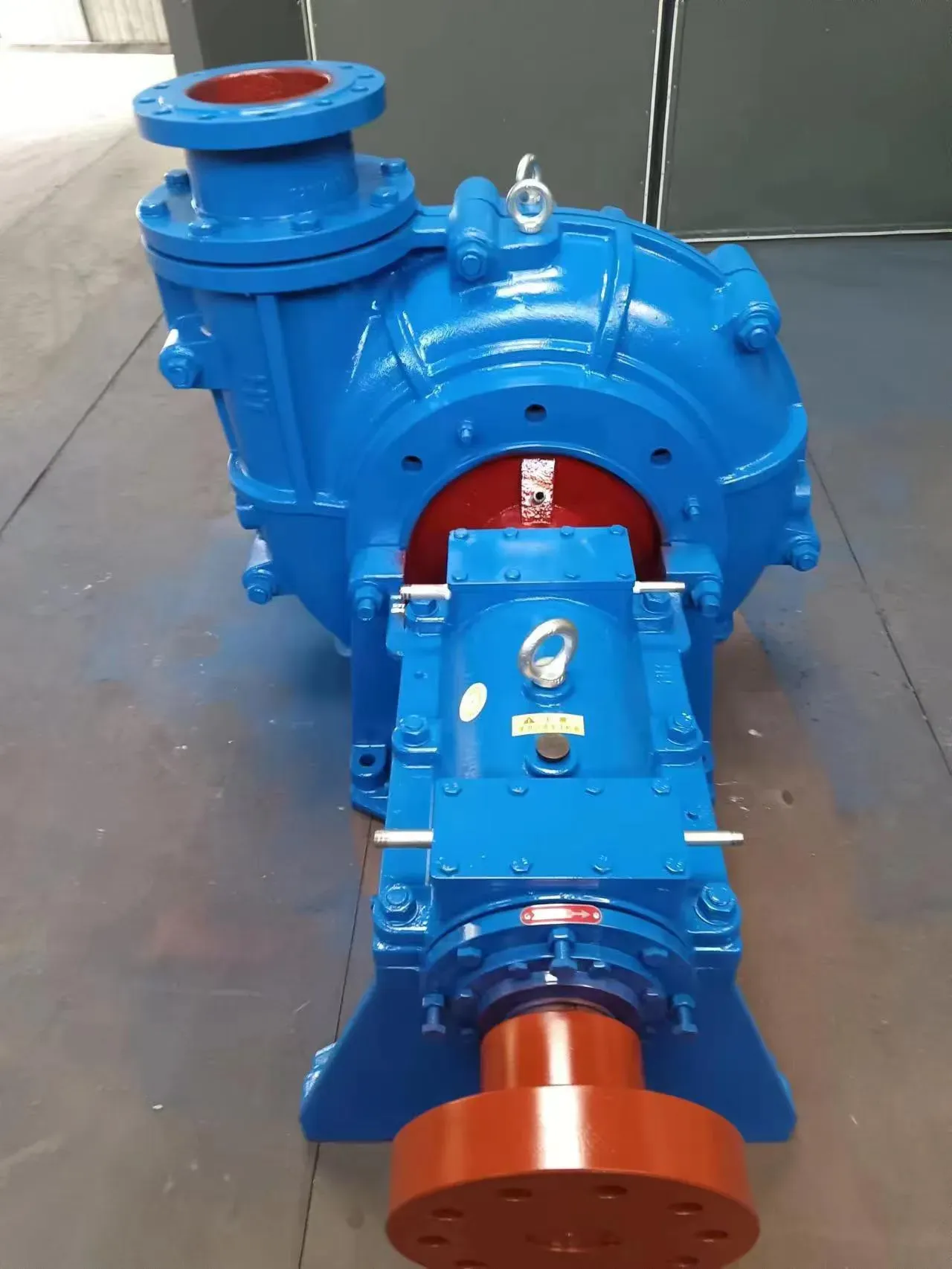
Performance & Engineering
Performance is governed by principles of fluid dynamics, specifically Bernoulli’s equation and the affinity laws for pumps. Force analysis focuses on hydraulic thrust, radial loads on the bearings, and stresses within the pump casing. Hydraulic thrust, a force acting along the shaft axis, is generated by pressure imbalances across the impeller. Balancing holes and wear rings are incorporated into the design to mitigate this thrust. Environmental resistance is a critical consideration. Pumps operating outdoors are exposed to UV radiation, temperature fluctuations, and precipitation. The materials selected must withstand these conditions without degradation. Compliance requirements vary geographically but commonly include certifications for electrical safety (UL, CE) and hydraulic performance (Hydraulic Institute standards). The pump's Net Positive Suction Head Required (NPSHr) must be lower than the Net Positive Suction Head Available (NPSHa) in the system to prevent cavitation. Cavitation, the formation and implosion of vapor bubbles within the pump, causes noise, vibration, and significant erosion of the impeller. Proper pump selection and system design are crucial to ensure adequate NPSHa. Furthermore, motor efficiency directly impacts overall energy consumption; high-efficiency motors are increasingly favored to reduce operational costs and meet energy conservation standards.
Technical Specifications
| Parameter | Unit | Typical Value (1 hp Pump) | Testing Standard |
|---|---|---|---|
| Power Input | hp | 1 | IEC 60034-1 |
| Voltage | V | 115/230 (single-phase) | NEMA MG 1 |
| Flow Rate | GPM | 20-80 | Hydraulic Institute Standards |
| Total Dynamic Head (TDH) | ft | 20-60 | Hydraulic Institute Standards |
| Suction Lift | ft | Up to 25 (depending on model) | Manufacturer Specifications |
| Liquid Temperature Range | °F | 32-140 | ASTM D2980 |
Failure Mode & Maintenance
Common failure modes include impeller wear (erosion due to abrasive particles in the fluid), seal failure (leading to leakage), bearing failure (caused by lubrication issues or overload), and motor winding failure (due to overheating or voltage fluctuations). Fatigue cracking can occur in the pump casing due to cyclical pressure loads, particularly in cast iron models. Delamination of polymer impellers can also occur under high stress. Oxidation of metallic components can contribute to corrosion, especially in aggressive environments. Preventative maintenance is crucial. Regular inspection of seals and bearings, lubrication according to manufacturer specifications, and monitoring of motor current are essential. Vibration analysis can detect imbalances or bearing wear early on. If cavitation occurs, the root cause (insufficient NPSHa) must be addressed. For seal failures, proper seal selection and installation are critical. Periodically flushing the pump casing to remove accumulated debris can prevent impeller wear. When replacing parts, using OEM (Original Equipment Manufacturer) components is recommended to ensure compatibility and maintain warranty validity. Detailed records of maintenance activities should be maintained to track pump performance and identify recurring issues.
Industry FAQ
Q: What is the significance of the pump's NPSHr value?
A: NPSHr (Net Positive Suction Head Required) represents the minimum pressure required at the pump suction to prevent cavitation. If the available NPSH (NPSHa) in your system is lower than the pump’s NPSHr, cavitation will occur, leading to reduced performance, noise, and eventual pump damage. Correct system design and pump selection are critical to ensure sufficient NPSHa.
Q: How does impeller material affect pump performance and lifespan?
A: Impeller material selection directly impacts corrosion resistance, erosion resistance, and overall lifespan. Stainless steel impellers are preferred for handling corrosive fluids or fluids containing abrasive particles. Polymer impellers are suitable for clean water applications but have limited durability in harsher environments. The impeller’s design also impacts efficiency and flow characteristics.
Q: What are the key considerations when selecting a pump for irrigation?
A: For irrigation, factors like flow rate, head (elevation difference), water source type (well, tank, etc.), and the presence of debris are crucial. Self-priming pumps are often preferred for well applications. The pump's ability to handle suspended solids (if present) should also be considered. Energy efficiency is vital for minimizing irrigation costs.
Q: What is the typical lifespan of a 1 hp clear water pump with proper maintenance?
A: With regular maintenance, a well-constructed 1 hp clear water pump can typically operate for 5-10 years or longer. Lifespan is heavily dependent on the operating environment, fluid characteristics, and adherence to maintenance schedules. Addressing minor issues promptly can significantly extend the pump's service life.
Q: What are the common causes of pump seal failure?
A: Common causes of seal failure include improper installation, abrasion from solids in the fluid, chemical incompatibility between the seal material and the fluid, dry running (operation without sufficient fluid lubrication), and excessive temperature. Selecting the correct seal material and ensuring proper lubrication are key to preventing seal failures.
Conclusion
The 1 hp clear water pump remains a fundamental component in diverse fluid transfer applications. Its selection requires careful consideration of material science principles, hydraulic performance characteristics, and potential failure modes. Prioritizing high-quality materials, precise manufacturing processes, and a robust maintenance regimen is essential for maximizing pump reliability and minimizing long-term operational costs.
Future trends point towards increased integration of smart technologies – such as variable frequency drives (VFDs) for optimized energy consumption and remote monitoring systems for predictive maintenance. The focus on sustainable water management will drive demand for even more efficient and durable pump designs. A thorough understanding of these principles empowers engineers and procurement professionals to make informed decisions that ensure optimal system performance and longevity.
-
Precision at the Pump: How Better Machining Protects Flow and Uptime
News2026-11-20
-
Why Pump Reliability Begins Before the First Drop of Fluid
News2026-11-20
-
Beyond the Pump: Designing Safer Access Around Critical Water Infrastructure
News2026-11-20
-
Why Pumping Stations Depend on the Infrastructure Beneath the Pumps
News2026-11-20
-
Beyond the Pump Room: How Smarter Loading Protects Industrial Equipment
News2026-11-19
-
When Pumps Stop: Designing More Resilient Power for Critical Pumping Systems
News2026-11-19
-
The Hidden Role of Dust and Gas Monitoring in Reliable Pump Operations
News2026-11-19
-
The Hidden Role of Mineral Compounds in Extending Industrial Pump Lifespan
News2026-10-12
-
Why Pump System Reliability Depends on Precision Hose Assembly Methods
News2026-09-15
-
How Advanced Imaging Films Are Transforming Pump Component Quality Control
News2026-08-25
-
How Advanced Filtration Protects Pump Systems from Premature Wear and Costly Downtime
News2026-08-25
-
How Steel Material Selection Drives Pump Reliability in Heavy-Duty Systems
News2026-08-25
-
Ensuring Pump System Efficiency: The Role of High-Quality Pipe Fittings and Tubing
News2026-08-24
-
Optimizing Fluid Dynamics and Material Consistency in Industrial Processing
News2026-08-18
-
Innovations and Challenges in Hydraulic Systems for Heavy Machinery
News2026-08-13




