English
- Afrikaans
- Albanian
- Amharic
- Arabic
- Armenian
- Azerbaijani
- Basque
- Belarusian
- Bengali
- Bosnian
- Bulgarian
- Catalan
- Cebuano
- Corsican
- Croatian
- Czech
- Danish
- Dutch
- English
- Esperanto
- Estonian
- Finnish
- French
- Frisian
- Galician
- Georgian
- German
- Greek
- Gujarati
- Haitian Creole
- hausa
- hawaiian
- Hebrew
- Hindi
- Miao
- Hungarian
- Icelandic
- igbo
- Indonesian
- irish
- Italian
- Japanese
- Javanese
- Kannada
- kazakh
- Khmer
- Rwandese
- Korean
- Kurdish
- Kyrgyz
- Lao
- Latin
- Latvian
- Lithuanian
- Luxembourgish
- Macedonian
- Malgashi
- Malay
- Malayalam
- Maltese
- Maori
- Marathi
- Mongolian
- Myanmar
- Nepali
- Norwegian
- Norwegian
- Occitan
- Pashto
- Persian
- Polish
- Portuguese
- Punjabi
- Romanian
- Russian
- Samoan
- Scottish Gaelic
- Serbian
- Sesotho
- Shona
- Sindhi
- Sinhala
- Slovak
- Slovenian
- Somali
- Spanish
- Sundanese
- Swahili
- Swedish
- Tagalog
- Tajik
- Tamil
- Tatar
- Telugu
- Thai
- Turkish
- Turkmen
- Ukrainian
- Urdu
- Uighur
- Uzbek
- Vietnamese
- Welsh
- Bantu
- Yiddish
- Yoruba
- Zulu

Telephone: +86 13120555503
Email: frank@cypump.com


Apr . 01, 2024 17:55 Back to list
1 2 hp clear water pump Performance Engineering
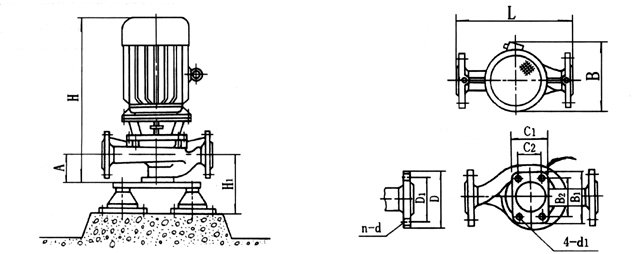
Introduction
The 1.2 horsepower (hp) clear water pump is a centrifugal pump designed for transferring non-corrosive, clean water. Its position within the broader fluid handling industry is as a versatile solution for residential, agricultural, and light industrial applications. Unlike submersible pumps intended for dirty water, or positive displacement pumps optimized for viscous fluids, the clear water pump prioritizes high flow rates at relatively low pressures. Core performance characteristics are defined by its flow rate (typically measured in gallons per minute or liters per hour), total dynamic head (TDH - the maximum height water can be lifted), and efficiency (the ratio of hydraulic power output to electrical power input). Common applications include irrigation, lawn sprinkling, boosting water pressure, and water circulation in ponds or pools. Understanding the nuances of these pumps is critical for selecting the correct model to avoid cavitation, overheating, and premature failure. The 1.2hp rating signifies the motor’s output power, directly impacting the pump’s capacity and ability to overcome system resistance.
Material Science & Manufacturing
The construction of a 1.2 hp clear water pump necessitates careful material selection. Pump housings are commonly constructed from cast iron (ASTM A48 Class 30) due to its cost-effectiveness, rigidity, and resistance to corrosion from clean water. However, for enhanced corrosion resistance, particularly in slightly acidic or alkaline water conditions, alternative materials like stainless steel (304 or 316 grades, adhering to ASTM A240) or engineered plastics like polypropylene (PP – ASTM D4101) are utilized. Impellers, responsible for imparting kinetic energy to the water, are frequently made from cast iron, brass (ASTM B16), or reinforced thermoplastics. The motor housing is typically aluminum (ASTM B210), providing lightweight construction and effective heat dissipation. Shafts are generally manufactured from carbon steel (AISI 1045) hardened and tempered for tensile strength and wear resistance. Seals are crucial; mechanical seals incorporating silicon carbide (SiC) faces (conforming to ISO 3559) are favored for their durability and ability to handle varying water temperatures. Manufacturing processes involve several key steps: sand casting for housings and impellers, machining for precise dimensional tolerances, welding for structural integrity (where applicable), and assembly with rigorous quality control. Parameter control during casting (temperature, cooling rate) is vital to minimize porosity and ensure structural integrity. Impeller balancing is critical to prevent vibration and premature bearing failure. Seal installation requires precise alignment and controlled torque to ensure leak-free operation.
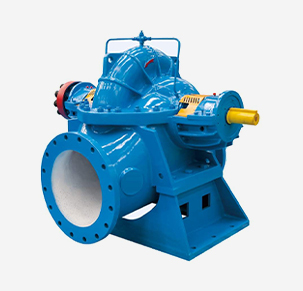
Performance & Engineering
The performance of a 1.2 hp clear water pump is governed by principles of fluid dynamics and motor engineering. Force analysis centers on hydraulic forces exerted by the impeller on the water and the reaction forces acting on the impeller itself. Proper impeller design (blade angle, number of blades) optimizes energy transfer and minimizes hydraulic losses. Cavitation, a significant concern, occurs when the absolute pressure within the pump falls below the vapor pressure of the water, leading to bubble formation and subsequent implosion, causing erosion and noise. Maintaining adequate Net Positive Suction Head (NPSH) is crucial to prevent cavitation; NPSH requirements are specified by the manufacturer and depend on the pump's design and operating conditions. Environmental resistance considerations include operating temperature limits (typically 0-60°C), humidity, and potential exposure to UV radiation (for outdoor installations). Compliance requirements include electrical safety standards (IEC 60335-1 for household appliances, UL 778 for pumps), and hydraulic performance standards (ISO 9906). The pump’s curve, a graphical representation of head vs. flow rate, is fundamental to system design. Proper pipe sizing is essential to minimize friction losses and maximize efficiency. Motor protection (thermal overload protection) is vital to prevent overheating and damage.
Technical Specifications
| Parameter | Value (Typical) | Unit | Testing Standard |
|---|---|---|---|
| Motor Power | 1.2 | hp | IEC 60034-1 |
| Voltage | 110-120 / 220-240 | V | IEC 60038 |
| Frequency | 60 / 50 | Hz | IEC 60038 |
| Maximum Flow Rate | 60 | GPM (Gallons Per Minute) | ISO 9906 |
| Total Dynamic Head (TDH) | 40 | ft (feet) | ISO 9906 |
| Suction Lift | 25 | ft (feet) | ISO 9906 |
| Liquid Temperature Range | 34 - 104 | °F | ASTM E220 |
Failure Mode & Maintenance
Failure modes in 1.2 hp clear water pumps are diverse. Fatigue cracking can occur in the impeller due to repeated stress from fluid flow and imbalance. Delamination of pump housing coatings (if applicable) can lead to corrosion. Seal failure is a common issue, resulting in leakage and reduced pump performance; causes include abrasion from suspended solids, chemical incompatibility, and improper installation. Bearing failure can occur due to inadequate lubrication, contamination, or excessive load. Motor winding failures can result from overheating, voltage fluctuations, and insulation breakdown. Corrosion, particularly in cast iron components, can lead to weakening and eventual failure. Oxidation of electrical connections can increase resistance and reduce motor efficiency. Maintenance procedures include regular visual inspection for leaks, unusual noises, and vibration. Lubrication of bearings (following manufacturer recommendations, typically using lithium-based grease) is crucial. Seal replacement should be performed proactively, before complete failure. Periodic cleaning of the pump housing and impeller to remove debris is essential. Monitoring motor winding temperature and voltage levels can help identify potential electrical issues. Water quality should be monitored to ensure it remains within acceptable limits for the pump's materials of construction. A preventative maintenance schedule, based on operating hours and environmental conditions, is highly recommended.
Industry FAQ
Q: What is the primary cause of reduced flow rate in a clear water pump?
A: Reduced flow rate is most commonly caused by partial blockage in the suction line, impeller wear, or air in the pump casing. A clogged suction strainer or pipe significantly restricts water flow. Impeller wear alters the blade geometry, reducing its efficiency. Air pockets introduce compressibility, lowering the volumetric flow.
Q: How do I determine the appropriate NPSH available in my system?
A: NPSH available (NPSHa) is calculated based on the static suction head, vapor pressure of the water, and friction losses in the suction piping. Accurate pipe dimensions, fluid temperature, and elevation data are required. The calculated NPSHa must always exceed the pump’s NPSH required (NPSHr) specified by the manufacturer.
Q: What type of seal is best suited for handling slightly abrasive water?
A: For slightly abrasive water, a mechanical seal with a silicon carbide (SiC) face and a robust spring design is recommended. Consider a seal with a flush port to circulate clean water and prevent abrasive particles from lodging between the seal faces.
Q: What are the typical symptoms of a failing motor bearing?
A: Symptoms of a failing motor bearing include increased noise (grinding or squealing), excessive vibration, and elevated motor temperature. Early detection and replacement of the bearing can prevent catastrophic motor failure.
Q: Can I use a clear water pump to transfer water containing small amounts of sand or sediment?
A: No, clear water pumps are not designed to handle abrasive solids. Even small amounts of sand or sediment can cause rapid impeller wear and seal damage, leading to premature pump failure. A slurry pump or a submersible pump designed for dirty water should be used in such applications.
Conclusion
The 1.2 hp clear water pump represents a foundational component in numerous fluid handling systems, offering a balance of performance, reliability, and cost-effectiveness. Its construction relies on carefully selected materials engineered to withstand the stresses of continuous operation and the chemical properties of clean water. Understanding the interplay between hydraulic principles, motor performance, and potential failure modes is essential for optimizing pump selection, installation, and maintenance.
Proactive maintenance, incorporating regular inspections, lubrication, and seal replacements, significantly extends the pump's service life and minimizes downtime. Adherence to relevant international standards ensures safe and efficient operation. The continued development of pump technologies focuses on enhancing efficiency, reducing noise levels, and improving material durability, further solidifying the clear water pump’s role in a wide range of industrial and residential applications.
-
Precision at the Pump: How Better Machining Protects Flow and Uptime
News2026-11-20
-
Why Pump Reliability Begins Before the First Drop of Fluid
News2026-11-20
-
Beyond the Pump: Designing Safer Access Around Critical Water Infrastructure
News2026-11-20
-
Why Pumping Stations Depend on the Infrastructure Beneath the Pumps
News2026-11-20
-
Beyond the Pump Room: How Smarter Loading Protects Industrial Equipment
News2026-11-19
-
When Pumps Stop: Designing More Resilient Power for Critical Pumping Systems
News2026-11-19
-
The Hidden Role of Dust and Gas Monitoring in Reliable Pump Operations
News2026-11-19
-
The Hidden Role of Mineral Compounds in Extending Industrial Pump Lifespan
News2026-10-12
-
Why Pump System Reliability Depends on Precision Hose Assembly Methods
News2026-09-15
-
How Advanced Imaging Films Are Transforming Pump Component Quality Control
News2026-08-25
-
How Advanced Filtration Protects Pump Systems from Premature Wear and Costly Downtime
News2026-08-25
-
How Steel Material Selection Drives Pump Reliability in Heavy-Duty Systems
News2026-08-25
-
Ensuring Pump System Efficiency: The Role of High-Quality Pipe Fittings and Tubing
News2026-08-24
-
Optimizing Fluid Dynamics and Material Consistency in Industrial Processing
News2026-08-18
-
Innovations and Challenges in Hydraulic Systems for Heavy Machinery
News2026-08-13




