English
- Afrikaans
- Albanian
- Amharic
- Arabic
- Armenian
- Azerbaijani
- Basque
- Belarusian
- Bengali
- Bosnian
- Bulgarian
- Catalan
- Cebuano
- Corsican
- Croatian
- Czech
- Danish
- Dutch
- English
- Esperanto
- Estonian
- Finnish
- French
- Frisian
- Galician
- Georgian
- German
- Greek
- Gujarati
- Haitian Creole
- hausa
- hawaiian
- Hebrew
- Hindi
- Miao
- Hungarian
- Icelandic
- igbo
- Indonesian
- irish
- Italian
- Japanese
- Javanese
- Kannada
- kazakh
- Khmer
- Rwandese
- Korean
- Kurdish
- Kyrgyz
- Lao
- Latin
- Latvian
- Lithuanian
- Luxembourgish
- Macedonian
- Malgashi
- Malay
- Malayalam
- Maltese
- Maori
- Marathi
- Mongolian
- Myanmar
- Nepali
- Norwegian
- Norwegian
- Occitan
- Pashto
- Persian
- Polish
- Portuguese
- Punjabi
- Romanian
- Russian
- Samoan
- Scottish Gaelic
- Serbian
- Sesotho
- Shona
- Sindhi
- Sinhala
- Slovak
- Slovenian
- Somali
- Spanish
- Sundanese
- Swahili
- Swedish
- Tagalog
- Tajik
- Tamil
- Tatar
- Telugu
- Thai
- Turkish
- Turkmen
- Ukrainian
- Urdu
- Uighur
- Uzbek
- Vietnamese
- Welsh
- Bantu
- Yiddish
- Yoruba
- Zulu

Telephone: +86 13120555503
Email: frank@cypump.com


Apr . 01, 2024 17:55 Back to list
1/2 hp clear water pump Performance Analysis
Introduction
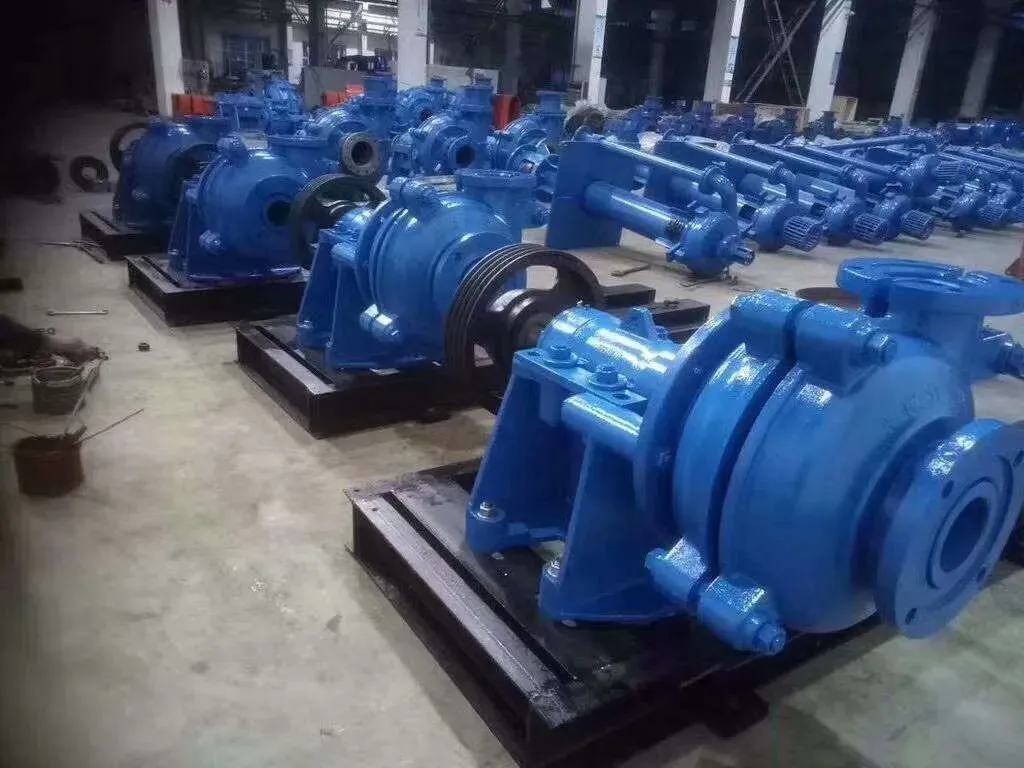
The 1/2 hp clear water pump represents a significant segment within the centrifugal pump market, primarily utilized for transferring non-corrosive liquids in applications ranging from residential water supply to irrigation and light industrial processes. Positioned within the water handling industry chain, these pumps serve as a critical link between water sources and point-of-use applications. Core performance characteristics center around flow rate (typically 20-60 gallons per minute), head (20-40 feet), and power consumption (373 Watts). A primary industry pain point is balancing pump efficiency with cost-effectiveness, particularly regarding material selection and impeller design to minimize energy losses and maximize pump lifespan. Further challenges involve mitigating cavitation risk and ensuring reliable operation in varying water quality conditions. These pumps are typically selected based on specific hydraulic requirements, liquid properties, and environmental operating constraints. Proper pump sizing is essential to avoid system inefficiencies or premature failure.
Material Science & Manufacturing
The construction of a 1/2 hp clear water pump fundamentally relies on materials exhibiting adequate corrosion resistance, mechanical strength, and hydraulic smoothness. Pump housings are commonly manufactured from cast iron (ASTM A48 Class 30) due to its cost-effectiveness and machinability. However, for applications demanding higher corrosion resistance, thermoplastic polymers like polypropylene (PP) or polyethylene (PE) are frequently employed. Impellers, the critical component responsible for imparting kinetic energy to the fluid, are traditionally made from cast iron or brass (ASTM B16). Advanced impeller designs are increasingly utilizing engineered polymers, specifically glass-filled polypropylene, to reduce weight and improve hydraulic efficiency. Shafts are generally constructed from AISI 1045 carbon steel, hardened and tempered to achieve optimal tensile strength and wear resistance. Seals typically employ nitrile rubber (NBR) or Viton (FKM) elastomers, selected based on the temperature and chemical compatibility with the fluid being pumped.
The manufacturing process typically involves several stages. Casting is used for housing and impeller production, followed by machining operations to achieve precise dimensions and smooth surface finishes. Impeller blades require precision casting and balancing to minimize vibration and maximize hydraulic efficiency. Shafts are manufactured via turning and milling, incorporating keyways for impeller attachment. Assembly involves careful alignment of the pump shaft, impeller, and seals, followed by rigorous testing to verify performance parameters and leak tightness. Key parameter control focuses on dimensional accuracy of impeller and housing components, surface roughness of internal flow passages, and the concentricity of the shaft within the housing. Improper control of these parameters leads to reduced efficiency, increased noise, and premature bearing failure.
Performance & Engineering
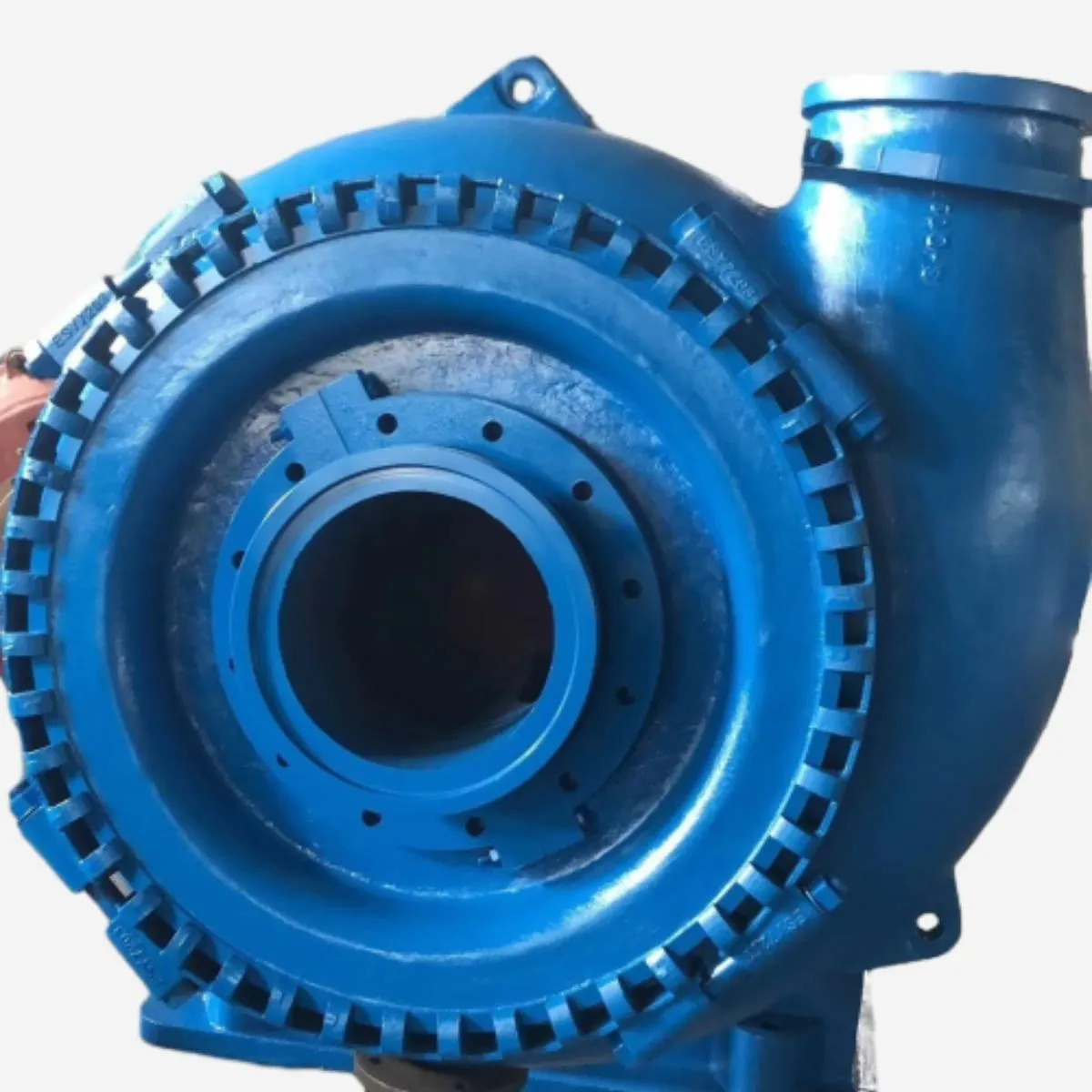
The performance of a 1/2 hp clear water pump is governed by fundamental principles of fluid dynamics, specifically Bernoulli's principle and the affinity laws of centrifugal pumps. Force analysis involves considering hydraulic forces acting on the impeller, radial and axial loads on the pump shaft, and static loads imposed by the weight of the pump and connected piping. Environmental resistance is a crucial consideration; pumps operating outdoors are exposed to temperature fluctuations, humidity, and potential UV degradation. Proper sealing and material selection are vital to withstand these conditions. Compliance requirements typically include UL certification for electrical safety (UL 778), NSF/ANSI 61 for potable water applications, and adherence to energy efficiency standards such as those set by the Department of Energy (DOE).
Functional implementation demands careful selection of pump curves matching the required flow rate and head. Net Positive Suction Head Required (NPSHr) must be less than the Net Positive Suction Head Available (NPSHa) to prevent cavitation – a phenomenon where vapor bubbles form and collapse within the impeller, causing erosion and noise. Pump selection also needs to consider the viscosity of the fluid being pumped; higher viscosity fluids require more power to achieve the same flow rate. Proper piping design, including minimizing bends and ensuring adequate pipe diameter, is essential to reduce frictional losses and maximize system efficiency. Regular maintenance and monitoring of pump performance are crucial to identify and address potential issues before they lead to failure.
Technical Specifications
| Parameter | Value (Typical) | Units | Testing Standard |
|---|---|---|---|
| Motor Power | 373 | Watts | IEC 60034-1 |
| Voltage | 115/230 | Volts | UL 508 |
| Flow Rate | 30 | Gallons Per Minute (GPM) | ANSI/HI 1.1 |
| Total Head | 30 | Feet | ANSI/HI 1.1 |
| Suction Lift | 25 | Feet | Manufacturer Specification |
| Inlet/Outlet Diameter | 1.25 | Inches | ANSI/ASME B16.5 |
Failure Mode & Maintenance
Common failure modes for 1/2 hp clear water pumps include bearing failure, impeller wear, seal leakage, and motor burnout. Bearing failure often arises from inadequate lubrication, contamination, or excessive loading. Impeller wear can result from abrasive particles in the fluid or cavitation erosion. Seal leakage is frequently caused by seal wear, improper installation, or chemical incompatibility. Motor burnout typically stems from overvoltage, overheating, or blocked impeller. Failure analysis involves inspecting worn components, analyzing fluid samples for contaminants, and monitoring motor electrical parameters. Preventative maintenance is crucial and includes regular lubrication of bearings, inspection of seals, and cleaning of impeller and housing.
Specific maintenance solutions involve replacing worn bearings, seals, and impellers. Periodic alignment checks of the pump and motor are essential to minimize vibration and bearing wear. Flushing the pump housing to remove sediment and debris is also recommended. In cases of cavitation, addressing the NPSHa/NPSHr imbalance is paramount, potentially requiring adjustments to the suction piping or pump operating point. Regular monitoring of pump vibration levels using vibration analysis equipment can provide early warnings of impending failures. For electrical issues, a qualified electrician should diagnose and repair the motor, ensuring proper grounding and overload protection. Implementing a scheduled maintenance program based on operating hours or calendar intervals will significantly extend pump lifespan and reduce downtime.
Industry FAQ
Q: What is the impact of fluid temperature on pump performance and material selection?
A: Elevated fluid temperatures can reduce pump efficiency due to increased fluid viscosity and potential seal degradation. Material selection must consider the thermal expansion coefficients and chemical compatibility at the operating temperature. Higher temperatures often necessitate the use of Viton seals and corrosion-resistant alloys to prevent premature failure.
Q: How does the specific gravity of the fluid affect pump head and flow rate?
A: Pump head and flow rate are inversely proportional to the specific gravity of the fluid. Denser fluids require more power to pump, resulting in a reduction in flow rate for a given motor power. Pump curves are typically provided for water (specific gravity of 1.0), and corrections must be applied for fluids with different specific gravities.
Q: What are the best practices for preventing cavitation in a clear water pump system?
A: Ensuring adequate NPSHa is the primary method for preventing cavitation. This involves minimizing suction pipe length, maximizing pipe diameter, lowering pump elevation relative to the liquid source, and maintaining a sufficient liquid level. Avoiding sharp bends and obstructions in the suction piping is also crucial.
Q: What is the expected lifespan of a typical 1/2 hp clear water pump, and how can it be maximized?
A: The expected lifespan is typically 5-10 years, depending on operating conditions and maintenance practices. Maximizing lifespan involves regular lubrication, seal inspection, impeller cleaning, proper alignment, and adherence to manufacturer's recommended operating parameters.
Q: What are the common causes of pump noise and vibration, and how can they be addressed?
A: Common causes include cavitation, impeller imbalance, bearing wear, misalignment, and loose piping connections. Addressing these issues involves inspecting and balancing the impeller, replacing worn bearings, aligning the pump and motor, and tightening all connections. Vibration analysis can help pinpoint the source of the problem.
Conclusion
The 1/2 hp clear water pump represents a foundational technology within fluid transfer systems. Its performance is intrinsically linked to material science, manufacturing precision, and diligent maintenance practices. Understanding the interplay between hydraulic principles, mechanical integrity, and environmental factors is paramount for selecting the appropriate pump for a given application and ensuring its long-term reliability.
Future advancements in pump technology are likely to focus on improving energy efficiency through advanced impeller designs and motor technologies, incorporating smart sensors for predictive maintenance, and utilizing more sustainable materials. A proactive approach to pump maintenance, coupled with a thorough understanding of potential failure modes, will remain critical for optimizing operational costs and minimizing downtime.
-
Precision at the Pump: How Better Machining Protects Flow and Uptime
News2026-11-20
-
Why Pump Reliability Begins Before the First Drop of Fluid
News2026-11-20
-
Beyond the Pump: Designing Safer Access Around Critical Water Infrastructure
News2026-11-20
-
Why Pumping Stations Depend on the Infrastructure Beneath the Pumps
News2026-11-20
-
Beyond the Pump Room: How Smarter Loading Protects Industrial Equipment
News2026-11-19
-
When Pumps Stop: Designing More Resilient Power for Critical Pumping Systems
News2026-11-19
-
The Hidden Role of Dust and Gas Monitoring in Reliable Pump Operations
News2026-11-19
-
The Hidden Role of Mineral Compounds in Extending Industrial Pump Lifespan
News2026-10-12
-
Why Pump System Reliability Depends on Precision Hose Assembly Methods
News2026-09-15
-
How Advanced Imaging Films Are Transforming Pump Component Quality Control
News2026-08-25
-
How Advanced Filtration Protects Pump Systems from Premature Wear and Costly Downtime
News2026-08-25
-
How Steel Material Selection Drives Pump Reliability in Heavy-Duty Systems
News2026-08-25
-
Ensuring Pump System Efficiency: The Role of High-Quality Pipe Fittings and Tubing
News2026-08-24
-
Optimizing Fluid Dynamics and Material Consistency in Industrial Processing
News2026-08-18
-
Innovations and Challenges in Hydraulic Systems for Heavy Machinery
News2026-08-13




