English
- Afrikaans
- Albanian
- Amharic
- Arabic
- Armenian
- Azerbaijani
- Basque
- Belarusian
- Bengali
- Bosnian
- Bulgarian
- Catalan
- Cebuano
- Corsican
- Croatian
- Czech
- Danish
- Dutch
- English
- Esperanto
- Estonian
- Finnish
- French
- Frisian
- Galician
- Georgian
- German
- Greek
- Gujarati
- Haitian Creole
- hausa
- hawaiian
- Hebrew
- Hindi
- Miao
- Hungarian
- Icelandic
- igbo
- Indonesian
- irish
- Italian
- Japanese
- Javanese
- Kannada
- kazakh
- Khmer
- Rwandese
- Korean
- Kurdish
- Kyrgyz
- Lao
- Latin
- Latvian
- Lithuanian
- Luxembourgish
- Macedonian
- Malgashi
- Malay
- Malayalam
- Maltese
- Maori
- Marathi
- Mongolian
- Myanmar
- Nepali
- Norwegian
- Norwegian
- Occitan
- Pashto
- Persian
- Polish
- Portuguese
- Punjabi
- Romanian
- Russian
- Samoan
- Scottish Gaelic
- Serbian
- Sesotho
- Shona
- Sindhi
- Sinhala
- Slovak
- Slovenian
- Somali
- Spanish
- Sundanese
- Swahili
- Swedish
- Tagalog
- Tajik
- Tamil
- Tatar
- Telugu
- Thai
- Turkish
- Turkmen
- Ukrainian
- Urdu
- Uighur
- Uzbek
- Vietnamese
- Welsh
- Bantu
- Yiddish
- Yoruba
- Zulu

Telephone: +86 13120555503
Email: frank@cypump.com


Apr . 01, 2024 17:55 Back to list
wholesale double suction split pump factory Performance Analysis
Introduction
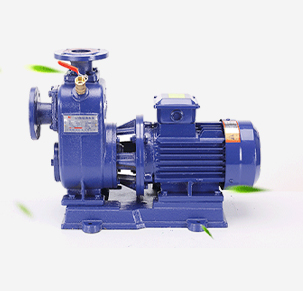
Double suction split case pumps are centrifugal pumps designed for high-volume fluid transfer in various industrial applications, including water supply, irrigation, power generation, and industrial processing. They are characterized by a horizontally split casing, enabling easier access to internal components for maintenance and repair without disrupting piping connections. The ‘double suction’ design, featuring impellers that draw fluid from both sides, enhances suction performance and reduces net positive suction head (NPSH) requirements, minimizing cavitation risk. This guide provides an in-depth technical overview of these pumps, covering material science, manufacturing, performance characteristics, failure modes, and relevant industry standards. A core industry pain point addressed is the optimization of pump efficiency to minimize energy consumption and lifecycle costs, particularly in applications with fluctuating demand. The effective selection of materials to resist corrosion and erosion, based on the specific fluid being pumped, is also a critical consideration.
Material Science & Manufacturing
The primary materials used in double suction split case pumps are cast iron (ASTM A48 Class 30), ductile iron (ASTM A536 65-45-12), and stainless steel (304, 316, duplex grades). Cast iron is favored for its cost-effectiveness and good machinability, however, it’s susceptible to corrosion. Ductile iron offers improved tensile strength and ductility, making it suitable for higher-pressure applications. Stainless steel provides excellent corrosion resistance, crucial for handling aggressive fluids. Impellers are often manufactured from bronze (C83600) or stainless steel, chosen for their resistance to erosion and cavitation. Shafts are typically made of high-strength carbon steel (AISI 1045) and hardened for wear resistance. Manufacturing processes involve sand casting for the casing, followed by machining to achieve precise dimensions and smooth surface finishes. Impellers are produced using investment casting or sand casting, with subsequent balancing to minimize vibration. The split casing is manufactured with tight tolerances to ensure a leak-proof seal when bolted together. Key parameter control during manufacturing focuses on impeller geometry (blade angle, diameter), casing dimensions (volute shape, throat area), and shaft alignment to optimize hydraulic performance and minimize bearing loads. Welding, when utilized for repair or modification, must adhere to AWS D1.1 standards to maintain structural integrity. Material compatibility charts are crucial to ensure longevity in specific applications.
Performance & Engineering
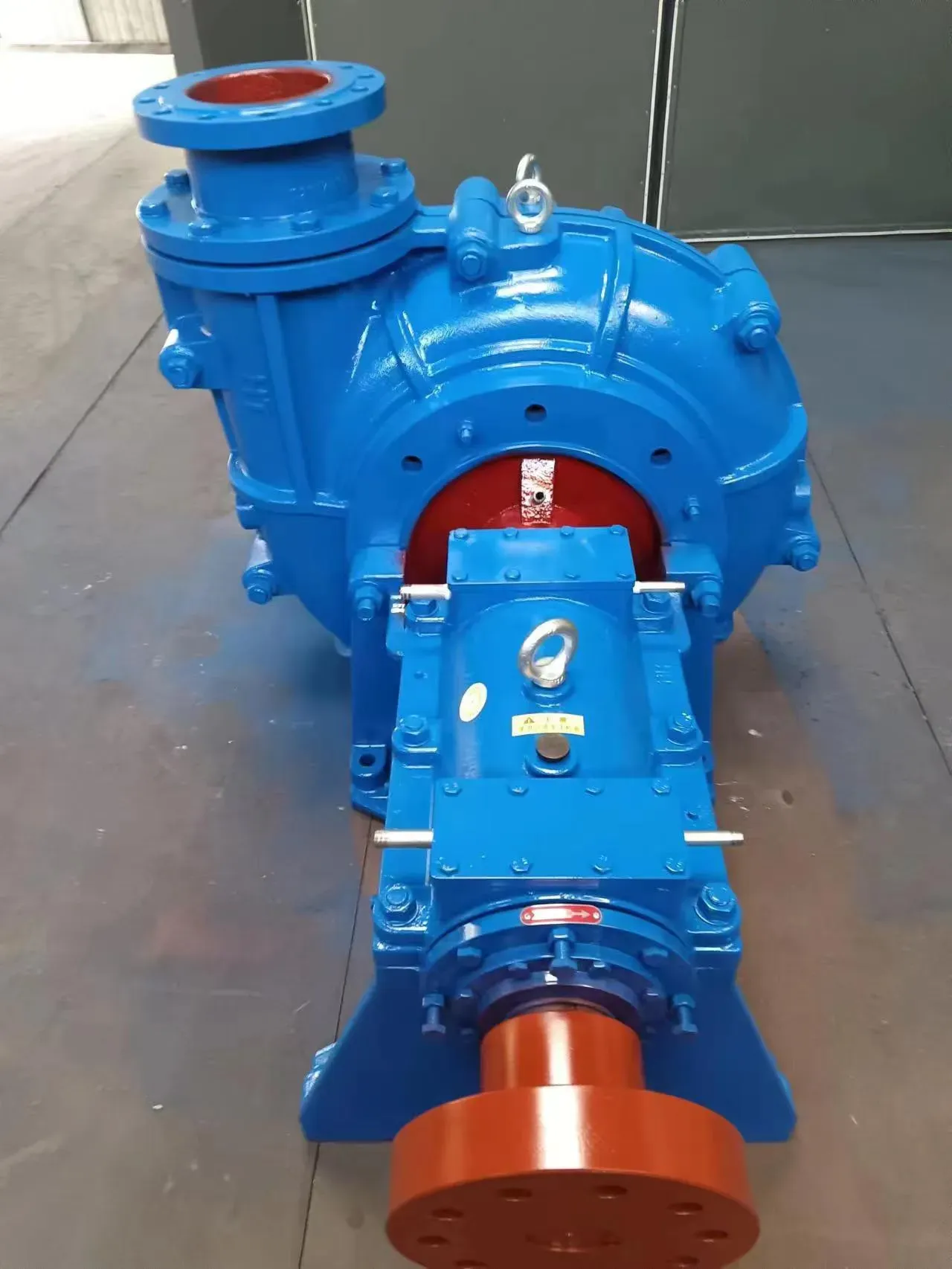
Pump performance is governed by the affinity laws, which relate flow rate, head, and power to impeller speed. The pump's head-capacity curve is a crucial performance indicator, defining the relationship between the discharge head and the flow rate. Net Positive Suction Head Required (NPSHr) is a critical parameter, representing the minimum pressure required at the pump suction to prevent cavitation. Cavitation occurs when the liquid pressure drops below its vapor pressure, forming bubbles that collapse and damage the impeller. Force analysis involves calculating the radial and axial forces acting on the impeller and shaft, which determine bearing selection and shaft design. Environmental resistance considerations include temperature extremes, humidity, and exposure to corrosive atmospheres. For operation in hazardous locations, pumps must comply with ATEX or IECEx standards. Hydraulic efficiency is paramount, and is impacted by impeller design, casing geometry, and internal clearances. Proper sealing mechanisms, utilizing mechanical seals conforming to API 682 standards, are crucial to prevent leakage and maintain pump efficiency. Pump selection must consider the system’s total dynamic head (TDH), fluid viscosity, and specific gravity. Proper piping design, including suction and discharge piping diameter, is critical to minimize friction losses and maximize pump performance. Dynamic balancing of the rotating assembly is essential to reduce vibration and extend bearing life.
Technical Specifications
| Parameter | Unit | Typical Value (Range) | Industry Standard/Test Method |
|---|---|---|---|
| Flow Rate | m³/h | 50 - 2000 | ISO 9906 |
| Total Head | m | 10 - 100 | ISO 9906 |
| Pump Speed | rpm | 1450 - 3600 | Dependent on motor & application |
| Suction Pressure | bar | -0.08 to 10 | Dependent on NPSHa |
| Discharge Pressure | bar | Up to 16 | Dependent on system requirements |
| Operating Temperature | °C | -10 to 120 | Dependent on seal material |
Failure Mode & Maintenance
Common failure modes include impeller erosion and corrosion, bearing failure, seal leakage, and casing cracking. Impeller erosion is caused by abrasive particles in the fluid, leading to material loss and reduced performance. Corrosion is driven by chemical reactions between the fluid and pump materials. Bearing failure can result from inadequate lubrication, misalignment, or excessive loads. Seal leakage is often caused by wear, damage, or improper installation. Casing cracking can occur due to thermal stress, pressure fluctuations, or material defects. Failure analysis techniques include visual inspection, non-destructive testing (NDT) such as ultrasonic testing and radiographic inspection, and metallurgical analysis. Preventive maintenance includes regular lubrication of bearings, inspection of seals, and monitoring of vibration levels. Scheduled overhauls should include impeller balancing, casing inspection, and replacement of worn components. Cavitation damage manifests as pitting on the impeller vanes and can be mitigated by ensuring adequate NPSHa. Proper fluid filtration is crucial to minimize abrasive wear. Regular monitoring of pump performance parameters (flow rate, head, power consumption) can help detect early signs of failure. Maintaining accurate maintenance records is essential for tracking pump performance and identifying recurring issues.
Industry FAQ
Q: What is the significance of NPSH in pump selection?
A: Net Positive Suction Head (NPSH) is crucial. If the available NPSH at the pump suction (NPSHa) is less than the required NPSH (NPSHr), cavitation will occur, damaging the impeller and reducing pump performance. Correctly calculating NPSHa, considering factors like suction lift, fluid temperature, and vapor pressure, is essential for reliable operation.
Q: How do I select the appropriate material for a pump handling a corrosive fluid?
A: Material selection depends on the fluid’s chemical composition, concentration, temperature, and flow velocity. Stainless steel alloys (316, duplex) are generally preferred for corrosive applications. Consult a material compatibility chart and consider performing laboratory tests to verify material resistance.
Q: What are the best practices for minimizing pump vibration?
A: Minimizing vibration involves ensuring proper pump alignment, dynamic balancing of the rotating assembly, and selecting appropriate bearing types. Regularly inspect bearings for wear and replace them as needed. Also, verify that the pump is securely mounted to a rigid foundation.
Q: What is the typical lifespan of a double suction split case pump?
A: The lifespan varies depending on operating conditions, maintenance practices, and the fluid being pumped. With proper maintenance, a well-designed pump can operate reliably for 10-20 years or longer. However, corrosive fluids or abrasive slurries can significantly reduce lifespan.
Q: How do mechanical seals contribute to pump efficiency and reliability?
A: Mechanical seals prevent leakage, maintaining pump efficiency by preventing fluid loss and ensuring consistent performance. High-quality seals, properly installed and maintained, minimize friction and wear, extending pump life and reducing maintenance costs. Seal selection should be based on fluid properties and operating conditions, complying with API 682 standards.
Conclusion
Double suction split case pumps represent a robust and versatile solution for high-volume fluid transfer applications. Understanding their material science, manufacturing processes, and performance characteristics is crucial for optimal selection, operation, and maintenance. Proper attention to NPSH requirements, material compatibility, and preventative maintenance practices is essential for maximizing pump reliability and minimizing lifecycle costs. Failure to address these factors can result in premature failures, reduced efficiency, and increased downtime.
Future trends in pump technology focus on enhancing efficiency through advanced impeller designs, utilizing variable frequency drives (VFDs) for flow control, and incorporating condition monitoring systems for predictive maintenance. Continued research into corrosion-resistant materials and improved sealing technologies will further extend pump lifespan and reduce environmental impact. The adoption of digital twin technology for pump performance modeling and optimization offers the potential for significant improvements in system efficiency and reliability.
-
Comprehensive Guide to Waterproof ORings for Optimal Sealing Solutions
News2026-06-09
-
Septic Pump Replacement Performance Analysis
News2026-06-10
-
Septic Pump Price Performance Analysis
News2026-06-10
-
pumps for septic systems Material Science Manufacturing
News2026-06-10
-
ejector pumps for basement bathrooms Performance Analysis
News2026-06-10
-
Ejector Pump Cost Analysis
News2026-06-10
-
drainage pumps Performance and Engineering
News2026-06-09
-
basement bathroom ejector pump Material Science
News2026-06-09
-
Sewer Ejector Pump Cost Performance Analysis
News2026-06-09
-
Septic Tank Pump Replacement Performance Analysis
News2026-06-09
-
septic sump pump Performance and Engineering
News2026-06-09
-
Septic Pump System Performance Analysis
News2026-06-08
-
pump for septic Material Science
News2026-06-08
-
basement sewer pump Performance Analysis
News2026-06-08
-
submerged pump Performance Engineering
News2026-06-08




