English
- Afrikaans
- Albanian
- Amharic
- Arabic
- Armenian
- Azerbaijani
- Basque
- Belarusian
- Bengali
- Bosnian
- Bulgarian
- Catalan
- Cebuano
- Corsican
- Croatian
- Czech
- Danish
- Dutch
- English
- Esperanto
- Estonian
- Finnish
- French
- Frisian
- Galician
- Georgian
- German
- Greek
- Gujarati
- Haitian Creole
- hausa
- hawaiian
- Hebrew
- Hindi
- Miao
- Hungarian
- Icelandic
- igbo
- Indonesian
- irish
- Italian
- Japanese
- Javanese
- Kannada
- kazakh
- Khmer
- Rwandese
- Korean
- Kurdish
- Kyrgyz
- Lao
- Latin
- Latvian
- Lithuanian
- Luxembourgish
- Macedonian
- Malgashi
- Malay
- Malayalam
- Maltese
- Maori
- Marathi
- Mongolian
- Myanmar
- Nepali
- Norwegian
- Norwegian
- Occitan
- Pashto
- Persian
- Polish
- Portuguese
- Punjabi
- Romanian
- Russian
- Samoan
- Scottish Gaelic
- Serbian
- Sesotho
- Shona
- Sindhi
- Sinhala
- Slovak
- Slovenian
- Somali
- Spanish
- Sundanese
- Swahili
- Swedish
- Tagalog
- Tajik
- Tamil
- Tatar
- Telugu
- Thai
- Turkish
- Turkmen
- Ukrainian
- Urdu
- Uighur
- Uzbek
- Vietnamese
- Welsh
- Bantu
- Yiddish
- Yoruba
- Zulu

Telephone: +86 13120555503
Email: frank@cypump.com


Apr . 01, 2024 17:55 Back to list
water submersible pumps Performance Analysis
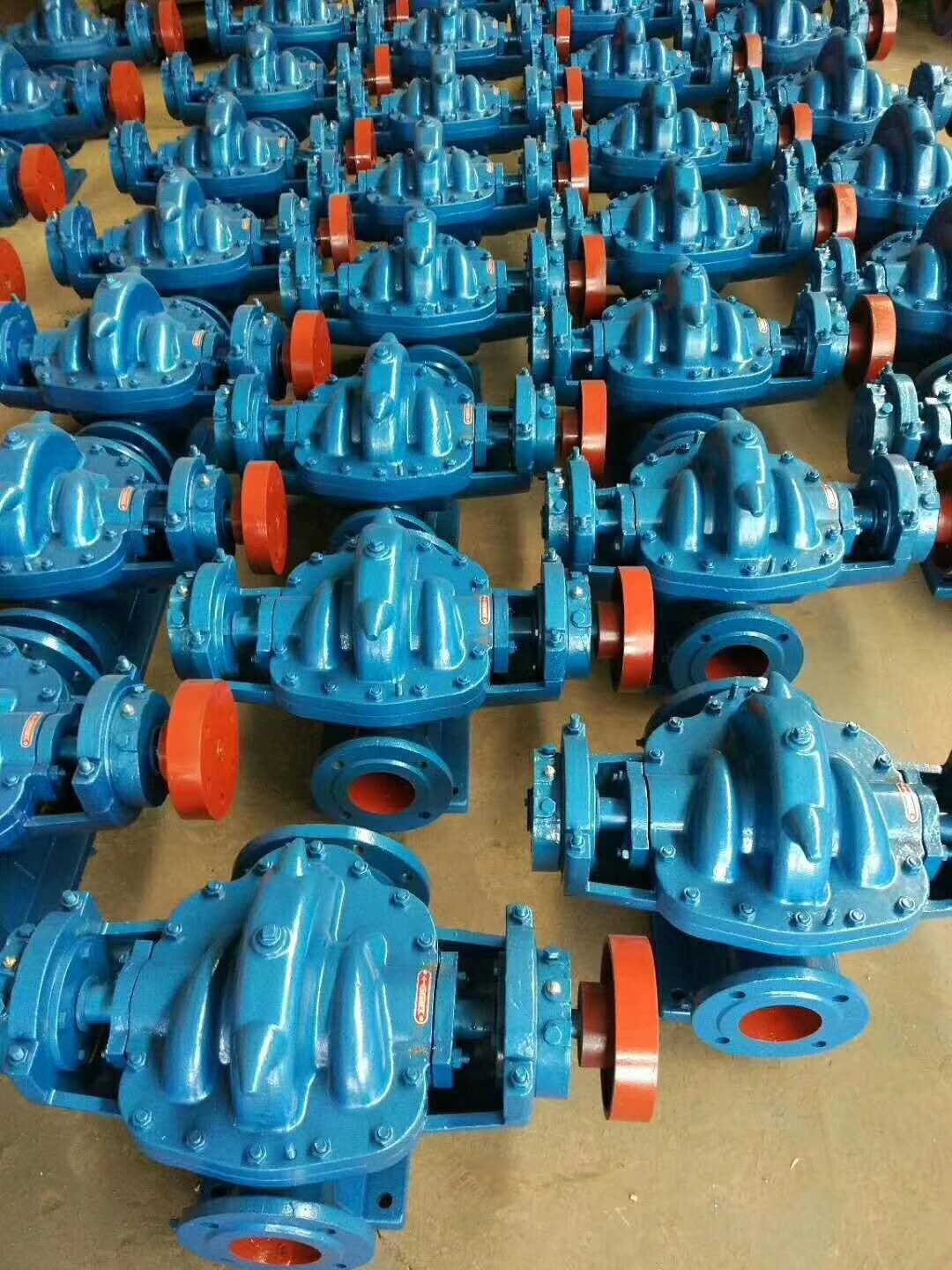
Introduction
Water submersible pumps are centrifugal pumps designed for complete immersion in the fluid being pumped. They represent a critical component in a wide array of applications, ranging from municipal water supply and wastewater treatment to agricultural irrigation, dewatering in construction, and oil & gas extraction. Unlike surface-mounted pumps, submersible pumps eliminate the need for priming, reduce noise levels, and offer enhanced efficiency by minimizing suction lift losses. Their technical position within the fluid handling industry chain places them downstream of motor and impeller manufacturing, requiring robust materials compatibility and stringent sealing mechanisms. Core performance characteristics are defined by flow rate (typically measured in gallons per minute or cubic meters per hour), total dynamic head (TDH, measured in feet or meters), and pump efficiency – parameters directly impacting energy consumption and operational costs.
Material Science & Manufacturing
The construction of a water submersible pump necessitates careful material selection due to the corrosive nature of the fluids handled and the harsh operating environments. Pump casings are commonly fabricated from cast iron (ASTM A48 Class 30), stainless steel (304, 316, or duplex stainless steel for enhanced corrosion resistance – meeting ASTM A240 standards), or specialized polymers like glass-filled polypropylene (for less demanding applications). Impellers, responsible for imparting kinetic energy to the fluid, utilize materials like bronze (ASTM B148), stainless steel, or engineered thermoplastics. Shafts typically employ high-strength alloy steel (e.g., 4140, meeting ASTM A276 standards) with heat treatment to achieve optimal tensile strength and wear resistance. Sealing elements, crucial for preventing water ingress into the motor, are often composed of nitrile rubber (Buna-N), fluorocarbon elastomers (Viton), or silicon carbide mechanical seals (meeting API 682 standards). Manufacturing processes involve sand casting for casings, investment casting or machining for impellers and shafts, and automated winding for the electric motor. Critical parameter control during manufacturing includes dimensional accuracy (verified through Coordinate Measuring Machines – CMMs), weld quality (non-destructive testing – NDT – via radiographic or ultrasonic inspection conforming to ASME Section V), and coating thickness (measured via eddy current testing). The electrical insulation of the motor windings is rigorously tested to IEC 60034-18-41 standards to ensure long-term reliability and prevent short circuits.
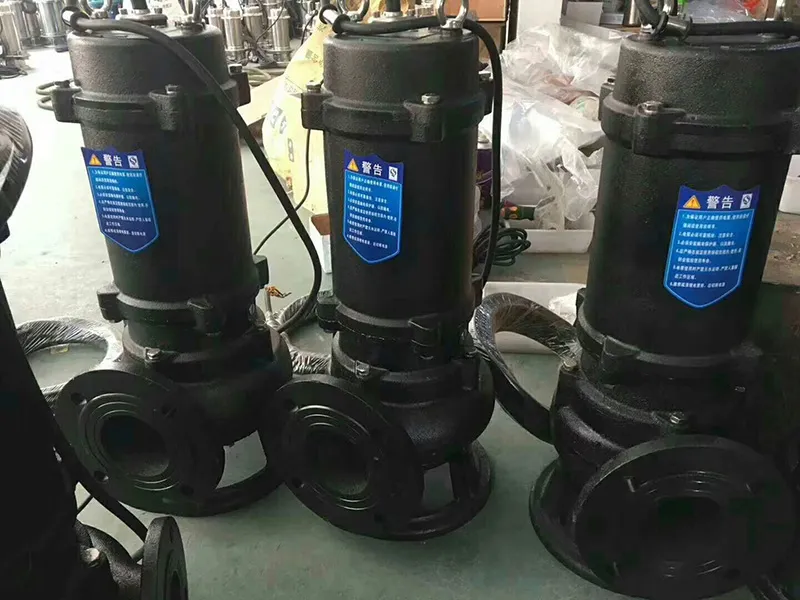
Performance & Engineering
The performance of a water submersible pump is governed by hydraulic principles and engineering design considerations. Force analysis focuses on impeller blade loading, shaft bending moments, and casing pressure distribution – all factors influencing pump longevity. Environmental resistance is paramount, requiring consideration of temperature variations, fluid chemistry (pH levels, dissolved solids), and potential abrasive particle content. Compliance requirements vary by region, encompassing standards set by organizations like the Hydraulic Institute (HI), the National Electrical Manufacturers Association (NEMA), and local regulatory bodies. Specifically, pump curves (head vs. flow rate) are generated according to HI standards to characterize performance. Motor design adheres to NEMA MG 1 standards for efficiency and temperature rise limits. Functional implementation requires careful matching of the pump’s hydraulic characteristics to the system’s head-flow demands. This includes proper sizing of the pump, selection of appropriate impeller trim, and implementation of variable frequency drives (VFDs) to optimize energy consumption. Cavitation, a phenomenon resulting from pressure drop below the fluid’s vapor pressure, is a critical concern addressed through optimized impeller geometry and sufficient submergence depth. Proper bearing lubrication (typically using grease conforming to NLGI standards) is essential for minimizing friction and extending bearing life. Pump selection should also consider the Net Positive Suction Head Required (NPSHr) to avoid cavitation.
Technical Specifications
| Parameter | Unit | Typical Range | Industry Standard/Test Method |
|---|---|---|---|
| Flow Rate | GPM (US) | 50 – 5000 | HI 1.6 |
| Total Dynamic Head (TDH) | ft | 20 – 500 | HI 1.6 |
| Pump Efficiency | % | 60 – 85 | HI 1.6 |
| Motor Power | HP | 0.5 – 500 | NEMA MG 1 |
| Maximum Submergence Depth | ft | 30 – 300 | Manufacturer Specification |
| Fluid Temperature Range | °F | 32 – 140 | Pump Material Compatibility |
Failure Mode & Maintenance
Water submersible pumps are susceptible to various failure modes. Fatigue cracking in the pump casing or impeller can occur due to cyclical pressure loading and stress concentration, often exacerbated by corrosion. Delamination of coatings (e.g., epoxy or polyurethane) on pump components reduces corrosion resistance. Degradation of elastomeric seals leads to water ingress and motor failure. Oxidation of metallic components (particularly in aggressive fluids) weakens material strength. Bearing failure is common due to inadequate lubrication, contamination, or excessive loading. Electrical failures, including winding insulation breakdown and cable damage, pose significant risks. Preventative maintenance includes regular inspection of seals, bearings, and cable connections; periodic oil analysis to monitor bearing health; and cleaning of pump intake screens to prevent clogging. Scheduled motor winding insulation resistance testing (using a megohmmeter, conforming to IEEE 43 standards) is crucial for detecting early signs of insulation degradation. For corrosion-related failures, implementing cathodic protection or utilizing corrosion-resistant alloys is recommended. Repair strategies involve component replacement, seal refurbishment, and rewinding of electric motors. Detailed failure analysis, including metallographic examination and chemical analysis, is essential for identifying root causes and preventing recurrence.
Industry FAQ
Q: What is the impact of solids content on pump selection and lifespan?
A: Higher solids content necessitates pumps designed with abrasion-resistant materials (e.g., high-chrome cast iron, hardened stainless steel) and larger impeller passages to prevent clogging. Impeller wear rates will increase significantly, reducing pump efficiency and requiring more frequent maintenance or replacement. The pump’s vortex or recessed impeller design is better suited for handling solids compared to a radial flow impeller.
Q: How do you determine the appropriate pump size for a given application?
A: Pump sizing requires a precise calculation of the system’s total dynamic head (TDH) – considering static lift, friction losses in piping, and pressure requirements at the discharge point – and the required flow rate. Using a pump curve and system curve intersection method ensures the pump operates at its best efficiency point (BEP). Oversizing leads to inefficiency and potential cavitation; undersizing results in insufficient flow.
Q: What are the common causes of motor failure in submersible pumps?
A: The most frequent causes of motor failure are water ingress due to seal failure, winding insulation breakdown caused by overheating or moisture, and bearing failure due to lack of lubrication or contamination. Proper sealing, regular insulation resistance testing, and scheduled bearing maintenance are crucial preventative measures.
Q: How does the fluid’s specific gravity affect pump performance?
A: Pump performance (head and flow rate) is inversely proportional to the fluid’s specific gravity. Pumping fluids with higher specific gravity (e.g., brine) requires a pump capable of generating higher torque and head. Pump curves are typically generated for water (specific gravity = 1.0); performance adjustments must be made for other fluids.
Q: What are the advantages of using a VFD with a submersible pump?
A: A VFD allows for precise control of pump speed, enabling optimization of flow rate to match system demand. This results in significant energy savings, reduced mechanical stress on the pump, and extended pump life. VFDs also offer soft-starting capabilities, minimizing inrush current and reducing wear and tear on the motor.
Conclusion
Water submersible pumps represent a sophisticated engineering solution for fluid transfer applications, demanding a comprehensive understanding of material science, hydraulic principles, and industry standards. Optimal pump selection and operation hinge on accurate system analysis, meticulous maintenance practices, and proactive failure prevention. The selection of appropriate materials, coupled with robust manufacturing processes and stringent quality control, are essential for ensuring long-term reliability and minimizing total cost of ownership.
Future trends in submersible pump technology include the development of more efficient motor designs, the integration of smart sensors for predictive maintenance, and the adoption of advanced materials to enhance corrosion resistance and abrasion resistance. Continued innovation in sealing technologies and control systems will further optimize performance and reduce environmental impact. The increasing focus on energy efficiency and sustainable water management will drive demand for intelligent pump solutions capable of adapting to dynamic operating conditions.
-
Precision at the Pump: How Better Machining Protects Flow and Uptime
News2026-11-20
-
Why Pump Reliability Begins Before the First Drop of Fluid
News2026-11-20
-
Beyond the Pump: Designing Safer Access Around Critical Water Infrastructure
News2026-11-20
-
Why Pumping Stations Depend on the Infrastructure Beneath the Pumps
News2026-11-20
-
Beyond the Pump Room: How Smarter Loading Protects Industrial Equipment
News2026-11-19
-
When Pumps Stop: Designing More Resilient Power for Critical Pumping Systems
News2026-11-19
-
The Hidden Role of Dust and Gas Monitoring in Reliable Pump Operations
News2026-11-19
-
The Hidden Role of Mineral Compounds in Extending Industrial Pump Lifespan
News2026-10-12
-
Why Pump System Reliability Depends on Precision Hose Assembly Methods
News2026-09-15
-
How Advanced Imaging Films Are Transforming Pump Component Quality Control
News2026-08-25
-
How Advanced Filtration Protects Pump Systems from Premature Wear and Costly Downtime
News2026-08-25
-
How Steel Material Selection Drives Pump Reliability in Heavy-Duty Systems
News2026-08-25
-
Ensuring Pump System Efficiency: The Role of High-Quality Pipe Fittings and Tubing
News2026-08-24
-
Optimizing Fluid Dynamics and Material Consistency in Industrial Processing
News2026-08-18
-
Innovations and Challenges in Hydraulic Systems for Heavy Machinery
News2026-08-13




