English
- Afrikaans
- Albanian
- Amharic
- Arabic
- Armenian
- Azerbaijani
- Basque
- Belarusian
- Bengali
- Bosnian
- Bulgarian
- Catalan
- Cebuano
- Corsican
- Croatian
- Czech
- Danish
- Dutch
- English
- Esperanto
- Estonian
- Finnish
- French
- Frisian
- Galician
- Georgian
- German
- Greek
- Gujarati
- Haitian Creole
- hausa
- hawaiian
- Hebrew
- Hindi
- Miao
- Hungarian
- Icelandic
- igbo
- Indonesian
- irish
- Italian
- Japanese
- Javanese
- Kannada
- kazakh
- Khmer
- Rwandese
- Korean
- Kurdish
- Kyrgyz
- Lao
- Latin
- Latvian
- Lithuanian
- Luxembourgish
- Macedonian
- Malgashi
- Malay
- Malayalam
- Maltese
- Maori
- Marathi
- Mongolian
- Myanmar
- Nepali
- Norwegian
- Norwegian
- Occitan
- Pashto
- Persian
- Polish
- Portuguese
- Punjabi
- Romanian
- Russian
- Samoan
- Scottish Gaelic
- Serbian
- Sesotho
- Shona
- Sindhi
- Sinhala
- Slovak
- Slovenian
- Somali
- Spanish
- Sundanese
- Swahili
- Swedish
- Tagalog
- Tajik
- Tamil
- Tatar
- Telugu
- Thai
- Turkish
- Turkmen
- Ukrainian
- Urdu
- Uighur
- Uzbek
- Vietnamese
- Welsh
- Bantu
- Yiddish
- Yoruba
- Zulu

Telephone: +86 13120555503
Email: frank@cypump.com


Apr . 01, 2024 17:55 Back to list
water submersible pump Performance Engineering
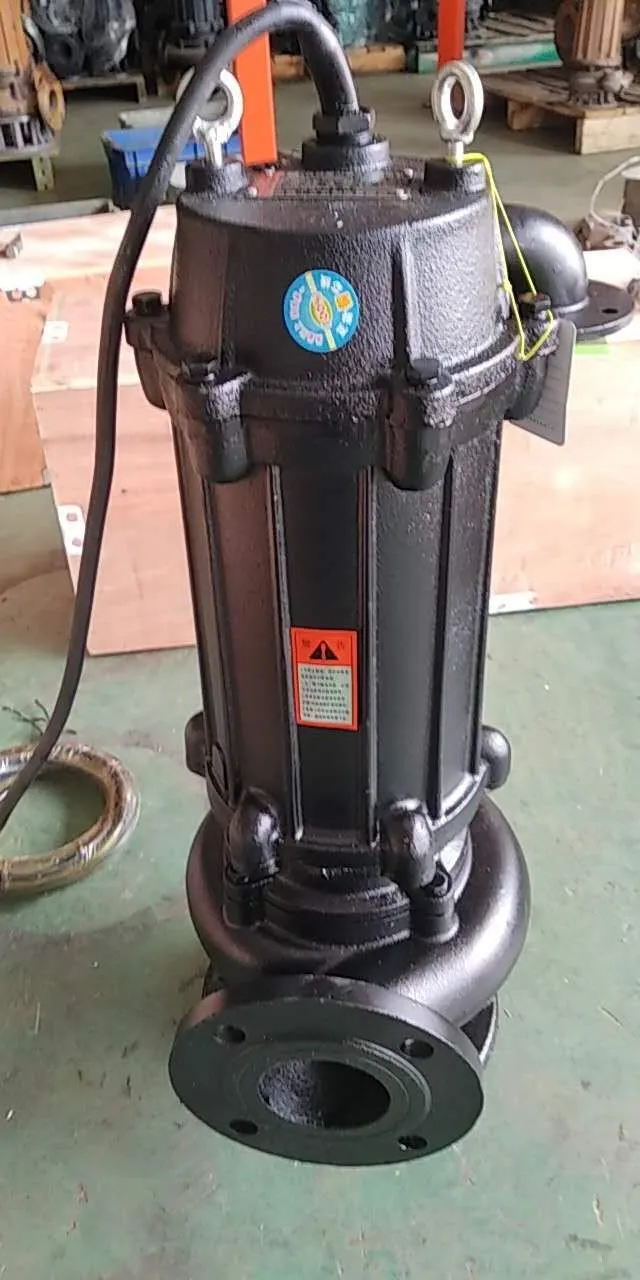
Introduction
Water submersible pumps are centrifugal pumps designed for fully submerged operation. Positioned within the water source itself – wells, boreholes, tanks, or sumps – these pumps offer efficient fluid transfer in a variety of applications, ranging from domestic water supply and irrigation to wastewater treatment and industrial dewatering. Unlike surface pumps requiring priming, submersible pumps utilize positive displacement to push water upwards, minimizing cavitation risks and offering consistent performance. Core performance characteristics include flow rate (measured in gallons per minute or liters per second), head (the maximum height the pump can lift water, measured in feet or meters), power consumption (typically expressed in horsepower or kilowatts), and overall efficiency (the ratio of hydraulic power output to electrical power input). Their hermetically sealed motor construction ensures electrical safety in submerged environments. The growing demand for efficient water management and remote operation drives continued innovation in submersible pump technology, specifically in motor design, materials science, and control systems.
Material Science & Manufacturing
The construction of a water submersible pump necessitates careful material selection to resist corrosion, abrasion, and mechanical stress. Pump housings and impellers are commonly manufactured from cast iron (ASTM A48 Class 30), stainless steel (specifically 304 and 316 for enhanced corrosion resistance – ASTM A743), or engineered polymers (such as Polypropylene or Nylon 66 for specific applications). Motor casings are typically aluminum alloy (ADC12) providing both lightweight construction and thermal dissipation. Shafts are manufactured from high-strength alloy steel (4140, heat-treated to Rockwell C 45-50) for torsional rigidity and fatigue resistance. Manufacturing processes include: Casting: Precise sand casting or investment casting is used to create complex housing shapes. Critical dimensions are maintained through rigorous quality control. Machining: CNC machining is employed to achieve tight tolerances on impellers, diffusers, and shafts. Surface finishes are critical to minimizing hydraulic losses. Welding: Shielded Metal Arc Welding (SMAW) or Gas Tungsten Arc Welding (GTAW) are utilized for joining components, requiring qualified welders and non-destructive testing (radiography, ultrasonic testing) to ensure weld integrity per AWS D1.1 standards. Motor Winding: The stator windings are precisely wound with insulated copper wire (IEC 60317) and encapsulated in epoxy resin for moisture protection and mechanical stability. Critical parameters during winding include wire gauge, turn ratio, and insulation resistance. Assembly: Final assembly involves careful sealing using O-rings (NBR, Viton) and gaskets (EPDM) to ensure a watertight enclosure, and rigorous testing of hydraulic performance and electrical safety per IEC 60034-1.
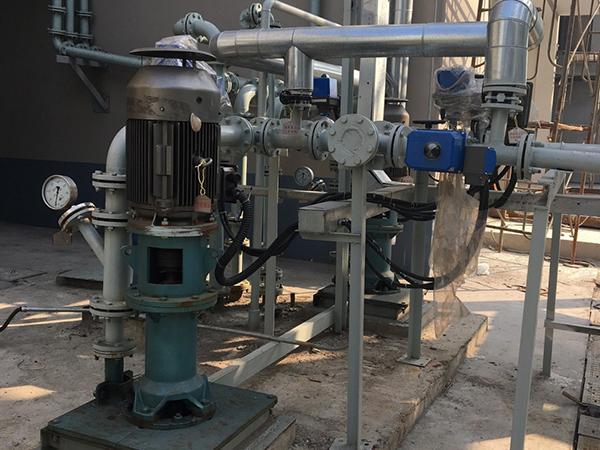
Performance & Engineering
The performance of a water submersible pump is governed by hydraulic principles and engineering design considerations. Force analysis involves evaluating the radial and axial loads on the shaft, bearings, and impeller. Bearing selection (typically deep-groove ball bearings or tapered roller bearings – ISO 281) is critical to ensure longevity under these loads. Environmental resistance is a key factor; pumps operating in corrosive environments (e.g., saltwater or acidic water) require materials with high corrosion allowances and protective coatings (epoxy or polyurethane). Compliance requirements dictate specific performance standards. For example, pumps supplying potable water must comply with NSF/ANSI 61 standards for lead content and material safety. Pump efficiency is maximized through careful impeller design, utilizing computational fluid dynamics (CFD) to optimize blade geometry and minimize hydraulic losses. The pump's hydraulic power output (Ph) is determined by the product of flow rate (Q) and total dynamic head (H): Ph = Q H γ, where γ is the specific weight of the fluid. Electrical power input (Pe) and efficiency (η) are calculated as: η = Ph / Pe. Variable Frequency Drives (VFDs) are increasingly integrated to control pump speed and optimize energy consumption based on fluctuating demand.
Technical Specifications
| Parameter | Unit | Typical Value (Residential) | Typical Value (Industrial) |
|---|---|---|---|
| Flow Rate | GPM (Gallons per Minute) | 10-30 | 50-500 |
| Total Dynamic Head | ft (feet) | 50-100 | 100-500 |
| Power | HP (Horsepower) | 1/2 - 1 | 5-50 |
| Voltage | V (Volts) | 120/240 | 230/460/575 |
| Impeller Material | - | Thermoplastic | Stainless Steel/Cast Iron |
| Maximum Submergence | ft (feet) | 20 | 300 |
Failure Mode & Maintenance
Water submersible pumps are susceptible to several failure modes. Fatigue Cracking: Cyclic loading from impeller rotation can induce fatigue cracking in the shaft or impeller. Regular vibration analysis (ISO 10816) can detect early signs of fatigue. Bearing Failure: Contamination or inadequate lubrication leads to bearing wear and eventual failure. Implementing a scheduled greasing program (using appropriate bearing grease – NLGI Grade 2) is essential. Seal Failure: Degradation of O-rings or gaskets causes water ingress into the motor, leading to short circuits. Regular inspection and replacement of seals are crucial. Cable Failure: Abrasion or chemical attack can compromise the power cable insulation, creating a shock hazard. Employing shielded cables and protective sleeving mitigates this risk. Impeller Clogging: Debris accumulation reduces pump efficiency and can cause motor overload. Installing a strainer or filter protects the impeller. Maintenance recommendations include: periodic inspection of the power cable and seals; monitoring motor temperature and current draw; regular cleaning of the pump intake; and professional servicing every 12-24 months. Proper storage during periods of inactivity (draining and drying) prevents corrosion and prolongs service life. Root cause failure analysis (RCFA) using techniques like 5-Whys or Fishbone diagrams should be performed on any significant failures to prevent recurrence.
Industry FAQ
Q: What is the impact of water temperature on pump performance and lifespan?
A: Elevated water temperatures reduce the density and viscosity of the fluid, potentially increasing flow rates but also decreasing the pump's net positive suction head available (NPSHa). High temperatures also accelerate the degradation of pump seals and motor insulation, reducing lifespan. Pumps operating in hot water applications require temperature-rated materials and potentially cooling systems.
Q: How do I determine the appropriate pump size for my application?
A: Determining pump size requires calculating the total dynamic head (TDH), which accounts for static lift, friction losses in the piping system, and discharge pressure. Accurately estimating the required flow rate is also essential. Utilizing pump performance curves provided by the manufacturer and consulting with a qualified engineer ensures optimal pump selection.
Q: What are the advantages of using a stainless steel pump versus a cast iron pump?
A: Stainless steel pumps offer significantly superior corrosion resistance, making them ideal for applications involving aggressive fluids or saltwater environments. While more expensive upfront, they have a longer service life and require less maintenance in corrosive conditions. Cast iron pumps are generally suitable for clean water applications where corrosion is not a significant concern.
Q: How can I prevent sand or sediment from damaging my submersible pump?
A: Installing a properly sized strainer or filter upstream of the pump intake is the most effective method for preventing sand and sediment ingress. Regular cleaning or replacement of the strainer is crucial to maintain optimal flow and prevent impeller wear. Consider pumps designed with sand-resistant impellers for particularly abrasive environments.
Q: What safety precautions should be taken when installing and maintaining a submersible pump?
A: Always disconnect the power supply before performing any maintenance. Ensure the pump is properly grounded to prevent electrical shock. Use appropriate personal protective equipment (PPE), including gloves, safety glasses, and insulated tools. Follow the manufacturer's installation and maintenance instructions meticulously.
Conclusion
Water submersible pumps represent a crucial technology in fluid transfer, offering reliable and efficient operation across a diverse range of applications. Their performance hinges on careful material selection, precision manufacturing, and adherence to stringent industry standards. Understanding the potential failure modes and implementing proactive maintenance strategies are critical to maximizing pump lifespan and minimizing downtime.
Ongoing innovation in motor design, control systems, and materials science will continue to enhance the efficiency, reliability, and environmental sustainability of submersible pump technology. Future development will likely focus on intelligent pump control systems utilizing IoT sensors and predictive maintenance algorithms to optimize performance and reduce operational costs.
-
Comprehensive Guide to Waterproof ORings for Optimal Sealing Solutions
News2026-06-09
-
basement plumbing pump Performance Engineering
News2026-06-14
-
water submersible pump Performance Engineering
News2026-06-14
-
Septic Systems with Pumps Performance Analysis
News2026-06-14
-
Septic Pump Systems Performance Analysis
News2026-06-14
-
septic ejector pump Material Science and Manufacturing
News2026-06-14
-
septic effluent pump Performance and Engineering
News2026-06-13
-
ejector sump pump Performance Engineering
News2026-06-13
-
Wastewater Pump Performance Analysis
News2026-06-13
-
waste water pumps Material Science Manufacturing
News2026-06-13
-
submersible sewage pumps Material Science Manufacturing
News2026-06-13
-
submersable pumps Performance Analysis
News2026-06-12
-
submerge pump Performance Analysis
News2026-06-12
-
Septic Tank Lift Pump Performance Analysis
News2026-06-12
-
Septic System Pump Replacement Performance Analysis
News2026-06-12




