English
- Afrikaans
- Albanian
- Amharic
- Arabic
- Armenian
- Azerbaijani
- Basque
- Belarusian
- Bengali
- Bosnian
- Bulgarian
- Catalan
- Cebuano
- Corsican
- Croatian
- Czech
- Danish
- Dutch
- English
- Esperanto
- Estonian
- Finnish
- French
- Frisian
- Galician
- Georgian
- German
- Greek
- Gujarati
- Haitian Creole
- hausa
- hawaiian
- Hebrew
- Hindi
- Miao
- Hungarian
- Icelandic
- igbo
- Indonesian
- irish
- Italian
- Japanese
- Javanese
- Kannada
- kazakh
- Khmer
- Rwandese
- Korean
- Kurdish
- Kyrgyz
- Lao
- Latin
- Latvian
- Lithuanian
- Luxembourgish
- Macedonian
- Malgashi
- Malay
- Malayalam
- Maltese
- Maori
- Marathi
- Mongolian
- Myanmar
- Nepali
- Norwegian
- Norwegian
- Occitan
- Pashto
- Persian
- Polish
- Portuguese
- Punjabi
- Romanian
- Russian
- Samoan
- Scottish Gaelic
- Serbian
- Sesotho
- Shona
- Sindhi
- Sinhala
- Slovak
- Slovenian
- Somali
- Spanish
- Sundanese
- Swahili
- Swedish
- Tagalog
- Tajik
- Tamil
- Tatar
- Telugu
- Thai
- Turkish
- Turkmen
- Ukrainian
- Urdu
- Uighur
- Uzbek
- Vietnamese
- Welsh
- Bantu
- Yiddish
- Yoruba
- Zulu

Telephone: +86 13120555503
Email: frank@cypump.com


Apr . 01, 2024 17:55 Back to list
water pipeline booster pump Performance Analysis
Introduction
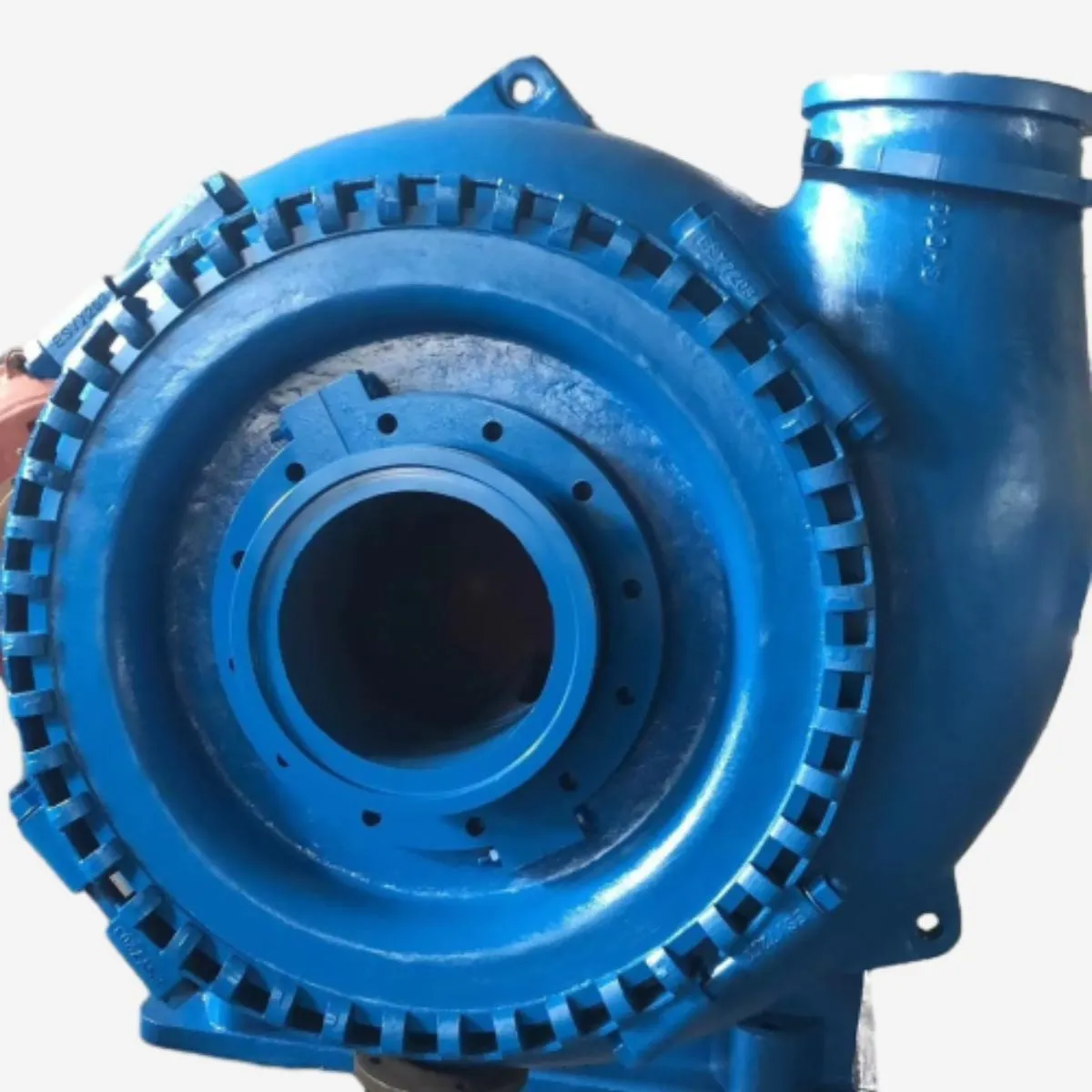
Water pipeline booster pumps are centrifugal pumps designed to increase the pressure of water within pipeline systems. Positioned strategically within the water distribution network, these pumps compensate for pressure losses due to friction, elevation changes, and increased demand. Their technical position lies between the raw water source/treatment facility and the end-user delivery point. Core performance characteristics center around achieving specified flow rates at designated head pressures, coupled with high efficiency to minimize energy consumption and operational costs. The selection of an appropriate booster pump is crucial for maintaining consistent water pressure and ensuring reliable supply, especially in large municipal water systems, industrial facilities, and high-rise buildings. Failure to adequately address pressure drops can lead to insufficient water supply, system inefficiencies, and potential damage to downstream equipment. These pumps are integral to maintaining hydraulic grade line stability in complex network configurations.
Material Science & Manufacturing
The construction of water pipeline booster pumps necessitates careful material selection to ensure corrosion resistance, mechanical strength, and longevity. Pump housings are commonly manufactured from cast iron (ASTM A48 Class 30), ductile iron (ASTM A536-89), or stainless steel (304/316 grades, per ASTM A240). The choice depends on the water chemistry and anticipated operating environment; aggressive water sources necessitate more corrosion-resistant alloys. Impellers are typically manufactured from cast iron, bronze (ASTM B584), or stainless steel. Bronze offers excellent corrosion resistance but is softer than stainless steel. Shafts are commonly made from high-strength alloy steel (AISI 4140), heat-treated and tempered for optimal tensile strength and fatigue resistance. Seals are critically important and are usually constructed from elastomers like Viton (fluoroelastomer) or EPDM (ethylene propylene diene monomer) rubber, chosen for their chemical compatibility with the conveyed water. Manufacturing processes include sand casting for housings and impellers, followed by precision machining. Welding (SMAW, GMAW, per AWS D1.1) is employed for fabricating pump components and joining parts. Key parameter control during manufacturing focuses on impeller balancing (achieving dynamic balance to minimize vibration – ISO 1940-1), dimensional accuracy (critical for proper seal alignment and pump performance), and surface finish (to reduce friction and improve hydraulic efficiency). Non-destructive testing (NDT) methods such as ultrasonic testing (UT, per ASTM E797) and magnetic particle inspection (MPI, per ASTM E1444) are employed to verify the integrity of welds and castings.
Performance & Engineering
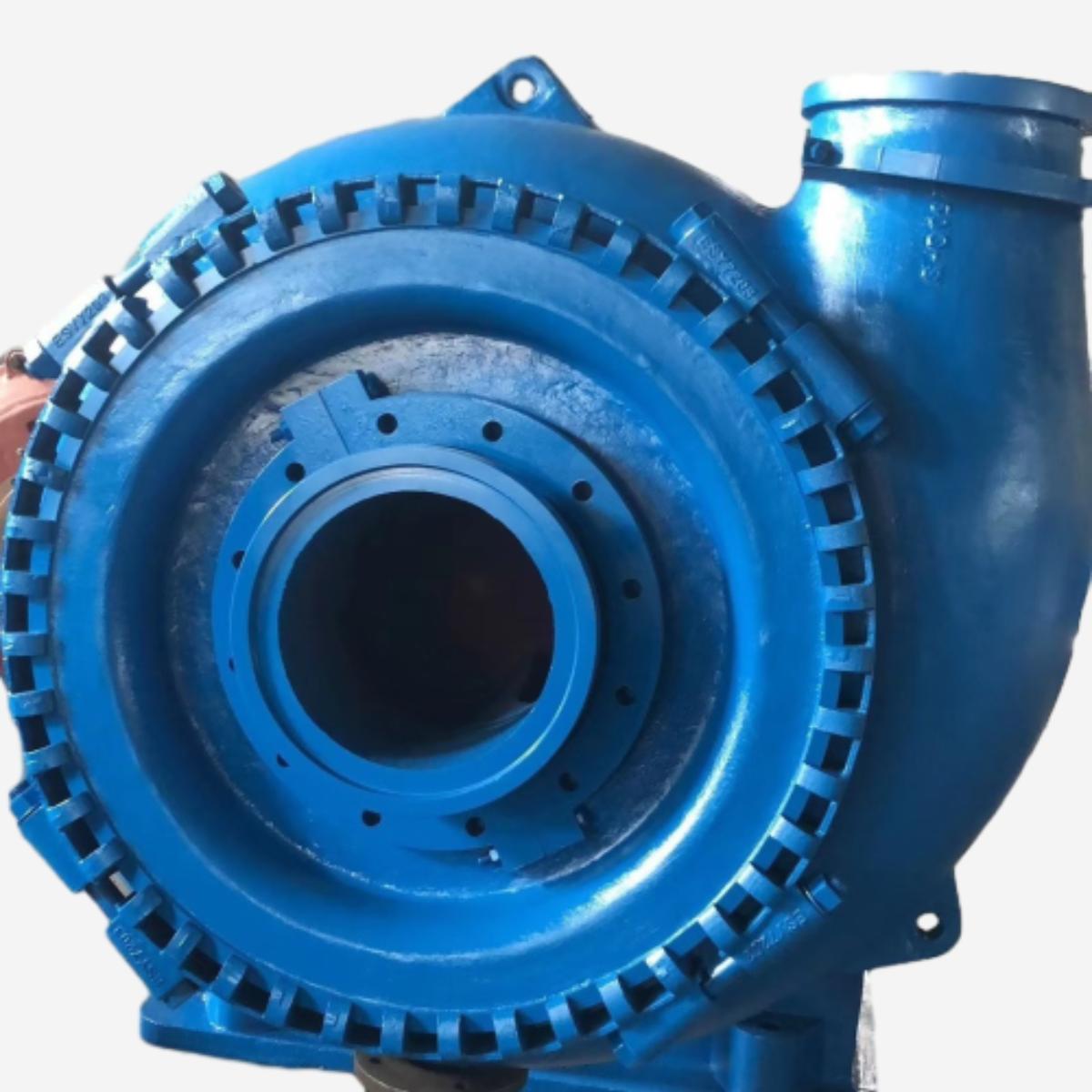
The performance of water pipeline booster pumps is governed by fundamental hydraulic principles. The pump's head (pressure increase) is inversely proportional to the flow rate, as described by the pump curve. Force analysis involves calculating the radial and axial thrust loads on the shaft, resulting from impeller forces and pressure differentials. These loads dictate the required bearing size and type (ball, roller, or hydrodynamic bearings, per ISO 2811-1). Environmental resistance is a crucial design consideration. Pumps operating outdoors require weatherproof enclosures (NEMA 4 or NEMA 4X rated) to protect against rain, snow, and UV radiation. Temperature variations affect the density and viscosity of water, influencing pump performance; pump curves are typically generated at a specific water temperature (e.g., 68°F / 20°C). Compliance requirements include adherence to ANSI/NSF Standard 61 for drinking water system components, ensuring that materials do not leach harmful contaminants into the water. Electrical compliance mandates adherence to IEC 60034-1 for rotating electrical machines and UL 508A for industrial control panels. Functional implementation requires careful consideration of the pump’s Net Positive Suction Head Required (NPSHr) and ensuring that the system provides adequate Net Positive Suction Head Available (NPSHa) to prevent cavitation. Cavitation results in impeller damage, noise, and reduced pump efficiency. Variable Frequency Drives (VFDs) are frequently integrated to modulate pump speed and flow rate, optimizing energy consumption and maintaining constant pressure.
Technical Specifications
| Parameter | Unit | Typical Value (Small Booster Pump) | Typical Value (Large Booster Pump) |
|---|---|---|---|
| Flow Rate | GPM (Gallons Per Minute) | 50-200 | 500-2000 |
| Head | ft (Feet) | 50-150 | 200-500 |
| Motor Power | HP (Horsepower) | 5-15 | 50-200 |
| Voltage | V (Volts) | 230/460 | 460/575 |
| Frequency | Hz (Hertz) | 60 | 60 |
| Impeller Material | - | Cast Iron | Stainless Steel (316) |
Failure Mode & Maintenance
Water pipeline booster pumps are susceptible to several failure modes. Fatigue cracking of the impeller, particularly near the eye, can occur due to cyclical loading and cavitation. Delamination of the impeller coating (if applicable) can lead to corrosion and erosion. Seal failure is a common issue, resulting in leakage and reduced pump efficiency. Bearing failure, manifesting as noise and vibration, is often caused by inadequate lubrication, contamination, or excessive loading. Corrosion, particularly in pumps handling aggressive water, leads to weakening of components and eventual failure. Oxidation of motor windings can occur due to exposure to moisture and high temperatures. Regular maintenance is crucial for preventing these failures. This includes routine visual inspections for leaks, corrosion, and unusual noise. Periodic vibration analysis (ISO 10816) can detect bearing wear and misalignment. Lubrication of bearings according to manufacturer recommendations is essential. Seal replacement should be performed proactively based on operating hours or leak detection. Impeller inspection and cleaning to remove deposits and debris are also critical. Motor winding insulation resistance testing (using a megohmmeter, per IEEE 43) assesses winding integrity. Furthermore, regular monitoring of pump performance parameters (flow rate, pressure, power consumption) can identify deviations from baseline values, indicating potential issues.
Industry FAQ
Q: What is the impact of varying water temperatures on pump performance?
A: Water temperature affects its density and viscosity. Lower temperatures increase density and viscosity, which can slightly reduce pump flow rate and increase power consumption. Pump curves are typically generated at a standard temperature (e.g., 20°C), and performance will deviate as the actual water temperature changes. Consider a temperature correction factor when selecting the pump, especially in applications with significant temperature fluctuations.
Q: How can cavitation be prevented in a booster pump system?
A: Cavitation occurs when the absolute pressure at the pump suction drops below the vapor pressure of the water. To prevent it, ensure adequate Net Positive Suction Head Available (NPSHa) exceeds the pump’s Net Positive Suction Head Required (NPSHr) by a sufficient margin (typically 3-5 feet). This can be achieved by increasing suction pipe diameter, reducing suction pipe length, lowering the pump elevation, or increasing the water level in the suction tank.
Q: What are the advantages of using a Variable Frequency Drive (VFD) with a booster pump?
A: VFDs offer significant energy savings by adjusting pump speed to match demand, avoiding throttling losses. They also provide precise pressure control, reducing water hammer and improving system stability. Furthermore, VFDs can extend pump life by reducing mechanical stress and wear.
Q: What type of maintenance schedule is recommended for a booster pump operating continuously?
A: Continuous operation requires a more frequent maintenance schedule. This includes daily visual inspections, weekly vibration analysis, monthly lubrication of bearings, quarterly seal inspections, and annual motor winding insulation resistance testing. Implement a preventative maintenance program based on operating hours and manufacturer recommendations.
Q: What material selection is best for a booster pump handling seawater?
A: Seawater is highly corrosive. For seawater applications, pumps must be constructed from materials with exceptional corrosion resistance, such as duplex stainless steel (e.g., UNS S31803, per ASTM A240) or super duplex stainless steel. Coatings, like epoxy or polyurethane, can provide additional protection but require regular inspection and reapplication.
Conclusion
Water pipeline booster pumps are vital components in maintaining consistent and reliable water pressure within distribution networks. The successful deployment of these pumps relies on a thorough understanding of hydraulic principles, material science, and manufacturing processes. Addressing potential failure modes through proactive maintenance and utilizing advanced control technologies like VFDs are crucial for maximizing operational efficiency and minimizing lifecycle costs.
Future advancements in booster pump technology will likely focus on further enhancing energy efficiency through optimized impeller designs and the integration of smart sensors for predictive maintenance. The use of advanced materials, such as ceramic bearings and novel alloys, will also contribute to improved durability and reduced maintenance requirements. Ultimately, the continued evolution of these pumps will be driven by the need to provide safe, sustainable, and reliable water supply to growing populations.
-
Comprehensive Guide to Waterproof ORings for Optimal Sealing Solutions
News2026-06-09
-
heavy duty submersible pump Performance Analysis
News2026-06-25
-
best submersible pump for septic tank Performance Analysis
News2026-06-25
-
basement sewer ejector pump Performance Analysis
News2026-06-25
-
basement pumps ejector pumps Performance Analysis
News2026-06-25
-
basement lift pump Performance and Engineering
News2026-06-25
-
basement bathroom pump systems Performance Analysis
News2026-06-24
-
basement bathroom ejector pump system Performance Engineering
News2026-06-24
-
2 hp sewage pump Performance Engineering
News2026-06-24
-
1 hp septic pump Performance Engineering
News2026-06-24
-
submersible effluent pump Performance Analysis
News2026-06-24
-
submergable pump Material Science
News2026-06-23
-
sewer injection pump Performance Engineering
News2026-06-23
-
Sewer Ejector Pump System Performance Analysis
News2026-06-23
-
septic tank pump for sale Performance Engineering
News2026-06-23




