English
- Afrikaans
- Albanian
- Amharic
- Arabic
- Armenian
- Azerbaijani
- Basque
- Belarusian
- Bengali
- Bosnian
- Bulgarian
- Catalan
- Cebuano
- Corsican
- Croatian
- Czech
- Danish
- Dutch
- English
- Esperanto
- Estonian
- Finnish
- French
- Frisian
- Galician
- Georgian
- German
- Greek
- Gujarati
- Haitian Creole
- hausa
- hawaiian
- Hebrew
- Hindi
- Miao
- Hungarian
- Icelandic
- igbo
- Indonesian
- irish
- Italian
- Japanese
- Javanese
- Kannada
- kazakh
- Khmer
- Rwandese
- Korean
- Kurdish
- Kyrgyz
- Lao
- Latin
- Latvian
- Lithuanian
- Luxembourgish
- Macedonian
- Malgashi
- Malay
- Malayalam
- Maltese
- Maori
- Marathi
- Mongolian
- Myanmar
- Nepali
- Norwegian
- Norwegian
- Occitan
- Pashto
- Persian
- Polish
- Portuguese
- Punjabi
- Romanian
- Russian
- Samoan
- Scottish Gaelic
- Serbian
- Sesotho
- Shona
- Sindhi
- Sinhala
- Slovak
- Slovenian
- Somali
- Spanish
- Sundanese
- Swahili
- Swedish
- Tagalog
- Tajik
- Tamil
- Tatar
- Telugu
- Thai
- Turkish
- Turkmen
- Ukrainian
- Urdu
- Uighur
- Uzbek
- Vietnamese
- Welsh
- Bantu
- Yiddish
- Yoruba
- Zulu

Telephone: +86 13120555503
Email: frank@cypump.com


Apr . 01, 2024 17:55 Back to list
wastewater treatment pumps Performance Analysis
Introduction
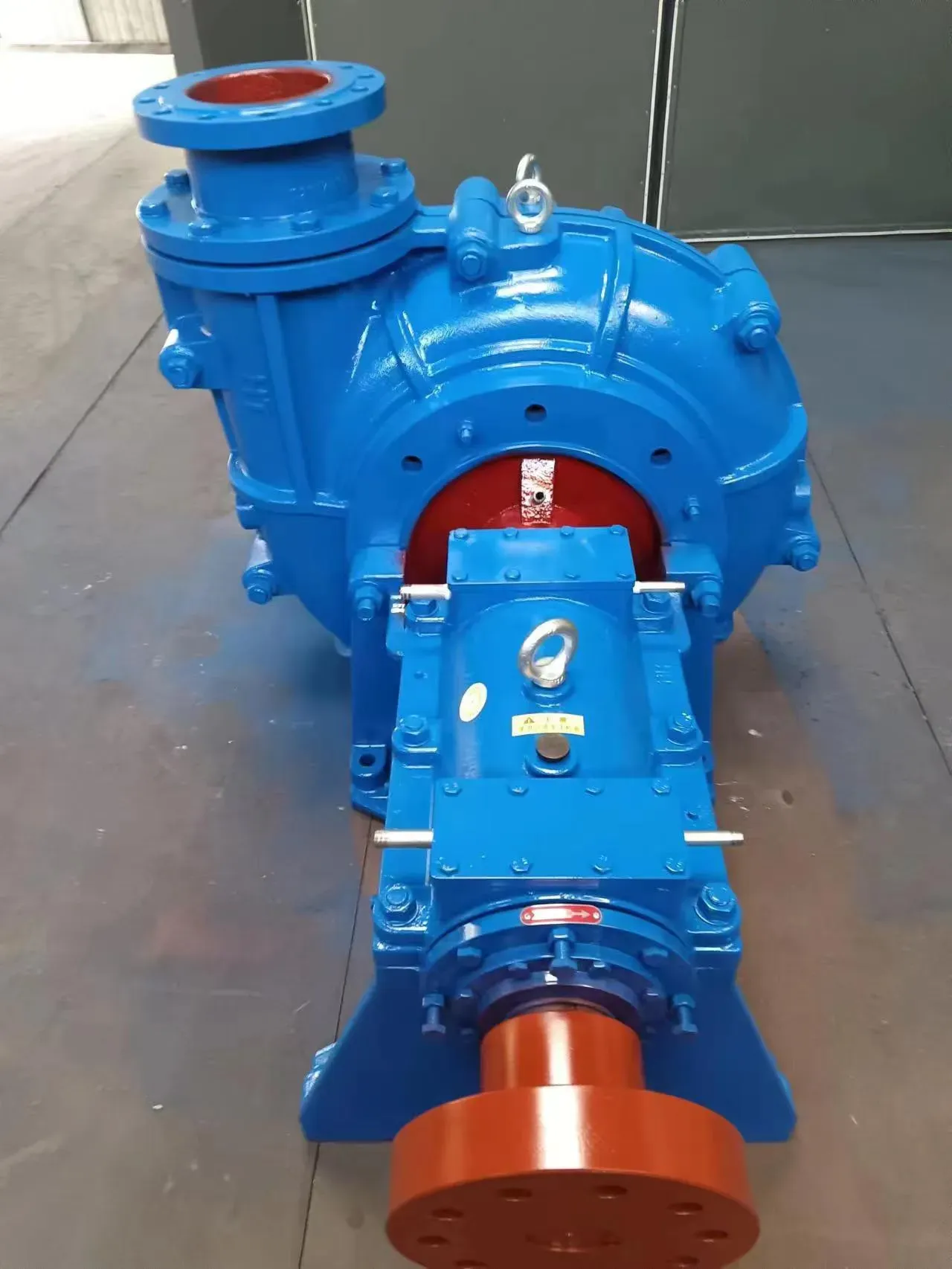
Wastewater treatment pumps are critical components within municipal and industrial wastewater processing facilities, responsible for the conveyance of raw sewage, partially treated effluent, and sludge. These pumps differ significantly from those used in clean water applications due to the abrasive, corrosive, and often highly viscous nature of wastewater. Their technical position in the industry chain falls between initial wastewater collection and subsequent treatment stages like aeration, sedimentation, and disinfection. Core performance indicators for these pumps encompass flow rate (typically measured in gallons per minute or cubic meters per hour), total dynamic head (TDH, measured in feet or meters), solids handling capability (expressed as sphere diameter or percentage solids by weight), and energy efficiency. A primary pain point for operators lies in pump failure due to clogging, wear from abrasive solids, and corrosion from aggressive chemicals present in the wastewater stream. Selecting the appropriate pump type and implementing robust maintenance programs are therefore paramount to ensuring reliable and cost-effective wastewater treatment.
Material Science & Manufacturing
Wastewater treatment pumps utilize a range of materials to withstand the harsh operating environment. Pump casings are commonly constructed from ductile iron (ASTM A536-83) due to its high tensile strength, impact resistance, and relatively low cost. However, for particularly corrosive environments, stainless steel (specifically 316L, conforming to ASTM A743) or specialized alloys like duplex stainless steel are employed. Impeller materials are similarly critical; high-chrome cast iron is frequently used for its abrasion resistance when handling grit and sand. For demanding applications, ceramics or hardened stainless steels may be considered. Manufacturing processes vary based on pump type. Centrifugal pumps typically involve sand casting for the casing followed by machining and coating. Impellers often utilize investment casting for complex geometries. Positive displacement pumps, such as progressing cavity pumps, require precision machining of the stator and rotor to maintain tight clearances. Weldments are common in larger pump structures, demanding qualified welding procedures (AWS D1.1) and non-destructive testing (NDT), including radiographic inspection, to ensure structural integrity. Key parameter control during manufacturing includes dimensional accuracy of impeller vanes, surface finish of wetted parts to minimize friction and corrosion, and proper heat treatment of iron and steel components to achieve desired hardness and ductility. Chemical compatibility testing of all materials with representative wastewater constituents is a critical quality control step.
Performance & Engineering
The performance of wastewater treatment pumps is governed by hydraulic principles and engineering design considerations. Centrifugal pumps, the most prevalent type, rely on impeller rotation to generate centrifugal force, increasing the fluid's kinetic energy and converting it to pressure. Force analysis focuses on stresses within the casing and impeller, accounting for hydrostatic pressure, dynamic forces from fluid flow, and potential impact loads from solids. Pump curves, generated through hydraulic testing (following Hydraulic Institute standards), illustrate the relationship between flow rate, head, and efficiency. Environmental resistance is crucial; pumps must operate reliably across a wide temperature range and withstand exposure to corrosive gases and moisture. Compliance requirements include adherence to National Electrical Manufacturers Association (NEMA) standards for motor enclosures (protection against ingress of solids and liquids - IP ratings) and hydraulic performance standards outlined in ANSI/HI standards. For submersible pumps, ensuring watertight sealing and cable gland integrity (IP68 rating) is paramount. Positive displacement pumps, like progressing cavity pumps, require careful consideration of shear forces to avoid damaging sensitive biological flocs in certain treatment processes. Proper shaft alignment and bearing selection (using SKF or FAG bearings) are critical for minimizing vibration and extending pump life. Furthermore, considerations regarding Net Positive Suction Head Required (NPSHr) must be addressed to prevent cavitation.
Technical Specifications
| Pump Type | Maximum Flow Rate (GPM) | Maximum Head (ft) | Solids Handling Capability (in) |
|---|---|---|---|
| Centrifugal (Submersible) | 5000 | 150 | 2 |
| Centrifugal (Dry-Pit) | 10000 | 250 | 1 |
| Progressing Cavity | 800 | 300 | 0.5 |
| Vortex Impeller | 3000 | 100 | 3 |
| Chopper Pump | 2000 | 200 | 1.5 |
| Diaphragm Pump | 300 | 120 | 0.25 |
Failure Mode & Maintenance
Wastewater treatment pumps are susceptible to several failure modes. Clogging, due to rags, plastics, and other debris, is a common issue, leading to reduced flow and increased motor load. Wear from abrasive solids results in impeller erosion and casing degradation, reducing pump efficiency and potentially causing cavitation. Corrosion, particularly in acidic or alkaline wastewater, attacks pump materials, weakening their structural integrity. Mechanical seal failure allows leakage and can lead to motor damage. Fatigue cracking can occur in pump casings and impellers due to cyclic loading. Delamination of protective coatings exposes underlying metal to corrosion. Oxidation of components can occur over time, especially in pumps exposed to air. Preventive maintenance is crucial and includes regular inspection of impellers, seals, and bearings. Vibration analysis (following ISO 10816) can detect early signs of bearing wear or misalignment. Lubrication schedules must be strictly adhered to. Impeller cleaning or replacement may be necessary to address clogging issues. Corrosion protection measures, such as applying epoxy coatings (conforming to ASTM D3487) or utilizing corrosion-resistant alloys, are essential. Regular monitoring of pump performance parameters (flow rate, head, power consumption) can help identify potential problems before they escalate.
Industry FAQ
Q: What is the best material for a pump impeller handling a highly abrasive sludge?
A: For highly abrasive sludge, a high-chrome cast iron impeller is generally the most cost-effective solution. The high chromium content (typically 15-30%) imparts excellent wear resistance. However, for extremely abrasive applications or where prolonged life is critical, consider ceramic impellers or impellers made from hardened stainless steel alloys. The choice depends on a detailed cost-benefit analysis considering the severity of abrasion and desired lifespan.
Q: How do I determine the appropriate pump size for a new wastewater treatment plant?
A: Determining the appropriate pump size requires a thorough hydraulic analysis of the entire wastewater treatment system. This includes accurately calculating peak flow rates, static head, friction losses in piping, and elevation changes. You should consult with a qualified process engineer and utilize hydraulic modeling software to optimize pump selection. Oversizing pumps can lead to inefficiency and increased energy costs, while undersizing can result in inadequate treatment capacity.
Q: What are the common causes of cavitation in wastewater pumps?
A: Cavitation occurs when the absolute pressure at the pump inlet drops below the vapor pressure of the liquid, forming vapor bubbles that collapse violently, damaging the impeller. Common causes include insufficient Net Positive Suction Head Available (NPSHa), high pump speed, clogged suction lines, and excessive suction lift. Ensuring adequate NPSHa, proper suction line sizing, and regular maintenance to prevent obstructions are crucial.
Q: What maintenance procedures are critical for extending the life of submersible pumps?
A: Critical maintenance procedures for submersible pumps include regular inspection of the power cable and sealing system to prevent water ingress, periodic cleaning of the impeller to remove accumulated solids, and monitoring of motor current and temperature. Bearing lubrication (if applicable) should be performed according to the manufacturer's recommendations. Regularly testing the integrity of the float switches is also essential.
Q: How do vortex impellers differ from traditional centrifugal impellers in wastewater applications?
A: Vortex impellers are specifically designed to handle solids-laden wastewater without clogging. They create a swirling motion that draws the fluid into the pump, allowing solids to pass through the impeller without being damaged or causing obstructions. While vortex impellers generally have lower efficiency than traditional centrifugal impellers, they offer superior reliability in applications with high solids content.
Conclusion
Wastewater treatment pumps represent a complex interplay of material science, hydraulic engineering, and operational best practices. Successful implementation relies on careful pump selection, accounting for the specific characteristics of the wastewater being treated, including solids content, corrosivity, and flow rate requirements. The appropriate choice of materials, manufacturing processes, and adherence to relevant industry standards are all essential for ensuring long-term reliability and minimizing lifecycle costs.
Moving forward, innovations in pump design, such as intelligent pump controllers and advanced materials, will continue to improve efficiency and reduce maintenance needs. Proactive monitoring and data analytics will enable predictive maintenance strategies, minimizing downtime and optimizing pump performance. A holistic approach to pump system design, considering the entire wastewater treatment process, is crucial for achieving sustainable and cost-effective wastewater management.
-
Comprehensive Guide to Waterproof ORings for Optimal Sealing Solutions
News2026-06-09
-
submergable pump Material Science
News2026-06-23
-
sewer injection pump Performance Engineering
News2026-06-23
-
Sewer Ejector Pump System Performance Analysis
News2026-06-23
-
septic tank pump for sale Performance Engineering
News2026-06-23
-
septic pump for sale Performance Engineering
News2026-06-23
-
septic ejector system Performance Analysis
News2026-06-22
-
replace septic pump Performance Analysis
News2026-06-22
-
pump system septic tank Performance Analysis
News2026-06-22
-
lift pump for sewer Performance and Engineering
News2026-06-22
-
industrial submersible water pump Material Science
News2026-06-22
-
industrial submersible pumps Material Science and Manufacturing
News2026-06-21
-
best sewer ejector pump Performance Analysis
News2026-06-21
-
best septic pump Performance Analysis
News2026-06-21
-
1 2 hp septic pump Performance Engineering
News2026-06-21




