English
- Afrikaans
- Albanian
- Amharic
- Arabic
- Armenian
- Azerbaijani
- Basque
- Belarusian
- Bengali
- Bosnian
- Bulgarian
- Catalan
- Cebuano
- Corsican
- Croatian
- Czech
- Danish
- Dutch
- English
- Esperanto
- Estonian
- Finnish
- French
- Frisian
- Galician
- Georgian
- German
- Greek
- Gujarati
- Haitian Creole
- hausa
- hawaiian
- Hebrew
- Hindi
- Miao
- Hungarian
- Icelandic
- igbo
- Indonesian
- irish
- Italian
- Japanese
- Javanese
- Kannada
- kazakh
- Khmer
- Rwandese
- Korean
- Kurdish
- Kyrgyz
- Lao
- Latin
- Latvian
- Lithuanian
- Luxembourgish
- Macedonian
- Malgashi
- Malay
- Malayalam
- Maltese
- Maori
- Marathi
- Mongolian
- Myanmar
- Nepali
- Norwegian
- Norwegian
- Occitan
- Pashto
- Persian
- Polish
- Portuguese
- Punjabi
- Romanian
- Russian
- Samoan
- Scottish Gaelic
- Serbian
- Sesotho
- Shona
- Sindhi
- Sinhala
- Slovak
- Slovenian
- Somali
- Spanish
- Sundanese
- Swahili
- Swedish
- Tagalog
- Tajik
- Tamil
- Tatar
- Telugu
- Thai
- Turkish
- Turkmen
- Ukrainian
- Urdu
- Uighur
- Uzbek
- Vietnamese
- Welsh
- Bantu
- Yiddish
- Yoruba
- Zulu

Telephone: +86 13120555503
Email: frank@cypump.com


Apr . 01, 2024 17:55 Back to list
wastewater treatment plant pumps Material Science Manufacturing
Introduction
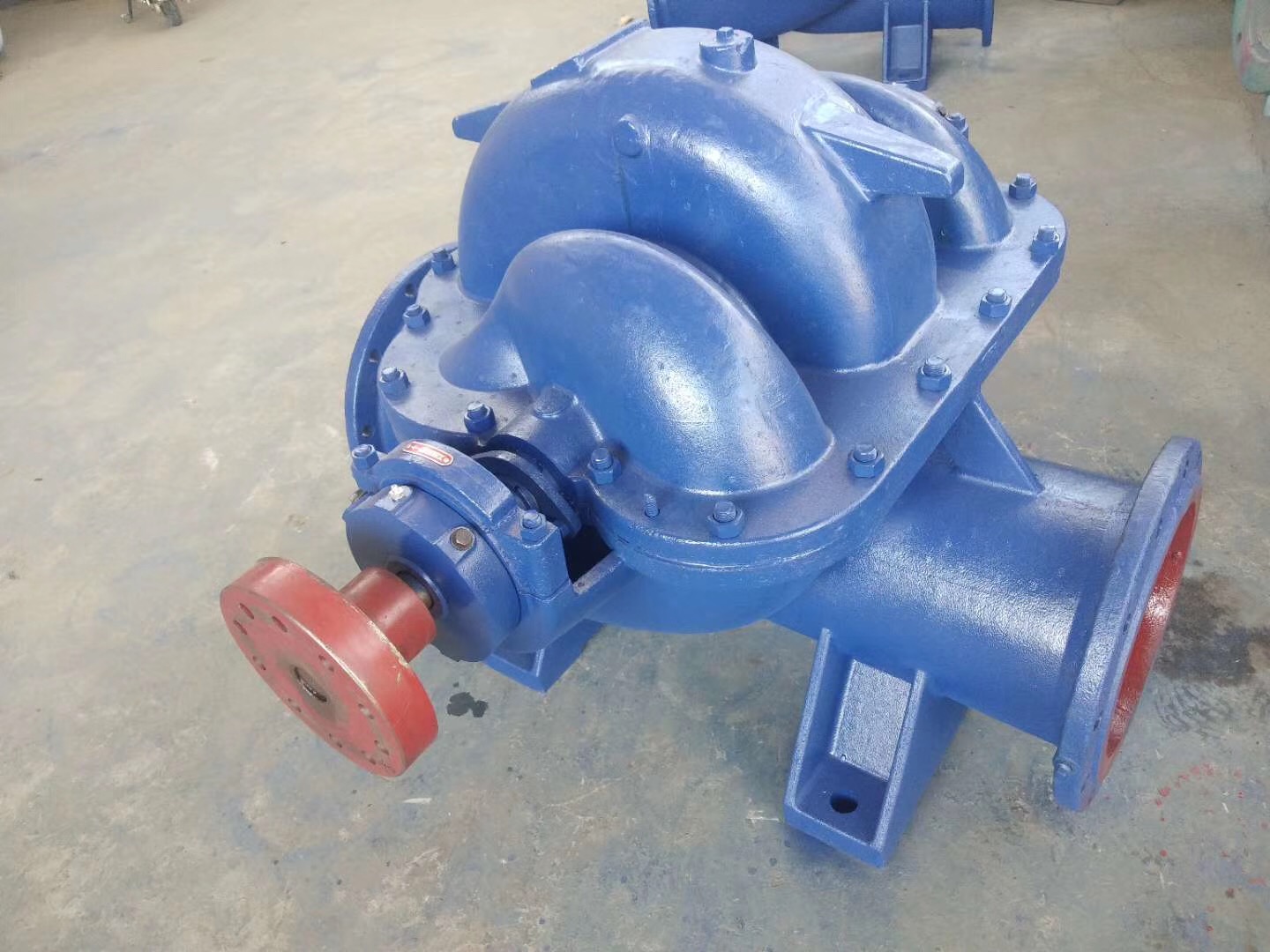
Wastewater treatment plant pumps are critical components within municipal and industrial wastewater treatment facilities. Their primary function is to transfer wastewater through various stages of treatment, including preliminary treatment (screening, grit removal), primary clarification, secondary biological treatment (activated sludge, trickling filters), and tertiary filtration/disinfection. These pumps differ significantly from those used in simpler water transfer applications due to the highly abrasive, corrosive, and often solids-laden nature of wastewater. Selection criteria are driven by flow rate, head requirements, solids handling capability, and chemical resistance. Common pump types include centrifugal pumps (specifically non-clog and vortex impeller designs), positive displacement pumps (progressive cavity and diaphragm pumps), and submersible pumps. A failure in any of these pumps can lead to process upsets, environmental non-compliance, and substantial repair costs. The industry faces ongoing challenges related to energy efficiency, reducing maintenance downtime, and accommodating increasingly stringent discharge regulations.
Material Science & Manufacturing
The materials used in wastewater treatment plant pump construction are paramount to longevity and reliable operation. Pump casings are frequently manufactured from ductile iron (ASTM A536-83) due to its high tensile strength, impact resistance, and corrosion resistance when properly coated. Impellers, exposed to the most abrasive elements, often utilize high-chrome iron alloys (typically exceeding 15% chromium) or hardened stainless steels (316 or duplex stainless steel – ASTM A965) to resist erosion and wear. Shafts are typically manufactured from alloy steel (4140 or 4340) and heat-treated for high tensile strength and torsional rigidity. Sealing components, vital for preventing leakage and contamination, utilize elastomers like Viton (fluoroelastomer – ASTM D1418) or EPDM (ethylene propylene diene monomer rubber – ASTM D1418) chosen for their chemical resistance to the specific wastewater composition. Manufacturing processes vary by pump type. Centrifugal pumps utilize investment casting for complex impeller geometries and sand casting for casings. Positive displacement pumps rely heavily on CNC machining for tight tolerances and precise component fitting. Submersible pumps require epoxy encapsulation of motor windings for electrical insulation in wet environments. Critical parameter control during manufacturing includes dimensional accuracy of impeller blades (affecting hydraulic efficiency), surface finish of pump casings (reducing friction losses), and precise alignment of rotating components (minimizing vibration and wear). Welding processes, where applicable, must adhere to AWS D1.1 standards to ensure structural integrity.
Performance & Engineering
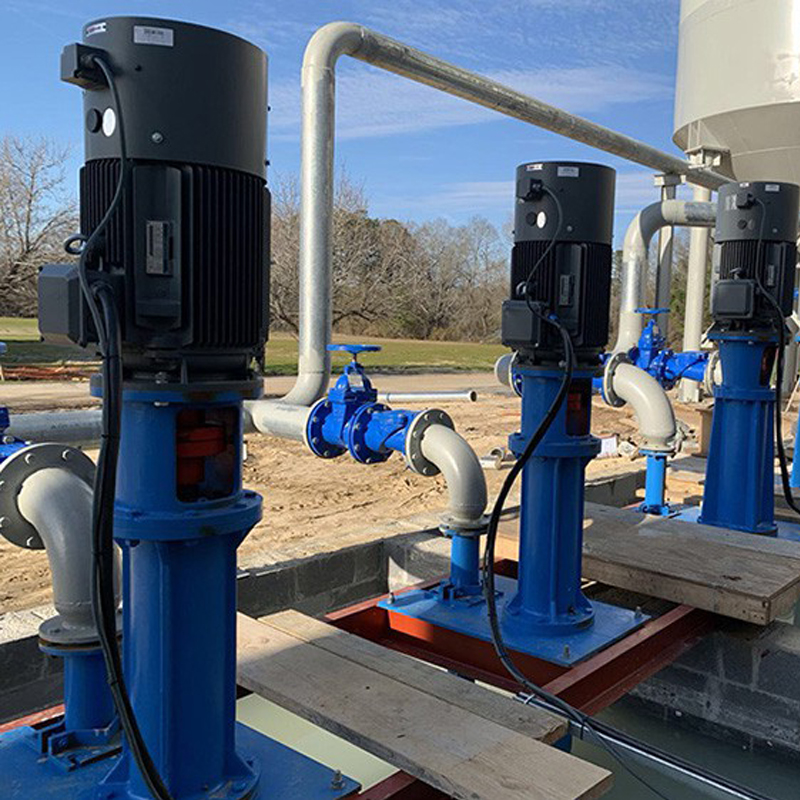
Pump performance is governed by several key engineering principles. Net Positive Suction Head Required (NPSHr) is a critical parameter, dictating the minimum absolute pressure required at the pump suction to prevent cavitation – the formation and collapse of vapor bubbles, which causes erosion and noise. Pump curves, generated through hydraulic testing (ANSI/HI 1.1), illustrate the relationship between flow rate, head, and efficiency. Force analysis is vital in pump design, accounting for hydraulic forces acting on the impeller, radial and axial thrust loads on the shaft, and bending moments on the casing. Environmental resistance is a significant concern. Pumps operating outdoors are subjected to temperature extremes, UV radiation, and potential corrosion from atmospheric contaminants. Compliance requirements are stringent, dictated by EPA regulations (Clean Water Act) concerning discharge limits and pump station reliability. Functional implementation often involves Variable Frequency Drives (VFDs) to control pump speed and flow rate, optimizing energy consumption and process control. Pump selection must also consider the specific gravity and viscosity of the wastewater, as these factors influence pump head and power requirements. Proper pipe support and alignment are crucial to prevent stress on pump connections and minimize vibration. System hydraulic grade line analysis ensures efficient system operation and avoids cavitation issues throughout the entire pumping network.
Technical Specifications
| Pump Type | Flow Rate (GPM) | Total Dynamic Head (ft) | Motor Power (HP) |
|---|---|---|---|
| Centrifugal (Non-Clog) | 500 - 5,000 | 50 - 200 | 10 - 100 |
| Centrifugal (Vortex) | 200 - 2,000 | 30 - 100 | 5 - 50 |
| Progressive Cavity | 50 - 500 | 100 - 300 | 15 - 75 |
| Diaphragm | 10 - 200 | 50 - 200 | 1 - 10 |
| Submersible (Centrifugal) | 100 - 10,000 | 20 - 300 | 5 - 200 |
| Submersible (Cutter) | 50 - 2,000 | 50 - 250 | 10 - 150 |
Failure Mode & Maintenance
Wastewater treatment plant pumps are susceptible to several failure modes. Cavitation, as previously discussed, leads to impeller erosion. Mechanical seal failure is common due to abrasive particles and chemical attack, resulting in leakage and potential motor damage. Bearing failure can occur due to inadequate lubrication, misalignment, or excessive loads, manifesting as noise and vibration. Corrosion, particularly in metallic components, weakens structural integrity and promotes leaks. Winding failure in submersible pump motors is often caused by moisture ingress and insulation breakdown. Clogging of impellers by rags, plastics, and other debris reduces pump efficiency and can lead to motor overload. Fatigue cracking in pump casings can occur due to cyclic loading and stress corrosion cracking. Preventative maintenance is crucial. This includes regular vibration analysis (ISO 10816), oil analysis (ASTM D4057), infrared thermography to detect hot spots, and visual inspections for corrosion and wear. Scheduled impeller cleaning, seal replacement, and bearing lubrication are essential. Implementing a robust pump monitoring system with automated alerts for abnormal operating conditions can significantly reduce downtime and prevent catastrophic failures. Proper strainer installation and maintenance upstream of the pump is vital to minimize solids intake.
Industry FAQ
Q: What is the primary difference between a non-clog and a vortex impeller centrifugal pump, and when would I choose one over the other?
A: Non-clog impellers utilize a larger, more open passage to handle solids, but can be less efficient hydraulically. Vortex impellers create a swirling motion to draw solids into the center of the impeller, minimizing direct impact and reducing clogging. Vortex pumps are preferred when handling extremely fibrous or abrasive materials, even at the cost of some efficiency. Non-clog pumps are suitable for general wastewater applications with moderate solids content.
Q: How do I determine the appropriate NPSHr for a given wastewater pump installation?
A: NPSHr is typically provided by the pump manufacturer. NPSHa (Net Positive Suction Head Available) must exceed NPSHr by a safety margin (typically 0.5-1 meter) to prevent cavitation. NPSHa is calculated based on the static suction head, vapor pressure of the wastewater at the operating temperature, and friction losses in the suction piping.
Q: What is the best material selection for a pump handling highly corrosive wastewater, such as that from a chemical processing plant?
A: Duplex stainless steel (specifically 2205) or super-austenitic stainless steels (like Alloy 2904) offer superior corrosion resistance compared to 316 stainless steel. Pump casings may also benefit from a polymeric lining (e.g., epoxy or fluoropolymer) to provide an additional barrier against corrosion.
Q: What are the benefits of using a VFD with a wastewater treatment pump, and what considerations are important during installation?
A: VFDs allow for precise flow control, reducing energy consumption by matching pump speed to demand. They also provide soft starting and stopping, minimizing water hammer and extending pump life. Considerations include proper motor compatibility, grounding, and shielding to prevent electromagnetic interference (EMI).
Q: How often should pump seals be inspected and replaced as part of a preventative maintenance program?
A: Seal inspection frequency depends on the wastewater composition and pump operating conditions. As a general guideline, seals should be visually inspected every 6 months and replaced every 1-2 years. Monitoring for leakage and bearing temperature is also crucial for early detection of seal failure.
Conclusion
Wastewater treatment plant pumps represent a vital, yet often overlooked, component of critical infrastructure. Their selection, operation, and maintenance require a thorough understanding of fluid dynamics, material science, and corrosion prevention principles. Proper pump sizing, material selection, and preventative maintenance are essential to ensure reliable operation, minimize downtime, and comply with increasingly stringent environmental regulations. The adoption of advanced monitoring systems and energy-efficient technologies, such as VFDs, is crucial for optimizing performance and reducing operational costs.
Looking ahead, the industry will likely see increased adoption of smart pump technologies incorporating predictive maintenance algorithms and remote monitoring capabilities. The focus on sustainable solutions will drive the development of more energy-efficient pump designs and materials with enhanced corrosion resistance. Furthermore, the need for pumps capable of handling emerging contaminants and fluctuating wastewater compositions will necessitate continued innovation in pump technology and materials science.
-
basement bathroom sewage pump Material Science Manufacturing
News2026-05-21
-
wastewater treatment plant pumps Material Science Manufacturing
News2026-05-21
-
waste water pump for basement Material Science Manufacturing
News2026-05-21
-
sump pump sewage Performance Analysis
News2026-05-21
-
sump pump for sewage Material Science and Manufacturing
News2026-05-21
-
sump pump for septic systems Material Science Manufacturing
News2026-05-20
-
sump pump and ejector pump Material Science Manufacturing
News2026-05-20
-
sewage treatment plant pumps Performance Analysis
News2026-05-20
-
sewage tank pump Material Science and Manufacturing
News2026-05-20
-
sewage pump for septic tank Performance Analysis
News2026-05-20
-
Sewage Pump and Tank Performance Analysis
News2026-05-19
-
Sewage Ejector Pump Replacement Performance Analysis
News2026-05-19
-
sewage ejector pump for basement bathroom Material Science Manufacturing
News2026-05-19
-
sewage ejection pump Material Science and Manufacturing
News2026-05-19
-
in line sewage pump Performance Analysis
News2026-05-19




