English
- Afrikaans
- Albanian
- Amharic
- Arabic
- Armenian
- Azerbaijani
- Basque
- Belarusian
- Bengali
- Bosnian
- Bulgarian
- Catalan
- Cebuano
- Corsican
- Croatian
- Czech
- Danish
- Dutch
- English
- Esperanto
- Estonian
- Finnish
- French
- Frisian
- Galician
- Georgian
- German
- Greek
- Gujarati
- Haitian Creole
- hausa
- hawaiian
- Hebrew
- Hindi
- Miao
- Hungarian
- Icelandic
- igbo
- Indonesian
- irish
- Italian
- Japanese
- Javanese
- Kannada
- kazakh
- Khmer
- Rwandese
- Korean
- Kurdish
- Kyrgyz
- Lao
- Latin
- Latvian
- Lithuanian
- Luxembourgish
- Macedonian
- Malgashi
- Malay
- Malayalam
- Maltese
- Maori
- Marathi
- Mongolian
- Myanmar
- Nepali
- Norwegian
- Norwegian
- Occitan
- Pashto
- Persian
- Polish
- Portuguese
- Punjabi
- Romanian
- Russian
- Samoan
- Scottish Gaelic
- Serbian
- Sesotho
- Shona
- Sindhi
- Sinhala
- Slovak
- Slovenian
- Somali
- Spanish
- Sundanese
- Swahili
- Swedish
- Tagalog
- Tajik
- Tamil
- Tatar
- Telugu
- Thai
- Turkish
- Turkmen
- Ukrainian
- Urdu
- Uighur
- Uzbek
- Vietnamese
- Welsh
- Bantu
- Yiddish
- Yoruba
- Zulu

Telephone: +86 13120555503
Email: frank@cypump.com


Apr . 01, 2024 17:55 Back to list
Wastewater Pump Performance Analysis
Introduction
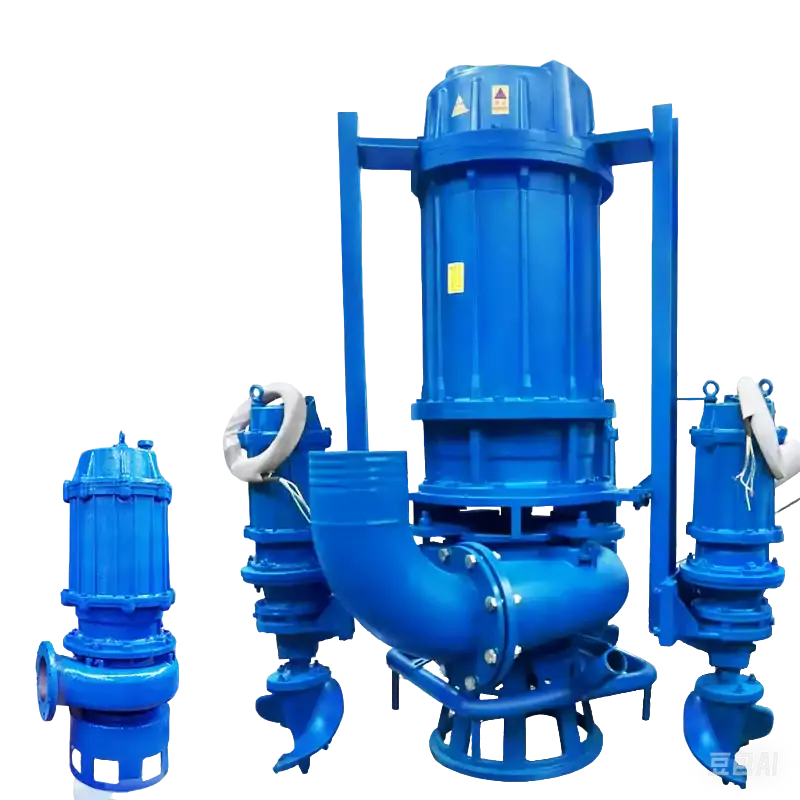
Wastewater pumps are centrifugal pumps specifically engineered for the handling of liquids containing solids, debris, and abrasive materials commonly found in municipal and industrial wastewater treatment processes. Positioned as a critical component in the broader wastewater management infrastructure, these pumps facilitate the conveyance of raw sewage, effluent, and sludge from collection points to treatment facilities. Unlike clean water pumps, wastewater pumps necessitate robust construction and specialized impeller designs to mitigate clogging, corrosion, and wear. Core performance metrics include flow rate (typically measured in gallons per minute or cubic meters per hour), total dynamic head (TDH – the total equivalent height the pump can lift the fluid), and solids handling capability (expressed as maximum sphere size and percentage solids by weight). The selection of an appropriate wastewater pump is paramount to efficient and reliable operation, directly impacting the effectiveness of treatment processes and compliance with environmental regulations.
Material Science & Manufacturing
The construction of wastewater pumps demands materials resistant to corrosive elements and abrasive wear. Commonly employed materials include cast iron (ASTM A48 Class 30 or higher for grey iron housings), ductile iron (ASTM A536-83 for impellers and volutes, providing increased strength and ductility), and stainless steel (typically 304 or 316 for components exposed to highly corrosive fluids). Impeller materials are often further enhanced with hard coatings like ceramic or tungsten carbide to resist erosion from suspended solids. Shaft materials typically utilize alloy steels (e.g., 4140 or 4340) hardened and tempered to withstand torsional stress and bending loads. Manufacturing processes vary depending on component complexity. Pump housings and volutes are often produced via sand casting, utilizing patterns created using CNC machining or 3D printing. Impellers can be manufactured using investment casting for intricate geometries or centrifugal casting for high-volume production. Welding processes, specifically shielded metal arc welding (SMAW) and gas tungsten arc welding (GTAW), are crucial for joining pump components, requiring stringent quality control to ensure weld integrity and prevent corrosion initiation points. Parameter control during casting (temperature, cooling rate, and mold composition) and welding (voltage, current, and shielding gas composition) is critical to achieving desired mechanical properties and dimensional accuracy. Rubber components, such as seals and elastomers, are often composed of materials like nitrile rubber (NBR) or ethylene propylene diene monomer (EPDM) to provide sealing capabilities and chemical resistance. The compatibility of these elastomers with the wastewater composition is a vital consideration.
Performance & Engineering
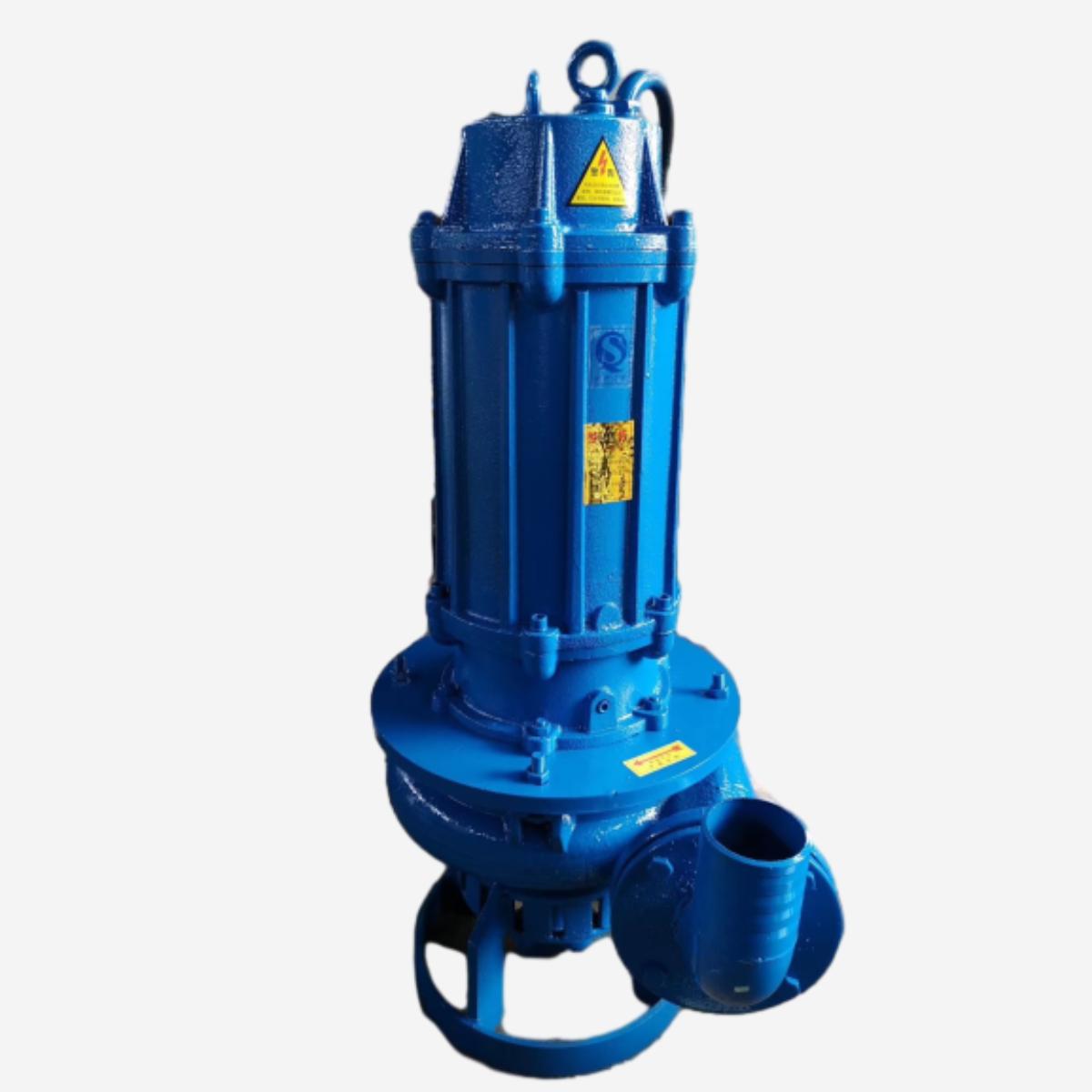
Wastewater pump performance is governed by the affinity laws, relating flow rate, head, and power consumption to pump speed. Force analysis focuses on hydraulic forces exerted by the fluid on the impeller and housing, as well as mechanical stresses induced by rotational forces and bearing loads. Cavitation, a phenomenon where vapor bubbles form and collapse within the pump, is a critical concern, potentially leading to impeller damage and reduced performance. Net Positive Suction Head Required (NPSHr) is a crucial parameter, indicating the minimum suction pressure required to prevent cavitation. Environmental resistance considerations include corrosion induced by hydrogen sulfide (H2S), chlorides, and sulfates present in wastewater. Pump selection must account for the specific chemical composition of the wastewater being handled. Compliance requirements vary by region but generally adhere to standards set by regulatory bodies like the EPA (Environmental Protection Agency) in the United States and equivalent organizations internationally. Functional implementation involves selecting a pump curve that aligns with the system’s required flow rate and head, coupled with appropriate motor sizing to provide sufficient power. Pump control systems, including variable frequency drives (VFDs), are often employed to optimize energy consumption and maintain desired flow rates under varying load conditions. The mechanical seal design is paramount, often utilizing double mechanical seals with a barrier fluid to prevent leakage and protect the pump's internal components.
Technical Specifications
| Parameter | Unit | Typical Range (Small/Medium Capacity Pump) | Typical Range (Large Capacity Pump) |
|---|---|---|---|
| Flow Rate | GPM (US) / m³/hr | 50 - 500 / 1.13 – 11.36 | 500 - 5000 / 11.36 – 113.65 |
| Total Dynamic Head (TDH) | ft / m | 20 - 100 / 6.1 – 30.5 | 100 - 300 / 30.5 – 91.4 |
| Solids Handling Capability | in / mm | Up to 2 / 50 | Up to 4 / 100 |
| Impeller Material | - | Ductile Iron (A536-83) with Coating | Stainless Steel (316) or Alloy Steel with Coating |
| Housing Material | - | Cast Iron (A48 Class 30) | Ductile Iron (A536-83) or Stainless Steel (304/316) |
| Power Rating | HP / kW | 3 - 20 / 2.2 – 14.9 | 20 - 200 / 14.9 – 149.1 |
Failure Mode & Maintenance
Common failure modes in wastewater pumps include impeller wear due to abrasive solids, bearing failure due to overloading or inadequate lubrication, seal failure leading to leakage, and motor winding burnout caused by overheating or voltage imbalances. Fatigue cracking can occur in pump housings and impellers subjected to cyclical loading. Corrosion, particularly pitting corrosion in stainless steel components, can compromise structural integrity. Delamination of protective coatings on impellers can accelerate erosion. Regular maintenance is critical to preventing these failures. This includes visual inspections for signs of corrosion or wear, lubrication of bearings, seal replacement, and monitoring of motor winding temperatures. Vibration analysis can detect bearing imbalances or impeller misalignment. Preventive maintenance schedules should be tailored to the specific operating conditions and wastewater composition. For instance, pumps handling highly abrasive wastewater require more frequent impeller inspections and replacement. In the event of a pump failure, a thorough root cause analysis should be conducted to identify the underlying issue and prevent recurrence. This might involve metallurgical analysis of failed components or detailed examination of pump operating data. Proper storage of spare parts and a readily available maintenance plan are crucial for minimizing downtime.
Industry FAQ
Q: What is the optimal impeller material for a wastewater pump handling sewage with a high sand content?
A: For sewage with a high sand content, a high-chrome ductile iron impeller with a hardened surface coating (e.g., tungsten carbide) is generally optimal. The ductile iron provides sufficient strength and toughness to withstand impact, while the chrome and coating offer exceptional abrasion resistance, extending the impeller's lifespan considerably. Avoid softer materials like standard cast iron which will erode rapidly.
Q: How does variable frequency drive (VFD) control benefit wastewater pump operation?
A: VFD control offers several benefits. It allows for precise control of pump speed, matching flow rate to demand and minimizing energy consumption. It also reduces mechanical stress on the pump and motor during start-up and shut-down, extending equipment life. Furthermore, VFDs can prevent pump cavitation by maintaining optimal suction conditions.
Q: What are the key considerations when selecting a mechanical seal for a wastewater pump?
A: Key considerations include the fluid’s pH, temperature, and solids content. Double mechanical seals with a barrier fluid are often recommended for abrasive or corrosive wastewater, preventing leakage and protecting the pump’s internal components. The seal face materials must be compatible with the wastewater composition to avoid premature wear or corrosion.
Q: What are the common causes of cavitation in wastewater pumps and how can they be prevented?
A: Common causes include insufficient NPSH, high fluid temperature, and restrictions in the suction piping. Prevention involves ensuring adequate suction head, minimizing suction line losses, keeping the fluid temperature low, and properly sizing the pump for the application. Regularly inspecting the impeller for signs of cavitation damage is also crucial.
Q: How do I determine the appropriate pump curve for a specific wastewater application?
A: The appropriate pump curve should align with the system's required flow rate and total dynamic head (TDH). You need to accurately calculate the TDH, considering static lift, friction losses in the piping, and pressure differentials. Select a pump whose curve provides the desired flow rate at the calculated TDH, with a margin for variations in operating conditions.
Conclusion
Wastewater pumps are complex engineering systems demanding careful material selection, precise manufacturing, and diligent maintenance. Their reliable operation is foundational to effective wastewater treatment and environmental protection. Understanding the interplay between fluid dynamics, material science, and mechanical design is paramount for ensuring optimal pump performance and longevity.
Future developments in wastewater pump technology will likely focus on increasing efficiency, reducing energy consumption, and improving solids handling capabilities. The integration of smart sensors and predictive maintenance algorithms will further optimize pump operation and minimize downtime, contributing to more sustainable and cost-effective wastewater management solutions. Continued adherence to stringent industry standards and best practices will be essential for maintaining the integrity and reliability of these critical components of our infrastructure.
-
Comprehensive Guide to Waterproof ORings for Optimal Sealing Solutions
News2026-06-09
-
septic effluent pump Performance and Engineering
News2026-06-13
-
ejector sump pump Performance Engineering
News2026-06-13
-
Wastewater Pump Performance Analysis
News2026-06-13
-
waste water pumps Material Science Manufacturing
News2026-06-13
-
submersible sewage pumps Material Science Manufacturing
News2026-06-13
-
submersable pumps Performance Analysis
News2026-06-12
-
submerge pump Performance Analysis
News2026-06-12
-
Septic Tank Lift Pump Performance Analysis
News2026-06-12
-
Septic System Pump Replacement Performance Analysis
News2026-06-12
-
Septic Pumps Cost Performance Analysis
News2026-06-12
-
best sewage ejector pump Performance Engineering
News2026-06-11
-
aerobic septic system pump Performance Analysis
News2026-06-11
-
Sumergible Pump Performance Analysis
News2026-06-11
-
ejector pump for basement Performance Engineering
News2026-06-11




