English
- Afrikaans
- Albanian
- Amharic
- Arabic
- Armenian
- Azerbaijani
- Basque
- Belarusian
- Bengali
- Bosnian
- Bulgarian
- Catalan
- Cebuano
- Corsican
- Croatian
- Czech
- Danish
- Dutch
- English
- Esperanto
- Estonian
- Finnish
- French
- Frisian
- Galician
- Georgian
- German
- Greek
- Gujarati
- Haitian Creole
- hausa
- hawaiian
- Hebrew
- Hindi
- Miao
- Hungarian
- Icelandic
- igbo
- Indonesian
- irish
- Italian
- Japanese
- Javanese
- Kannada
- kazakh
- Khmer
- Rwandese
- Korean
- Kurdish
- Kyrgyz
- Lao
- Latin
- Latvian
- Lithuanian
- Luxembourgish
- Macedonian
- Malgashi
- Malay
- Malayalam
- Maltese
- Maori
- Marathi
- Mongolian
- Myanmar
- Nepali
- Norwegian
- Norwegian
- Occitan
- Pashto
- Persian
- Polish
- Portuguese
- Punjabi
- Romanian
- Russian
- Samoan
- Scottish Gaelic
- Serbian
- Sesotho
- Shona
- Sindhi
- Sinhala
- Slovak
- Slovenian
- Somali
- Spanish
- Sundanese
- Swahili
- Swedish
- Tagalog
- Tajik
- Tamil
- Tatar
- Telugu
- Thai
- Turkish
- Turkmen
- Ukrainian
- Urdu
- Uighur
- Uzbek
- Vietnamese
- Welsh
- Bantu
- Yiddish
- Yoruba
- Zulu

Telephone: +86 13120555503
Email: frank@cypump.com


Apr . 01, 2024 17:55 Back to list
waste water pumps Material Science Manufacturing
Introduction
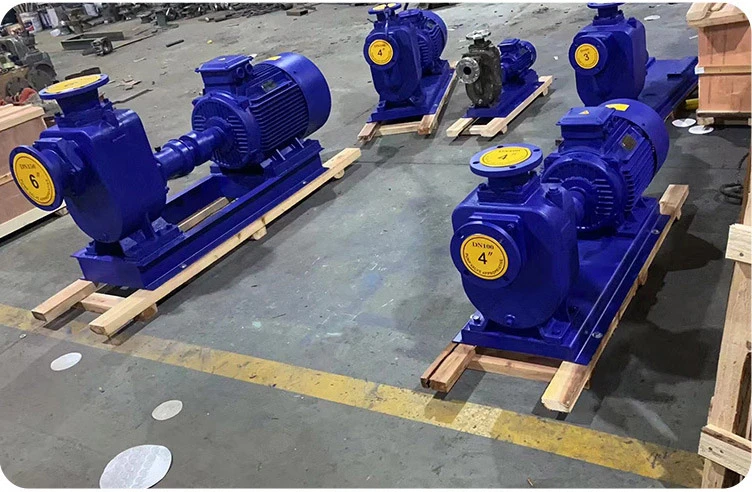
Wastewater pumps are critical components in municipal and industrial water and wastewater treatment systems. Their primary function is the efficient and reliable transfer of liquid waste, containing solids and various contaminants, from collection points to treatment facilities. Positioned within the broader fluid handling industry, wastewater pumps represent a specialized subset designed to withstand abrasive materials, corrosive chemicals, and high solid content. Core performance characteristics include flow rate (measured in gallons per minute or cubic meters per hour), total dynamic head (TDH – a measure of the pressure the pump can generate), pump efficiency, and solids handling capability. A key industry pain point is balancing operational costs with reliability, especially considering the corrosive nature of wastewater and the potential for pump failure leading to environmental hazards and costly downtime. Proper pump selection and maintenance are therefore paramount.
Material Science & Manufacturing
The construction of wastewater pumps necessitates materials resistant to corrosion, abrasion, and erosion. Common materials include cast iron (ASTM A48 Class 30), stainless steel (304, 316, and duplex stainless steels – ASTM A240), and specialized alloys like Hastelloy. Cast iron provides cost-effectiveness for less aggressive applications but requires protective coatings like epoxy or rubber lining. Stainless steel offers superior corrosion resistance, particularly 316, containing molybdenum, which enhances resistance to chloride pitting. Duplex stainless steels combine high strength with excellent corrosion resistance, suited for harsh environments. Pump housings are typically manufactured using sand casting, investment casting, or centrifugal casting depending on the complexity of the design and the material used. Impellers, the rotating component that imparts energy to the fluid, are often manufactured using investment casting for precise geometry and balance. Shafts are commonly made from high-strength alloy steel (e.g., 4140) and undergo heat treatment to enhance durability. Seals are a critical component, often utilizing mechanical seals constructed from silicon carbide, tungsten carbide, or ceramic materials, paired with elastomers like Viton or EPDM for chemical compatibility. Key manufacturing parameter control includes precise machining tolerances to ensure impeller balance, proper heat treatment to achieve desired material properties, and rigorous quality control of welding procedures (AWS D1.1) for joined components. Surface finishing, such as shot blasting, is employed to improve corrosion resistance and reduce friction.

Performance & Engineering
Wastewater pump performance is governed by hydraulic principles, specifically Bernoulli's equation and the affinity laws. Force analysis involves calculating the radial and axial thrust on the impeller, considering fluid dynamic forces and pressure differentials. Pump curves, generated through hydraulic testing (ANSI/HI standards), illustrate the relationship between flow rate, head, and efficiency. Environmental resistance is a critical design consideration. Pumps operating outdoors require weather protection (NEMA enclosure ratings) and materials capable of withstanding temperature fluctuations. Submersible pumps must be designed to prevent water ingress into the motor housing (IP68 rating). Compliance requirements are extensive, varying by region and application. In the US, EPA regulations regarding discharge limits (NPDES permits) necessitate reliable pump operation to prevent non-compliance. European standards (EN 12982) define performance requirements for wastewater pumping stations. Functional implementation involves selecting the appropriate pump type (centrifugal, positive displacement, submersible, etc.) based on the specific application requirements. Centrifugal pumps are most common for high-flow, low-head applications, while positive displacement pumps are preferred for viscous fluids or precise dosing. Pump system design includes considerations for piping layout, suction lift limitations, and the inclusion of strainers and check valves to protect the pump from debris and backflow. Variable Frequency Drives (VFDs) are increasingly used to optimize pump performance and reduce energy consumption.
Technical Specifications
| Pump Type | Maximum Flow Rate (GPM) | Maximum Head (ft) | Solids Handling Capacity (in) |
|---|---|---|---|
| Centrifugal (Submersible) | 5000 | 150 | 2 |
| Centrifugal (Surface Mounted) | 3000 | 200 | 1 |
| Positive Displacement (Progressive Cavity) | 500 | 300 | 3 |
| Vortex Impeller Pump | 4000 | 100 | 4 |
| Chopper Pump | 2500 | 120 | 3 |
| Diaphragm Pump | 200 | 80 | 0.5 |
Failure Mode & Maintenance
Wastewater pump failures typically stem from several mechanisms. Corrosion, particularly galvanic corrosion between dissimilar metals, leads to material degradation and loss of structural integrity. Abrasion from suspended solids causes wear on impellers, casings, and seals. Cavitation, resulting from pressure drops below the vapor pressure of the liquid, induces pitting and erosion. Mechanical seal failures are common, often due to abrasive particles or chemical incompatibility. Motor failures can occur due to overheating, winding insulation breakdown, or bearing failure. Fatigue cracking can develop in rotating components subjected to cyclic loading. Failure analysis involves visual inspection, non-destructive testing (NDT – ultrasonic testing, radiographic testing), and metallurgical analysis to determine the root cause. Preventative maintenance is crucial, including regular inspection of seals, bearings, and impellers. Lubrication schedules must be strictly adhered to. Pump performance monitoring (flow rate, pressure, vibration analysis) can identify early warning signs of deterioration. Routine cleaning of strainers and wet wells prevents clogging and reduces pump strain. Seal replacement should be performed proactively based on operating hours or observed leakage. Proper alignment of the pump and motor is essential to minimize vibration and bearing wear. Implementation of a comprehensive maintenance program, incorporating predictive maintenance techniques, can significantly extend pump lifespan and reduce downtime.
Industry FAQ
Q: What are the key considerations when selecting a pump for highly abrasive wastewater?
A: For highly abrasive wastewater, selecting a pump with hardened materials such as high chrome cast iron or ceramic components is crucial. Vortex impeller pumps are often preferred as they minimize wear by reducing the fluid's velocity within the impeller. Consider a pump with replaceable wear plates and a robust seal design. Regular inspection and replacement of wear parts are essential.
Q: How does the specific gravity of the wastewater affect pump selection?
A: Higher specific gravity wastewater requires a pump capable of generating higher torque to overcome the increased fluid density. The pump's motor must be sized accordingly. Performance curves should be adjusted to account for the increased density. Positive displacement pumps are often preferred for viscous or high-density fluids.
Q: What are the advantages of using a VFD with a wastewater pump?
A: VFDs allow for precise control of pump speed, enabling optimization of flow rate and head to match demand. This results in significant energy savings, reduced mechanical stress on the pump, and extended pump lifespan. VFDs also facilitate soft starting and stopping, minimizing water hammer and reducing wear on the piping system.
Q: What are the common causes of mechanical seal failure in wastewater applications?
A: Common causes include abrasive particles damaging the seal faces, chemical incompatibility leading to elastomer degradation, dry running causing overheating, and improper installation or alignment. Selecting a seal material compatible with the wastewater chemistry and ensuring proper lubrication are critical preventative measures.
Q: How often should a submersible wastewater pump be inspected for wear and tear?
A: A comprehensive inspection should be conducted at least annually, or more frequently depending on the severity of the wastewater conditions. Key areas to inspect include the impeller, seals, motor winding insulation, power cable, and float switches. Vibration analysis and performance monitoring can help identify potential issues before they lead to failure.
Conclusion
Wastewater pump selection and operation represent a complex engineering challenge requiring a thorough understanding of fluid dynamics, material science, and regulatory compliance. The longevity and efficiency of these systems are directly linked to careful consideration of material selection, precise manufacturing processes, and a robust preventative maintenance program. Properly engineered pumps, combined with diligent monitoring and maintenance, are essential for protecting public health and the environment.
Looking ahead, advancements in pump technology, such as improved impeller designs, more durable seal materials, and sophisticated control systems, will continue to enhance performance and reduce lifecycle costs. The increasing adoption of digital technologies, including remote monitoring and predictive maintenance, will further optimize pump operation and minimize downtime. Addressing the ongoing challenges of corrosive environments and abrasive solids remains a primary focus for ongoing research and development in this critical industry sector.
-
Comprehensive Guide to Waterproof ORings for Optimal Sealing Solutions
News2026-06-09
-
septic effluent pump Performance and Engineering
News2026-06-13
-
ejector sump pump Performance Engineering
News2026-06-13
-
Wastewater Pump Performance Analysis
News2026-06-13
-
waste water pumps Material Science Manufacturing
News2026-06-13
-
submersible sewage pumps Material Science Manufacturing
News2026-06-13
-
submersable pumps Performance Analysis
News2026-06-12
-
submerge pump Performance Analysis
News2026-06-12
-
Septic Tank Lift Pump Performance Analysis
News2026-06-12
-
Septic System Pump Replacement Performance Analysis
News2026-06-12
-
Septic Pumps Cost Performance Analysis
News2026-06-12
-
best sewage ejector pump Performance Engineering
News2026-06-11
-
aerobic septic system pump Performance Analysis
News2026-06-11
-
Sumergible Pump Performance Analysis
News2026-06-11
-
ejector pump for basement Performance Engineering
News2026-06-11




