English
- Afrikaans
- Albanian
- Amharic
- Arabic
- Armenian
- Azerbaijani
- Basque
- Belarusian
- Bengali
- Bosnian
- Bulgarian
- Catalan
- Cebuano
- Corsican
- Croatian
- Czech
- Danish
- Dutch
- English
- Esperanto
- Estonian
- Finnish
- French
- Frisian
- Galician
- Georgian
- German
- Greek
- Gujarati
- Haitian Creole
- hausa
- hawaiian
- Hebrew
- Hindi
- Miao
- Hungarian
- Icelandic
- igbo
- Indonesian
- irish
- Italian
- Japanese
- Javanese
- Kannada
- kazakh
- Khmer
- Rwandese
- Korean
- Kurdish
- Kyrgyz
- Lao
- Latin
- Latvian
- Lithuanian
- Luxembourgish
- Macedonian
- Malgashi
- Malay
- Malayalam
- Maltese
- Maori
- Marathi
- Mongolian
- Myanmar
- Nepali
- Norwegian
- Norwegian
- Occitan
- Pashto
- Persian
- Polish
- Portuguese
- Punjabi
- Romanian
- Russian
- Samoan
- Scottish Gaelic
- Serbian
- Sesotho
- Shona
- Sindhi
- Sinhala
- Slovak
- Slovenian
- Somali
- Spanish
- Sundanese
- Swahili
- Swedish
- Tagalog
- Tajik
- Tamil
- Tatar
- Telugu
- Thai
- Turkish
- Turkmen
- Ukrainian
- Urdu
- Uighur
- Uzbek
- Vietnamese
- Welsh
- Bantu
- Yiddish
- Yoruba
- Zulu

Telephone: +86 13120555503
Email: frank@cypump.com


Apr . 01, 2024 17:55 Back to list
waste water pump Performance Engineering
Introduction
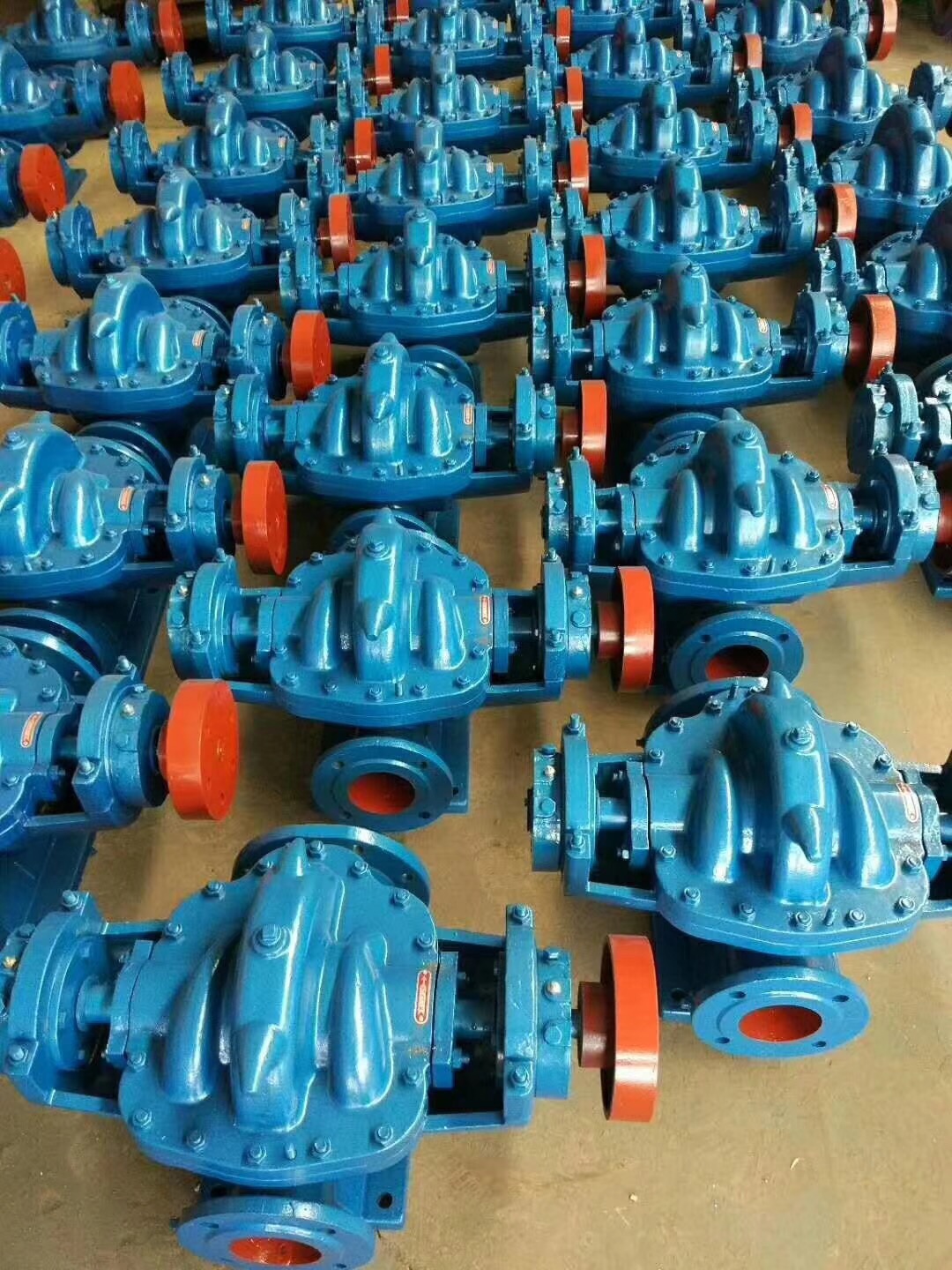
Wastewater pumps are centrifugal pumps specifically designed for the handling of fluids containing solids and abrasive materials. They represent a critical component in municipal and industrial wastewater treatment facilities, serving to transfer sewage, effluent, and process water. Positioned within the industrial chain, these pumps operate downstream of initial solids separation (screening, grit removal) and upstream of further treatment processes like aeration, clarification, and disinfection. Core performance characteristics center around flow rate (typically measured in gallons per minute or cubic meters per hour), total dynamic head (TDH, expressed in feet or meters), solids handling capability (particle size and concentration), and pump efficiency. The selection of an appropriate wastewater pump is dictated by the specific characteristics of the fluid being pumped, the required system head, and operational reliability expectations. Failure to properly select a pump can result in clogging, increased energy consumption, premature wear, and ultimately, system failure. This guide will provide a comprehensive overview of the material science, manufacturing processes, performance engineering, failure modes, and maintenance protocols associated with wastewater pumps.
Material Science & Manufacturing
Wastewater pumps are subjected to highly corrosive and abrasive environments. Therefore, material selection is paramount. Pump casings are commonly constructed from ductile iron (ASTM A536-83) due to its high tensile strength, impact resistance, and cost-effectiveness. However, for severely corrosive applications, stainless steel alloys (304, 316 – conforming to ASTM A240) are preferred, offering superior resistance to chemical attack. Impellers, the rotating component generating the pumping action, are often manufactured from high-chrome cast iron (typically containing 13-28% chromium) for exceptional abrasion resistance. The hardness of the impeller material, measured using the Rockwell C scale, is a critical parameter, typically ranging between 58-65 HRC. Shafts are usually made from 4140 or 4340 alloy steel (ASTM A297), heat-treated for high strength and fatigue resistance. Seals, crucial for preventing leakage, utilize materials like silicon carbide (SiC) and tungsten carbide (WC) for their exceptional wear resistance and chemical inertness, conforming to standards like ISO 3661.
Manufacturing processes vary depending on component complexity. Casings are typically produced via sand casting, followed by machining to ensure dimensional accuracy and smooth surface finish. Impellers are often investment cast for intricate geometries and close tolerances. Shafts are machined from bar stock using CNC lathes and milling machines. Welding processes, such as shielded metal arc welding (SMAW) or gas tungsten arc welding (GTAW) (following AWS D1.1 standards), are employed for joining casing components. Critical parameters during manufacturing include dimensional control (verified with Coordinate Measuring Machines - CMMs), weld quality (assessed via non-destructive testing – NDT – including radiography and ultrasonic testing), and surface finish (evaluated using surface roughness testers). Proper heat treatment processes, including quenching and tempering, are essential to achieve the desired mechanical properties in steel components. The selection of appropriate coatings, such as epoxy or ceramic linings, is employed to enhance corrosion resistance in specific applications.
Performance & Engineering
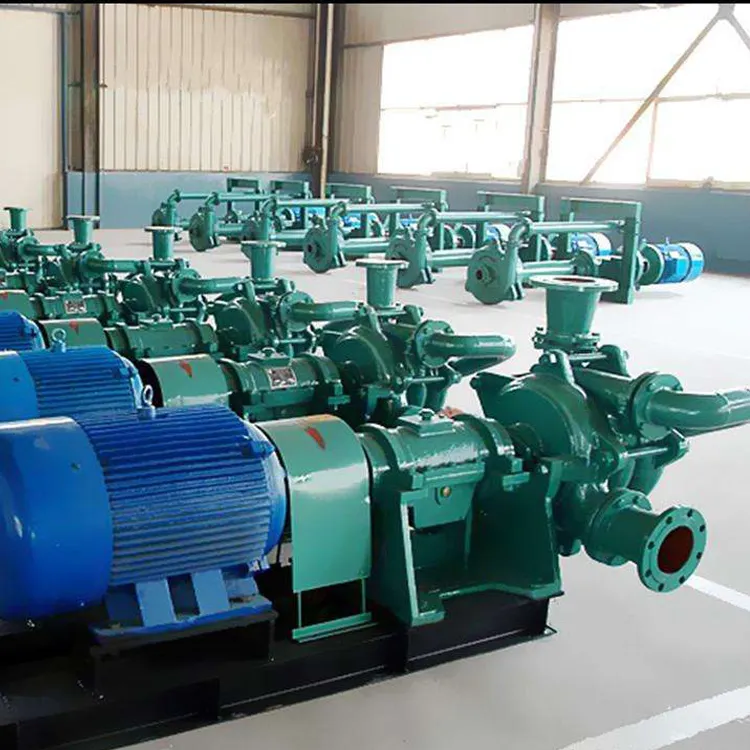
Wastewater pump performance is fundamentally governed by the principles of fluid dynamics. The pump’s power requirement is determined by the fluid density, flow rate, and TDH, calculated using the hydraulic power equation: P = (Q ρ g H) / η, where P is power, Q is flow rate, ρ is fluid density, g is gravitational acceleration, H is TDH, and η is pump efficiency. Cavitation, the formation and collapse of vapor bubbles within the pump, is a significant concern, particularly with wastewater due to dissolved gases and low net positive suction head available (NPSHa). NPSHa must exceed the pump’s net positive suction head required (NPSHr) to prevent cavitation damage.
Engineering considerations include impeller design (affecting head and flow characteristics), volute design (optimizing flow guidance), and seal selection (minimizing leakage and maximizing reliability). Force analysis is crucial to ensure structural integrity, accounting for hydraulic forces, impeller weight, and external loads. Environmental resistance is paramount; pumps must withstand temperature fluctuations, humidity, and potential exposure to corrosive chemicals. Compliance requirements vary depending on the region and application. In North America, Hydraulic Institute (HI) standards govern pump performance testing and classification. European standards (EN 733) specify requirements for centrifugal pumps. Proper pump sizing, considering future flow rate increases and potential changes in fluid composition, is critical for long-term performance and efficiency. Variable Frequency Drives (VFDs) are frequently employed to adjust pump speed and flow rate, optimizing energy consumption and system control.
Technical Specifications
| Parameter | Units | Typical Range (Submersible Pump) | Typical Range (Centrifugal Pump) |
|---|---|---|---|
| Flow Rate | GPM (US) / m³/hr | 50 – 5000 | 100 – 10000 |
| Total Dynamic Head (TDH) | ft / m | 20 – 200 | 50 – 500 |
| Motor Power | HP / kW | 0.5 – 500 | 5 – 750 |
| Solids Handling | in / mm | Up to 3” (76mm) | Up to 2” (50mm) |
| Impeller Material | - | High-Chrome Cast Iron | High-Chrome Cast Iron/Stainless Steel |
| Casing Material | - | Ductile Iron/Stainless Steel | Ductile Iron/Stainless Steel |
Failure Mode & Maintenance
Common failure modes in wastewater pumps include impeller wear (due to abrasive solids), seal failure (resulting in leakage), motor winding failure (caused by overheating or moisture ingress), and bearing failure (due to inadequate lubrication or excessive loading). Fatigue cracking can occur in the pump casing or impeller due to cyclical stress. Corrosion, particularly in pumps handling corrosive wastewater, leads to material degradation and reduced component strength. Delamination of protective coatings can accelerate corrosion. Oxidation of metallic components can also contribute to degradation.
Preventive maintenance is crucial for extending pump life and minimizing downtime. Regular inspections should include visual checks for leaks, bearing noise, and motor overheating. Lubrication of bearings should be performed according to manufacturer recommendations. Seal replacement is typically scheduled based on operating hours or observed leakage. Impeller inspection and replacement are necessary when wear exceeds acceptable limits. Periodic motor winding insulation testing helps identify potential electrical failures. Vibration analysis can detect imbalances or misalignment. Proper cleaning of pump intake screens prevents clogging. Routine analysis of the pumped fluid (pH, solids content, chemical composition) informs maintenance scheduling and material selection. When replacing components, ensure compatibility with the wastewater characteristics. Thorough flushing of the pump system before start-up after maintenance minimizes the risk of damage from accumulated solids.
Industry FAQ
Q: What is the impact of varying solids concentration on pump selection?
A: Higher solids concentrations necessitate pumps with larger impeller passages and increased abrasion resistance. Vortex or recessed impeller designs are preferred for handling high solids content, as they reduce clogging and minimize wear. Pump capacity should be de-rated to account for the increased fluid viscosity and the potential for solids settling.
Q: How do I determine the appropriate pump curve for my application?
A: The pump curve (head-capacity curve) should align with the system curve (representing the frictional losses in the piping system). The intersection of these two curves determines the operating point. Select a pump that operates near its Best Efficiency Point (BEP) for optimal performance and energy efficiency.
Q: What are the key considerations for selecting pump seals?
A: Seal selection depends on the fluid composition, temperature, and pressure. Mechanical seals are generally preferred for wastewater applications due to their reliability and longevity. Material compatibility is critical; silicon carbide and tungsten carbide are common seal face materials. Double mechanical seals with a barrier fluid provide enhanced protection against leakage and extend seal life.
Q: How can I minimize the risk of cavitation?
A: Ensure sufficient NPSHa by optimizing pump placement, minimizing suction pipe length, and increasing suction pipe diameter. Avoid sharp bends and restrictions in the suction piping. Consider using a booster pump to increase suction pressure. Monitor pump vibration and noise levels, as cavitation often produces distinct audible and vibrational signatures.
Q: What are the benefits of using VFDs with wastewater pumps?
A: VFDs allow for precise control of pump speed and flow rate, optimizing energy consumption and reducing wear and tear. They can also prevent pump cycling and maintain desired system pressures. VFDs are particularly beneficial in applications with fluctuating flow demands.
Conclusion
Wastewater pumps are critical components in the effective treatment and management of municipal and industrial wastewater. Proper selection, based on a thorough understanding of fluid characteristics, system requirements, and engineering principles, is essential for ensuring reliable operation and minimizing life-cycle costs. Material science plays a pivotal role, with ductile iron, stainless steel, and high-chrome cast iron being the predominant materials due to their resistance to corrosion and abrasion. Careful attention to manufacturing processes, including casting, machining, and welding, is necessary to achieve the required dimensional accuracy and structural integrity.
Ongoing preventative maintenance, encompassing regular inspections, lubrication, and component replacement, is paramount for extending pump life and preventing costly downtime. By addressing potential failure modes proactively, operators can maximize pump efficiency, reduce energy consumption, and ensure compliance with environmental regulations. Continued advancements in pump design, material science, and control systems will further enhance the performance and sustainability of wastewater pumping systems.
-
Comprehensive Guide to Waterproof ORings for Optimal Sealing Solutions
News2026-06-09
-
septic system sump pump Performance Analysis
News2026-06-26
-
septic pump company Performance Analysis
News2026-06-26
-
pumps water treatment Performance Analysis
News2026-06-26
-
pumps for septic tanks Material Science and Manufacturing
News2026-06-26
-
pump for septic system Material Science Manufacturing
News2026-06-26
-
heavy duty submersible pump Performance Analysis
News2026-06-25
-
best submersible pump for septic tank Performance Analysis
News2026-06-25
-
basement sewer ejector pump Performance Analysis
News2026-06-25
-
basement pumps ejector pumps Performance Analysis
News2026-06-25
-
basement lift pump Performance and Engineering
News2026-06-25
-
basement bathroom pump systems Performance Analysis
News2026-06-24
-
basement bathroom ejector pump system Performance Engineering
News2026-06-24
-
2 hp sewage pump Performance Engineering
News2026-06-24
-
1 hp septic pump Performance Engineering
News2026-06-24




