English
- Afrikaans
- Albanian
- Amharic
- Arabic
- Armenian
- Azerbaijani
- Basque
- Belarusian
- Bengali
- Bosnian
- Bulgarian
- Catalan
- Cebuano
- Corsican
- Croatian
- Czech
- Danish
- Dutch
- English
- Esperanto
- Estonian
- Finnish
- French
- Frisian
- Galician
- Georgian
- German
- Greek
- Gujarati
- Haitian Creole
- hausa
- hawaiian
- Hebrew
- Hindi
- Miao
- Hungarian
- Icelandic
- igbo
- Indonesian
- irish
- Italian
- Japanese
- Javanese
- Kannada
- kazakh
- Khmer
- Rwandese
- Korean
- Kurdish
- Kyrgyz
- Lao
- Latin
- Latvian
- Lithuanian
- Luxembourgish
- Macedonian
- Malgashi
- Malay
- Malayalam
- Maltese
- Maori
- Marathi
- Mongolian
- Myanmar
- Nepali
- Norwegian
- Norwegian
- Occitan
- Pashto
- Persian
- Polish
- Portuguese
- Punjabi
- Romanian
- Russian
- Samoan
- Scottish Gaelic
- Serbian
- Sesotho
- Shona
- Sindhi
- Sinhala
- Slovak
- Slovenian
- Somali
- Spanish
- Sundanese
- Swahili
- Swedish
- Tagalog
- Tajik
- Tamil
- Tatar
- Telugu
- Thai
- Turkish
- Turkmen
- Ukrainian
- Urdu
- Uighur
- Uzbek
- Vietnamese
- Welsh
- Bantu
- Yiddish
- Yoruba
- Zulu

Telephone: +86 13120555503
Email: frank@cypump.com


Apr . 01, 2024 17:55 Back to list
waste water pump for basement Material Science Manufacturing
Introduction
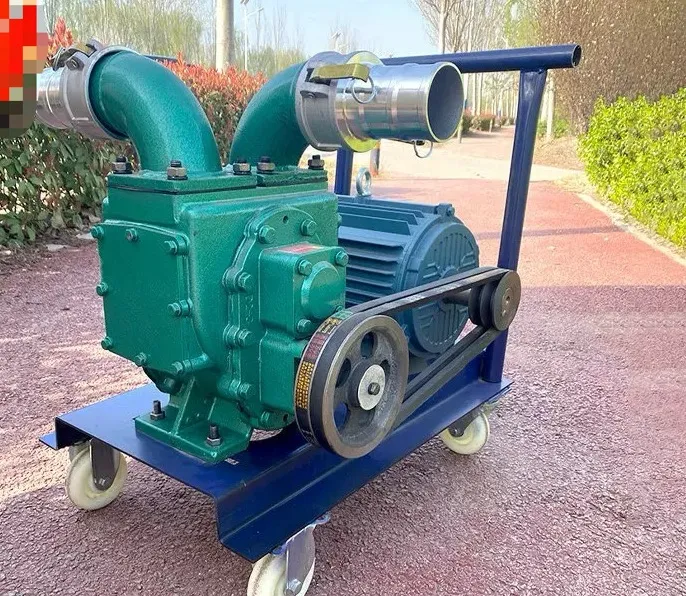
Basement wastewater pumps, also known as sewage ejectors, are critical components in residential and commercial plumbing systems where gravity drainage is insufficient. These pumps are designed to collect wastewater from fixtures located below the sewer line – commonly basement toilets, showers, laundry sinks, and dishwashers – and lift it to a point where it can flow into the municipal sewer system. The primary function is preventing backflow and maintaining sanitary drainage. The industry chain encompasses pump manufacturers, motor suppliers, control system integrators, and installation/maintenance service providers. Core performance metrics center on flow rate (gallons per minute – GPM), head (vertical distance the pump can lift the water), horsepower (HP), solids handling capacity, and operational efficiency. A frequent pain point for end-users is pump failure due to solids clogging, corrosion, or motor burnout, leading to property damage and health hazards. Selecting the appropriate pump based on anticipated wastewater volume, solids content, and environmental conditions is paramount.
Material Science & Manufacturing
The construction of wastewater pumps necessitates careful material selection to withstand the corrosive nature of sewage and ensure long-term durability. Pump housings are commonly manufactured from cast iron (ASTM A48 Class 30) due to its strength, rigidity, and cost-effectiveness. However, for more aggressive environments, stainless steel (specifically 304 or 316 – ASTM A240) is preferred, offering superior corrosion resistance. Impellers, responsible for moving the wastewater, can be made of cast iron, stainless steel, or engineered polymers like polypropylene. Pump shafts are typically constructed from 4140 alloy steel, heat-treated for enhanced tensile strength and wear resistance. Seals, vital for preventing leakage, are commonly composed of carbon-ceramic mechanical seals with Viton or EPDM elastomers for chemical compatibility. Manufacturing processes involve sand casting for housings and impellers, followed by machining to precise tolerances. Motor housings are often made from aluminum die-castings (ASTM B85). The impeller balancing is critical, utilizing dynamic balancing techniques to minimize vibration and extend bearing life. Critical parameter control during manufacturing includes dimensional accuracy of impeller vanes, concentricity of shaft and housing, and seal surface finish to ensure optimal sealing performance. Weld integrity, if applicable, is verified through non-destructive testing (NDT) methods like radiographic testing or ultrasonic testing.
Performance & Engineering
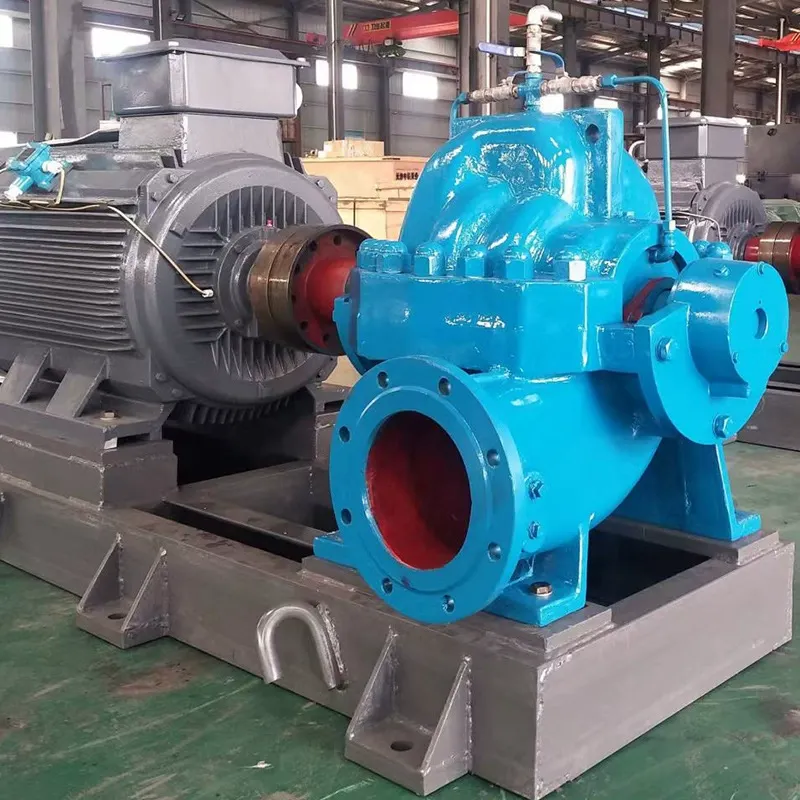
Wastewater pump performance is dictated by hydraulic principles and motor characteristics. Force analysis centers on calculating the head-capacity curve, which defines the pump's ability to deliver a specific flow rate at a given height. This involves considering frictional losses within the piping system, the dynamic head (pressure due to fluid velocity), and the static head (vertical distance). Pump selection must account for the total dynamic head (TDH) of the system. Environmental resistance is paramount, particularly concerning moisture ingress (IP68 rating required for submersible pumps – IEC 60529) and temperature fluctuations. Electrical compliance adheres to UL 778 (USA) and CSA C22.2 No. 108 (Canada) standards, focusing on safety and electrical integrity. Functional implementation necessitates careful consideration of pump curves to match system requirements. Variable Frequency Drives (VFDs) are increasingly employed to optimize energy consumption by adjusting pump speed based on demand. Float switches, essential for automatic operation, trigger the pump when a predetermined liquid level is reached, preventing overflows. The pump's Net Positive Suction Head Required (NPSHr) must be less than the Net Positive Suction Head Available (NPSHa) to avoid cavitation, a phenomenon that causes impeller damage and reduces pump efficiency.
Technical Specifications
| Parameter | Unit | Typical Range (Residential) | Typical Range (Commercial) |
|---|---|---|---|
| Flow Rate | GPM (Gallons Per Minute) | 20-50 | 50-200+ |
| Total Dynamic Head (TDH) | ft (Feet) | 10-30 | 30-100+ |
| Motor Horsepower | HP | 1/2 - 1 | 1-5+ |
| Solids Handling Capacity | in (Inches) | Up to 1.5 | Up to 3+ |
| Discharge Pipe Size | in (Inches) | 1.25 - 2 | 2 - 4+ |
| Power Supply | V (Volts) | 115/230 | 230/460 |
Failure Mode & Maintenance
Wastewater pumps are susceptible to several failure modes. Solids clogging is a primary cause, leading to impeller blockage and motor overload. This often manifests as reduced flow rate and increased noise. Corrosion, particularly in cast iron housings, can result in structural weakening and eventual leakage. Motor burnout can occur due to overheating, caused by insufficient cooling or prolonged operation under load. Seal failure leads to leakage and potential motor damage. Fatigue cracking in impeller vanes can occur due to cyclical stress from solids impact. Degradation of elastomers in mechanical seals results in reduced sealing effectiveness. Maintenance strategies include regular inspection for clogs and debris, periodic cleaning of the pump basin, and lubrication of motor bearings. Preventative maintenance should include electrical connection checks and voltage monitoring. In case of failure, a thorough failure analysis should be conducted to identify the root cause. Replacing worn seals and impellers proactively can significantly extend pump life. Periodic testing of float switches ensures proper operation. Avoid running the pump dry, as this can rapidly damage the mechanical seals.
Industry FAQ
Q: What is the difference between a submersible and a pedestal wastewater pump?
A: Submersible pumps are designed to operate while fully submerged in the wastewater basin, offering quieter operation and eliminating the need for priming. Pedestal pumps have the motor mounted above the basin, requiring priming and typically being louder. Submersibles are generally preferred for residential applications due to their ease of installation and quiet operation, while pedestals may be used in situations where access for maintenance is limited.
Q: How do I size a wastewater pump for my basement?
A: Pump sizing requires calculating the Total Dynamic Head (TDH), which includes the vertical lift from the basin to the sewer line, plus friction losses in the piping. You also need to determine the anticipated flow rate based on the number and type of fixtures draining into the basin. Consult pump performance curves to select a pump that can deliver the required flow rate at the calculated TDH.
Q: What are the common causes of wastewater pump failure?
A: Common causes include solids clogging, corrosion, motor burnout, seal failure, and float switch malfunction. Regular maintenance and proper pump selection can minimize these risks. Ignoring alarms or signs of reduced performance can lead to catastrophic failure.
Q: How often should I inspect and maintain my wastewater pump?
A: Visual inspection should be performed monthly, checking for leaks, unusual noises, and proper float switch operation. The pump basin should be cleaned annually to remove accumulated sediment. Mechanical seals and impellers should be inspected and replaced as needed, typically every 3-5 years, depending on usage.
Q: What safety precautions should I take when working with a wastewater pump?
A: Always disconnect the power supply before performing any maintenance. Wear appropriate personal protective equipment (PPE), including gloves and eye protection. Be aware of the potential for hazardous gases in the wastewater basin. Never enter a confined space without proper training and ventilation.
Conclusion
Basement wastewater pumps are indispensable for effectively managing drainage in below-grade spaces. Proper selection, encompassing accurate TDH calculation and flow rate determination, coupled with material selection prioritizing corrosion resistance and durability, is fundamental to long-term operational reliability. Understanding common failure modes – solids clogging, corrosion, and motor burnout – and implementing a preventative maintenance schedule, including regular inspections and component replacement, are crucial for minimizing downtime and preventing costly repairs.
The increasing adoption of VFD technology and advanced control systems promises to further enhance pump efficiency and reduce energy consumption. Future developments will likely focus on integrating smart sensors for predictive maintenance and remote monitoring capabilities. Compliance with evolving environmental regulations and safety standards will continue to drive innovation in wastewater pump design and manufacturing.
-
basement bathroom sewage pump Material Science Manufacturing
News2026-05-21
-
wastewater treatment plant pumps Material Science Manufacturing
News2026-05-21
-
waste water pump for basement Material Science Manufacturing
News2026-05-21
-
sump pump sewage Performance Analysis
News2026-05-21
-
sump pump for sewage Material Science and Manufacturing
News2026-05-21
-
sump pump for septic systems Material Science Manufacturing
News2026-05-20
-
sump pump and ejector pump Material Science Manufacturing
News2026-05-20
-
sewage treatment plant pumps Performance Analysis
News2026-05-20
-
sewage tank pump Material Science and Manufacturing
News2026-05-20
-
sewage pump for septic tank Performance Analysis
News2026-05-20
-
Sewage Pump and Tank Performance Analysis
News2026-05-19
-
Sewage Ejector Pump Replacement Performance Analysis
News2026-05-19
-
sewage ejector pump for basement bathroom Material Science Manufacturing
News2026-05-19
-
sewage ejection pump Material Science and Manufacturing
News2026-05-19
-
in line sewage pump Performance Analysis
News2026-05-19




