English
- Afrikaans
- Albanian
- Amharic
- Arabic
- Armenian
- Azerbaijani
- Basque
- Belarusian
- Bengali
- Bosnian
- Bulgarian
- Catalan
- Cebuano
- Corsican
- Croatian
- Czech
- Danish
- Dutch
- English
- Esperanto
- Estonian
- Finnish
- French
- Frisian
- Galician
- Georgian
- German
- Greek
- Gujarati
- Haitian Creole
- hausa
- hawaiian
- Hebrew
- Hindi
- Miao
- Hungarian
- Icelandic
- igbo
- Indonesian
- irish
- Italian
- Japanese
- Javanese
- Kannada
- kazakh
- Khmer
- Rwandese
- Korean
- Kurdish
- Kyrgyz
- Lao
- Latin
- Latvian
- Lithuanian
- Luxembourgish
- Macedonian
- Malgashi
- Malay
- Malayalam
- Maltese
- Maori
- Marathi
- Mongolian
- Myanmar
- Nepali
- Norwegian
- Norwegian
- Occitan
- Pashto
- Persian
- Polish
- Portuguese
- Punjabi
- Romanian
- Russian
- Samoan
- Scottish Gaelic
- Serbian
- Sesotho
- Shona
- Sindhi
- Sinhala
- Slovak
- Slovenian
- Somali
- Spanish
- Sundanese
- Swahili
- Swedish
- Tagalog
- Tajik
- Tamil
- Tatar
- Telugu
- Thai
- Turkish
- Turkmen
- Ukrainian
- Urdu
- Uighur
- Uzbek
- Vietnamese
- Welsh
- Bantu
- Yiddish
- Yoruba
- Zulu

Telephone: +86 13120555503
Email: frank@cypump.com


Apr . 01, 2024 17:55 Back to list
waste pump for basement bathroom Performance and Engineering
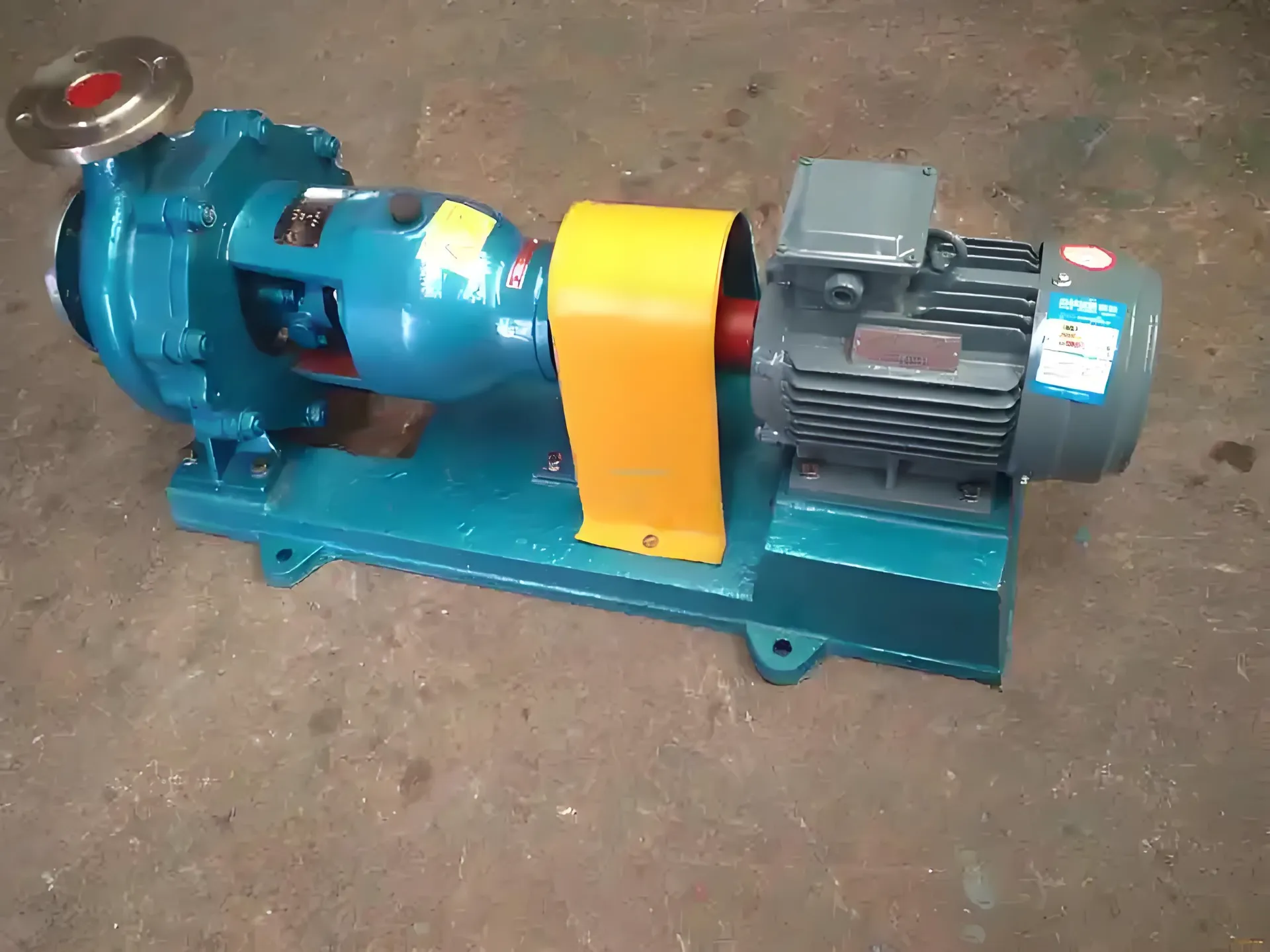
Introduction
Waste pumps for basement bathrooms, specifically designed for handling black and gray water in below-grade applications, represent a critical component of residential and commercial plumbing systems. These pumps overcome the gravitational challenges inherent in basement installations, enabling the discharge of effluent to the main sewer line or a septic system. Unlike traditional sewage ejectors, modern waste pumps incorporate features like vortex impellers to handle solids, integrated float switches for automatic operation, and robust construction materials to resist corrosion. The market segment is driven by increasing basement finishing trends, stricter building codes regarding backwater valve requirements, and a growing demand for reliable flood prevention solutions. Their technical position lies between basic sump pumps and full-scale sewage lift stations, addressing a specific need for handling toilet and shower waste in locations below the sewer line. Core performance characteristics include flow rate (gallons per minute - GPM), head (vertical lift capacity in feet), solids handling capability (diameter in inches), and power consumption (horsepower or wattage).
Material Science & Manufacturing
The construction of waste pumps relies on a carefully selected suite of materials to ensure durability and compatibility with the conveyed fluids. Pump housings are commonly manufactured from cast iron (ASTM A48 Class 30), known for its strength and resistance to impact, often coated with epoxy or a similar corrosion-resistant finish to withstand prolonged exposure to wastewater. Impellers are frequently constructed from engineered polymers, specifically polypropylene (PP) or glass-filled nylon, balancing cost-effectiveness with abrasion resistance. Shafts are typically made from stainless steel (AISI 410 or 304) to prevent corrosion. Seals utilize materials like Viton or Buna-N for their chemical resistance and sealing properties. Manufacturing processes include: 1) Cast Iron Casting – utilizing sand casting techniques for the housing, followed by shot blasting and surface preparation. Parameter control focuses on wall thickness and surface finish. 2) Injection Molding – for impeller and component manufacturing; precise temperature and pressure control are critical for achieving desired dimensional accuracy and material properties. 3) Machining – stainless steel shafts are machined to tight tolerances, followed by heat treatment for enhanced strength. 4) Assembly – robotic assembly is increasingly common, ensuring consistent quality and reducing labor costs. 5) Testing – each pump undergoes hydrostatic testing to verify leak-proof performance and performance curve verification to ensure specified flow and head characteristics are met. Chemical compatibility testing, per ASTM D543, is performed on seal materials to verify resilience against common wastewater constituents.
Performance & Engineering
The performance of a waste pump is dictated by a complex interplay of hydraulic and mechanical engineering principles. Force analysis, particularly shear stress on the impeller, is crucial in predicting lifespan and preventing fatigue failure. The impeller design – typically a vortex or centrifugal type – directly impacts solids handling capability and pumping efficiency. Vortex impellers excel at handling stringy solids without clogging, sacrificing some efficiency, while centrifugal impellers provide higher flow rates with reduced solids handling. Environmental resistance is paramount, necessitating consideration of temperature fluctuations and potential exposure to corrosive elements in wastewater. Pumps must operate reliably across a range of temperatures (typically 33°F to 104°F) and resist chemical attack from sulfates, chlorides, and organic compounds. Compliance with standards such as UL 778 (safety for submersible pumps) and CSA C22.2 No. 108 (motors and generators) is mandatory. Functional implementation includes a float switch mechanism which activates and deactivates the pump based on liquid level, preventing dry running. Backflow prevention is often integrated, complying with local plumbing codes, and utilizing check valves to prevent wastewater from re-entering the plumbing system. Hydraulic Institute standards provide benchmarks for pump performance testing and rating.
Technical Specifications
| Parameter | Typical Range (Residential) | Typical Range (Commercial) | Testing Standard |
|---|---|---|---|
| Flow Rate (GPM) | 45-75 | 90-150 | ANSI/HI 1.1 |
| Head (Feet) | 10-20 | 25-40 | ANSI/HI 1.1 |
| Solids Handling (Inches) | 1.5-2 | 2-3 | Manufacturer Specification |
| Motor Horsepower (HP) | 0.5-1 | 1-3 | NEMA MG 1 |
| Voltage (V) | 115/230 | 230/460 | UL 508A |
| Discharge Pipe Size (Inches) | 1.25-2 | 2-4 | Local Plumbing Code |
Failure Mode & Maintenance
Waste pumps are susceptible to several failure modes in practical applications. Fatigue cracking of the impeller can occur due to repeated stress from solids impact, particularly in centrifugal impeller designs. Seal failure, resulting in leakage, is common due to abrasion from suspended solids or chemical degradation of seal materials. Motor burnout can occur from overheating, often caused by dry running or voltage fluctuations. Clogging, particularly with vortex impellers experiencing an overload of fibrous materials, leads to reduced flow and potential pump failure. Corrosion of cast iron housings, despite coatings, can lead to structural weakening and leakage over extended periods. Preventative maintenance includes: 1) Regular inspection of the float switch for proper operation. 2) Periodic flushing of the pump chamber to remove accumulated solids. 3) Checking the discharge pipe for obstructions. 4) Monitoring the motor amperage to detect signs of overload. 5) Annual inspection of seals and replacement as needed, guided by manufacturer recommendations and observed wear. Failure analysis, utilizing techniques like visual inspection, metallography (for impeller analysis), and chemical analysis (for seal material degradation), helps determine root causes and prevent recurrence. Regular cleaning, performed in accordance with local wastewater discharge regulations, minimizes corrosive buildup.
Industry FAQ
Q: What is the difference between a sewage ejector and a waste pump, and when should each be used?
A: Sewage ejectors are designed for handling raw sewage, including solids, and typically have a higher pumping capacity. Waste pumps, while capable of handling solids, are better suited for handling gray water and toilet waste in situations where solids loading is lower. A waste pump is ideal for a basement bathroom; an ejector is needed for complete basement sewage systems.
Q: How do I determine the correct pump head requirement for my application?
A: The pump head requirement is the vertical distance the pump needs to lift the wastewater, plus friction losses in the discharge pipe. Measure the vertical distance from the pump location to the sewer line connection. Add an allowance for friction loss – typically 5-10 feet per 100 feet of pipe, depending on pipe diameter and material. Consult pump performance curves to select a pump that delivers adequate flow at the calculated head.
Q: What are the potential issues related to using a waste pump with a septic system?
A: Using a pump incompatible with a septic system can disrupt the biological process within the tank. Septic systems rely on consistent and predictable flow rates. A pump that discharges intermittently or at excessive rates can overload the septic system. Ensure the pump is designed for septic applications and has a control system that mimics natural wastewater flow patterns.
Q: How often should the check valve be inspected and replaced?
A: The check valve should be inspected annually and replaced when signs of wear or corrosion are observed. A failing check valve can lead to backflow, reducing pumping efficiency and potentially causing flooding. Regular inspection prevents costly repairs and maintains system integrity.
Q: What safety precautions should be taken when installing and maintaining a waste pump?
A: Always disconnect power before performing any maintenance. Follow all local electrical codes during installation. Wear appropriate personal protective equipment (PPE), including gloves and eye protection, when handling wastewater. Be aware of potential hazards associated with confined spaces and ensure adequate ventilation. Comply with lockout/tagout procedures during electrical work.
Conclusion
Waste pumps for basement bathrooms represent a crucial engineered solution for managing wastewater in challenging installations. Their design necessitates a robust understanding of material science, hydraulic engineering, and adherence to stringent safety and performance standards. Proper specification, installation, and regular maintenance are essential for ensuring long-term reliability and preventing costly failures.
The continued evolution of these pumps will likely focus on improved energy efficiency, smarter control systems integrating IoT technologies for remote monitoring and predictive maintenance, and further advancements in solids handling capabilities to accommodate the increasing diversity of materials entering wastewater systems. Selecting the correct pump for the application, based on detailed performance requirements and anticipated wastewater composition, remains paramount to optimizing system performance and minimizing lifecycle costs.
-
sewage submersible pump 1hp Performance Analysis
News2026-05-30
-
1 hp sewage submersible pump Performance Analysis
News2026-05-30
-
waste pump for basement bathroom Performance and Engineering
News2026-05-30
-
Sump Pump Drain Field Performance Analysis
News2026-05-30
-
small sewage pump Performance Analysis
News2026-05-30
-
sewer pump for basement Material Science Manufacturing
News2026-05-29
-
sewage sump pumps Performance and Engineering
News2026-05-29
-
sewage pumps for septic tanks Material Science and Manufacturing
News2026-05-29
-
Sewage Pumping Companies Performance Analysis
News2026-05-29
-
Sewage Pump Manufacturers Performance Engineering
News2026-05-29
-
sewage pump for basement Performance and Engineering
News2026-05-28
-
Sewage Pump Companies Performance Analysis
News2026-05-28
-
Sewage Pit and Pump Performance Analysis
News2026-05-28
-
Sewage Lift Pumps Material Science
News2026-05-28
-
Sewage Ejector Tank Material Science and Manufacturing
News2026-05-28




