English
- Afrikaans
- Albanian
- Amharic
- Arabic
- Armenian
- Azerbaijani
- Basque
- Belarusian
- Bengali
- Bosnian
- Bulgarian
- Catalan
- Cebuano
- Corsican
- Croatian
- Czech
- Danish
- Dutch
- English
- Esperanto
- Estonian
- Finnish
- French
- Frisian
- Galician
- Georgian
- German
- Greek
- Gujarati
- Haitian Creole
- hausa
- hawaiian
- Hebrew
- Hindi
- Miao
- Hungarian
- Icelandic
- igbo
- Indonesian
- irish
- Italian
- Japanese
- Javanese
- Kannada
- kazakh
- Khmer
- Rwandese
- Korean
- Kurdish
- Kyrgyz
- Lao
- Latin
- Latvian
- Lithuanian
- Luxembourgish
- Macedonian
- Malgashi
- Malay
- Malayalam
- Maltese
- Maori
- Marathi
- Mongolian
- Myanmar
- Nepali
- Norwegian
- Norwegian
- Occitan
- Pashto
- Persian
- Polish
- Portuguese
- Punjabi
- Romanian
- Russian
- Samoan
- Scottish Gaelic
- Serbian
- Sesotho
- Shona
- Sindhi
- Sinhala
- Slovak
- Slovenian
- Somali
- Spanish
- Sundanese
- Swahili
- Swedish
- Tagalog
- Tajik
- Tamil
- Tatar
- Telugu
- Thai
- Turkish
- Turkmen
- Ukrainian
- Urdu
- Uighur
- Uzbek
- Vietnamese
- Welsh
- Bantu
- Yiddish
- Yoruba
- Zulu

Telephone: +86 13120555503
Email: frank@cypump.com


Apr . 01, 2024 17:55 Back to list
waste ejector pump system Material Science Manufacturing
Introduction
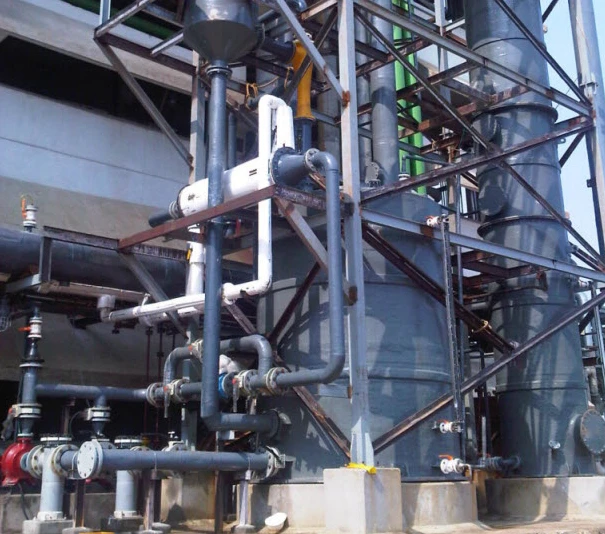
Waste ejector pump systems are specialized submersible pump installations designed for the efficient removal of macerated solid waste from residential, commercial, and industrial wastewater streams. Positioned within the plumbing system, typically near the source of effluent, these systems overcome gravity limitations and allow for the discharge of sewage containing solid components to a septic tank or municipal sewer line. Unlike standard sewage ejectors, waste ejector pumps incorporate a macerating mechanism, reducing waste particle size to prevent clogging and maintain consistent flow rates. Core performance characteristics include pumping capacity (gallons per minute – GPM), head pressure (feet), maceration efficiency (particle size reduction), motor horsepower, and operational reliability. The industry faces challenges surrounding pump longevity in abrasive environments, energy efficiency, and the effective handling of increasingly diverse waste compositions including non-biodegradable materials.
Material Science & Manufacturing
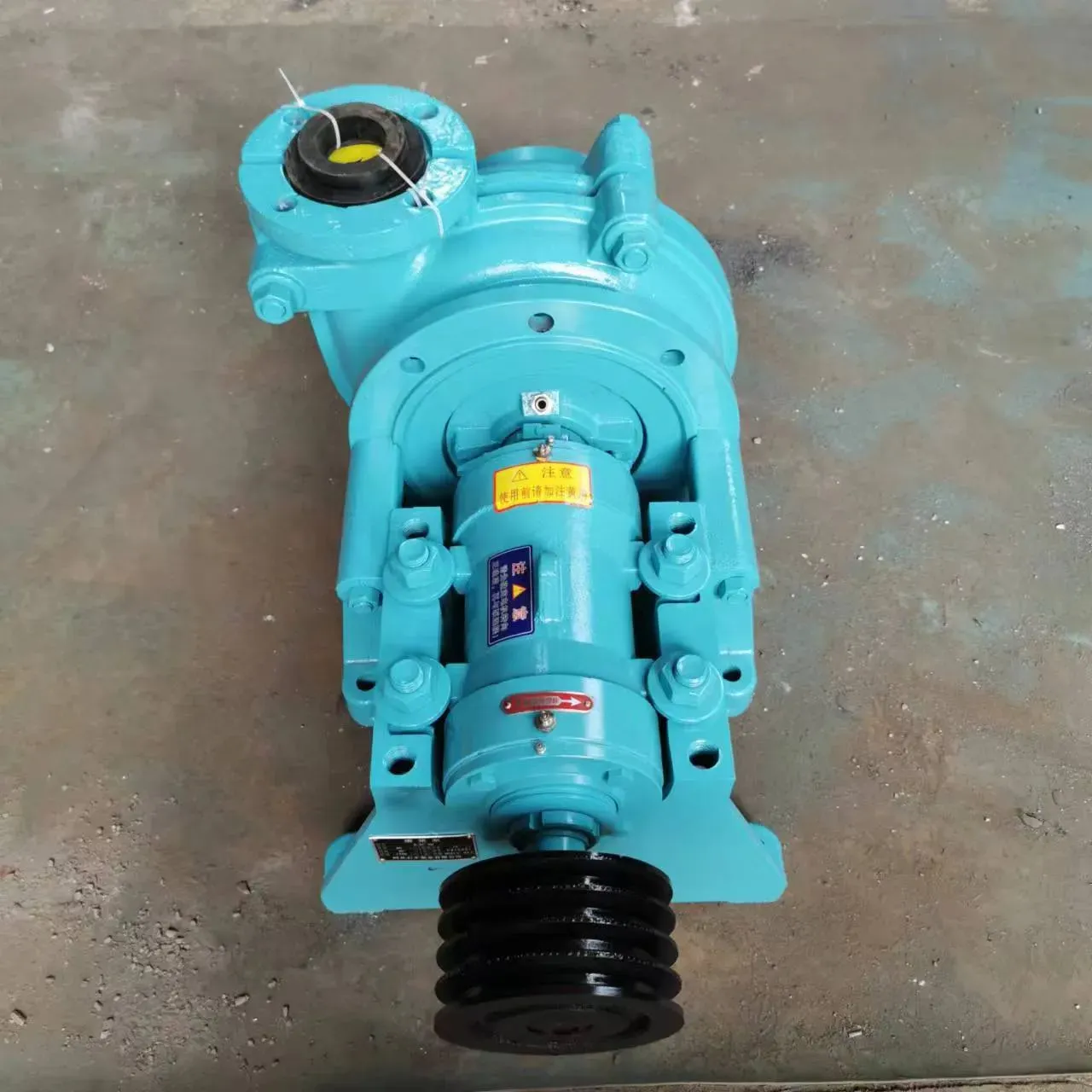
The construction of waste ejector pumps necessitates careful material selection to withstand the corrosive and abrasive nature of wastewater. Pump housings are commonly manufactured from cast iron (ASTM A48 Class 30), offering cost-effectiveness and reasonable durability. However, higher-end systems utilize stainless steel (specifically 316 stainless steel - ASTM A743 Grade CF8M) for enhanced corrosion resistance, particularly in environments with high sulfide concentrations. Impeller and cutter blades are typically constructed from hardened stainless steel (440C or higher Rockwell hardness) or high-chrome iron alloys to resist wear from abrasive solids. Seals are often manufactured from nitrile rubber (Buna-N) or Viton (fluoroelastomer) depending on the chemical compatibility requirements of the expected waste stream. Manufacturing processes involve precision casting for the housing, machining of impeller and cutter assemblies, and automated welding for critical structural components. Parameter control is paramount during impeller balancing to minimize vibration and extend bearing life. Motor housings are typically aluminum alloy (ASTM A380) chosen for its lightweight properties and heat dissipation characteristics. Proper heat treatment is critical during manufacturing to achieve optimal material hardness and tensile strength, mitigating premature failure due to fatigue or impact. Electromagnetic compatibility (EMC) testing is integral to ensure compliance with regulatory standards and prevent interference with other electrical systems.
Performance & Engineering
Waste ejector pump performance is governed by a complex interplay of hydraulic forces and mechanical stresses. Force analysis focuses on shear stress experienced by the impeller and cutter blades during maceration, as well as tensile stress on the pump housing under pressure. Pump curves, generated through rigorous testing (Hydraulic Institute Standards), detail the relationship between flow rate, head pressure, and power consumption. Environmental resistance is critical; the pump must operate reliably in a consistently moist and potentially corrosive environment. This necessitates robust sealing systems to prevent ingress of wastewater into the motor compartment (IP68 rated enclosures are common). Compliance with National Electrical Code (NEC) standards is essential for safe operation and electrical grounding. Functional implementation relies on a float switch system to automatically activate the pump when liquid levels reach a predetermined threshold. Proper sizing of the pump motor (horsepower) is crucial, based on anticipated flow rates and discharge head. The pump’s ability to handle solids is defined by the maximum particle size it can effectively macerate. Bearing lubrication and maintenance intervals are engineering factors impacting long-term reliability and preventing premature wear.
Technical Specifications
| Model Number | Motor Horsepower (HP) | Maximum Flow Rate (GPM) | Maximum Head (ft) |
|---|---|---|---|
| WEP-100 | 1/2 HP | 45 | 25 |
| WEP-200 | 3/4 HP | 60 | 35 |
| WEP-300 | 1 HP | 75 | 45 |
| WEP-400 | 1.5 HP | 90 | 55 |
| WEP-500 | 2 HP | 110 | 65 |
| WEP-600 | 2.5 HP | 130 | 75 |
Failure Mode & Maintenance
Waste ejector pumps are susceptible to several failure modes. Fatigue cracking of the impeller or cutter blades can occur due to repeated impact from hard solids. Delamination of the pump housing can result from corrosion and cavitation erosion. Bearing failure is common, often stemming from inadequate lubrication or contamination. Motor burnout can occur due to overloading, voltage fluctuations, or overheating. Seal failure leads to leakage and potential motor damage. The macerating mechanism can become jammed by non-biodegradable items (e.g., wipes, plastics). Proactive maintenance is critical. Regular inspection of the impeller and cutter blades for wear or damage is essential. Periodic lubrication of the bearings, following manufacturer's specifications, extends their lifespan. Checking seal integrity and replacing seals as needed prevents leakage. Cleaning the pump basin and removing debris prevents clogging. Voltage monitoring and protection circuits prevent motor burnout. Regularly flushing the discharge line ensures unobstructed flow. Conducting routine vibration analysis can identify early signs of bearing wear or impeller imbalance, enabling preventative maintenance before catastrophic failure. Finally, ensuring proper venting of the system prevents the buildup of harmful gases and minimizes corrosion risks.
Industry FAQ
Q: What is the typical lifespan of a waste ejector pump, and what factors influence it?
A: The typical lifespan ranges from 7-15 years, significantly influenced by usage frequency, the composition of the waste stream, and the quality of maintenance. Systems handling a high volume of abrasive solids or experiencing infrequent maintenance will likely have a shorter lifespan. Corrosion due to acidic wastewater will accelerate deterioration.
Q: What are the key differences between a sewage ejector and a waste ejector pump?
A: Sewage ejectors simply transfer sewage to a higher elevation; they do not macerate solids. Waste ejectors incorporate a cutting mechanism to reduce solid waste particle size, preventing clogging and allowing for the discharge of solids-laden effluent. Waste ejectors are preferred when discharging to smaller diameter pipes or septic systems.
Q: How do I determine the correct horsepower (HP) for my application?
A: HP selection depends on the vertical lift (head) and the required flow rate. Consulting pump performance curves and considering the distance from the pump to the discharge point is crucial. Oversizing the pump can lead to inefficient operation and increased energy consumption.
Q: What types of materials should I avoid flushing down the drain to prevent damage to the pump?
A: Non-biodegradable items such as “flushable” wipes, feminine hygiene products, plastics, paper towels, and grease should never be flushed. These materials can clog the pump and damage the macerating mechanism. Excessive amounts of hair and string can also cause issues.
Q: What safety precautions should be taken when performing maintenance on a waste ejector pump?
A: Always disconnect power to the pump before performing any maintenance. Wear appropriate personal protective equipment (PPE), including gloves, safety glasses, and potentially a respirator. Be aware of potential hazards associated with wastewater, including bacteria and viruses. Properly dispose of any removed debris or contaminated materials.
Conclusion
Waste ejector pump systems represent a critical component in modern wastewater management, enabling the effective disposal of solids-laden effluent in challenging plumbing scenarios. The selection of appropriate materials, precise manufacturing controls, and diligent maintenance practices are paramount to ensuring long-term operational reliability and preventing costly failures. Understanding the interplay between hydraulic performance, mechanical stresses, and environmental factors is fundamental to optimal system design and implementation.
Future developments will likely focus on enhancing pump efficiency, reducing energy consumption, and incorporating smart monitoring technologies to predict and prevent failures. Advancements in maceration technology may enable the handling of a wider range of waste materials. Furthermore, increased focus on sustainable materials and environmentally friendly manufacturing processes will become increasingly important in the industry.
-
Comprehensive Guide to Waterproof ORings for Optimal Sealing Solutions
News2026-06-09
-
submergable pump Material Science
News2026-06-23
-
sewer injection pump Performance Engineering
News2026-06-23
-
Sewer Ejector Pump System Performance Analysis
News2026-06-23
-
septic tank pump for sale Performance Engineering
News2026-06-23
-
septic pump for sale Performance Engineering
News2026-06-23
-
septic ejector system Performance Analysis
News2026-06-22
-
replace septic pump Performance Analysis
News2026-06-22
-
pump system septic tank Performance Analysis
News2026-06-22
-
lift pump for sewer Performance and Engineering
News2026-06-22
-
industrial submersible water pump Material Science
News2026-06-22
-
industrial submersible pumps Material Science and Manufacturing
News2026-06-21
-
best sewer ejector pump Performance Analysis
News2026-06-21
-
best septic pump Performance Analysis
News2026-06-21
-
1 2 hp septic pump Performance Engineering
News2026-06-21




