English
- Afrikaans
- Albanian
- Amharic
- Arabic
- Armenian
- Azerbaijani
- Basque
- Belarusian
- Bengali
- Bosnian
- Bulgarian
- Catalan
- Cebuano
- Corsican
- Croatian
- Czech
- Danish
- Dutch
- English
- Esperanto
- Estonian
- Finnish
- French
- Frisian
- Galician
- Georgian
- German
- Greek
- Gujarati
- Haitian Creole
- hausa
- hawaiian
- Hebrew
- Hindi
- Miao
- Hungarian
- Icelandic
- igbo
- Indonesian
- irish
- Italian
- Japanese
- Javanese
- Kannada
- kazakh
- Khmer
- Rwandese
- Korean
- Kurdish
- Kyrgyz
- Lao
- Latin
- Latvian
- Lithuanian
- Luxembourgish
- Macedonian
- Malgashi
- Malay
- Malayalam
- Maltese
- Maori
- Marathi
- Mongolian
- Myanmar
- Nepali
- Norwegian
- Norwegian
- Occitan
- Pashto
- Persian
- Polish
- Portuguese
- Punjabi
- Romanian
- Russian
- Samoan
- Scottish Gaelic
- Serbian
- Sesotho
- Shona
- Sindhi
- Sinhala
- Slovak
- Slovenian
- Somali
- Spanish
- Sundanese
- Swahili
- Swedish
- Tagalog
- Tajik
- Tamil
- Tatar
- Telugu
- Thai
- Turkish
- Turkmen
- Ukrainian
- Urdu
- Uighur
- Uzbek
- Vietnamese
- Welsh
- Bantu
- Yiddish
- Yoruba
- Zulu

Telephone: +86 13120555503
Email: frank@cypump.com


Apr . 01, 2024 17:55 Back to list
Warman Style Slurry Pumps Performance Analysis top rated supplier for high quality warman style slurry...
Introduction
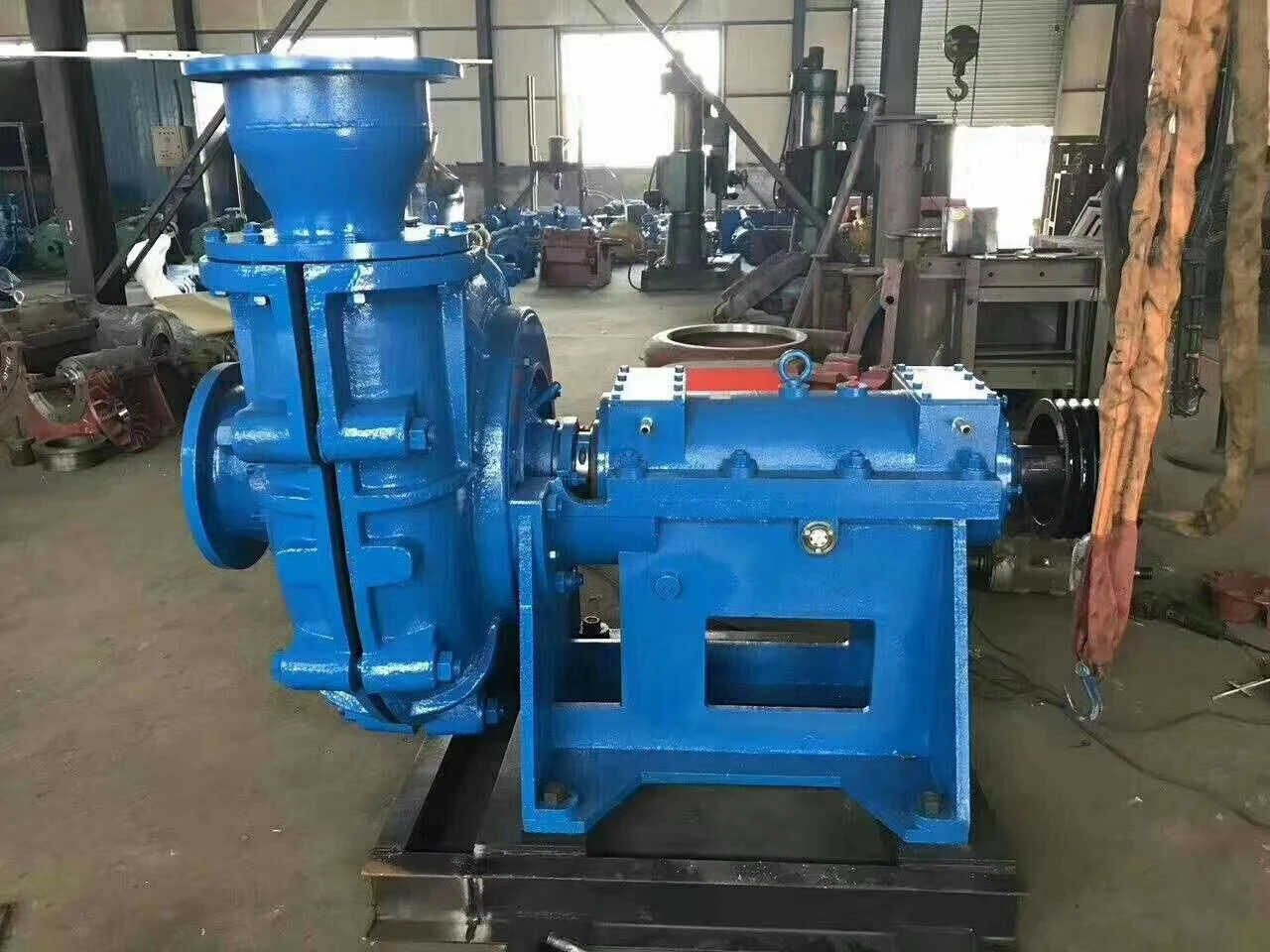
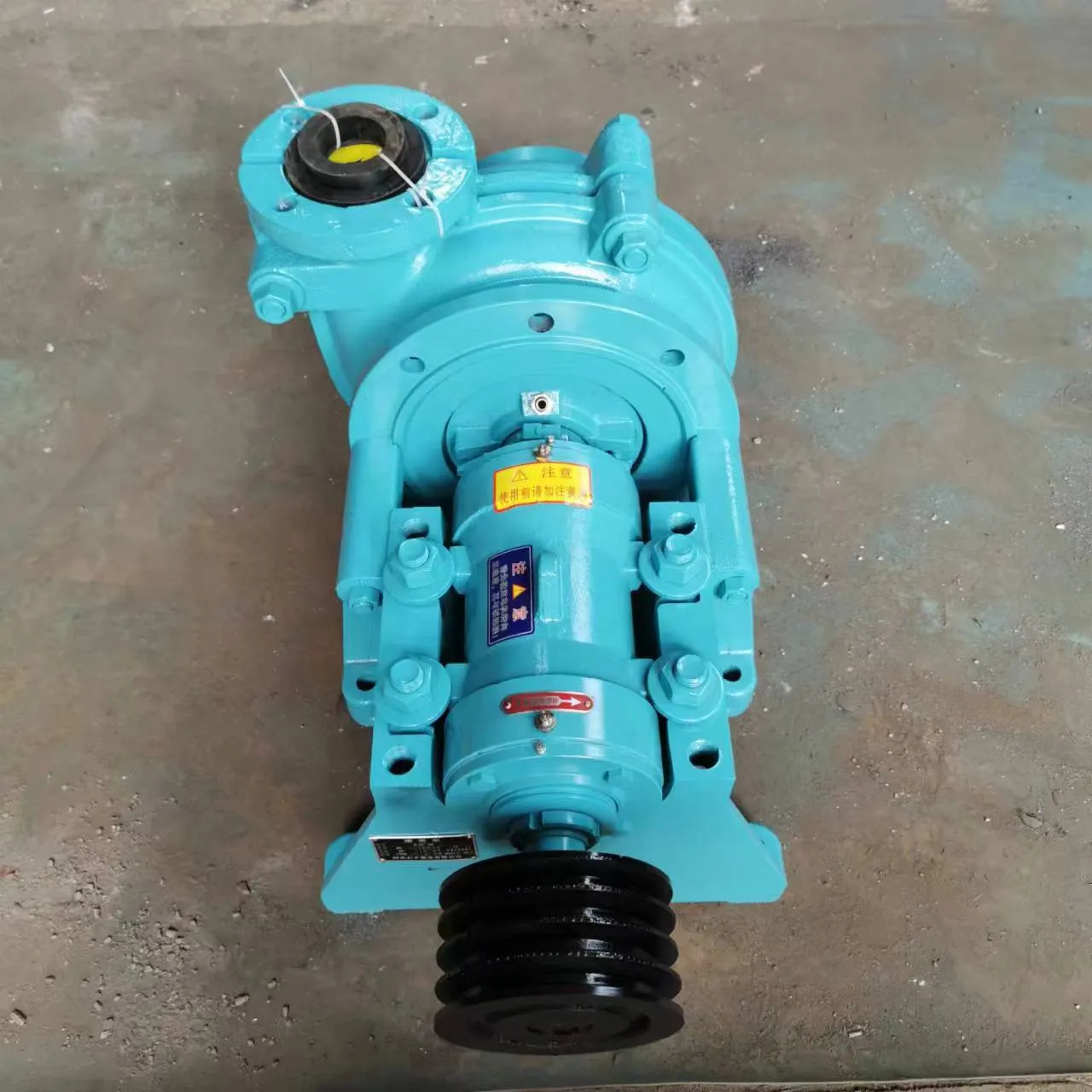
Warman style slurry pumps represent a critical component in numerous industrial processes, particularly within the mining, aggregate, dredging, and wastewater treatment sectors. These pumps are engineered to efficiently transport highly abrasive and erosive slurries, mixtures of liquids and solid particles. A top-rated supplier of these pumps understands the nuanced demands of these applications and focuses on delivering solutions maximizing operational lifespan and minimizing downtime. This guide provides a comprehensive technical overview of Warman style slurry pumps, covering material science, manufacturing processes, performance characteristics, failure modes, and relevant industry standards. The selection and proper maintenance of these pumps are paramount to process efficiency and cost-effectiveness. The core performance lies in their ability to handle high solids concentrations, variable flow rates, and significant abrasive wear without substantial performance degradation. A key differentiator amongst suppliers lies in their understanding of impeller design, casing metallurgy, and sealing system optimization.
Material Science & Manufacturing
The performance and longevity of Warman style slurry pumps are fundamentally dictated by the materials used in their construction. Pump casings are commonly manufactured from high-chromium cast iron alloys (typically 27% Cr), offering exceptional resistance to abrasive wear. Alternative materials, such as ductile iron with ceramic or rubber linings, are employed depending on the slurry's composition and corrosivity. Impellers are frequently manufactured from similar high-chromium alloys or specialized stainless steels (e.g., duplex stainless steel) for enhanced corrosion resistance. Shafts are typically forged from alloy steel, heat-treated to achieve optimal tensile strength and hardness. Manufacturing processes begin with patternmaking for the casing and impeller castings. Critical processes include sand casting, centrifugal casting (for impellers demanding increased density and reduced porosity), and precision machining. Welding processes, such as shielded metal arc welding (SMAW) or submerged arc welding (SAW), are used for joining casing components. Parameter control is vital: accurate alloy composition, precise heat treatment schedules, and meticulous dimensional control during machining directly correlate to pump performance and service life. Linings, when applied, undergo rigorous quality checks to ensure adhesion and integrity. Hardness testing (Brinell, Vickers) and chemical composition analysis are standard quality control procedures.
Performance & Engineering
The hydraulic performance of a Warman style slurry pump is characterized by its flow rate, head (pressure), and power consumption. These parameters are significantly influenced by impeller diameter, impeller speed, and impeller design (vane angle, blade thickness). Force analysis dictates that the pump casing must withstand significant internal pressure, particularly when handling high-density slurries. Stress calculations are crucial to ensure structural integrity and prevent catastrophic failure. Environmental resistance is a key consideration; pumps operating in harsh environments (e.g., offshore applications) require specialized coatings and materials to mitigate corrosion from saltwater or exposure to extreme temperatures. Compliance requirements, such as those outlined by the Hydraulic Institute standards, dictate minimum efficiency levels and performance testing protocols. The selection of the appropriate pump curve (head vs. flow rate) is vital for matching pump performance to specific process demands. Functional implementation involves careful consideration of suction and discharge piping layouts to minimize head losses and prevent cavitation. Seal selection is also critical; mechanical seals are preferred for their reliability and ability to handle abrasive particles, but specific seal materials (e.g., silicon carbide, tungsten carbide) must be chosen based on slurry composition. Net Positive Suction Head Required (NPSHr) calculations are paramount to prevent cavitation damage.
Technical Specifications
| Parameter | Units | Typical Range | Material Specification |
|---|---|---|---|
| Flow Rate | m³/hr | 50 - 1500 | Dependent on impeller size and speed |
| Head (Discharge Pressure) | m | 10 - 100 | Dependent on impeller design |
| Solids Handling Capability | mm | Up to 75 | Impeller design & liner material |
| Pump Speed | RPM | 500 - 2000 | Drive motor and gearbox ratio |
| Casing Material | - | High-Chromium Cast Iron (27%Cr), Ductile Iron | ASTM A532 (for ductile iron) |
| Impeller Material | - | High-Chromium Cast Iron (27%Cr), Stainless Steel (Duplex) | ASTM A749 (for stainless steel) |
Failure Mode & Maintenance
Warman style slurry pumps are susceptible to several failure modes. Fatigue cracking in the casing and impeller can occur due to cyclic loading and stress concentrations. Erosion and abrasion, particularly in areas with high slurry velocity (e.g., impeller vanes, volute tongue), lead to material loss and performance degradation. Cavitation damage manifests as pitting and erosion on the impeller surface, often caused by inadequate NPSH. Seal failure is common, leading to leakage and potential contamination. Bearing failure, resulting from improper lubrication or excessive load, can cause significant damage. Regular maintenance is crucial for preventing these failures. This includes visual inspections for wear and corrosion, lubrication of bearings, seal replacement, and impeller balancing. Vibration analysis can detect early signs of bearing or impeller imbalance. Periodic casing thickness measurements can monitor erosion rates. Failure analysis, involving metallurgical examination of failed components, is vital for identifying root causes and implementing corrective actions. Scheduled pump overhauls, including impeller and liner replacement, are essential for maintaining optimal performance and extending service life. Proper slurry management – including screening and controlling solids content – can significantly reduce abrasive wear.
Industry FAQ
Q: What is the primary difference between a Warman style pump and a centrifugal pump designed for clean fluids?
A: Warman style pumps are specifically designed to handle abrasive and erosive slurries. They feature heavier casings, larger flow passages, and impellers designed to resist wear and maintain efficiency when transporting solids. Clean fluid centrifugal pumps are optimized for low viscosity fluids and are not equipped to withstand the impact and abrasion of solids.
Q: How does impeller design affect pump performance and wear life?
A: Impeller design significantly influences flow rate, head, and solids handling capability. Impellers with larger vane angles generate higher head but may be more susceptible to wear. Impellers with reduced blade thickness can improve solids handling but may compromise efficiency. The choice of impeller material also plays a crucial role in wear resistance.
Q: What are the key considerations when selecting a liner material for a slurry pump casing?
A: The liner material must be compatible with the slurry's chemical composition and abrasive characteristics. Rubber linings offer excellent resistance to abrasion but may be unsuitable for highly corrosive slurries. Ceramic linings provide superior corrosion resistance but can be brittle and prone to cracking under impact. High-chromium cast iron provides a good balance of abrasion and corrosion resistance.
Q: What are the potential consequences of operating a slurry pump outside its recommended operating range?
A: Operating a slurry pump outside its recommended range can lead to reduced efficiency, increased wear, cavitation damage, and premature failure. Overloading the pump can cause impeller cracking or casing distortion. Operating at low flow rates can exacerbate erosion and abrasion.
Q: How important is proper seal selection for slurry pump applications?
A: Proper seal selection is critically important. Slurries are often abrasive and can quickly destroy improperly selected seals. Mechanical seals utilizing materials like silicon carbide or tungsten carbide are generally preferred. The seal’s support system (flushing, cooling) must also be appropriately designed to remove abrasive particles and maintain optimal operating conditions.
Conclusion
Warman style slurry pumps are essential for a diverse range of industrial applications demanding reliable and efficient transport of abrasive slurries. Selecting a pump from a top-rated supplier ensures access to quality materials, advanced manufacturing processes, and engineering expertise. Understanding the underlying material science, performance characteristics, and potential failure modes is vital for maximizing pump life and minimizing operational costs.
Effective maintenance practices, including regular inspections, lubrication, and timely component replacement, are crucial for preventing catastrophic failures and ensuring long-term reliability. Ongoing monitoring of pump performance, combined with proactive failure analysis, will optimize operational efficiency and reduce the total cost of ownership. Proper pump selection and operation, coupled with a robust maintenance program, are key to achieving a sustained return on investment.
-
Precision at the Pump: How Better Machining Protects Flow and Uptime
News2026-11-20
-
Why Pump Reliability Begins Before the First Drop of Fluid
News2026-11-20
-
Beyond the Pump: Designing Safer Access Around Critical Water Infrastructure
News2026-11-20
-
Why Pumping Stations Depend on the Infrastructure Beneath the Pumps
News2026-11-20
-
Beyond the Pump Room: How Smarter Loading Protects Industrial Equipment
News2026-11-19
-
When Pumps Stop: Designing More Resilient Power for Critical Pumping Systems
News2026-11-19
-
The Hidden Role of Dust and Gas Monitoring in Reliable Pump Operations
News2026-11-19
-
The Hidden Role of Mineral Compounds in Extending Industrial Pump Lifespan
News2026-10-12
-
Why Pump System Reliability Depends on Precision Hose Assembly Methods
News2026-09-15
-
How Advanced Imaging Films Are Transforming Pump Component Quality Control
News2026-08-25
-
How Advanced Filtration Protects Pump Systems from Premature Wear and Costly Downtime
News2026-08-25
-
How Steel Material Selection Drives Pump Reliability in Heavy-Duty Systems
News2026-08-25
-
Ensuring Pump System Efficiency: The Role of High-Quality Pipe Fittings and Tubing
News2026-08-24
-
Optimizing Fluid Dynamics and Material Consistency in Industrial Processing
News2026-08-18
-
Innovations and Challenges in Hydraulic Systems for Heavy Machinery
News2026-08-13




