English
- Afrikaans
- Albanian
- Amharic
- Arabic
- Armenian
- Azerbaijani
- Basque
- Belarusian
- Bengali
- Bosnian
- Bulgarian
- Catalan
- Cebuano
- Corsican
- Croatian
- Czech
- Danish
- Dutch
- English
- Esperanto
- Estonian
- Finnish
- French
- Frisian
- Galician
- Georgian
- German
- Greek
- Gujarati
- Haitian Creole
- hausa
- hawaiian
- Hebrew
- Hindi
- Miao
- Hungarian
- Icelandic
- igbo
- Indonesian
- irish
- Italian
- Japanese
- Javanese
- Kannada
- kazakh
- Khmer
- Rwandese
- Korean
- Kurdish
- Kyrgyz
- Lao
- Latin
- Latvian
- Lithuanian
- Luxembourgish
- Macedonian
- Malgashi
- Malay
- Malayalam
- Maltese
- Maori
- Marathi
- Mongolian
- Myanmar
- Nepali
- Norwegian
- Norwegian
- Occitan
- Pashto
- Persian
- Polish
- Portuguese
- Punjabi
- Romanian
- Russian
- Samoan
- Scottish Gaelic
- Serbian
- Sesotho
- Shona
- Sindhi
- Sinhala
- Slovak
- Slovenian
- Somali
- Spanish
- Sundanese
- Swahili
- Swedish
- Tagalog
- Tajik
- Tamil
- Tatar
- Telugu
- Thai
- Turkish
- Turkmen
- Ukrainian
- Urdu
- Uighur
- Uzbek
- Vietnamese
- Welsh
- Bantu
- Yiddish
- Yoruba
- Zulu

Telephone: +86 13120555503
Email: frank@cypump.com


Apr . 01, 2024 17:55 Back to list
vertical turbine mixed flow and propeller pumps Performance Engineering
Introduction
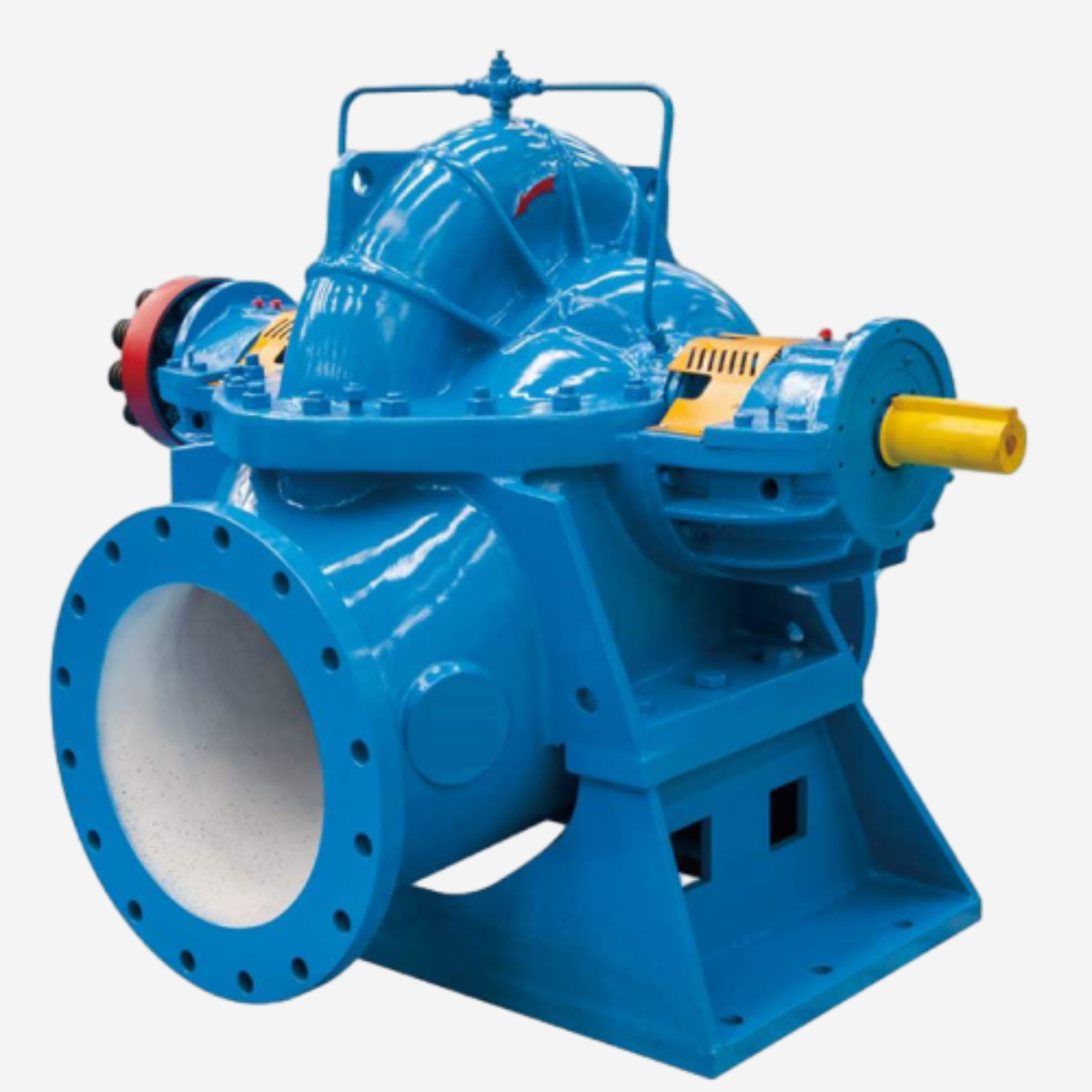
Vertical turbine mixed flow and propeller pumps are centrifugal pumps designed for lifting fluids from wells, sumps, or tanks where the liquid source is below the pump location. They are a critical component in a wide range of industrial applications, including water supply, irrigation, dewatering, cooling water systems, and fire protection. These pumps are characterized by their vertical shaft arrangement, which minimizes footprint and simplifies installation in confined spaces. The selection between a mixed flow and propeller pump depends largely on the required head and flow rate; propeller pumps excel at high flow, low head applications, while mixed flow pumps bridge the gap between radial and axial flow designs, providing a balance of both. A core industry pain point is selecting the appropriate material of construction to resist corrosion and erosion, particularly in aggressive environments, and ensuring long-term reliability through proper maintenance and monitoring. Their efficiency, reliability and adaptability make them a cornerstone of fluid transfer in numerous sectors.
Material Science & Manufacturing
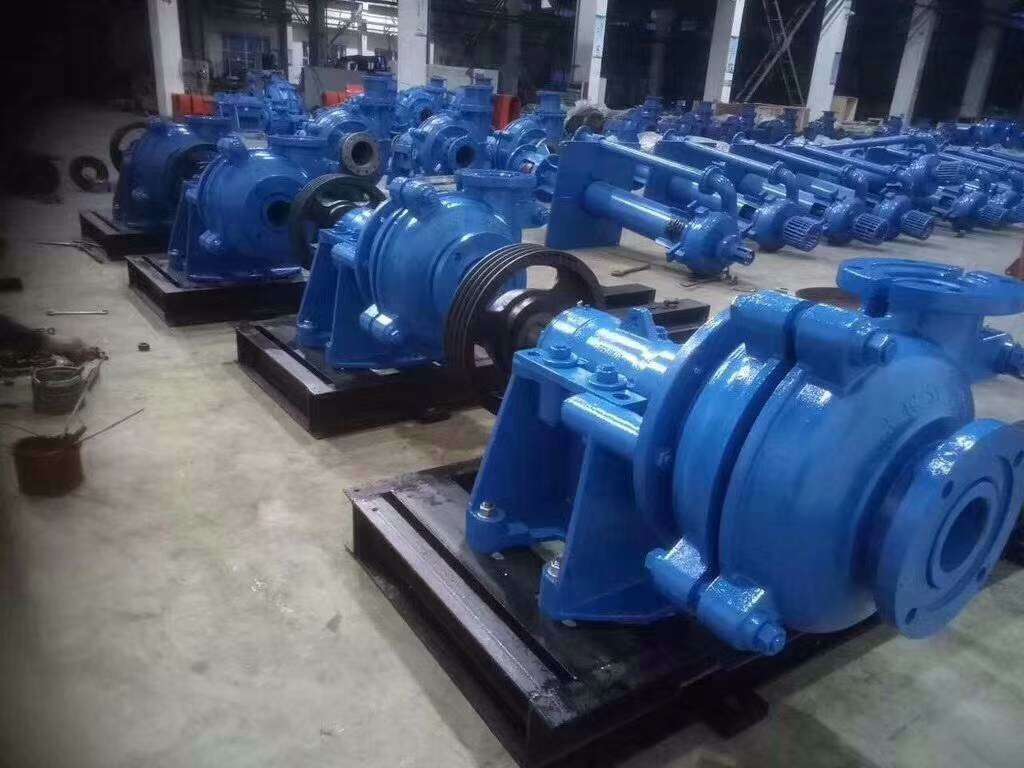
The manufacturing of vertical turbine pumps necessitates careful material selection and precise manufacturing processes. Pump components are commonly fabricated from cast iron (ASTM A48 Class 30 for casings), stainless steel (304, 316, 17-4PH for impellers and shafts, selected based on fluid compatibility and strength requirements), and various alloys. Shaft materials, in particular, require high tensile strength and fatigue resistance. Manufacturing begins with the casting or forging of the pump casing and bowl components. Impellers are typically manufactured using investment casting or centrifugal casting, enabling complex geometries. Shafts are machined from bar stock with tight tolerances for concentricity and straightness. The key manufacturing processes include: machining, welding (often using submerged arc welding or TIG welding for critical joints), heat treatment (for hardening and stress relieving), and precision assembly. Quality control is paramount, involving non-destructive testing (NDT) like radiographic inspection, ultrasonic testing, and liquid penetrant inspection to identify defects in welds and castings. Proper surface finishing, including polishing and coating (epoxy or specialized polymer coatings), is crucial for minimizing friction and enhancing corrosion resistance. The manufacturing process must adhere to stringent tolerances to ensure hydraulic efficiency and minimize vibration.
Performance & Engineering
The performance of vertical turbine pumps is governed by fundamental hydraulic principles and engineering design considerations. Force analysis focuses on both static and dynamic loads acting on the pump shaft and bearings. Static loads arise from the weight of the pump column and fluid, while dynamic loads are induced by hydraulic forces and impeller imbalance. Bearing selection (typically deep groove ball bearings or tapered roller bearings) is critical for accommodating these loads and ensuring long service life. Environmental resistance is a significant concern, requiring consideration of temperature extremes, humidity, and exposure to corrosive substances. Pump performance is quantified by head-capacity curves, efficiency curves, and Net Positive Suction Head Required (NPSHr) data. NPSHr is a critical parameter to prevent cavitation, a phenomenon that can severely damage the impeller and reduce pump performance. Compliance requirements vary by region and application but often include adherence to API 610 (centrifugal pumps) and Hydraulic Institute (HI) standards. Shaft alignment is paramount and is achieved through precision machining and assembly. Vibration analysis is routinely employed to monitor pump health and identify potential issues before they escalate into failures. Pump selection should also factor in fluid viscosity and specific gravity, as these parameters directly impact pump performance.
Technical Specifications
| Parameter | Propeller Pump (Typical Range) | Mixed Flow Pump (Typical Range) | Units |
|---|---|---|---|
| Flow Rate | 100 – 10,000 | 500 – 5,000 | m³/hr |
| Head | 5 – 30 | 20 – 80 | m |
| Specific Speed (Ns) | >8,000 | 3,000 – 8,000 | - |
| Impeller Diameter | 200 – 800 | 300 – 1,200 | mm |
| Motor Power | 2.2 – 150 | 7.5 – 250 | kW |
| Maximum Liquid Temperature | -20 to 100 | -20 to 150 | °C |
Failure Mode & Maintenance
Vertical turbine pumps are susceptible to various failure modes, including bearing failure (caused by lubrication issues, misalignment, or overload), impeller erosion (due to abrasive particles in the fluid), shaft fatigue cracking (resulting from cyclic loading and stress concentrations), seal failure (leading to leakage), and cavitation damage. Bearing failure is often indicated by increased vibration and noise. Impeller erosion can be mitigated by selecting appropriate materials and implementing filtration systems. Shaft fatigue cracking can be detected through NDT methods like ultrasonic testing. Seal failure is commonly caused by wear, corrosion, or improper installation. Cavitation manifests as pitting on the impeller surface and a noticeable decrease in pump performance. Preventive maintenance is crucial for extending pump life. This includes regular lubrication of bearings, inspection of seals and wear rings, alignment checks, and vibration analysis. Scheduled overhauls should include complete disassembly, inspection, and replacement of worn components. Proper strainer maintenance prevents abrasive particles from entering the pump. Routine monitoring of discharge pressure, suction pressure, and motor current can provide early warning signs of potential problems. Detailed record keeping of maintenance activities is essential for tracking pump performance and identifying recurring issues.
Industry FAQ
Q: What is the primary difference between a propeller pump and a mixed flow pump in terms of application?
A: Propeller pumps are best suited for high-flow, low-head applications, like drainage or large-volume water transfer. Mixed flow pumps offer a compromise between radial and axial flow, making them ideal for medium-head, medium-flow applications where more pressure is required than a propeller pump can provide, but without the higher head of a traditional centrifugal pump.
Q: How does fluid viscosity affect the performance of a vertical turbine pump?
A: Increased fluid viscosity leads to increased friction losses within the pump, reducing flow rate and efficiency. Pump curves are typically based on water; adjustments must be made when pumping more viscous fluids, often requiring a larger motor and potentially derating the pump’s capacity.
Q: What are the common causes of cavitation in vertical turbine pumps, and how can it be prevented?
A: Cavitation occurs when the absolute pressure at the pump suction falls below the vapor pressure of the liquid, forming vapor bubbles that collapse violently, damaging the impeller. Causes include insufficient NPSH, high suction lift, and excessive flow rates. Prevention involves ensuring adequate NPSH available, minimizing suction lift, and operating the pump within its designed flow range.
Q: What material selection considerations are crucial when pumping corrosive fluids?
A: Material selection is paramount. Stainless steel alloys (316, 17-4PH) are commonly used for their corrosion resistance. However, the specific alloy must be chosen based on the chemical composition of the fluid being pumped. Coatings, such as epoxy or fluoropolymers, can provide additional protection. Consult corrosion resistance charts and chemical compatibility data sheets.
Q: How often should the bearings in a vertical turbine pump be inspected and lubricated?
A: Bearing inspection and lubrication frequency depend on operating conditions and manufacturer recommendations. Generally, bearings should be inspected every 3-6 months and lubricated according to the lubrication schedule. Vibration analysis can help detect early signs of bearing wear, allowing for proactive maintenance.
Conclusion
Vertical turbine mixed flow and propeller pumps represent a robust and versatile solution for a broad spectrum of fluid transfer applications. Their vertical design, coupled with appropriate material selection and meticulous manufacturing processes, ensures reliable and efficient performance. Understanding the nuances of pump performance, including head-capacity curves, NPSHr requirements, and potential failure modes, is crucial for optimizing pump selection and extending its operational lifespan.
Future advancements in pump technology will likely focus on improved materials, enhanced monitoring systems (including IoT-enabled sensors), and more efficient hydraulic designs. Prioritizing preventative maintenance, leveraging data-driven insights, and adhering to industry standards like API 610 will remain essential for maximizing the return on investment and ensuring the long-term reliability of these critical industrial assets.
-
Precision at the Pump: How Better Machining Protects Flow and Uptime
News2026-11-20
-
Why Pump Reliability Begins Before the First Drop of Fluid
News2026-11-20
-
Beyond the Pump: Designing Safer Access Around Critical Water Infrastructure
News2026-11-20
-
Why Pumping Stations Depend on the Infrastructure Beneath the Pumps
News2026-11-20
-
Beyond the Pump Room: How Smarter Loading Protects Industrial Equipment
News2026-11-19
-
When Pumps Stop: Designing More Resilient Power for Critical Pumping Systems
News2026-11-19
-
The Hidden Role of Dust and Gas Monitoring in Reliable Pump Operations
News2026-11-19
-
The Hidden Role of Mineral Compounds in Extending Industrial Pump Lifespan
News2026-10-12
-
Why Pump System Reliability Depends on Precision Hose Assembly Methods
News2026-09-15
-
How Advanced Imaging Films Are Transforming Pump Component Quality Control
News2026-08-25
-
How Advanced Filtration Protects Pump Systems from Premature Wear and Costly Downtime
News2026-08-25
-
How Steel Material Selection Drives Pump Reliability in Heavy-Duty Systems
News2026-08-25
-
Ensuring Pump System Efficiency: The Role of High-Quality Pipe Fittings and Tubing
News2026-08-24
-
Optimizing Fluid Dynamics and Material Consistency in Industrial Processing
News2026-08-18
-
Innovations and Challenges in Hydraulic Systems for Heavy Machinery
News2026-08-13




