English
- Afrikaans
- Albanian
- Amharic
- Arabic
- Armenian
- Azerbaijani
- Basque
- Belarusian
- Bengali
- Bosnian
- Bulgarian
- Catalan
- Cebuano
- Corsican
- Croatian
- Czech
- Danish
- Dutch
- English
- Esperanto
- Estonian
- Finnish
- French
- Frisian
- Galician
- Georgian
- German
- Greek
- Gujarati
- Haitian Creole
- hausa
- hawaiian
- Hebrew
- Hindi
- Miao
- Hungarian
- Icelandic
- igbo
- Indonesian
- irish
- Italian
- Japanese
- Javanese
- Kannada
- kazakh
- Khmer
- Rwandese
- Korean
- Kurdish
- Kyrgyz
- Lao
- Latin
- Latvian
- Lithuanian
- Luxembourgish
- Macedonian
- Malgashi
- Malay
- Malayalam
- Maltese
- Maori
- Marathi
- Mongolian
- Myanmar
- Nepali
- Norwegian
- Norwegian
- Occitan
- Pashto
- Persian
- Polish
- Portuguese
- Punjabi
- Romanian
- Russian
- Samoan
- Scottish Gaelic
- Serbian
- Sesotho
- Shona
- Sindhi
- Sinhala
- Slovak
- Slovenian
- Somali
- Spanish
- Sundanese
- Swahili
- Swedish
- Tagalog
- Tajik
- Tamil
- Tatar
- Telugu
- Thai
- Turkish
- Turkmen
- Ukrainian
- Urdu
- Uighur
- Uzbek
- Vietnamese
- Welsh
- Bantu
- Yiddish
- Yoruba
- Zulu

Telephone: +86 13120555503
Email: frank@cypump.com


Apr . 01, 2024 17:55 Back to list
vertical submersible sewage pump supply Performance Analysis
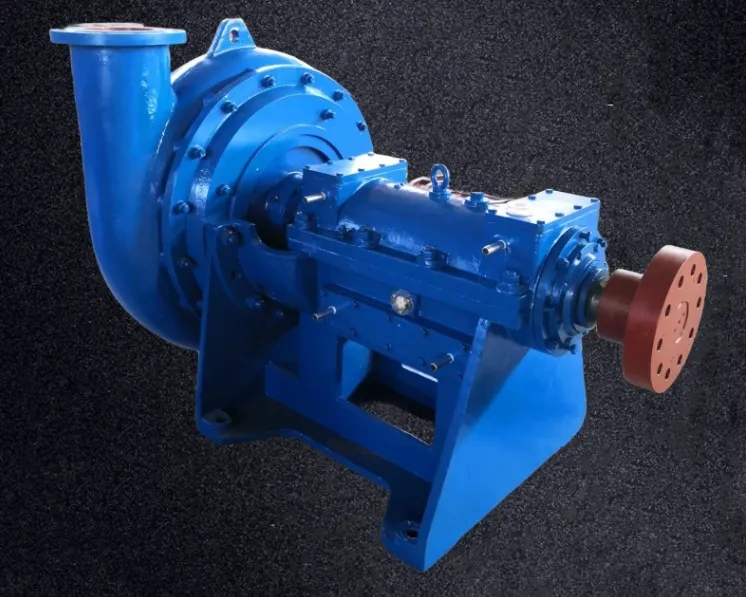
Introduction
Vertical submersible sewage pumps represent a critical component in wastewater management infrastructure, employed across municipal, industrial, and commercial applications. Unlike traditional sewage pumps requiring above-ground installation and priming, these pumps are designed for complete submersion within the sewage liquid, directly coupled to a motor sealed against water ingress. This configuration eliminates the need for suction lift, significantly improving efficiency and reliability, particularly in applications with fluctuating fluid levels or the presence of solids. The technical position in the industry chain places these pumps as the terminal hydraulic element in a larger system encompassing collection networks, treatment plants, and discharge infrastructure. Core performance characteristics center around hydraulic efficiency, solids handling capability, motor reliability in wet environments, and overall system longevity, all critically influencing the total cost of ownership for operators. The prevalence of ragging – the accumulation of fibrous materials – and abrasive solids necessitates a robust hydraulic design and material selection, distinguishing high-performance units from those susceptible to premature failure.
Material Science & Manufacturing
The construction of vertical submersible sewage pumps demands careful material selection to withstand the corrosive and abrasive nature of sewage. Pump casings are typically manufactured from cast iron (ASTM A48 Class 30), ductile iron (ASTM A536-89 65-45-12), or stainless steel (304 or 316L) based on the severity of the application. Cast iron offers cost-effectiveness for less aggressive environments, while ductile iron provides enhanced tensile strength and impact resistance. Stainless steel, particularly 316L with its molybdenum content, is crucial for handling highly corrosive effluents containing sulfides or chlorides. Impellers, subjected to the highest erosive forces, are frequently constructed from high-chrome cast iron (typically containing 15-28% chromium) or hardened stainless steel. Shafts utilize alloy steels (e.g., 4140, 4340) that are heat-treated for optimal strength and wear resistance. Seals are a critical component; Silicon Carbide (SiC) faces against SiC are the standard for mechanical seals, offering superior abrasion resistance compared to tungsten carbide. Manufacturing processes include sand casting for casings, investment casting for impellers (allowing complex geometries for optimized hydraulics), and CNC machining for precise component dimensions. Welding procedures (SMAW, GMAW) require strict adherence to AWS D1.1 standards for structural integrity, particularly for pump discharge configurations. Parameter control during manufacturing, including heat treatment temperatures and machining tolerances, directly impacts pump performance and lifespan.
Performance & Engineering
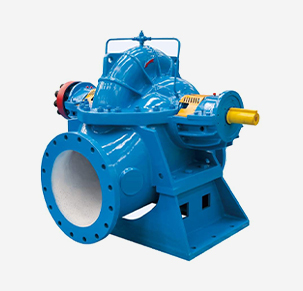
Performance evaluation of vertical submersible sewage pumps hinges on hydraulic efficiency, head-capacity curves, and solids handling capability. Hydraulic design incorporates non-clog impeller geometries (e.g., recessed, vortex, or cutter impellers) to minimize ragging. Vortex impellers excel at handling large solids with minimal shearing action, while cutter impellers actively reduce solid size but require more power. Force analysis is critical during impeller design to ensure structural integrity under maximum head pressure and rotational stresses. Environmental resistance is addressed through robust sealing systems and corrosion-resistant materials. Motor selection is dictated by the pump's power requirements and the operating environment; squirrel-cage induction motors are commonly employed, encapsulated within a watertight enclosure and often cooled by the surrounding sewage liquid. Compliance requirements include adherence to NEMA standards for motor performance and protection (e.g., NEMA MG 1), and EPA effluent guidelines for pump station discharge. Functional implementation considerations encompass pump sizing based on anticipated flow rates, static head, and friction losses within the piping system. Variable Frequency Drives (VFDs) are increasingly employed to optimize pump performance and energy consumption by matching pump speed to varying flow demands. Furthermore, proper installation, including adequate inlet submergence and discharge piping support, is crucial for preventing cavitation and premature wear.
Technical Specifications
| Parameter | Unit | Typical Value (Small Pump) | Typical Value (Large Pump) |
|---|---|---|---|
| Flow Rate | m³/h | 10-50 | 200-1000 |
| Total Head | m | 5-20 | 40-100 |
| Motor Power | kW | 0.75-3 | 15-75 |
| Impeller Diameter | mm | 150-300 | 500-800 |
| Solids Handling Capability | mm | 25-50 | 75-150 |
| Cable Length | m | 10-30 | 50-100 |
Failure Mode & Maintenance
Vertical submersible sewage pumps are susceptible to several failure modes. Fatigue cracking in the pump casing or impeller can occur due to cyclical stress from fluid pressure and vibrations. Delamination of protective coatings (epoxy, polyurethane) on internal surfaces accelerates corrosion. Degradation of elastomer components (seals, O-rings) leads to leakage and loss of pump efficiency. Oxidation of motor windings compromises motor performance and can result in complete failure. Ragging, the accumulation of fibrous materials, causes impeller blockage and increased motor load, leading to overheating and potential burnout. Abrasive wear from suspended solids erodes impeller vanes and casing surfaces, reducing hydraulic efficiency. Maintenance solutions include regular inspection of seals and bearings, preventative replacement of elastomer components based on operating hours, monitoring motor temperature and current draw, and implementing a robust rag screening program upstream of the pump. Failure analysis should involve visual inspection for wear patterns, dimensional checks for impeller erosion, and electrical testing of motor windings. Periodic hydraulic testing can quantify pump performance and identify internal wear. Proper lubrication of bearings, as specified by the manufacturer, is also crucial for extending pump life.
Industry FAQ
Q: What is the optimal impeller type for a sewage pump handling significant quantities of rags and debris?
A: For applications with high levels of rags and debris, a vortex impeller is generally the most suitable choice. Vortex impellers create a swirling motion that draws the sewage into the pump while minimizing contact between the solids and the impeller blades, reducing the risk of clogging and impeller damage. While they typically have lower hydraulic efficiency compared to cutter impellers, the increased reliability and reduced maintenance outweigh the efficiency loss in rag-prone environments.
Q: How does the specific gravity of the sewage affect pump selection and performance?
A: The specific gravity of sewage, typically ranging from 990 to 1010 kg/m³, is a critical factor in pump selection. Higher specific gravity increases the density of the fluid, requiring the pump to exert more force to lift the liquid to the desired head. Pump curves are often based on water (specific gravity of 1.0), so performance must be adjusted accordingly for sewage. The motor horsepower must be sufficient to overcome the increased density and maintain the required flow rate.
Q: What are the key considerations when specifying the cable for a submersible sewage pump?
A: The cable must be specifically designed for submersible applications, featuring a watertight construction and resistance to degradation from sewage constituents. Key considerations include cable material (typically EPR or XLPE insulation), cable diameter (adequate for the current draw), cable length (sufficient to reach the pump location with appropriate slack), and cable protection (armored cable may be required in abrasive environments). Cable must meet relevant standards like IEC 60502.
Q: What preventative measures can be taken to minimize corrosion in a submersible sewage pump?
A: Minimizing corrosion involves a multi-faceted approach. Selecting corrosion-resistant materials (stainless steel, high-chrome cast iron) is paramount. Applying protective coatings (epoxy, polyurethane) to internal surfaces provides an additional barrier. Maintaining proper pH levels in the sewage can reduce corrosivity. Regular inspection for coating damage and timely repair are essential. Cathodic protection systems can be employed in severely corrosive environments.
Q: What are the typical maintenance intervals for a vertical submersible sewage pump in a municipal wastewater treatment plant?
A: Typical maintenance intervals vary depending on operating conditions but generally include: Monthly visual inspections for leaks and abnormal noise; Quarterly checks of motor current and temperature; Annual inspection and replacement of seals and bearings; Biennial hydraulic performance testing; and Five-year inspection of cable insulation and coating integrity. These intervals should be adjusted based on manufacturer recommendations and observed pump performance.
Conclusion
Vertical submersible sewage pumps are essential infrastructure components, requiring careful consideration of material science, hydraulic design, and operational factors to ensure long-term reliability and efficiency. The optimal pump selection hinges on a thorough understanding of the specific application, including the characteristics of the sewage being handled – solids content, corrosivity, and specific gravity. Proactive maintenance programs, incorporating regular inspections, preventative component replacement, and performance monitoring, are critical for minimizing downtime and maximizing the return on investment.
Future advancements in pump technology will likely focus on increased energy efficiency through optimized impeller designs and variable speed drives, improved monitoring capabilities utilizing sensors and data analytics to predict potential failures, and the development of more robust materials resistant to both corrosion and abrasion. A continued emphasis on lifecycle cost analysis will drive the adoption of pumps designed for extended service life and reduced maintenance requirements.
-
Precision at the Pump: How Better Machining Protects Flow and Uptime
News2026-11-20
-
Why Pump Reliability Begins Before the First Drop of Fluid
News2026-11-20
-
Beyond the Pump: Designing Safer Access Around Critical Water Infrastructure
News2026-11-20
-
Why Pumping Stations Depend on the Infrastructure Beneath the Pumps
News2026-11-20
-
Beyond the Pump Room: How Smarter Loading Protects Industrial Equipment
News2026-11-19
-
When Pumps Stop: Designing More Resilient Power for Critical Pumping Systems
News2026-11-19
-
The Hidden Role of Dust and Gas Monitoring in Reliable Pump Operations
News2026-11-19
-
The Hidden Role of Mineral Compounds in Extending Industrial Pump Lifespan
News2026-10-12
-
Why Pump System Reliability Depends on Precision Hose Assembly Methods
News2026-09-15
-
How Advanced Imaging Films Are Transforming Pump Component Quality Control
News2026-08-25
-
How Advanced Filtration Protects Pump Systems from Premature Wear and Costly Downtime
News2026-08-25
-
How Steel Material Selection Drives Pump Reliability in Heavy-Duty Systems
News2026-08-25
-
Ensuring Pump System Efficiency: The Role of High-Quality Pipe Fittings and Tubing
News2026-08-24
-
Optimizing Fluid Dynamics and Material Consistency in Industrial Processing
News2026-08-18
-
Innovations and Challenges in Hydraulic Systems for Heavy Machinery
News2026-08-13




