English
- Afrikaans
- Albanian
- Amharic
- Arabic
- Armenian
- Azerbaijani
- Basque
- Belarusian
- Bengali
- Bosnian
- Bulgarian
- Catalan
- Cebuano
- Corsican
- Croatian
- Czech
- Danish
- Dutch
- English
- Esperanto
- Estonian
- Finnish
- French
- Frisian
- Galician
- Georgian
- German
- Greek
- Gujarati
- Haitian Creole
- hausa
- hawaiian
- Hebrew
- Hindi
- Miao
- Hungarian
- Icelandic
- igbo
- Indonesian
- irish
- Italian
- Japanese
- Javanese
- Kannada
- kazakh
- Khmer
- Rwandese
- Korean
- Kurdish
- Kyrgyz
- Lao
- Latin
- Latvian
- Lithuanian
- Luxembourgish
- Macedonian
- Malgashi
- Malay
- Malayalam
- Maltese
- Maori
- Marathi
- Mongolian
- Myanmar
- Nepali
- Norwegian
- Norwegian
- Occitan
- Pashto
- Persian
- Polish
- Portuguese
- Punjabi
- Romanian
- Russian
- Samoan
- Scottish Gaelic
- Serbian
- Sesotho
- Shona
- Sindhi
- Sinhala
- Slovak
- Slovenian
- Somali
- Spanish
- Sundanese
- Swahili
- Swedish
- Tagalog
- Tajik
- Tamil
- Tatar
- Telugu
- Thai
- Turkish
- Turkmen
- Ukrainian
- Urdu
- Uighur
- Uzbek
- Vietnamese
- Welsh
- Bantu
- Yiddish
- Yoruba
- Zulu

Telephone: +86 13120555503
Email: frank@cypump.com


Apr . 01, 2024 17:55 Back to list
vertical submersible sewage pump factories Performance Analysis
Introduction
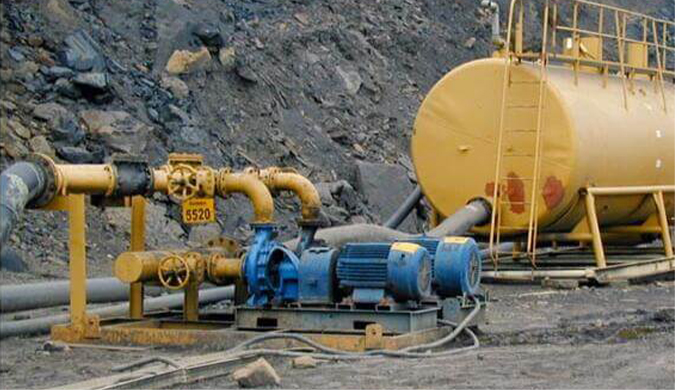
Vertical submersible sewage pumps represent a critical component in wastewater treatment and conveyance systems. These pumps are engineered for continuous operation while fully submerged in sewage, handling solids and abrasive materials not manageable by conventional centrifugal pumps. Their application spans municipal wastewater treatment plants, industrial effluent handling, and flood control. Technically positioned as positive displacement or centrifugal devices with specialized impeller designs, they bridge the gap between raw sewage collection and further processing stages. Core performance characteristics center on hydraulic efficiency, solids handling capability, motor protection, and long-term reliability in corrosive environments. A primary industry pain point is the balance between pump longevity and initial cost, often leading to premature failures due to material selection and insufficient corrosion resistance.
Material Science & Manufacturing
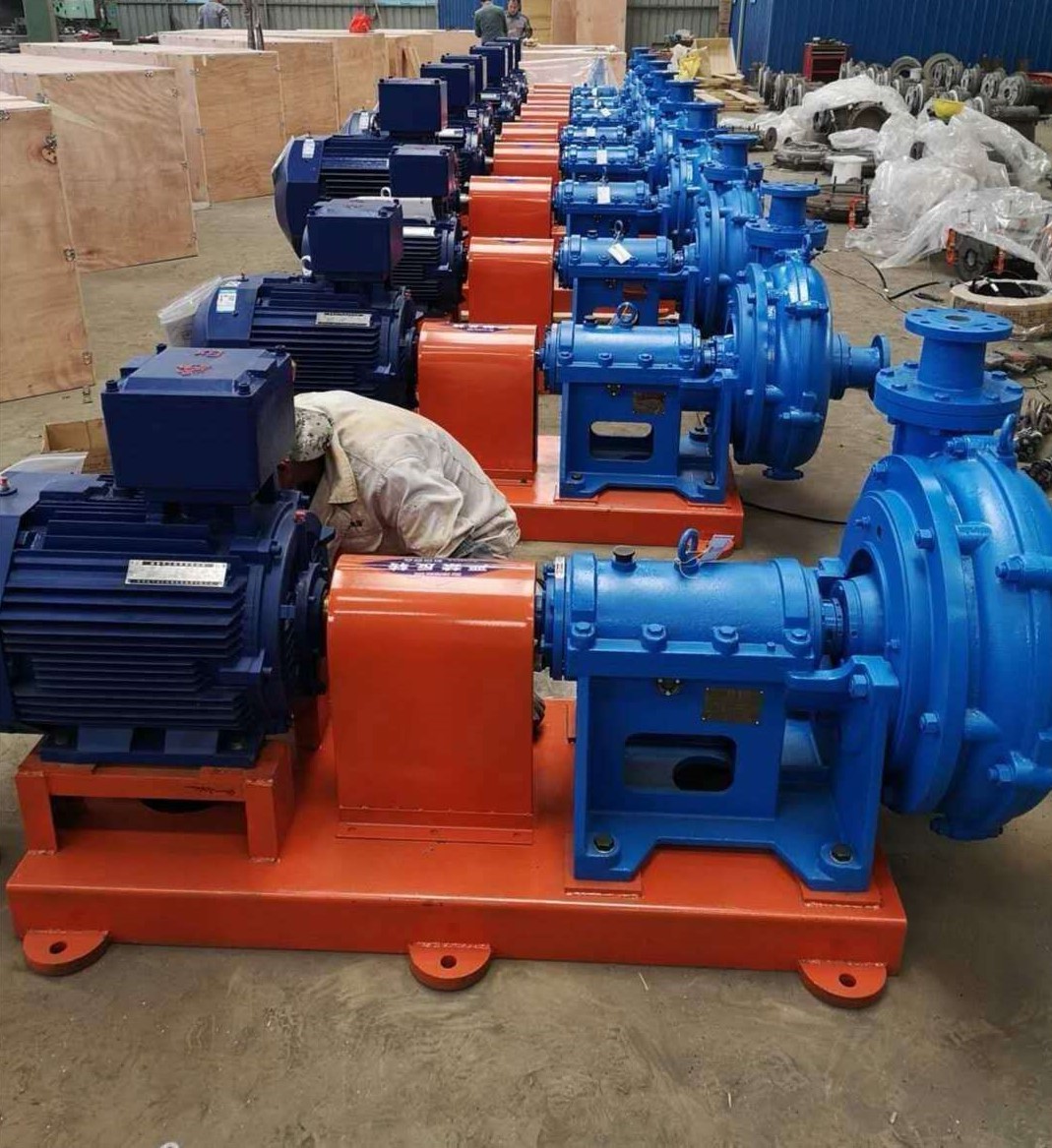
The construction of vertical submersible sewage pumps necessitates careful material selection to withstand the aggressive nature of sewage. Pump casings are commonly fabricated from cast iron (ASTM A48 Class 30 or higher) due to its cost-effectiveness and reasonable corrosion resistance, often supplemented with epoxy or polyurethane coatings for enhanced protection. Impellers are typically constructed from high-chrome cast iron (typically exceeding 15% chromium content) or stainless steel (304 or 316) to resist abrasion from solids. Shafts utilize stainless steel (410 or 420) for corrosion resistance and mechanical strength. Motor housings require robust sealing and are typically constructed of cast iron or stainless steel. Critical elastomers, such as seals and O-rings, are manufactured from materials like nitrile rubber (NBR), Viton (FKM), or ethylene propylene diene monomer (EPDM) based on chemical compatibility with the sewage composition. Manufacturing processes involve sand casting for pump casings and impellers, followed by machining for precise tolerances. Welding processes, particularly submerged arc welding (SAW) for large components, are heavily employed. Motor winding insulation requires specialized epoxy resins to prevent degradation in humid environments. Key parameter control during manufacturing includes dimensional accuracy of impellers to maximize hydraulic efficiency, surface finish to minimize friction losses, and weld quality to prevent structural failures. The epoxy coating application process requires precise thickness control and curing schedules to guarantee effective corrosion protection.
Performance & Engineering
Performance analysis of vertical submersible sewage pumps focuses on hydraulic efficiency, head-capacity curves, and solids handling capability. Force analysis involves evaluating radial and axial loads on the impeller and shaft, considering the dynamic forces generated by fluid flow and solid particle impacts. Environmental resistance is paramount, requiring pumps to operate reliably in varying temperatures, pH levels, and chemical compositions. Pump selection must align with the specific sewage characteristics, including solids content, particle size distribution, and presence of corrosive chemicals (hydrogen sulfide, chlorides, sulfates). Compliance requirements include adherence to electrical safety standards (IEC 60034-1), hydraulic performance standards (ISO 9906), and environmental regulations concerning noise emissions and energy efficiency. Functional implementation necessitates careful consideration of pump installation parameters, including submergence depth, suction pipe configuration, and discharge pipe routing. Proper cable management and sealing are critical to prevent water ingress into the motor. Motor cooling relies on the surrounding sewage for heat dissipation; therefore, maintaining adequate flow is essential to prevent overheating. Variable Frequency Drives (VFDs) are increasingly utilized to optimize pump performance based on fluctuating flow demands and reduce energy consumption. The impeller design plays a crucial role in minimizing clogging and maximizing solids handling capabilities; non-clog impellers are often employed for challenging applications.
Technical Specifications
| Pump Model | Maximum Head (m) | Maximum Flow Rate (m³/h) | Motor Power (kW) |
|---|---|---|---|
| VS-150 | 25 | 100 | 7.5 |
| VS-200 | 35 | 150 | 11 |
| VS-250 | 45 | 200 | 15 |
| VS-300 | 55 | 250 | 18.5 |
| VS-350 | 65 | 300 | 22 |
| VS-400 | 75 | 350 | 25 |
Failure Mode & Maintenance
Common failure modes in vertical submersible sewage pumps include impeller wear due to abrasion, bearing failure caused by lack of lubrication or contamination, motor winding failure due to insulation breakdown, seal failure leading to water ingress, and cable damage resulting in electrical shorts. Fatigue cracking can occur in the pump casing or impeller due to cyclic loading. Delamination of epoxy coatings can accelerate corrosion. Degradation of elastomers leads to leakage and reduced pump efficiency. Oxidation of stainless steel components can reduce corrosion resistance. Preventative maintenance is crucial and should include regular inspection of seals, bearings, and cables. Lubrication of bearings with appropriate grease is essential. Monitoring of motor winding insulation resistance can detect early signs of deterioration. Periodic cleaning of the impeller and pump casing removes accumulated debris. Regular inspection for corrosion and timely application of protective coatings are vital. In the event of a pump failure, thorough root cause analysis is necessary to identify the underlying problem and prevent recurrence. Replacement of worn components with materials of equivalent or superior quality is critical for long-term reliability. Adherence to manufacturer's recommended maintenance schedules is paramount.
Industry FAQ
Q: What is the optimal impeller material for handling highly abrasive sewage?
A: For highly abrasive sewage, high-chrome cast iron (18-28% chromium) is generally the optimal impeller material. The chromium content significantly increases the material's hardness and wear resistance. While stainless steel offers excellent corrosion resistance, it typically has lower abrasion resistance than high-chrome cast iron in abrasive slurry applications. Consider also ceramic coatings for further enhancement.
Q: How do you mitigate the risk of motor overheating in a submersible pump?
A: Motor overheating is mitigated by ensuring adequate sewage flow around the motor housing for cooling. Proper pump submergence depth and avoiding operation in stagnant or low-flow conditions are crucial. Regularly inspect the pump intake for blockages. Monitoring motor winding temperatures can provide early warnings of overheating. Utilizing a VFD to reduce pump speed during low-demand periods also lowers motor heat generation.
Q: What are the key considerations when selecting a pump seal material?
A: The key consideration is chemical compatibility with the sewage composition. Nitrile rubber (NBR) is suitable for general sewage applications. However, if the sewage contains significant levels of oil, grease, or aggressive chemicals (e.g., hydrogen sulfide), Viton (FKM) or ethylene propylene diene monomer (EPDM) may be necessary. Consider the temperature range; higher temperatures necessitate materials with greater thermal stability.
Q: What preventative measures can be taken to extend the lifespan of the pump's power cable?
A: Protect the power cable from abrasion and physical damage during installation and operation. Ensure proper cable support and strain relief. Avoid sharp bends or kinks in the cable. Regularly inspect the cable for signs of wear or deterioration. Utilize a cable gland with an appropriate sealing mechanism to prevent water ingress. Consider a cable protection sleeve for added durability.
Q: How does the pump's specific gravity impact performance and motor selection?
A: Higher specific gravity sewage requires a more powerful motor to overcome the increased hydrostatic head. The pump's head-capacity curve will be affected, resulting in reduced flow rate at a given head. The motor must be sized to handle the increased torque and power requirements. Accurate measurement of the sewage's specific gravity is essential for proper pump selection.
Conclusion
Vertical submersible sewage pumps are vital components in modern wastewater management, demanding meticulous attention to material science, manufacturing precision, and operational considerations. Optimizing pump performance and longevity hinges on selecting appropriate materials to withstand corrosive environments and abrasive solids, coupled with robust manufacturing processes to ensure structural integrity. Proactive maintenance practices, including regular inspection, lubrication, and timely component replacement, are paramount to minimizing downtime and maximizing return on investment.
Future advancements in this field will likely focus on developing more corrosion-resistant materials, improving impeller designs to enhance solids handling capabilities, and integrating smart sensors for predictive maintenance. Furthermore, optimizing pump efficiency through advanced hydraulic modeling and the adoption of variable frequency drives will become increasingly important in reducing energy consumption and environmental impact. Continuous monitoring of operational data and implementation of data-driven maintenance strategies will be crucial for ensuring the reliable and sustainable operation of these critical systems.
-
Precision at the Pump: How Better Machining Protects Flow and Uptime
News2026-11-20
-
Why Pump Reliability Begins Before the First Drop of Fluid
News2026-11-20
-
Beyond the Pump: Designing Safer Access Around Critical Water Infrastructure
News2026-11-20
-
Why Pumping Stations Depend on the Infrastructure Beneath the Pumps
News2026-11-20
-
Beyond the Pump Room: How Smarter Loading Protects Industrial Equipment
News2026-11-19
-
When Pumps Stop: Designing More Resilient Power for Critical Pumping Systems
News2026-11-19
-
The Hidden Role of Dust and Gas Monitoring in Reliable Pump Operations
News2026-11-19
-
The Hidden Role of Mineral Compounds in Extending Industrial Pump Lifespan
News2026-10-12
-
Why Pump System Reliability Depends on Precision Hose Assembly Methods
News2026-09-15
-
How Advanced Imaging Films Are Transforming Pump Component Quality Control
News2026-08-25
-
How Advanced Filtration Protects Pump Systems from Premature Wear and Costly Downtime
News2026-08-25
-
How Steel Material Selection Drives Pump Reliability in Heavy-Duty Systems
News2026-08-25
-
Ensuring Pump System Efficiency: The Role of High-Quality Pipe Fittings and Tubing
News2026-08-24
-
Optimizing Fluid Dynamics and Material Consistency in Industrial Processing
News2026-08-18
-
Innovations and Challenges in Hydraulic Systems for Heavy Machinery
News2026-08-13




