English
- Afrikaans
- Albanian
- Amharic
- Arabic
- Armenian
- Azerbaijani
- Basque
- Belarusian
- Bengali
- Bosnian
- Bulgarian
- Catalan
- Cebuano
- Corsican
- Croatian
- Czech
- Danish
- Dutch
- English
- Esperanto
- Estonian
- Finnish
- French
- Frisian
- Galician
- Georgian
- German
- Greek
- Gujarati
- Haitian Creole
- hausa
- hawaiian
- Hebrew
- Hindi
- Miao
- Hungarian
- Icelandic
- igbo
- Indonesian
- irish
- Italian
- Japanese
- Javanese
- Kannada
- kazakh
- Khmer
- Rwandese
- Korean
- Kurdish
- Kyrgyz
- Lao
- Latin
- Latvian
- Lithuanian
- Luxembourgish
- Macedonian
- Malgashi
- Malay
- Malayalam
- Maltese
- Maori
- Marathi
- Mongolian
- Myanmar
- Nepali
- Norwegian
- Norwegian
- Occitan
- Pashto
- Persian
- Polish
- Portuguese
- Punjabi
- Romanian
- Russian
- Samoan
- Scottish Gaelic
- Serbian
- Sesotho
- Shona
- Sindhi
- Sinhala
- Slovak
- Slovenian
- Somali
- Spanish
- Sundanese
- Swahili
- Swedish
- Tagalog
- Tajik
- Tamil
- Tatar
- Telugu
- Thai
- Turkish
- Turkmen
- Ukrainian
- Urdu
- Uighur
- Uzbek
- Vietnamese
- Welsh
- Bantu
- Yiddish
- Yoruba
- Zulu

Telephone: +86 13120555503
Email: frank@cypump.com


Apr . 01, 2024 17:55 Back to list
vertical split case pump Performance Analysis
Introduction
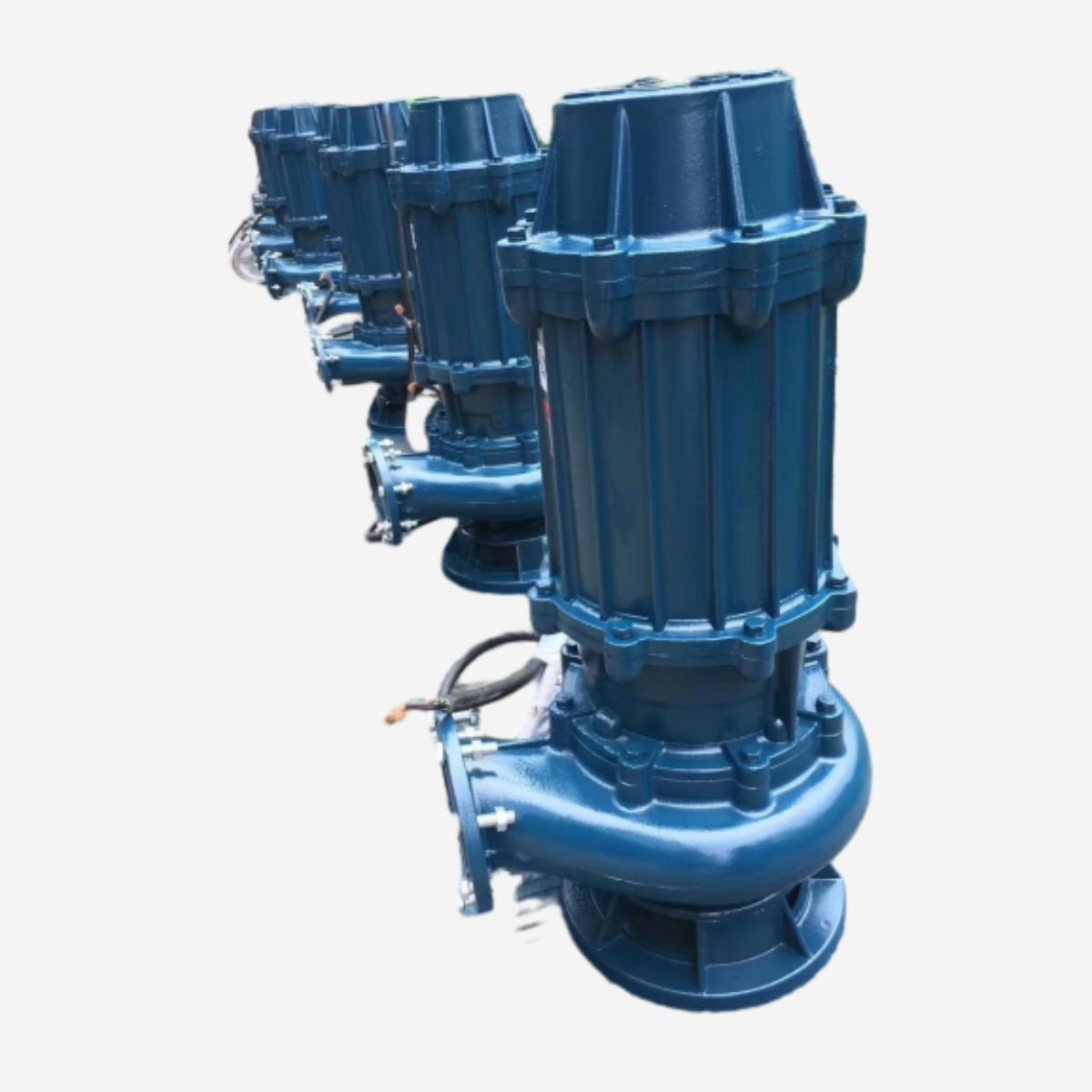
Vertical split case pumps are a class of centrifugal pumps designed for high-flow, low-to-medium head applications. Positioned within the industrial fluid handling chain, they serve as critical components in water supply, irrigation, fire protection systems, and industrial process applications, often replacing horizontal split case pumps in installations where space is limited or maintenance accessibility is paramount. These pumps distinguish themselves through their horizontally split casing, allowing for internal component access without disrupting pipework, minimizing downtime and associated costs. Core performance characteristics include high efficiency, stable operation across a range of flow rates, and reliable performance under varying system conditions. The primary advantage lies in ease of maintenance, reduced footprint, and the ability to inspect and repair internal components without removing suction or discharge piping. Understanding their construction, material science, and operational parameters is vital for engineers and procurement managers aiming for optimized system performance and lifecycle cost management.
Material Science & Manufacturing
The construction of vertical split case pumps relies heavily on specific material properties to withstand corrosive fluids, high pressures, and continuous operation. Casing materials commonly include cast iron (ASTM A48 Class 30), ductile iron (ASTM A536 65-45-12), and stainless steel (304, 316 – ASTM A743). Cast iron is favored for its cost-effectiveness and good vibration damping characteristics, but is susceptible to corrosion in aggressive environments. Ductile iron provides improved tensile strength and impact resistance compared to cast iron. Stainless steel offers superior corrosion resistance, crucial for handling seawater, chemicals, and other corrosive fluids, but comes at a higher cost. Impellers are frequently manufactured from bronze (ASTM B584) or stainless steel, selected for their resistance to erosion and cavitation. Shafts are typically made from high-strength alloy steel (e.g., 4140 – ASTM A276) and undergo heat treatment and machining to achieve high tensile strength and fatigue resistance. Seals utilize materials like Viton, EPDM, or PTFE, chosen for their chemical compatibility and sealing properties.
The manufacturing process begins with pattern making for the casing, followed by sand casting. Rigorous quality control checks, including radiographic inspection and dimensional verification, are performed on the castings. Impellers are typically manufactured via investment casting or machining from solid bar stock, ensuring precise blade geometry for optimal hydraulic performance. The shaft is machined to tight tolerances and balanced dynamically to minimize vibration. The casing halves are meticulously machined to provide a precise mating surface, critical for maintaining a leak-proof seal. Critical parameter control during manufacturing includes ensuring proper impeller blade angles, casing wall thickness, and shaft alignment. Welding processes, if employed (e.g., for certain pump configurations), require adherence to AWS D1.1 standards to ensure structural integrity. Non-destructive testing (NDT) methods such as ultrasonic testing and liquid penetrant inspection are used to detect any defects in the welded joints.
Performance & Engineering
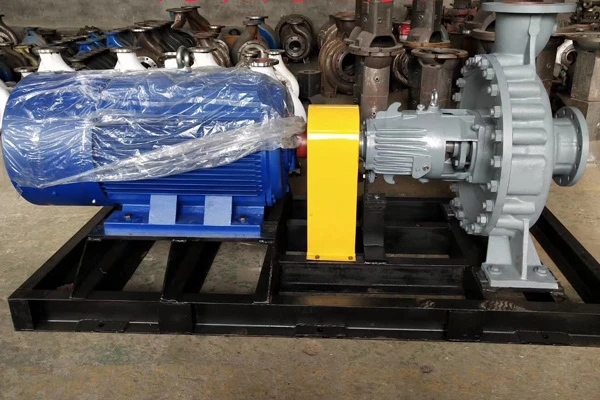
Performance analysis of vertical split case pumps centers around hydraulic design principles and fluid mechanics. The pump’s head-capacity curve is determined through rigorous testing in accordance with Hydraulic Institute (HI) standards. Key engineering considerations include Net Positive Suction Head Required (NPSHr), which must be less than the Net Positive Suction Head Available (NPSHa) to prevent cavitation. Cavitation, the formation and collapse of vapor bubbles within the pump, can cause significant erosion damage to the impeller and casing. Pump efficiency is a critical parameter, influenced by impeller design, casing volute geometry, and internal clearances. Force analysis considers hydraulic thrust, radial loads, and bearing loads. Hydraulic thrust is a force acting parallel to the shaft axis, resulting from pressure imbalances across the impeller. Radial loads are forces acting perpendicular to the shaft axis, arising from fluid forces on the impeller. Bearings must be selected to withstand these loads and ensure smooth pump operation. Environmental resistance is addressed through material selection and protective coatings. Pumps operating in corrosive environments require specialized coatings or materials to prevent degradation. Compliance requirements vary depending on the application. For example, pumps used in potable water systems must comply with NSF/ANSI 61 standards, ensuring they do not leach harmful contaminants into the water. Pumps used in hazardous locations must comply with ATEX or IECEx standards.
Technical Specifications
| Flow Rate (GPM) | Head (ft) | Power (HP) | Maximum Operating Pressure (PSI) |
|---|---|---|---|
| 500-5000 | 50-200 | 10-100 | 175 |
| 1000-8000 | 100-300 | 25-200 | 250 |
| 2000-12000 | 150-400 | 50-300 | 300 |
| 3000-15000 | 200-500 | 75-400 | 350 |
| 5000-20000 | 250-600 | 100-500 | 400 |
| 8000-30000 | 300-700 | 150-600 | 450 |
Failure Mode & Maintenance
Vertical split case pumps are susceptible to several failure modes. Fatigue cracking in the casing or impeller can occur due to cyclic loading and stress concentrations. This is often exacerbated by improper installation or operation. Corrosion, particularly in pumps handling corrosive fluids, leads to material degradation and eventual failure. Cavitation, as previously discussed, causes erosion damage to the impeller and casing. Mechanical seal failure results in leakage and reduced pump efficiency. Bearing failure, often due to inadequate lubrication or excessive loading, leads to increased vibration and potential pump seizure. Shaft misalignment contributes to bearing wear and seal failure.
Preventive maintenance is critical for extending pump life and minimizing downtime. Regular inspection of seals, bearings, and couplings is essential. Lubrication schedules must be strictly adhered to, using the recommended lubricant type and quantity. Vibration analysis can detect early signs of bearing wear or shaft misalignment. Periodic performance testing can identify changes in pump efficiency, indicating potential problems. In the event of a failure, thorough root cause analysis is essential to prevent recurrence. This may involve metallurgical analysis of failed components, examination of operating data, and review of maintenance records. Proper repair procedures, including welding certifications and NDT verification, must be followed. Routine flushing of the pump and piping system can remove debris and prevent clogging.
Industry FAQ
Q: What is the primary advantage of a vertical split case pump over a horizontal split case pump in terms of maintenance?
A: The primary advantage is the ability to access internal components – impeller, wear rings, seals – without disturbing the pipework. This significantly reduces downtime and labor costs associated with pump maintenance and repair, as suction and discharge piping remains intact during servicing.
Q: What material selection considerations are most important when handling seawater?
A: Seawater is highly corrosive due to its chloride content. Stainless steel (316 is recommended over 304) is essential for the casing, impeller, and shaft. Gaskets and seals must be constructed from materials compatible with seawater, such as Viton or EPDM. Consideration should be given to sacrificial anodes to mitigate galvanic corrosion.
Q: How can I prevent cavitation in a vertical split case pump?
A: Ensure the Net Positive Suction Head Available (NPSHa) is significantly greater than the Net Positive Suction Head Required (NPSHr). Minimize suction lift and piping losses. Ensure proper impeller trim and operating speed. Monitor pump performance for signs of cavitation (noise, vibration, reduced efficiency).
Q: What are the typical applications where a vertical split case pump is preferred?
A: Vertical split case pumps are preferred in applications with limited space, such as high-rise buildings, industrial plants with space constraints, and applications requiring frequent maintenance without system shutdown. Common applications include water supply, fire protection, HVAC systems, and industrial process fluid transfer.
Q: What standards are crucial for ensuring the reliability and safety of a vertical split case pump used in a potable water system?
A: NSF/ANSI 61 certification is paramount to ensure the pump components do not leach harmful contaminants into the water. Hydraulic Institute (HI) standards for pump testing and performance are also critical. Depending on local regulations, compliance with AWWA standards may also be required.
Conclusion
Vertical split case pumps represent a robust and reliable solution for high-flow fluid handling applications. Their design prioritizes maintainability and reduced downtime, making them a preferred choice in diverse industrial settings. The selection of appropriate materials, coupled with adherence to stringent manufacturing and testing standards, is paramount to ensuring long-term performance and minimizing life-cycle costs. Understanding the underlying engineering principles – hydraulic performance, NPSH requirements, and force analysis – is crucial for effective pump system design and operation.
Future developments in vertical split case pump technology will likely focus on improved efficiency through advanced impeller designs and optimized hydraulic pathways. Integration of smart monitoring systems, utilizing sensors and data analytics, will enable predictive maintenance and optimize pump performance in real-time. Furthermore, the adoption of sustainable materials and manufacturing processes will become increasingly important, aligning with evolving environmental regulations and industry best practices. The continued refinement of these pumps will solidify their position as a vital component in critical infrastructure and industrial processes.
-
basement bathroom sewage pump Material Science Manufacturing
News2026-05-21
-
wastewater treatment plant pumps Material Science Manufacturing
News2026-05-21
-
waste water pump for basement Material Science Manufacturing
News2026-05-21
-
sump pump sewage Performance Analysis
News2026-05-21
-
sump pump for sewage Material Science and Manufacturing
News2026-05-21
-
sump pump for septic systems Material Science Manufacturing
News2026-05-20
-
sump pump and ejector pump Material Science Manufacturing
News2026-05-20
-
sewage treatment plant pumps Performance Analysis
News2026-05-20
-
sewage tank pump Material Science and Manufacturing
News2026-05-20
-
sewage pump for septic tank Performance Analysis
News2026-05-20
-
Sewage Pump and Tank Performance Analysis
News2026-05-19
-
Sewage Ejector Pump Replacement Performance Analysis
News2026-05-19
-
sewage ejector pump for basement bathroom Material Science Manufacturing
News2026-05-19
-
sewage ejection pump Material Science and Manufacturing
News2026-05-19
-
in line sewage pump Performance Analysis
News2026-05-19




