English
- Afrikaans
- Albanian
- Amharic
- Arabic
- Armenian
- Azerbaijani
- Basque
- Belarusian
- Bengali
- Bosnian
- Bulgarian
- Catalan
- Cebuano
- Corsican
- Croatian
- Czech
- Danish
- Dutch
- English
- Esperanto
- Estonian
- Finnish
- French
- Frisian
- Galician
- Georgian
- German
- Greek
- Gujarati
- Haitian Creole
- hausa
- hawaiian
- Hebrew
- Hindi
- Miao
- Hungarian
- Icelandic
- igbo
- Indonesian
- irish
- Italian
- Japanese
- Javanese
- Kannada
- kazakh
- Khmer
- Rwandese
- Korean
- Kurdish
- Kyrgyz
- Lao
- Latin
- Latvian
- Lithuanian
- Luxembourgish
- Macedonian
- Malgashi
- Malay
- Malayalam
- Maltese
- Maori
- Marathi
- Mongolian
- Myanmar
- Nepali
- Norwegian
- Norwegian
- Occitan
- Pashto
- Persian
- Polish
- Portuguese
- Punjabi
- Romanian
- Russian
- Samoan
- Scottish Gaelic
- Serbian
- Sesotho
- Shona
- Sindhi
- Sinhala
- Slovak
- Slovenian
- Somali
- Spanish
- Sundanese
- Swahili
- Swedish
- Tagalog
- Tajik
- Tamil
- Tatar
- Telugu
- Thai
- Turkish
- Turkmen
- Ukrainian
- Urdu
- Uighur
- Uzbek
- Vietnamese
- Welsh
- Bantu
- Yiddish
- Yoruba
- Zulu

Telephone: +86 13120555503
Email: frank@cypump.com


Apr . 01, 2024 17:55 Back to list
vertical slurry pump manufacturer finding the right factory Material Science
Introduction
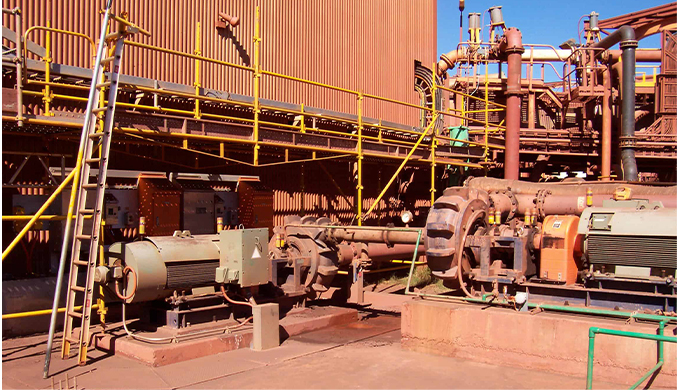
Vertical slurry pumps are critical components in numerous industrial processes, including mining, wastewater treatment, chemical processing, and dredging. These pumps are designed to efficiently transport abrasive, corrosive, and high-solids-content fluids, offering a space-saving footprint compared to horizontal designs. The selection of a qualified manufacturer is paramount, as pump performance directly impacts operational efficiency, maintenance costs, and system reliability. This guide provides a comprehensive overview of the key considerations when sourcing a vertical slurry pump manufacturer, encompassing material science, manufacturing processes, performance criteria, failure modes, and relevant industry standards. The current global supply chain environment presents challenges in ensuring consistent quality and adherence to specifications; therefore, a rigorous evaluation process is essential. The core pain points for procurement teams center around verifying manufacturer capabilities, ensuring long-term component availability, and mitigating the risks associated with substandard materials and construction techniques. This document aims to equip engineers and procurement professionals with the knowledge required to make informed decisions and secure a dependable supply of high-performance vertical slurry pumps.
Material Science & Manufacturing
The performance and longevity of a vertical slurry pump are intrinsically linked to the materials used in its construction and the precision of the manufacturing processes. Pump casings are commonly constructed from high-chrome cast iron (typically 26-28% chromium content) for exceptional abrasion resistance, especially when handling highly abrasive slurries. Alternatives include duplex stainless steels (e.g., 2205, 2507) for enhanced corrosion resistance in aggressive chemical environments, and even specialized alloys like Hastelloy for extreme applications. Impellers, the workhorse of the pump, demand equally robust materials. High-chrome iron is again prevalent, but polyurethane elastomers are increasingly utilized for their superior resilience to wear when dealing with slurries containing large, irregularly shaped solids. Shafts typically employ alloy steels (e.g., 4140, 4340) that are heat-treated to achieve high tensile strength and torsional rigidity. Manufacturing processes are equally critical. Casing production often involves sand casting followed by meticulous heat treatment and quality control checks for porosity and structural integrity. Impeller fabrication can utilize investment casting for complex geometries and dimensional accuracy. Shaft manufacturing demands precise machining and balancing to minimize vibration and bearing wear. Welding, when employed (e.g., for repairing castings or assembling components), must adhere to stringent standards (AWS D1.1 or equivalent) using appropriate filler metals to maintain corrosion resistance and mechanical properties. Key parameter control includes maintaining consistent chemical composition of alloys, precise heat treatment cycles, and dimensional tolerances verified using coordinate measuring machines (CMMs). Proper surface finishing, such as shot blasting, improves surface hardness and fatigue resistance.
Performance & Engineering
The engineering design of a vertical slurry pump focuses on maximizing hydraulic efficiency while minimizing wear and power consumption. Key performance parameters include head (the height to which the pump can lift the slurry), flow rate (the volume of slurry delivered per unit time), and pump efficiency (the ratio of hydraulic power output to shaft power input). Force analysis is crucial, particularly in the impeller and shaft assembly, to prevent fatigue failure due to cyclical loading. Computational Fluid Dynamics (CFD) modeling is routinely employed to optimize impeller geometry and casing design for uniform flow distribution and reduced turbulence. Environmental resistance is another critical consideration. Pump materials must be selected to withstand the corrosive effects of the slurry, as well as the operating temperature and pressure. Proper sealing arrangements (e.g., mechanical seals, packing glands) are essential to prevent leakage and maintain pump performance. Compliance requirements vary by region and industry. For example, pumps used in potable water applications must comply with NSF/ANSI 61 standards. Pumps operating in hazardous environments may require ATEX certification. Functional implementation necessitates careful consideration of the suction and discharge piping layout to minimize head loss and prevent cavitation (the formation of vapor bubbles that can damage the impeller). The Net Positive Suction Head Required (NPSHr) must be carefully matched to the Net Positive Suction Head Available (NPSHa) to avoid cavitation. Vertical pump design inherently simplifies suction lift compared to horizontal pumps, but proper submergence and inlet velocity control are still vital.
Technical Specifications
| Parameter | Unit | Typical Range (Small Pump) | Typical Range (Large Pump) |
|---|---|---|---|
| Flow Rate | m³/hr | 5 – 50 | 100 – 800 |
| Head | m | 10 – 30 | 50 – 150 |
| Power | kW | 1.5 – 7.5 | 30 – 200 |
| Solids Handling Capacity | mm | Up to 25 | Up to 100 |
| Operating Temperature | °C | -20 to +80 | -30 to +120 |
| Casing Material | - | High-Chrome Iron | Duplex Stainless Steel |
Failure Mode & Maintenance
Vertical slurry pumps are susceptible to several failure modes. Abrasion is a primary concern, leading to impeller wear and casing erosion, particularly when handling hard, angular particles. Corrosion can attack pump components, especially in acidic or alkaline slurries, resulting in pitting and material degradation. Fatigue cracking can occur in the shaft or impeller due to cyclical loading. Cavitation, as previously mentioned, can cause significant damage to the impeller. Seal failures are common, leading to leakage and reduced pump efficiency. Bearing failures can result from improper lubrication, contamination, or excessive loading. Proper maintenance is crucial to mitigate these risks. Regular inspections should be conducted to identify signs of wear, corrosion, or damage. Impellers should be routinely inspected and replaced when wear exceeds acceptable limits. Mechanical seals should be replaced periodically according to the manufacturer's recommendations. Lubrication systems must be maintained to ensure adequate bearing lubrication. Pump alignment should be checked regularly to minimize vibration and bearing wear. Filtration systems should be employed to remove large solids that could cause blockage or damage. Preventive maintenance schedules should be developed based on operating conditions and pump usage. Failure analysis, employing techniques such as metallography and fracture mechanics, can help identify the root cause of failures and prevent recurrence.
Industry FAQ
Q: What level of quality control should I expect from a reputable vertical slurry pump manufacturer?
A: A reputable manufacturer should implement a comprehensive quality management system, ideally certified to ISO 9001. This should include rigorous material testing (chemical analysis, mechanical property testing), non-destructive examination (NDE) of castings and welds (e.g., radiography, ultrasonic testing), dimensional inspection using CMMs, hydrostatic testing of pump casings, and performance testing to verify adherence to specified hydraulic characteristics. Documentation, including material certificates and test reports, should be readily available.
Q: How important is the manufacturer's experience with the specific slurry I will be pumping?
A: Extremely important. Slurry composition significantly impacts pump wear and performance. A manufacturer with experience handling similar slurries will be able to recommend appropriate materials and designs to maximize pump life. Ask for case studies or references from customers handling comparable applications.
Q: What are the typical lead times for vertical slurry pumps, and how can I mitigate potential delays?
A: Lead times vary depending on pump size, complexity, and material availability, ranging from 8 to 24 weeks or longer. To mitigate delays, provide a detailed pump specification upfront, including flow rate, head, slurry characteristics, and any special requirements. Consider placing a firm order well in advance of your required delivery date and maintaining open communication with the manufacturer.
Q: What after-sales support and spare parts availability should I expect?
A: A good manufacturer should offer comprehensive after-sales support, including technical assistance, field service, and training. They should also maintain a readily available inventory of spare parts (impellers, seals, bearings, etc.) to minimize downtime. Inquire about the manufacturer’s warranty policy and their responsiveness to service requests.
Q: What certifications and standards should a manufacturer possess?
A: Beyond ISO 9001, look for certifications relevant to your industry (e.g., NSF/ANSI 61 for potable water, ATEX for hazardous environments). Compliance with international standards such as Hydraulic Institute standards (ANSI/HI) demonstrates a commitment to quality and performance. Verification of adherence to welding standards (AWS D1.1) is also essential.
Conclusion
Selecting the right vertical slurry pump manufacturer requires a multifaceted approach, extending beyond price considerations. A thorough evaluation of material science expertise, manufacturing capabilities, engineering design principles, and after-sales support is paramount. Failure to prioritize these aspects can lead to premature pump failure, increased maintenance costs, and disruptions to critical industrial processes. Understanding the potential failure modes and implementing a proactive maintenance program are equally crucial for maximizing pump life and overall system reliability.
The evolving landscape of industrial technology demands a collaborative relationship between pump users and manufacturers. Open communication, detailed specification development, and a commitment to continuous improvement are essential for ensuring long-term success. By adopting a rigorous selection process and prioritizing quality and performance, organizations can secure a dependable supply of vertical slurry pumps that deliver optimal efficiency and minimize total cost of ownership.
-
Precision at the Pump: How Better Machining Protects Flow and Uptime
News2026-11-20
-
Why Pump Reliability Begins Before the First Drop of Fluid
News2026-11-20
-
Beyond the Pump: Designing Safer Access Around Critical Water Infrastructure
News2026-11-20
-
Why Pumping Stations Depend on the Infrastructure Beneath the Pumps
News2026-11-20
-
Beyond the Pump Room: How Smarter Loading Protects Industrial Equipment
News2026-11-19
-
When Pumps Stop: Designing More Resilient Power for Critical Pumping Systems
News2026-11-19
-
The Hidden Role of Dust and Gas Monitoring in Reliable Pump Operations
News2026-11-19
-
The Hidden Role of Mineral Compounds in Extending Industrial Pump Lifespan
News2026-10-12
-
Why Pump System Reliability Depends on Precision Hose Assembly Methods
News2026-09-15
-
How Advanced Imaging Films Are Transforming Pump Component Quality Control
News2026-08-25
-
How Advanced Filtration Protects Pump Systems from Premature Wear and Costly Downtime
News2026-08-25
-
How Steel Material Selection Drives Pump Reliability in Heavy-Duty Systems
News2026-08-25
-
Ensuring Pump System Efficiency: The Role of High-Quality Pipe Fittings and Tubing
News2026-08-24
-
Optimizing Fluid Dynamics and Material Consistency in Industrial Processing
News2026-08-18
-
Innovations and Challenges in Hydraulic Systems for Heavy Machinery
News2026-08-13




