English
- Afrikaans
- Albanian
- Amharic
- Arabic
- Armenian
- Azerbaijani
- Basque
- Belarusian
- Bengali
- Bosnian
- Bulgarian
- Catalan
- Cebuano
- Corsican
- Croatian
- Czech
- Danish
- Dutch
- English
- Esperanto
- Estonian
- Finnish
- French
- Frisian
- Galician
- Georgian
- German
- Greek
- Gujarati
- Haitian Creole
- hausa
- hawaiian
- Hebrew
- Hindi
- Miao
- Hungarian
- Icelandic
- igbo
- Indonesian
- irish
- Italian
- Japanese
- Javanese
- Kannada
- kazakh
- Khmer
- Rwandese
- Korean
- Kurdish
- Kyrgyz
- Lao
- Latin
- Latvian
- Lithuanian
- Luxembourgish
- Macedonian
- Malgashi
- Malay
- Malayalam
- Maltese
- Maori
- Marathi
- Mongolian
- Myanmar
- Nepali
- Norwegian
- Norwegian
- Occitan
- Pashto
- Persian
- Polish
- Portuguese
- Punjabi
- Romanian
- Russian
- Samoan
- Scottish Gaelic
- Serbian
- Sesotho
- Shona
- Sindhi
- Sinhala
- Slovak
- Slovenian
- Somali
- Spanish
- Sundanese
- Swahili
- Swedish
- Tagalog
- Tajik
- Tamil
- Tatar
- Telugu
- Thai
- Turkish
- Turkmen
- Ukrainian
- Urdu
- Uighur
- Uzbek
- Vietnamese
- Welsh
- Bantu
- Yiddish
- Yoruba
- Zulu

Telephone: +86 13120555503
Email: frank@cypump.com


Apr . 01, 2024 17:55 Back to list
vertical mixed flow pump manufacturers Performance Analysis
Introduction
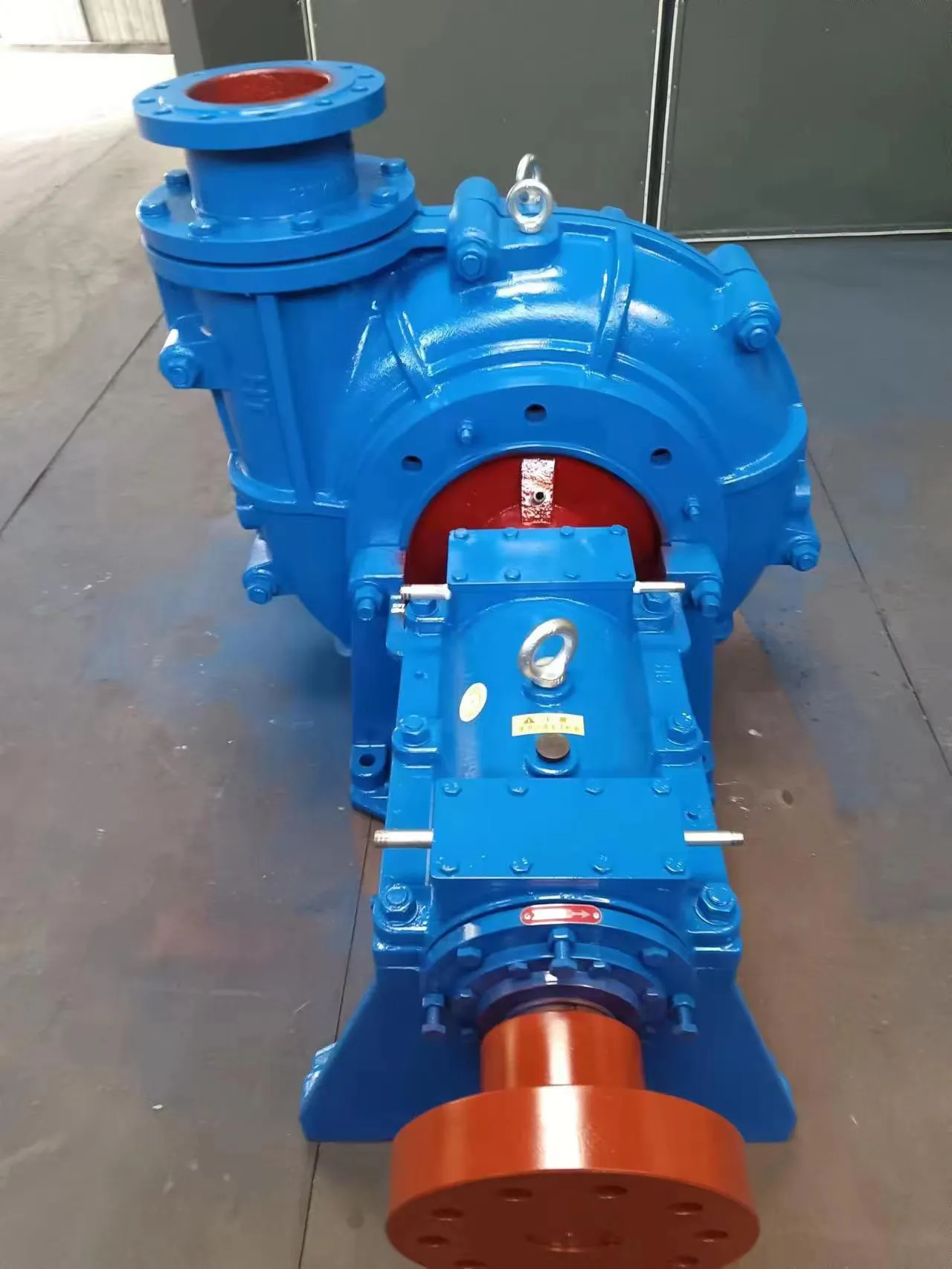
Vertical mixed flow pumps represent a critical component in numerous industrial water management systems, bridging the performance characteristics of centrifugal and axial flow pumps. These pumps are designed for handling moderate flows at relatively low to medium heads, making them ideally suited for applications such as irrigation, drainage, municipal water supply, wastewater treatment, and industrial process water circulation. Their vertical configuration minimizes footprint requirements and simplifies maintenance access, particularly in installations where space is limited or submerged pump operation is necessary. Core performance is defined by efficient energy transfer, cavitation resistance, and reliable operation within specified hydraulic parameters. A key pain point within the industry is balancing impeller design for optimal efficiency across a range of flow rates and minimizing noise generation, which impacts operational environments and regulatory compliance. Furthermore, selecting appropriate materials to withstand corrosive fluids and abrasive solids is paramount for extending service life and reducing lifecycle costs.
Material Science & Manufacturing
The construction of vertical mixed flow pumps necessitates a careful selection of materials to ensure durability and compatibility with the intended fluid medium. Impellers and diffusers are commonly manufactured from ductile iron (ASTM A536-83), stainless steel (304, 316 – ASTM A240), or bronze (ASTM B148) depending on the fluid’s corrosivity and abrasiveness. Pump casings are often constructed from cast iron (ASTM A48 Class 30) or steel, while shaft materials typically utilize alloy steels (4140 – ASTM A297) for high tensile strength and resistance to torsional stress. Manufacturing processes begin with precision casting of impeller and casing components, followed by machining to ensure accurate hydraulic profiles. Welding procedures (AWS D1.1) are critical for joining components, demanding qualified welders and thorough non-destructive testing (NDT) – including radiographic inspection and ultrasonic testing – to detect flaws. Impeller balancing (ISO 1940-1) is performed to minimize vibration and prolong bearing life. Surface treatments, such as epoxy coatings or ceramic linings, are applied to internal surfaces to enhance corrosion resistance. Key parameter control during manufacturing focuses on maintaining tight tolerances on impeller blade angles, diffuser vane shapes, and casing dimensions to maximize hydraulic efficiency. Material certifications and traceability are crucial for ensuring compliance with industry standards and quality control.
Performance & Engineering
The performance of vertical mixed flow pumps is governed by fundamental hydraulic principles, including Bernoulli’s equation and the affinity laws. Force analysis involves calculating radial and axial thrust loads on the impeller and shaft, which dictate bearing selection and shaft design. Environmental resistance is crucial; pumps operating outdoors must withstand temperature fluctuations, humidity, and potential exposure to harsh weather conditions. Compliance requirements vary by region but typically include adherence to hydraulic performance standards (ANSI/HI 1.6), electrical safety standards (IEC 60034-1), and environmental regulations regarding noise emissions. Functional implementation relies on optimized impeller and diffuser designs to generate a mixed flow profile – a combination of axial and radial flow components. This results in higher head development compared to axial flow pumps while maintaining a reasonable flow rate. Cavitation prevention is a primary engineering concern; net positive suction head required (NPSHr) must be carefully matched to the net positive suction head available (NPSHa) to avoid impeller damage. Vibration analysis is routinely employed to monitor pump health and identify potential issues with bearing wear or impeller imbalance. Hydraulic modeling (using computational fluid dynamics – CFD) is increasingly used to optimize pump designs and predict performance under various operating conditions. The selection of appropriate sealing mechanisms – mechanical seals (API 682) or packing glands – is critical for preventing leakage and ensuring reliable operation.
Technical Specifications
| Flow Rate (m³/h) | Head (m) | Pump Power (kW) | Impeller Diameter (mm) |
|---|---|---|---|
| 50-200 | 5-20 | 2.2-15 | 200-400 |
| 100-400 | 10-30 | 7.5-30 | 300-600 |
| 200-600 | 15-40 | 15-55 | 400-800 |
| 400-800 | 20-50 | 30-90 | 500-1000 |
| 600-1200 | 25-60 | 55-150 | 600-1200 |
| 800-2000 | 30-70 | 90-250 | 700-1400 |
Failure Mode & Maintenance
Vertical mixed flow pumps are susceptible to several failure modes. Fatigue cracking in the impeller, particularly around the blade roots, can occur due to cyclical loading and stress concentrations. Corrosion-induced erosion, especially in abrasive fluid applications, leads to material loss and reduced pump performance. Bearing failure, often manifesting as increased vibration and noise, is commonly caused by inadequate lubrication, contamination, or overload. Shaft misalignment can result in premature seal failure and increased bearing wear. Cavitation erosion damages impeller vanes and casing surfaces, reducing hydraulic efficiency and potentially leading to catastrophic failure. Delamination of protective coatings exposes underlying materials to corrosion. Maintenance solutions include regular visual inspections for signs of wear or corrosion, vibration monitoring, oil analysis of bearing lubrication, seal replacement as needed, and impeller balancing. Preventive maintenance schedules should incorporate periodic cleaning of pump internals to remove debris and scale buildup. Thorough root cause analysis should be performed for any significant failure to identify and address underlying issues. Replacement of worn components with materials offering improved corrosion resistance or wear characteristics can extend pump service life. Implementing a condition monitoring system with sensors and data analytics provides early warning of potential failures, enabling proactive maintenance interventions.
Industry FAQ
Q: What are the key considerations when selecting a vertical mixed flow pump for a wastewater treatment plant?
A: For wastewater applications, the primary considerations are the fluid's solids content, corrosivity, and potential for clogging. Pump materials should be resistant to corrosion from hydrogen sulfide and other aggressive compounds found in wastewater. The impeller design must be capable of handling solids without clogging, often requiring a non-clog impeller. The pump’s NPSHr should be carefully evaluated against the available NPSHa, considering potential variations in wastewater levels. Furthermore, the pump must comply with relevant environmental regulations regarding effluent discharge.
Q: How does impeller trim affect pump performance and efficiency?
A: Impeller trimming – reducing the impeller diameter – lowers the pump's head and flow rate. While it allows the pump to operate closer to the best efficiency point (BEP) for a specific application, excessive trimming can significantly reduce efficiency and increase the risk of cavitation. A detailed hydraulic analysis should be performed before trimming an impeller to ensure that the resulting performance characteristics meet the application requirements and that the pump remains within its stable operating range.
Q: What is the role of the discharge pipe configuration in preventing cavitation?
A: The discharge pipe configuration directly impacts the NPSHa available to the pump. Long, horizontal discharge pipes with numerous bends and fittings increase frictional losses, reducing the NPSHa. Optimizing the discharge pipe layout by minimizing bends, using larger diameter pipes, and keeping the pipe run as short as possible maximizes the NPSHa and reduces the risk of cavitation. Additionally, ensuring proper submergence of the suction inlet is crucial for maintaining a stable suction head.
Q: What types of bearing arrangements are commonly used in vertical mixed flow pumps, and what are their advantages and disadvantages?
A: Common bearing arrangements include radial bearings, angular contact bearings, and thrust bearings. Radial bearings support radial loads, while angular contact bearings can support both radial and axial loads. Thrust bearings specifically handle axial loads. The choice depends on the magnitude and direction of the loads. Sleeve bearings are simpler and less expensive but require regular lubrication and are more sensitive to contamination. Rolling element bearings offer higher load capacity and lower friction but are more susceptible to damage from improper lubrication or contamination.
Q: How can vibration analysis be used to diagnose pump problems?
A: Vibration analysis provides valuable insights into the health of a vertical mixed flow pump. Increased vibration levels can indicate bearing wear, impeller imbalance, misalignment, cavitation, or looseness of components. Analyzing the frequency spectrum of the vibration signal can pinpoint the specific source of the problem. For example, a high-frequency vibration component may indicate bearing defects, while a lower-frequency vibration component may suggest impeller imbalance or misalignment. Regular vibration monitoring allows for early detection of potential problems, enabling proactive maintenance and preventing catastrophic failures.
Conclusion
Vertical mixed flow pumps are essential components in a wide array of fluid handling applications, providing an efficient solution for moderate flow, low to medium head requirements. Proper material selection, precise manufacturing processes, and diligent engineering design are paramount for ensuring reliable performance and longevity. Understanding the potential failure modes and implementing a robust maintenance program are critical for maximizing the return on investment and minimizing downtime.
The future of vertical mixed flow pump technology will likely focus on advancements in hydraulic modeling, utilizing CFD to optimize impeller and diffuser designs for even greater efficiency and reduced noise. The integration of smart sensors and data analytics will enable predictive maintenance, minimizing unplanned outages and extending pump service life. Further research into advanced materials, such as ceramic composites, will enhance corrosion resistance and wear characteristics, broadening the applicability of these pumps to increasingly challenging fluid handling environments.
-
Precision at the Pump: How Better Machining Protects Flow and Uptime
News2026-11-20
-
Why Pump Reliability Begins Before the First Drop of Fluid
News2026-11-20
-
Beyond the Pump: Designing Safer Access Around Critical Water Infrastructure
News2026-11-20
-
Why Pumping Stations Depend on the Infrastructure Beneath the Pumps
News2026-11-20
-
Beyond the Pump Room: How Smarter Loading Protects Industrial Equipment
News2026-11-19
-
When Pumps Stop: Designing More Resilient Power for Critical Pumping Systems
News2026-11-19
-
The Hidden Role of Dust and Gas Monitoring in Reliable Pump Operations
News2026-11-19
-
The Hidden Role of Mineral Compounds in Extending Industrial Pump Lifespan
News2026-10-12
-
Why Pump System Reliability Depends on Precision Hose Assembly Methods
News2026-09-15
-
How Advanced Imaging Films Are Transforming Pump Component Quality Control
News2026-08-25
-
How Advanced Filtration Protects Pump Systems from Premature Wear and Costly Downtime
News2026-08-25
-
How Steel Material Selection Drives Pump Reliability in Heavy-Duty Systems
News2026-08-25
-
Ensuring Pump System Efficiency: The Role of High-Quality Pipe Fittings and Tubing
News2026-08-24
-
Optimizing Fluid Dynamics and Material Consistency in Industrial Processing
News2026-08-18
-
Innovations and Challenges in Hydraulic Systems for Heavy Machinery
News2026-08-13




