English
- Afrikaans
- Albanian
- Amharic
- Arabic
- Armenian
- Azerbaijani
- Basque
- Belarusian
- Bengali
- Bosnian
- Bulgarian
- Catalan
- Cebuano
- Corsican
- Croatian
- Czech
- Danish
- Dutch
- English
- Esperanto
- Estonian
- Finnish
- French
- Frisian
- Galician
- Georgian
- German
- Greek
- Gujarati
- Haitian Creole
- hausa
- hawaiian
- Hebrew
- Hindi
- Miao
- Hungarian
- Icelandic
- igbo
- Indonesian
- irish
- Italian
- Japanese
- Javanese
- Kannada
- kazakh
- Khmer
- Rwandese
- Korean
- Kurdish
- Kyrgyz
- Lao
- Latin
- Latvian
- Lithuanian
- Luxembourgish
- Macedonian
- Malgashi
- Malay
- Malayalam
- Maltese
- Maori
- Marathi
- Mongolian
- Myanmar
- Nepali
- Norwegian
- Norwegian
- Occitan
- Pashto
- Persian
- Polish
- Portuguese
- Punjabi
- Romanian
- Russian
- Samoan
- Scottish Gaelic
- Serbian
- Sesotho
- Shona
- Sindhi
- Sinhala
- Slovak
- Slovenian
- Somali
- Spanish
- Sundanese
- Swahili
- Swedish
- Tagalog
- Tajik
- Tamil
- Tatar
- Telugu
- Thai
- Turkish
- Turkmen
- Ukrainian
- Urdu
- Uighur
- Uzbek
- Vietnamese
- Welsh
- Bantu
- Yiddish
- Yoruba
- Zulu

Telephone: +86 13120555503
Email: frank@cypump.com


Apr . 01, 2024 17:55 Back to list
vertical centrifugal pipeline pumps price Performance Analysis
Introduction
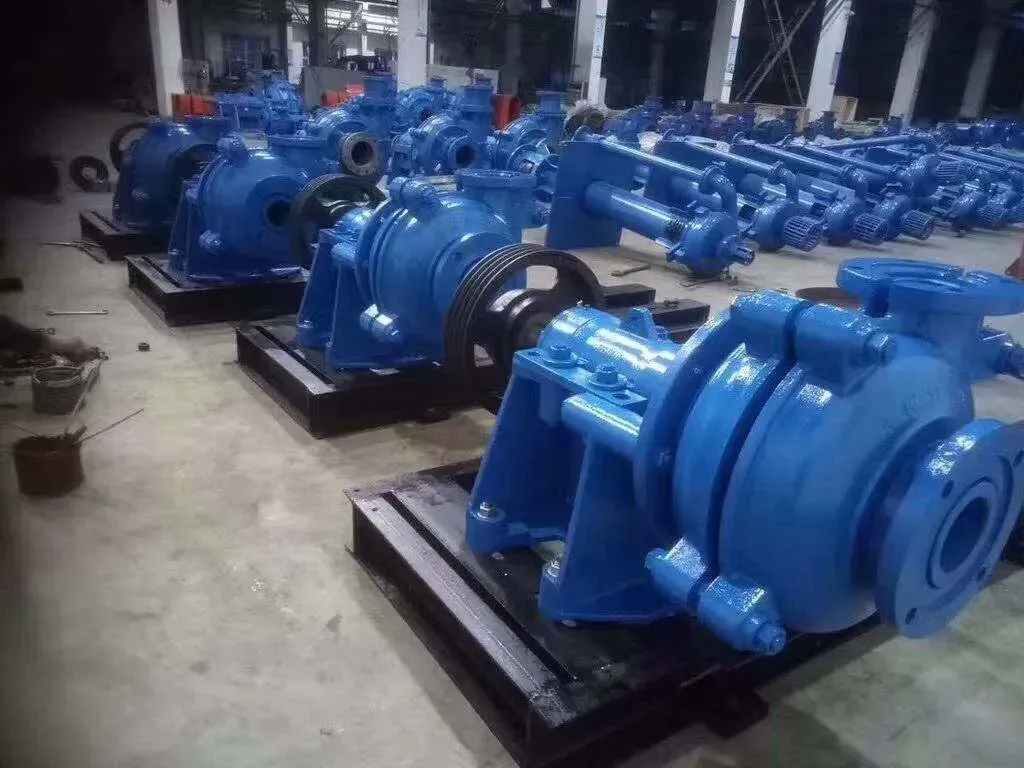
Vertical centrifugal pipeline pumps are a class of centrifugal pumps configured with a vertically oriented motor and impeller assembly. They are strategically positioned within the industry chain as crucial components in fluid transfer systems across diverse applications, including water supply, wastewater treatment, irrigation, fire suppression, and industrial process operations. These pumps are particularly valued for their space-saving design, simplified installation, and efficient operation within closed systems. Core performance characteristics revolve around volumetric flow rate (typically measured in gallons per minute or cubic meters per hour), head (expressed in feet or meters), pump efficiency (percentage), Net Positive Suction Head Required (NPSHr), and power consumption. The selection of a vertical centrifugal pipeline pump necessitates a detailed understanding of the fluid’s properties – viscosity, density, temperature, and the presence of solids – along with system requirements like flow rate, pressure, and elevation differences. A key industry pain point is selecting the appropriate materials of construction to prevent corrosion and erosion, ensuring longevity and minimizing downtime. Another frequent challenge lies in accurately calculating NPSHr to avoid cavitation, a destructive phenomenon that reduces pump performance and damages components.
Material Science & Manufacturing
The manufacturing of vertical centrifugal pipeline pumps heavily relies on materials possessing specific physical and chemical properties. Pump casings are commonly constructed from cast iron (ASTM A48 Class 30), stainless steel (304, 316 – ASTM A743), or ductile iron (ASTM A536). The choice depends on the fluid being pumped and the operating environment. Stainless steel is favored for corrosive fluids, while cast iron offers a cost-effective solution for clean water applications. Impellers are frequently made from cast iron, bronze (ASTM B584), or engineered polymers for abrasive slurries. Shafts require high tensile strength and corrosion resistance, utilizing materials like 4140 alloy steel (ASTM A297) or stainless steel. Seals are typically composed of materials like carbon-graphite, silicon carbide, or PTFE, selected based on the fluid's chemical compatibility and temperature. Manufacturing processes include: 1) Casting: Used for casings and impellers, requiring precise mold design and controlled cooling rates to minimize porosity. 2) Machining: Critical for achieving dimensional accuracy of impellers, shafts, and casings. CNC machining is standard. 3) Welding: Employed to join casing components, often utilizing submerged arc welding (SAW) or shielded metal arc welding (SMAW). Welds must meet stringent quality control standards (AWS D1.1). 4) Surface Treatment: Coatings like epoxy or polyurethane are applied to protect against corrosion. 5) Assembly: Precision alignment of shafts, impellers, and seals is paramount, with meticulous torque specifications applied to all fasteners. Parameter control during manufacturing involves monitoring casting temperatures, machining tolerances (typically within IT7 or IT8), weld quality (radiographic inspection is common), and coating thickness.
Performance & Engineering
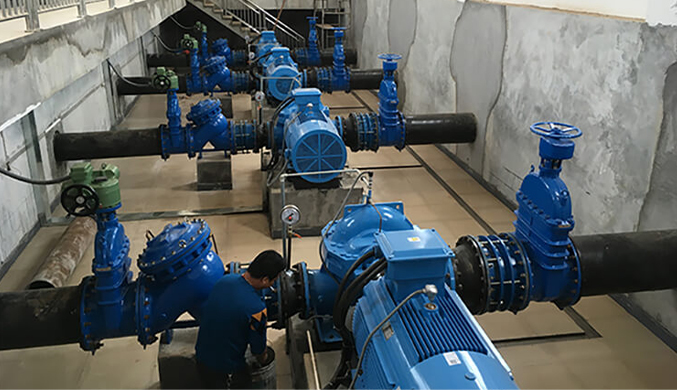
The performance of vertical centrifugal pipeline pumps is governed by fundamental fluid dynamics principles. Force analysis centers around balancing hydraulic forces exerted on the impeller and shaft. These forces, resulting from pressure differentials and fluid momentum, must be carefully accounted for in the pump design to prevent bearing failure and shaft deflection. Environmental resistance is a crucial consideration. Pumps operating outdoors must be protected from weather elements, requiring appropriate enclosures and corrosion-resistant materials. Temperature extremes can affect material properties and seal performance. Compliance requirements are dictated by industry standards (detailed in the footer). Hydraulic Institute (HI) standards, specifically HI 1.6 for vertical pumps, define testing procedures and performance criteria. Regarding functional implementation, the pump’s characteristic curve – a graph plotting head versus flow rate – is essential for matching the pump to the system’s requirements. The pump’s operating point, the intersection of the pump curve and the system curve, determines the actual flow rate and head delivered. Cavitation is a primary performance concern. Maintaining sufficient NPSHa (Net Positive Suction Head Available) – the absolute pressure at the pump suction – above the NPSHr is critical to avoid vapor formation and its damaging effects. Mechanical seals are engineered to maintain a leak-tight barrier between the pump casing and the shaft, requiring careful selection of materials and spring pressure to accommodate varying operating conditions. Bearing selection (ball, roller, or sleeve bearings) impacts pump efficiency and lifespan, and lubrication is a vital maintenance factor.
Technical Specifications
| Parameter | Unit | Typical Value (Range) | Testing Standard |
|---|---|---|---|
| Flow Rate | GPM (US) / m³/h | 50 – 5000 / 1.9 – 189 | HI 1.1 |
| Head | ft / m | 20 – 300 / 6 – 91 | HI 1.6 |
| Pump Efficiency | % | 65 – 85 | HI 1.4 |
| NPSHr | ft / m | 5 – 20 / 1.5 – 6.1 | HI 1.6 |
| Motor Power | HP / kW | 3 – 200 / 2.2 – 149 | NEMA MG 1 |
| Maximum Operating Pressure | psi / Bar | 150 / 10.3 | ASME B16.1 |
Failure Mode & Maintenance
Vertical centrifugal pipeline pumps are susceptible to various failure modes. Fatigue cracking can occur in the pump casing or impeller due to cyclical stress, particularly in applications with pressure fluctuations. Cavitation erosion damages impeller surfaces, leading to reduced performance and eventual failure. Seal failure results in leakage, often caused by abrasive particles, improper installation, or material incompatibility. Bearing failure manifests as increased noise, vibration, and ultimately, pump seizure. Corrosion and erosion degrade pump components, especially in aggressive fluid environments. Misalignment between the motor and pump shafts leads to premature bearing wear and coupling failure. Preventative maintenance is crucial. Regular inspection of seals, bearings, and impeller for wear and corrosion is essential. Lubrication schedules must be strictly adhered to. Vibration analysis can detect early signs of bearing failure or misalignment. Periodic performance testing (flow rate, head, power consumption) can identify deviations from baseline values, indicating potential problems. Seal replacement should be performed proactively. Impeller balancing restores optimal performance and reduces vibration. Flush the pump regularly to remove debris and scale buildup. Implement a robust corrosion monitoring program. For corrosion-related failures, cathodic protection or alternative materials may be required. For cavitation damage, review the system layout and ensure adequate NPSHa.
Industry FAQ
Q: What is the primary difference between a vertical turbine pump and a vertical centrifugal pipeline pump?
A: Vertical turbine pumps are designed for submerged operation with the motor above the liquid level, using a long shaft to drive the impeller. Vertical centrifugal pipeline pumps have the motor directly coupled to the pump and are typically installed with the pump casing above the liquid level, using a suction lift. Turbine pumps excel in deep well applications, while pipeline pumps are favored for closed-loop systems and ease of maintenance.
Q: How do I determine the correct NPSHr for my application?
A: NPSHr is provided by the pump manufacturer on the pump curve. You must ensure that the NPSHa (Net Positive Suction Head Available) in your system is always greater than the NPSHr. NPSHa is calculated based on the system's static suction head, fluid vapor pressure, and friction losses in the suction piping. Insufficient NPSHa leads to cavitation.
Q: What material is best suited for handling abrasive fluids?
A: For abrasive fluids, materials like hardened cast iron, high-chrome cast iron, or rubber-lined casings are recommended. Impellers can be constructed from abrasion-resistant alloys or polymers. Frequent inspection and replacement of worn components are essential when handling abrasive fluids.
Q: What are the common causes of pump vibration and how can they be addressed?
A: Common causes of pump vibration include impeller imbalance, misalignment, bearing wear, cavitation, and resonance. Impeller balancing, shaft alignment, bearing replacement, and ensuring adequate NPSHa are key corrective actions. A thorough vibration analysis can pinpoint the source of the problem.
Q: How does pump efficiency affect overall operating costs?
A: Pump efficiency directly impacts energy consumption. A higher efficiency pump delivers the same flow rate and head with less power input, resulting in lower electricity bills. Investing in a high-efficiency pump can provide significant long-term cost savings. Regular maintenance to maintain peak efficiency is also critical.
Conclusion
Vertical centrifugal pipeline pumps represent a versatile and reliable solution for a wide range of fluid transfer applications. Successful implementation hinges on a thorough understanding of the fluid’s properties, system requirements, and the pump’s performance characteristics. Careful material selection, adherence to industry standards, and a proactive maintenance program are essential for ensuring long-term operational efficiency and minimizing downtime. The selection of an appropriate pump relies on a detailed system analysis to match the pump's performance curve to the operating conditions.
Future trends in vertical centrifugal pump technology include the integration of variable frequency drives (VFDs) for enhanced control and energy savings, the development of more corrosion-resistant materials, and the incorporation of advanced monitoring systems for predictive maintenance. Optimization of impeller designs and hydraulic passages is also ongoing to further improve pump efficiency and reduce noise levels. The continued adoption of Industry 4.0 principles will likely lead to smarter, more connected pump systems capable of self-diagnosis and automated control.
-
Comprehensive Guide to Waterproof ORings for Optimal Sealing Solutions
News2026-06-09
-
heavy duty submersible pump Performance Analysis
News2026-06-25
-
best submersible pump for septic tank Performance Analysis
News2026-06-25
-
basement sewer ejector pump Performance Analysis
News2026-06-25
-
basement pumps ejector pumps Performance Analysis
News2026-06-25
-
basement lift pump Performance and Engineering
News2026-06-25
-
basement bathroom pump systems Performance Analysis
News2026-06-24
-
basement bathroom ejector pump system Performance Engineering
News2026-06-24
-
2 hp sewage pump Performance Engineering
News2026-06-24
-
1 hp septic pump Performance Engineering
News2026-06-24
-
submersible effluent pump Performance Analysis
News2026-06-24
-
submergable pump Material Science
News2026-06-23
-
sewer injection pump Performance Engineering
News2026-06-23
-
Sewer Ejector Pump System Performance Analysis
News2026-06-23
-
septic tank pump for sale Performance Engineering
News2026-06-23




