English
- Afrikaans
- Albanian
- Amharic
- Arabic
- Armenian
- Azerbaijani
- Basque
- Belarusian
- Bengali
- Bosnian
- Bulgarian
- Catalan
- Cebuano
- Corsican
- Croatian
- Czech
- Danish
- Dutch
- English
- Esperanto
- Estonian
- Finnish
- French
- Frisian
- Galician
- Georgian
- German
- Greek
- Gujarati
- Haitian Creole
- hausa
- hawaiian
- Hebrew
- Hindi
- Miao
- Hungarian
- Icelandic
- igbo
- Indonesian
- irish
- Italian
- Japanese
- Javanese
- Kannada
- kazakh
- Khmer
- Rwandese
- Korean
- Kurdish
- Kyrgyz
- Lao
- Latin
- Latvian
- Lithuanian
- Luxembourgish
- Macedonian
- Malgashi
- Malay
- Malayalam
- Maltese
- Maori
- Marathi
- Mongolian
- Myanmar
- Nepali
- Norwegian
- Norwegian
- Occitan
- Pashto
- Persian
- Polish
- Portuguese
- Punjabi
- Romanian
- Russian
- Samoan
- Scottish Gaelic
- Serbian
- Sesotho
- Shona
- Sindhi
- Sinhala
- Slovak
- Slovenian
- Somali
- Spanish
- Sundanese
- Swahili
- Swedish
- Tagalog
- Tajik
- Tamil
- Tatar
- Telugu
- Thai
- Turkish
- Turkmen
- Ukrainian
- Urdu
- Uighur
- Uzbek
- Vietnamese
- Welsh
- Bantu
- Yiddish
- Yoruba
- Zulu

Telephone: +86 13120555503
Email: frank@cypump.com


Apr . 01, 2024 17:55 Back to list
vertical centrifugal pipeline pumps Performance Analysis
Introduction
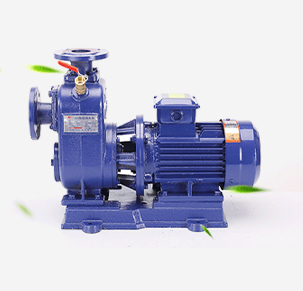
Vertical centrifugal pipeline pumps are a class of centrifugal pumps configured with a vertically oriented impeller and volute casing, directly integrated into the pipeline system. These pumps are crucial components in numerous industrial applications, including water supply, wastewater treatment, fire protection, and chemical processing. Their inline configuration minimizes space requirements and simplifies installation compared to horizontally mounted centrifugal pumps. Core performance characteristics are defined by flow rate, head (pressure), and efficiency. A primary advantage lies in their self-priming capability, eliminating the need for initial flooding of the pump casing, a critical consideration in applications with intermittent flow or suction lift requirements. Selection criteria center on fluid properties (viscosity, specific gravity, corrosivity), flow rate demands, and system pressure profiles. Increasing demands for energy efficiency and reduced lifecycle costs are driving advancements in hydraulic design and materials selection within this pump category.
Material Science & Manufacturing
The construction of vertical centrifugal pipeline pumps necessitates careful material selection to ensure chemical compatibility, corrosion resistance, and structural integrity. Common materials include cast iron (ASTM A48 Class 30 for general service), ductile iron (ASTM A536 65-45-12 for enhanced strength and ductility), and stainless steel (304/316 grades for corrosive environments). Impeller materials often mirror casing materials, with bronze (ASTM B584) employed for applications requiring superior erosion resistance. Manufacturing processes begin with casting the pump casing and impeller. Casting tolerances are critical, impacting hydraulic performance. Subsequent machining operations, including precision grinding and polishing of impeller vanes, are essential to achieve specified surface finishes and dimensional accuracy. Shaft materials typically utilize alloy steels (4140 or 4340) hardened and tempered for high tensile strength and fatigue resistance. Manufacturing involves CNC turning and milling. The mechanical seal, a vital component preventing leakage, is manufactured via precision machining of seal faces from materials like silicon carbide or tungsten carbide. Welding processes, such as shielded metal arc welding (SMAW) or gas tungsten arc welding (GTAW), are used for joining components. Parameter control during welding is paramount to prevent distortion and ensure weld integrity, adhering to AWS D1.1 standards. Finally, rigorous quality control, including hydrostatic testing and non-destructive examination (NDE), verifies structural integrity and leak tightness.
Performance & Engineering
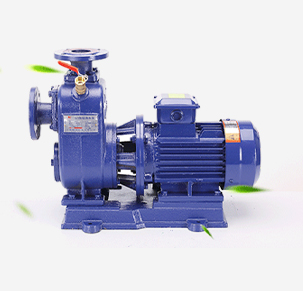
The performance of vertical centrifugal pipeline pumps is dictated by fundamental principles of fluid mechanics. The pump’s head-capacity curve, a graphical representation of pressure generated versus flow rate, is determined by impeller geometry, rotational speed, and fluid properties. Force analysis encompasses radial forces caused by impeller imbalance and axial thrust resulting from pressure differentials. Bearing selection, typically utilizing ball or roller bearings, must account for these forces to ensure longevity and prevent premature failure. Environmental resistance is a critical engineering consideration. Exposure to extreme temperatures, corrosive fluids, or abrasive particles necessitates appropriate material selection and protective coatings. Compliance with industry standards, such as Hydraulic Institute (HI) standards, ensures pump performance meets specified requirements. Cavitation, a phenomenon caused by vapor pressure reduction, poses a significant threat to pump performance. Proper net positive suction head required (NPSHr) calculations and system design are essential to avoid cavitation damage. Energy efficiency is paramount. Optimizing impeller design, minimizing hydraulic losses, and implementing variable frequency drives (VFDs) to adjust pump speed based on demand are key strategies. Pump selection also needs to consider the system’s total dynamic head (TDH), which includes static lift, friction losses in piping, and pressure at the discharge point.
Technical Specifications
| Parameter | Unit | Typical Value (Small Pump) | Typical Value (Large Pump) |
|---|---|---|---|
| Flow Rate | m³/h | 10-50 | 200-800 |
| Head | m | 10-30 | 80-200 |
| Power | kW | 1.5-7.5 | 30-150 |
| Impeller Diameter | mm | 100-200 | 400-800 |
| Operating Temperature | °C | -10 to 80 | -20 to 120 |
| Maximum Solid Handling Size | mm | 0 (Clean Fluids) | Up to 25 (Wastewater) |
Failure Mode & Maintenance
Vertical centrifugal pipeline pumps are susceptible to various failure modes. Bearing failure, often stemming from inadequate lubrication, overload, or contamination, is a common issue. Symptoms include increased noise, vibration, and elevated bearing temperatures. Mechanical seal failure, manifested by leakage, can result from abrasion, chemical attack, or improper installation. Impeller cavitation, caused by NPSHr deficiencies, leads to pitting and erosion of impeller vanes, reducing pump performance. Corrosion, particularly in aggressive fluid environments, can compromise casing and impeller integrity. Fatigue cracking, induced by cyclical loading, may occur in shafts or casings. Delamination of protective coatings can accelerate corrosion. Preventative maintenance is crucial. Regular lubrication of bearings, seal inspection and replacement, and monitoring of vibration levels are essential. Periodic inspection for corrosion and erosion is recommended. Hydrostatic testing should be performed periodically to verify casing integrity. Proper alignment of the pump and motor is critical to minimize bearing stress. When troubleshooting, analyze pump performance curves to identify deviations from baseline data. Root cause analysis (RCA) should be performed to determine the underlying causes of failures and implement corrective actions.
Industry FAQ
Q: What is the impact of fluid viscosity on pump performance?
A: Increased fluid viscosity reduces pump flow rate and efficiency. Higher viscosity fluids require more power to pump and can increase frictional losses within the pump. Pump selection should account for the fluid’s viscosity, and performance curves may need to be adjusted accordingly.
Q: How do I determine the required NPSHr for a specific application?
A: NPSHr is calculated based on the pump’s design and operating conditions. Factors include suction pressure, fluid temperature, and fluid vapor pressure. Manufacturers provide NPSHr data in their pump curves. Ensure the available NPSHa (Net Positive Suction Head Available) in your system exceeds the NPSHr to prevent cavitation.
Q: What are the benefits of using a variable frequency drive (VFD) with a vertical centrifugal pump?
A: VFDs allow for precise control of pump speed, enabling optimization of flow rate and pressure to match system demand. This results in significant energy savings, reduced wear and tear on the pump, and improved process control.
Q: What type of mechanical seal is best suited for handling abrasive fluids?
A: For abrasive fluids, a mechanical seal with a hardened face material, such as silicon carbide or tungsten carbide, is recommended. Double mechanical seals with a barrier fluid can provide additional protection against abrasion and leakage.
Q: What preventative measures can be taken to minimize corrosion in a pump handling corrosive fluids?
A: Selecting corrosion-resistant materials (stainless steel, alloys), applying protective coatings, and implementing regular inspection and maintenance programs are crucial. Consider using a sacrificial anode to protect the pump casing from corrosion.
Conclusion
Vertical centrifugal pipeline pumps represent a critical technology in diverse industrial applications, offering a compact, efficient, and reliable solution for fluid transfer. The optimal selection and operation of these pumps depend on a thorough understanding of material science, hydraulic principles, and applicable industry standards. Addressing potential failure modes through proactive maintenance practices is essential for maximizing pump longevity and minimizing lifecycle costs.
Future advancements in vertical centrifugal pump technology are likely to focus on improving energy efficiency, reducing noise levels, and enhancing monitoring capabilities through the integration of smart sensors and data analytics. The adoption of additive manufacturing techniques may enable the creation of complex impeller geometries optimized for specific applications, further enhancing pump performance and reducing manufacturing lead times.
-
Comprehensive Guide to Waterproof ORings for Optimal Sealing Solutions
News2026-06-09
-
Waste Tank Pump Performance Analysis
News2026-06-27
-
Sewer System Pump Out Material Science
News2026-06-27
-
Sewer Ejector Pit Performance Analysis
News2026-06-27
-
septic tank pumps for sale Performance Engineering
News2026-06-27
-
septic system with lift pump Performance Engineering
News2026-06-27
-
septic system sump pump Performance Analysis
News2026-06-26
-
septic pump company Performance Analysis
News2026-06-26
-
pumps water treatment Performance Analysis
News2026-06-26
-
pumps for septic tanks Material Science and Manufacturing
News2026-06-26
-
pump for septic system Material Science Manufacturing
News2026-06-26
-
heavy duty submersible pump Performance Analysis
News2026-06-25
-
best submersible pump for septic tank Performance Analysis
News2026-06-25
-
basement sewer ejector pump Performance Analysis
News2026-06-25
-
basement pumps ejector pumps Performance Analysis
News2026-06-25




