English
- Afrikaans
- Albanian
- Amharic
- Arabic
- Armenian
- Azerbaijani
- Basque
- Belarusian
- Bengali
- Bosnian
- Bulgarian
- Catalan
- Cebuano
- Corsican
- Croatian
- Czech
- Danish
- Dutch
- English
- Esperanto
- Estonian
- Finnish
- French
- Frisian
- Galician
- Georgian
- German
- Greek
- Gujarati
- Haitian Creole
- hausa
- hawaiian
- Hebrew
- Hindi
- Miao
- Hungarian
- Icelandic
- igbo
- Indonesian
- irish
- Italian
- Japanese
- Javanese
- Kannada
- kazakh
- Khmer
- Rwandese
- Korean
- Kurdish
- Kyrgyz
- Lao
- Latin
- Latvian
- Lithuanian
- Luxembourgish
- Macedonian
- Malgashi
- Malay
- Malayalam
- Maltese
- Maori
- Marathi
- Mongolian
- Myanmar
- Nepali
- Norwegian
- Norwegian
- Occitan
- Pashto
- Persian
- Polish
- Portuguese
- Punjabi
- Romanian
- Russian
- Samoan
- Scottish Gaelic
- Serbian
- Sesotho
- Shona
- Sindhi
- Sinhala
- Slovak
- Slovenian
- Somali
- Spanish
- Sundanese
- Swahili
- Swedish
- Tagalog
- Tajik
- Tamil
- Tatar
- Telugu
- Thai
- Turkish
- Turkmen
- Ukrainian
- Urdu
- Uighur
- Uzbek
- Vietnamese
- Welsh
- Bantu
- Yiddish
- Yoruba
- Zulu

Telephone: +86 13120555503
Email: frank@cypump.com


Apr . 01, 2024 17:55 Back to list
townley slurry pumps for efficient and reliable handling of abrasive fluids Performance Analysis
Introduction
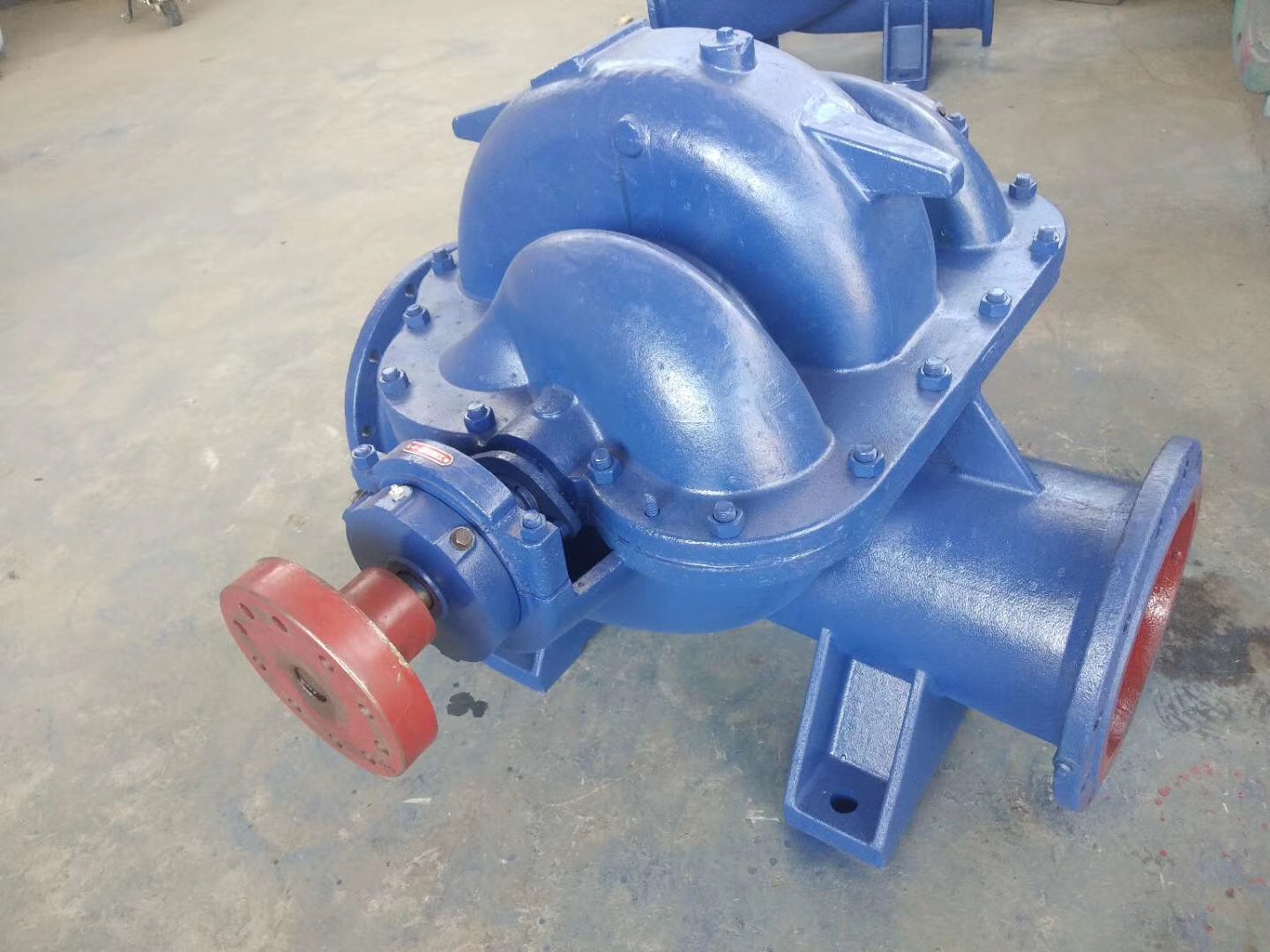
Townley slurry pumps are positive displacement pumps specifically engineered for the transport of abrasive and erosive fluids. These pumps find extensive application across diverse industries including mining, dredging, chemical processing, wastewater treatment, and power generation. Their technical positioning within the fluid handling industry chain is crucial for processes demanding consistent flow rates irrespective of discharge pressure, a capability often lacking in centrifugal pumps. Townley pumps, typically progressing cavity pumps, utilize a single helix rotor rotating eccentrically within a double helix stator, creating sealed cavities that move fluid along the pump's axis. Core performance characteristics center around consistent flow, high solids handling capacity, and the ability to generate high discharge pressures, even with viscous materials. The core pain point addressed by Townley pumps is the reliability and maintenance costs associated with handling highly abrasive slurries, minimizing downtime and maximizing operational efficiency in demanding industrial environments. Unlike traditional pumps, Townley designs minimize shear, making them ideal for shear-sensitive fluids.
Material Science & Manufacturing
The core components of Townley slurry pumps necessitate specific material selections to withstand the aggressive nature of transported slurries. Rotor materials commonly employ hardened tool steels (e.g., 4140, 4340) or stainless steels (e.g., 304, 316) depending on the slurry's chemical composition and abrasiveness. Stator elastomers are critical, with choices ranging from natural rubber, EPDM, nitrile (NBR), and Viton, each offering varying levels of chemical resistance, temperature tolerance, and abrasion resistance. Natural rubber is cost-effective for less aggressive applications, while Viton provides superior chemical resistance for harsh environments. Pump housings are typically cast iron (ASTM A48 Class 30) or ductile iron (ASTM A536 65-45-12) offering robustness and resistance to impact. Manufacturing processes are multi-stage. Rotor fabrication involves precision machining, heat treatment to achieve desired hardness, and often, surface coating (e.g., tungsten carbide plating) for enhanced wear resistance. Stator manufacturing utilizes specialized molding techniques to ensure precise helix geometry and bonding to the metal reinforcement. The manufacturing process requires meticulous dimensional control – helix eccentricity must be maintained within tolerances of +/- 0.025mm to guarantee optimal pump performance and prevent premature failure. Key parameter control centers on elastomer durometer, ensuring correct sealing and preventing excessive deformation under pressure.
Performance & Engineering
Townley slurry pump performance is governed by several engineering principles. Flow rate is directly proportional to rotor speed and the pump’s geometric pitch. Force analysis reveals significant torsional stress on the rotor during operation, particularly when pumping high-solids content slurries. The pump's casing must withstand substantial internal pressures, requiring robust design and material selection. Environmental resistance is crucial; pumps operating in corrosive environments require materials with appropriate chemical inertness. Compliance requirements vary by region and application. In the US, pumps handling potable water must meet NSF/ANSI 61 standards. For hazardous environments, ATEX certification (Europe) or Class I, Division 1/2 (North America) is essential to prevent ignition sources. Functional implementation relies on accurate pump sizing based on flow rate, head pressure, slurry characteristics (solids concentration, particle size distribution, density), and viscosity. Cavitation is less of a concern in progressing cavity pumps compared to centrifugal pumps due to their positive displacement nature, but abrasive wear remains a primary performance limiting factor. The pump’s geometry minimizes turbulence, contributing to efficient energy transfer and reducing shear stress on the fluid. Proper alignment between rotor and stator is critical to prevent uneven wear and maintain optimal performance.
Technical Specifications
| Parameter | Unit | Typical Range | Notes |
|---|---|---|---|
| Flow Rate | GPM (Gallons Per Minute) | 5 – 500 | Dependent on rotor/stator geometry and speed |
| Discharge Pressure | PSI (Pounds per Square Inch) | 0 – 250 | Can exceed 250 PSI with specialized designs |
| Solids Handling Capacity | % by Weight | Up to 80 | Dependent on particle size and slurry viscosity |
| Viscosity Range | cP (Centipoise) | 1 – 30,000 | Suitable for both low and highly viscous fluids |
| Temperature Range | °F (°Celsius) | -40 to 250 (-40 to 121) | Elastomer limitations dictate upper temperature boundary |
| Rotor Materials | - | 4140, 304SS, 316SS | Material selection based on slurry chemistry |
Failure Mode & Maintenance
Townley slurry pump failures typically manifest as reduced flow rate, increased vibration, or leakage. The most common failure mode is abrasive wear of the stator, resulting from the constant contact with abrasive particles in the slurry. This leads to increased clearances, reduced volumetric efficiency, and ultimately, loss of pressure. Fatigue cracking can occur in the rotor due to cyclical stress, especially when handling large solids or operating at high speeds. Elastomer degradation, caused by chemical attack or prolonged exposure to high temperatures, results in loss of sealing and reduced pump performance. Oxidation of the rotor material can also occur, particularly in aggressive chemical environments. Maintenance protocols emphasize regular inspection of the stator for wear, replacement of the stator at predefined intervals (based on operating hours and slurry abrasiveness), proper lubrication of rotor joints, and verification of pump alignment. Preventive maintenance should also include monitoring of vibration levels to detect early signs of bearing wear or imbalance. Failure analysis should include metallurgical examination of worn components to determine the root cause of failure and optimize material selection for future applications. Periodic cleaning of the pump casing and suction/discharge lines prevents clogging and ensures efficient operation.
Industry FAQ
Q: What are the key differences between a Townley (progressing cavity) pump and a centrifugal pump when handling abrasive slurries?
A: Centrifugal pumps are susceptible to wear from abrasive particles impacting the impeller and casing, leading to a rapid decline in performance. Townley pumps, being positive displacement, maintain relatively consistent flow regardless of slurry abrasiveness and distribute wear more evenly across the rotor and stator. Centrifugal pumps generally handle lower solids concentrations efficiently, while Townley pumps excel at high solids content and viscous fluids.
Q: How does the elastomer selection impact the lifespan of a Townley pump stator?
A: Elastomer selection is critical. Using an elastomer incompatible with the slurry’s chemical composition will accelerate degradation and significantly reduce stator life. For example, natural rubber is unsuitable for hydrocarbon-based slurries. Selecting an elastomer with sufficient abrasion resistance based on particle size and concentration is also essential.
Q: What preventative maintenance is crucial for maximizing the operational life of a Townley pump?
A: Regular stator inspection for wear is paramount. Lubricating rotor joints, verifying pump alignment, monitoring vibration levels, and implementing a scheduled stator replacement program are all vital. Maintaining proper suction lift and preventing dry running are also crucial for avoiding premature failure.
Q: What are the limitations of Townley pumps concerning slurry temperature?
A: The temperature limitations are primarily dictated by the stator elastomer. Exceeding the elastomer’s maximum temperature rating will lead to softening, swelling, and accelerated degradation. Careful selection of a temperature-resistant elastomer is crucial for high-temperature applications.
Q: How do I determine the correct Townley pump size for a specific application?
A: Pump sizing requires accurate determination of flow rate, total dynamic head (TDH), slurry density, solids concentration, particle size distribution, and viscosity. It's advisable to consult with a pump specialist and provide detailed slurry characteristics to ensure optimal pump selection and prevent under- or over-sizing.
Conclusion
Townley slurry pumps represent a robust and reliable solution for handling abrasive and erosive fluids across a multitude of industrial applications. Their positive displacement nature, high solids handling capacity, and ability to generate high discharge pressures distinguish them from centrifugal pumps in demanding slurry transfer scenarios. Understanding the intricacies of material science, manufacturing processes, and performance engineering is critical for maximizing pump lifespan and minimizing operational costs.
Proper pump selection, informed by accurate slurry characterization and adherence to preventative maintenance protocols, are paramount to long-term success. Continued advancements in elastomer technology and rotor materials will further enhance the performance and durability of Townley pumps, solidifying their position as a critical component in industries reliant on efficient and reliable slurry handling.
-
Precision at the Pump: How Better Machining Protects Flow and Uptime
News2026-11-20
-
Why Pump Reliability Begins Before the First Drop of Fluid
News2026-11-20
-
Beyond the Pump: Designing Safer Access Around Critical Water Infrastructure
News2026-11-20
-
Why Pumping Stations Depend on the Infrastructure Beneath the Pumps
News2026-11-20
-
Beyond the Pump Room: How Smarter Loading Protects Industrial Equipment
News2026-11-19
-
When Pumps Stop: Designing More Resilient Power for Critical Pumping Systems
News2026-11-19
-
The Hidden Role of Dust and Gas Monitoring in Reliable Pump Operations
News2026-11-19
-
The Hidden Role of Mineral Compounds in Extending Industrial Pump Lifespan
News2026-10-12
-
Why Pump System Reliability Depends on Precision Hose Assembly Methods
News2026-09-15
-
How Advanced Imaging Films Are Transforming Pump Component Quality Control
News2026-08-25
-
How Advanced Filtration Protects Pump Systems from Premature Wear and Costly Downtime
News2026-08-25
-
How Steel Material Selection Drives Pump Reliability in Heavy-Duty Systems
News2026-08-25
-
Ensuring Pump System Efficiency: The Role of High-Quality Pipe Fittings and Tubing
News2026-08-24
-
Optimizing Fluid Dynamics and Material Consistency in Industrial Processing
News2026-08-18
-
Innovations and Challenges in Hydraulic Systems for Heavy Machinery
News2026-08-13




