English
- Afrikaans
- Albanian
- Amharic
- Arabic
- Armenian
- Azerbaijani
- Basque
- Belarusian
- Bengali
- Bosnian
- Bulgarian
- Catalan
- Cebuano
- Corsican
- Croatian
- Czech
- Danish
- Dutch
- English
- Esperanto
- Estonian
- Finnish
- French
- Frisian
- Galician
- Georgian
- German
- Greek
- Gujarati
- Haitian Creole
- hausa
- hawaiian
- Hebrew
- Hindi
- Miao
- Hungarian
- Icelandic
- igbo
- Indonesian
- irish
- Italian
- Japanese
- Javanese
- Kannada
- kazakh
- Khmer
- Rwandese
- Korean
- Kurdish
- Kyrgyz
- Lao
- Latin
- Latvian
- Lithuanian
- Luxembourgish
- Macedonian
- Malgashi
- Malay
- Malayalam
- Maltese
- Maori
- Marathi
- Mongolian
- Myanmar
- Nepali
- Norwegian
- Norwegian
- Occitan
- Pashto
- Persian
- Polish
- Portuguese
- Punjabi
- Romanian
- Russian
- Samoan
- Scottish Gaelic
- Serbian
- Sesotho
- Shona
- Sindhi
- Sinhala
- Slovak
- Slovenian
- Somali
- Spanish
- Sundanese
- Swahili
- Swedish
- Tagalog
- Tajik
- Tamil
- Tatar
- Telugu
- Thai
- Turkish
- Turkmen
- Ukrainian
- Urdu
- Uighur
- Uzbek
- Vietnamese
- Welsh
- Bantu
- Yiddish
- Yoruba
- Zulu

Telephone: +86 13120555503
Email: frank@cypump.com


Apr . 01, 2024 17:55 Back to list
toprated chemical pipeline water pump Material Science
Introduction
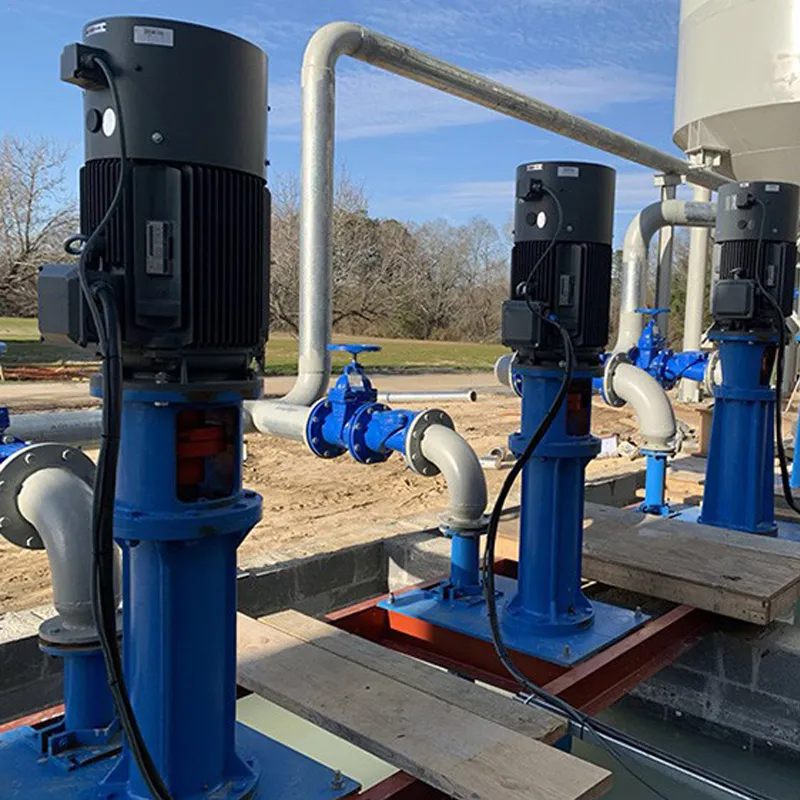
Centrifugal pumps designed for chemical pipeline applications represent a critical component in numerous industrial processes. This technical guide focuses on top-rated chemical pipeline water pumps, specifically those employed for the transfer of corrosive and hazardous fluids. These pumps are distinguished by their robust construction, employing materials resistant to chemical attack, and their adherence to stringent safety standards. Unlike standard water pumps, chemical pipeline pumps necessitate specialized sealing mechanisms, material selection, and design considerations to prevent leakage, ensure process integrity, and protect personnel. Their performance is defined not only by flow rate and head but also by factors like Net Positive Suction Head Required (NPSHr), materials compatibility with the transferred fluid, and adherence to industry-specific regulations such as those pertaining to volatile organic compound (VOC) emissions. This guide will detail material science, manufacturing processes, performance characteristics, potential failure modes, and maintenance protocols for these essential industrial components.
Material Science & Manufacturing
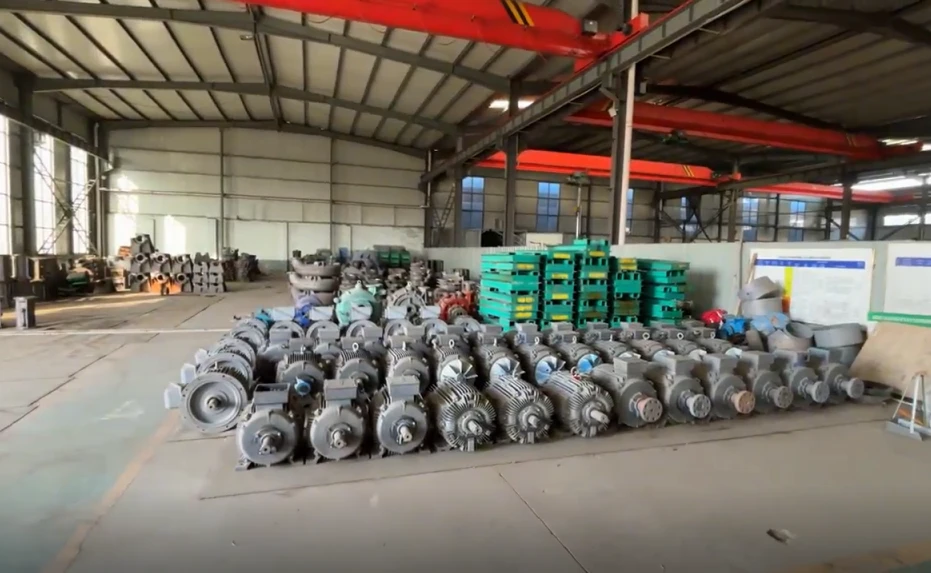
The core of a chemical pipeline water pump’s reliability lies in its material selection. Pump casings are frequently constructed from alloys like 316 Stainless Steel, Duplex Stainless Steel (e.g., 2205), or specialized polymers like PTFE (Polytetrafluoroethylene) and PVDF (Polyvinylidene Fluoride) depending on the chemical being pumped. The impeller, a critical component directly exposed to the fluid, is similarly constructed from corrosion-resistant materials. Common choices include Hastelloy C-276, Alloy 20, or ceramic materials for extremely aggressive chemical environments. Shafts are typically manufactured from high-strength stainless steel (e.g., 316, 17-4 PH) and protected with ceramic or tungsten carbide sleeves at the seal area to enhance wear resistance. Manufacturing processes vary. Casings can be produced via investment casting for complex geometries, sand casting for larger components, or CNC machining from solid billets. Impellers are often investment cast for intricate blade designs, ensuring optimal hydraulic efficiency. Welding procedures for joining dissimilar metals require meticulous control of heat input, shielding gas composition (typically Argon), and post-weld heat treatment to prevent sensitization and maintain corrosion resistance. Seal components (mechanical seals) incorporate materials like silicon carbide, PTFE, and perfluoroelastomers (FFKM) to provide a robust barrier against leakage. Quality control includes non-destructive testing (NDT) like radiography, liquid penetrant inspection, and ultrasonic testing to identify defects in welds and castings. The manufacturing process must adhere to ISO 9001 standards for quality management.
Performance & Engineering
The performance of a chemical pipeline water pump is governed by several key engineering principles. The pump curve, a graphical representation of head versus flow rate, is fundamental to pump selection. Engineers must consider the system’s head loss (friction loss in piping, elevation changes, and pressure drops across components) and required flow rate to determine the appropriate pump size. NPSHr is a crucial parameter. Insufficient NPSH available in the system can lead to cavitation, damaging the impeller and reducing pump efficiency. Cavitation is caused by the formation and collapse of vapor bubbles within the pump due to low pressure. Pump efficiency is influenced by impeller design, casing geometry, and internal clearances. Volumetric efficiency, mechanical efficiency, and hydraulic efficiency all contribute to overall pump performance. Furthermore, the pump’s mechanical design must account for external loads, such as piping stresses and foundation vibrations. Finite element analysis (FEA) is often employed to optimize casing design and minimize stress concentrations. Pump stability is assessed by considering rotor dynamics and potential for critical speeds. Compliance requirements vary depending on the application. Pumps handling flammable or hazardous chemicals must meet ATEX directives (Europe) or Class I, Division 1/2 standards (North America) for explosion protection. Seal flush plans, conforming to API 682 standards, are essential for maintaining seal integrity and preventing process fluid from entering the environment.
Technical Specifications
| Parameter | Unit | Typical Value (316 SS Pump) | Typical Value (PVDF Pump) |
|---|---|---|---|
| Flow Rate | GPM (Gallons per Minute) | 50-300 | 10-100 |
| Head | ft (Feet) | 50-200 | 30-150 |
| Maximum Operating Pressure | psi (Pounds per Square Inch) | 150 | 100 |
| Temperature Range | °F (Degrees Fahrenheit) | -20 to 300 | -40 to 250 |
| NPSHr | ft (Feet) | 10-25 | 8-20 |
| Shaft Seal Type | - | Mechanical Seal (Single/Double) | Mechanical Seal (Single/Double) |
Failure Mode & Maintenance
Chemical pipeline water pumps are susceptible to several failure modes. Corrosion is a primary concern, leading to pitting, crevice corrosion, and stress corrosion cracking, particularly in the presence of chlorides or sulfides. Erosion, caused by abrasive particles in the fluid, can damage the impeller and casing. Mechanical seal failure is common, resulting in leakage and potential process contamination. Failure can arise from seal face wear, O-ring degradation, or improper installation. Bearing failure, often due to lubrication issues or excessive load, can lead to pump vibration and eventual breakdown. Fatigue cracking can occur in the casing or impeller due to cyclic loading. Preventive maintenance is crucial. Regular inspection of seals, bearings, and casings is essential. Lubrication schedules should be strictly followed, utilizing lubricants compatible with the process fluid. Vibration analysis can detect early signs of bearing wear or imbalance. Periodic performance testing (flow rate, head, power consumption) can identify degradation in pump efficiency. Seal flush systems should be monitored to ensure proper operation. In the event of a leak, immediate shutdown and repair are necessary. Replacement of worn components should be performed using qualified personnel and original equipment manufacturer (OEM) parts to maintain performance and reliability. Thorough flushing of the pump before maintenance is critical to remove residual chemicals.
Industry FAQ
Q: What are the primary considerations when selecting a pump material for handling concentrated sulfuric acid?
A: When handling concentrated sulfuric acid, material selection is paramount. Carbon steel is unsuitable due to rapid corrosion. 316 Stainless Steel offers limited resistance, particularly at elevated temperatures. Alloy 20 and Hastelloy B are commonly employed due to their superior resistance to sulfuric acid corrosion. The specific alloy chosen will depend on the acid concentration, temperature, and flow velocity. PTFE or PVDF-lined pumps may also be considered for lower temperature applications.
Q: How does the operating temperature affect the performance and lifespan of a PVDF pump?
A: PVDF exhibits excellent chemical resistance but its mechanical properties are temperature-dependent. Higher temperatures reduce PVDF's tensile strength and creep resistance. Prolonged exposure to temperatures exceeding 200°F (93°C) can lead to deformation and premature failure. The pump’s lifespan is significantly reduced at elevated temperatures. Maintaining the temperature within the recommended range is critical.
Q: What are the benefits of using a double mechanical seal compared to a single mechanical seal in a hazardous chemical application?
A: A double mechanical seal provides a secondary containment barrier, significantly reducing the risk of process fluid leakage into the environment. The space between the seals is typically filled with a barrier fluid that lubricates the seal faces and provides a positive pressure to prevent ingress of the process fluid. This is particularly important for handling toxic, flammable, or environmentally harmful chemicals, and is often mandated by regulatory requirements.
Q: What is the role of a seal flush plan and how does it prevent seal failure?
A: A seal flush plan is a system designed to provide clean, cool liquid to the mechanical seal to remove heat, lubricate the seal faces, and prevent the accumulation of solids or process fluid. Different flush plans (API 682 defines several) offer varying levels of protection. Proper flushing prevents seal face distortion, reduces friction, and removes abrasive particles, extending seal life and minimizing the risk of leakage.
Q: How can I minimize cavitation damage in a chemical pipeline pump?
A: Minimizing cavitation requires ensuring adequate NPSHa (Net Positive Suction Head Available). This can be achieved by increasing the suction pressure, reducing the suction line losses, lowering the pump elevation, or cooling the pumped liquid. Proper pump selection, considering the system’s requirements and fluid properties, is also crucial. Avoiding sharp bends and restrictions in the suction piping can further reduce cavitation risk.
Conclusion
The selection, implementation, and maintenance of top-rated chemical pipeline water pumps demand a thorough understanding of materials science, fluid dynamics, and industry-specific regulations. Ensuring material compatibility, maintaining adequate NPSH, and implementing robust preventive maintenance programs are critical for maximizing pump reliability and minimizing downtime. Failure to address these factors can result in costly repairs, environmental hazards, and process disruptions.
Future advancements in pump technology are focused on developing more corrosion-resistant materials, improving pump efficiency, and incorporating intelligent monitoring systems for predictive maintenance. These innovations will further enhance the safety, reliability, and cost-effectiveness of chemical pipeline pumping operations, contributing to more sustainable and efficient industrial processes.
-
Precision at the Pump: How Better Machining Protects Flow and Uptime
News2026-11-20
-
Why Pump Reliability Begins Before the First Drop of Fluid
News2026-11-20
-
Beyond the Pump: Designing Safer Access Around Critical Water Infrastructure
News2026-11-20
-
Why Pumping Stations Depend on the Infrastructure Beneath the Pumps
News2026-11-20
-
Beyond the Pump Room: How Smarter Loading Protects Industrial Equipment
News2026-11-19
-
When Pumps Stop: Designing More Resilient Power for Critical Pumping Systems
News2026-11-19
-
The Hidden Role of Dust and Gas Monitoring in Reliable Pump Operations
News2026-11-19
-
The Hidden Role of Mineral Compounds in Extending Industrial Pump Lifespan
News2026-10-12
-
Why Pump System Reliability Depends on Precision Hose Assembly Methods
News2026-09-15
-
How Advanced Imaging Films Are Transforming Pump Component Quality Control
News2026-08-25
-
How Advanced Filtration Protects Pump Systems from Premature Wear and Costly Downtime
News2026-08-25
-
How Steel Material Selection Drives Pump Reliability in Heavy-Duty Systems
News2026-08-25
-
Ensuring Pump System Efficiency: The Role of High-Quality Pipe Fittings and Tubing
News2026-08-24
-
Optimizing Fluid Dynamics and Material Consistency in Industrial Processing
News2026-08-18
-
Innovations and Challenges in Hydraulic Systems for Heavy Machinery
News2026-08-13




