English
- Afrikaans
- Albanian
- Amharic
- Arabic
- Armenian
- Azerbaijani
- Basque
- Belarusian
- Bengali
- Bosnian
- Bulgarian
- Catalan
- Cebuano
- Corsican
- Croatian
- Czech
- Danish
- Dutch
- English
- Esperanto
- Estonian
- Finnish
- French
- Frisian
- Galician
- Georgian
- German
- Greek
- Gujarati
- Haitian Creole
- hausa
- hawaiian
- Hebrew
- Hindi
- Miao
- Hungarian
- Icelandic
- igbo
- Indonesian
- irish
- Italian
- Japanese
- Javanese
- Kannada
- kazakh
- Khmer
- Rwandese
- Korean
- Kurdish
- Kyrgyz
- Lao
- Latin
- Latvian
- Lithuanian
- Luxembourgish
- Macedonian
- Malgashi
- Malay
- Malayalam
- Maltese
- Maori
- Marathi
- Mongolian
- Myanmar
- Nepali
- Norwegian
- Norwegian
- Occitan
- Pashto
- Persian
- Polish
- Portuguese
- Punjabi
- Romanian
- Russian
- Samoan
- Scottish Gaelic
- Serbian
- Sesotho
- Shona
- Sindhi
- Sinhala
- Slovak
- Slovenian
- Somali
- Spanish
- Sundanese
- Swahili
- Swedish
- Tagalog
- Tajik
- Tamil
- Tatar
- Telugu
- Thai
- Turkish
- Turkmen
- Ukrainian
- Urdu
- Uighur
- Uzbek
- Vietnamese
- Welsh
- Bantu
- Yiddish
- Yoruba
- Zulu

Telephone: +86 13120555503
Email: frank@cypump.com


Apr . 01, 2024 17:55 Back to list
top vertical pipeline centrifugal fire pump solutions for fire protection systems
Introduction
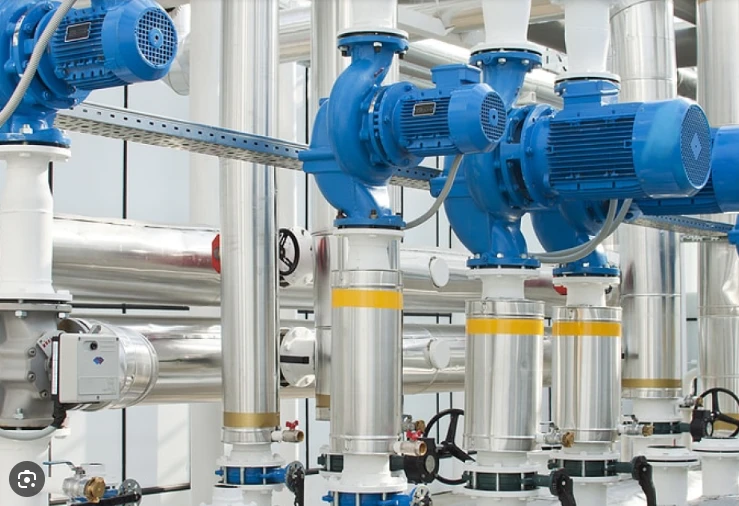
Vertical pipeline centrifugal fire pumps represent a critical component in fixed fire protection systems, particularly within high-rise buildings, industrial complexes, and infrastructure projects demanding reliable water delivery at significant heights. Unlike horizontally oriented pumps, vertical inline designs minimize footprint and simplify installation within vertical risers. These pumps operate by imparting kinetic energy to a fluid, typically water, converting it into pressure energy for effective fire suppression. Their application is dictated by stringent industry standards (NFPA 20 being paramount) and governed by complex hydraulic calculations to ensure adequate flow and pressure at the highest and most remote sprinkler heads. The selection process necessitates careful consideration of system demand, fluid characteristics, motor specifications, and long-term lifecycle costs. A primary industry pain point revolves around maintaining consistent performance under fluctuating power supply conditions and preventing cavitation due to inadequate net positive suction head available (NPSHA).
Material Science & Manufacturing
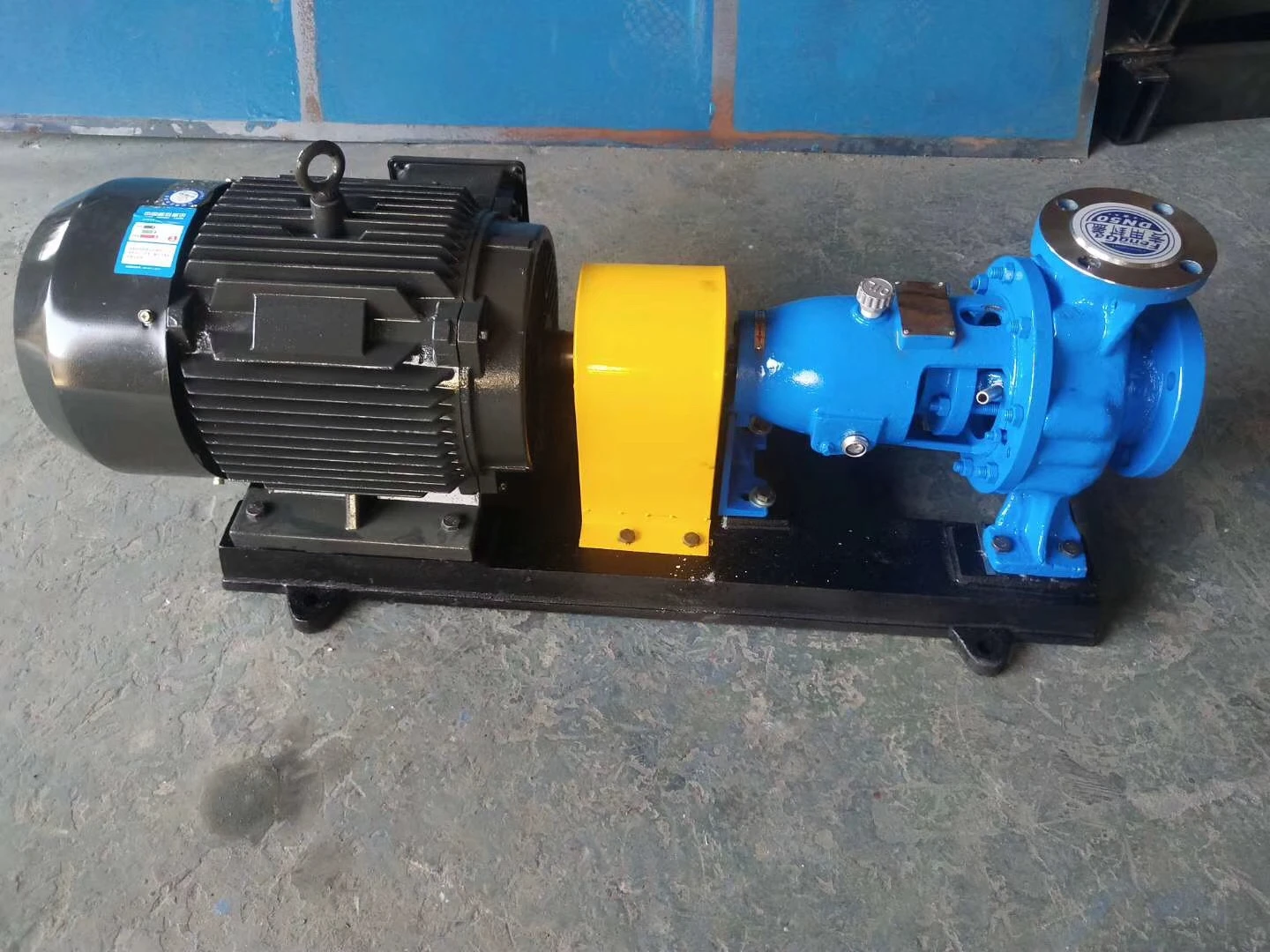
The construction of vertical pipeline centrifugal fire pumps relies heavily on materials capable of withstanding corrosive environments, high pressures, and elevated temperatures. Pump casings are typically manufactured from cast iron (ASTM A48 Class 30) for general applications, though ductile iron (ASTM A536 65-45-12) offers superior tensile strength and impact resistance, particularly for larger pumps. Impellers are commonly constructed from bronze (ASTM B584 Alloys 838 & 844) or stainless steel (316/316L – ASTM A743 Grade CF8M) to resist corrosion and erosion from the pumped fluid. Shafts are typically made from high-strength alloy steel (4140 or 4340) and hardened to prevent wear and fatigue. Mechanical seals, crucial for preventing leakage, utilize materials like silicon carbide (SiC) against carbon or ceramic faces, selected based on fluid compatibility and temperature. The manufacturing process often involves precision casting, machining, and welding (SMAW, GTAW adhering to AWS D1.1). Critical parameters such as impeller balancing (ISO 1940-1) and casing dimensional accuracy are rigorously controlled to minimize vibration and ensure efficient operation. Post-manufacturing, coatings like epoxy or fusion-bonded epoxy (FBE) are frequently applied to further enhance corrosion resistance, especially in potable water systems. A key manufacturing challenge lies in maintaining concentricity between the shaft and casing to prevent seal failure and bearing wear.
Performance & Engineering
Performance of vertical pipeline centrifugal fire pumps is fundamentally governed by the principles of fluid dynamics. Pump curves, generated through hydraulic testing (Hydraulic Institute Standards), illustrate the relationship between flow rate, head (pressure), and efficiency. Force analysis involves evaluating static and dynamic loads on the pump components, including impeller, shaft, and casing. Bearing life calculations (ISO 281) are critical for ensuring long-term reliability. Environmental resistance is paramount, requiring pumps to operate reliably in a wide temperature range and withstand potential exposure to humidity, dust, and corrosive atmospheres. Compliance with NFPA 20 necessitates rigorous testing to demonstrate performance under various conditions, including minimum and maximum system pressures. Engineering considerations include selecting appropriate motor horsepower (NEMA MG 1), considering system friction losses, and ensuring adequate NPSHA to prevent cavitation. Cavitation, a major concern, arises when the absolute pressure at the impeller inlet falls below the vapor pressure of the fluid, forming vapor bubbles that collapse and damage the impeller. Proper system design, including adequate suction piping and minimizing elevation differences, is essential to mitigate this risk. Furthermore, vibration analysis (ISO 10816) is routinely performed to detect potential mechanical issues and prevent catastrophic failures.
Technical Specifications
| Flow Rate (GPM) | Head (ft) | Motor Horsepower (HP) | NPSHA Required (ft) |
|---|---|---|---|
| 150 | 100 | 10 | 20 |
| 300 | 150 | 20 | 25 |
| 500 | 200 | 30 | 30 |
| 750 | 250 | 40 | 35 |
| 1000 | 300 | 50 | 40 |
| 1500 | 350 | 75 | 45 |
Failure Mode & Maintenance
Common failure modes in vertical pipeline centrifugal fire pumps include bearing failure, mechanical seal leakage, impeller erosion, cavitation damage, and motor winding burnout. Bearing failure often stems from inadequate lubrication, misalignment, or excessive vibration. Mechanical seal leakage can result from seal wear, improper installation, or fluid incompatibility. Impeller erosion is typically caused by abrasive particles in the pumped fluid, while cavitation damage occurs due to insufficient NPSHA. Motor winding burnout is frequently linked to overloading, voltage imbalances, or overheating. Preventive maintenance is crucial for extending pump life and ensuring reliable operation. Regular inspections should include checking bearing lubrication levels, seal condition, motor winding insulation resistance (IEEE 43), and overall pump vibration levels. Routine maintenance tasks include flushing the pump casing to remove debris, lubricating bearings, and replacing worn seals. Failure analysis, utilizing techniques like visual inspection, dye penetrant testing (ASTM E165), and metallographic examination (ASTM E3), is essential for determining the root cause of failures and implementing corrective actions. A robust maintenance program, adhering to manufacturer recommendations and industry best practices, significantly reduces the risk of unexpected downtime and ensures system readiness.
Industry FAQ
Q: What is the significance of NPSHA and how can it be ensured?
A: Net Positive Suction Head Available (NPSHA) is the absolute pressure at the pump suction, minus the vapor pressure of the liquid. It must exceed the Net Positive Suction Head Required (NPSHR) by a sufficient margin to prevent cavitation. Ensuring adequate NPSHA involves minimizing suction lift, increasing suction pipe diameter, reducing fluid temperature, and ensuring sufficient system pressure.
Q: How does the impeller material affect pump performance and longevity?
A: Impeller material selection directly impacts corrosion resistance, erosion resistance, and overall pump efficiency. Bronze impellers are suitable for clean water applications, while stainless steel offers superior corrosion resistance in more aggressive fluids. Choosing the right material extends pump life and minimizes maintenance.
Q: What are the key considerations when selecting a motor for a fire pump?
A: Motor selection must account for the pump's horsepower requirements, voltage and frequency compatibility, enclosure type (typically NEMA 4 or higher for fire pump applications), and duty cycle. Motors should be approved for fire pump service and meet relevant safety standards.
Q: What is the role of a pressure-maintaining valve (PMV) in a fire pump system?
A: The Pressure-Maintaining Valve (PMV) maintains a constant discharge pressure in the fire sprinkler system, ensuring adequate water delivery even when demand fluctuates. It prevents pressure surges and maintains system integrity.
Q: How frequently should routine maintenance be performed on a vertical fire pump?
A: Routine maintenance should be performed at least annually, and more frequently in harsh environments. This includes visual inspection, lubrication, seal checks, and vibration analysis. Following the manufacturer's recommendations is critical.
Conclusion
Vertical pipeline centrifugal fire pumps are integral components of modern fire protection systems, demanding a nuanced understanding of fluid dynamics, material science, and engineering principles. Proper pump selection, installation, and maintenance are paramount to ensuring reliable fire suppression capabilities and minimizing the risk of system failures. Addressing the core industry pain points of cavitation prevention, corrosion mitigation, and maintaining consistent performance under varying conditions requires a holistic approach encompassing system design, material selection, and a robust preventive maintenance program.
Future advancements in fire pump technology are likely to focus on improved monitoring and diagnostic capabilities, utilizing sensors and data analytics to predict potential failures and optimize performance. The integration of variable frequency drives (VFDs) will enable more efficient operation and reduced energy consumption. Continued research into advanced materials and coatings will further enhance corrosion resistance and extend pump lifespan, ultimately reducing lifecycle costs and improving system reliability.
-
Precision at the Pump: How Better Machining Protects Flow and Uptime
News2026-11-20
-
Why Pump Reliability Begins Before the First Drop of Fluid
News2026-11-20
-
Beyond the Pump: Designing Safer Access Around Critical Water Infrastructure
News2026-11-20
-
Why Pumping Stations Depend on the Infrastructure Beneath the Pumps
News2026-11-20
-
Beyond the Pump Room: How Smarter Loading Protects Industrial Equipment
News2026-11-19
-
When Pumps Stop: Designing More Resilient Power for Critical Pumping Systems
News2026-11-19
-
The Hidden Role of Dust and Gas Monitoring in Reliable Pump Operations
News2026-11-19
-
The Hidden Role of Mineral Compounds in Extending Industrial Pump Lifespan
News2026-10-12
-
Why Pump System Reliability Depends on Precision Hose Assembly Methods
News2026-09-15
-
How Advanced Imaging Films Are Transforming Pump Component Quality Control
News2026-08-25
-
How Advanced Filtration Protects Pump Systems from Premature Wear and Costly Downtime
News2026-08-25
-
How Steel Material Selection Drives Pump Reliability in Heavy-Duty Systems
News2026-08-25
-
Ensuring Pump System Efficiency: The Role of High-Quality Pipe Fittings and Tubing
News2026-08-24
-
Optimizing Fluid Dynamics and Material Consistency in Industrial Processing
News2026-08-18
-
Innovations and Challenges in Hydraulic Systems for Heavy Machinery
News2026-08-13




