English
- Afrikaans
- Albanian
- Amharic
- Arabic
- Armenian
- Azerbaijani
- Basque
- Belarusian
- Bengali
- Bosnian
- Bulgarian
- Catalan
- Cebuano
- Corsican
- Croatian
- Czech
- Danish
- Dutch
- English
- Esperanto
- Estonian
- Finnish
- French
- Frisian
- Galician
- Georgian
- German
- Greek
- Gujarati
- Haitian Creole
- hausa
- hawaiian
- Hebrew
- Hindi
- Miao
- Hungarian
- Icelandic
- igbo
- Indonesian
- irish
- Italian
- Japanese
- Javanese
- Kannada
- kazakh
- Khmer
- Rwandese
- Korean
- Kurdish
- Kyrgyz
- Lao
- Latin
- Latvian
- Lithuanian
- Luxembourgish
- Macedonian
- Malgashi
- Malay
- Malayalam
- Maltese
- Maori
- Marathi
- Mongolian
- Myanmar
- Nepali
- Norwegian
- Norwegian
- Occitan
- Pashto
- Persian
- Polish
- Portuguese
- Punjabi
- Romanian
- Russian
- Samoan
- Scottish Gaelic
- Serbian
- Sesotho
- Shona
- Sindhi
- Sinhala
- Slovak
- Slovenian
- Somali
- Spanish
- Sundanese
- Swahili
- Swedish
- Tagalog
- Tajik
- Tamil
- Tatar
- Telugu
- Thai
- Turkish
- Turkmen
- Ukrainian
- Urdu
- Uighur
- Uzbek
- Vietnamese
- Welsh
- Bantu
- Yiddish
- Yoruba
- Zulu

Telephone: +86 13120555503
Email: frank@cypump.com


Apr . 01, 2024 17:55 Back to list
top rated sewage pumps Performance Engineering
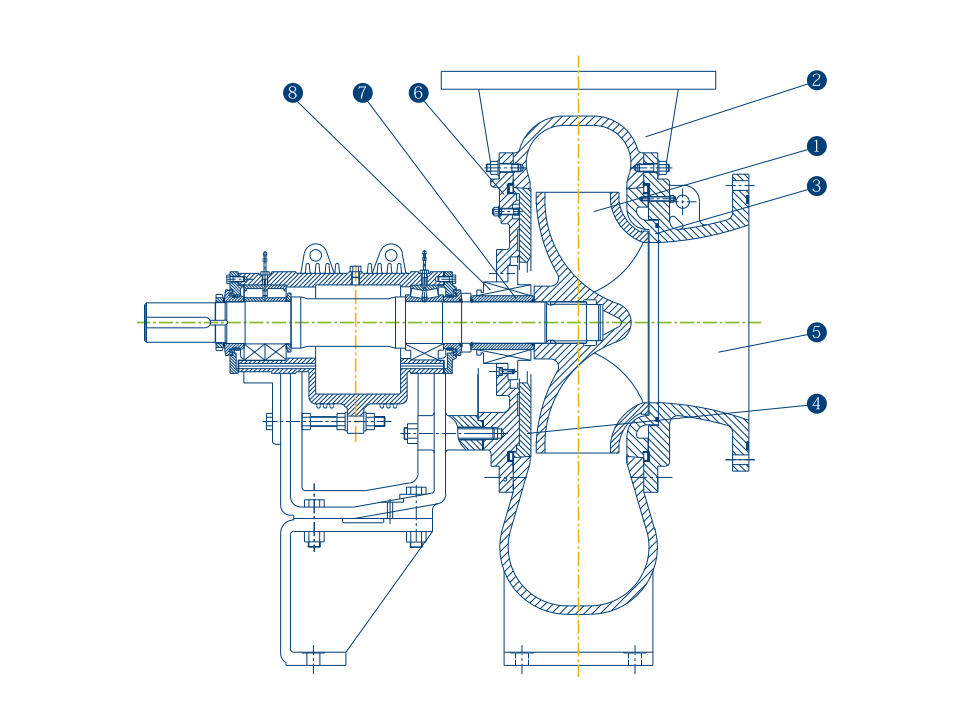
Introduction
Submersible sewage pumps are critical components in wastewater management systems, facilitating the transfer of residential, commercial, and industrial effluent. Their technical position lies within the broader pump industry, specifically addressing the challenges posed by solids-laden fluids. Unlike centrifugal pumps designed for clean liquids, sewage pumps incorporate specialized impeller designs and robust construction to handle abrasive and shear-sensitive materials. Core performance characteristics include flow rate (typically measured in gallons per minute or liters per second), head (the maximum height the pump can lift the fluid, measured in feet or meters), solids handling capability (expressed as sphere diameter in millimeters or inches), and pump efficiency (percentage of input power converted to hydraulic energy). The industry's primary pain points center on pump wear from abrasive solids, clogging, corrosion from aggressive wastewater components, and the need for reliable operation to prevent system failures and environmental contamination. Top rated sewage pumps differentiate themselves through advanced hydraulic design, materials selection, and intelligent control systems.
Material Science & Manufacturing
The construction of top rated sewage pumps relies heavily on specific material properties to withstand the harsh operating environment. Pump housings are frequently constructed from cast iron (ASTM A48 Class 30 or equivalent), offering a balance of cost-effectiveness and strength. However, for increased corrosion resistance in aggressive wastewater, ductile iron (ASTM A536 Grade 65-45-12) and stainless steel (304, 316, or duplex stainless steels like 2205) are utilized. Impellers are often manufactured from high-chrome cast iron (typically with 15-28% chromium) to resist abrasive wear. Shafts are typically made from high-strength alloy steel (4140 or 4340) and hardened to prevent fatigue failure. Seals are critical; silicon carbide mechanical seals are prevalent due to their exceptional wear resistance and chemical compatibility. Manufacturing processes include sand casting for housings, investment casting or centrifugal casting for impellers, and precision machining for shafts and close-tolerance components. Welding is used extensively, requiring stringent quality control (AWS D1.1 standards) to ensure structural integrity. Parameter control during manufacturing includes dimensional accuracy verification using Coordinate Measuring Machines (CMMs), non-destructive testing (NDT) methods such as ultrasonic testing (UT) and radiographic testing (RT) to identify internal flaws, and hydrostatic testing to verify housing pressure capacity.
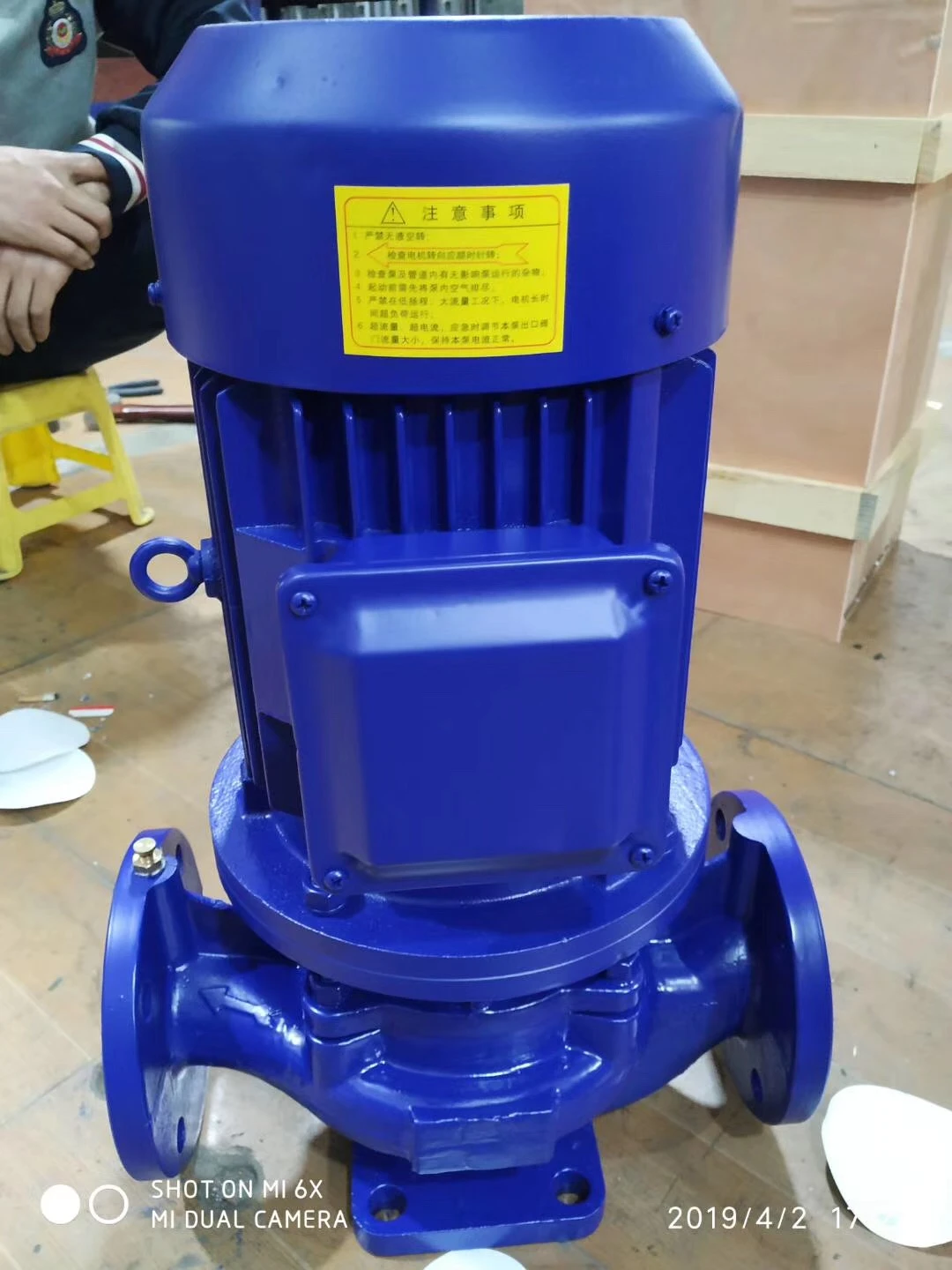
Performance & Engineering
Performance engineering of sewage pumps requires a detailed understanding of fluid dynamics and mechanical stress analysis. Impeller design is paramount; non-clog impellers, often featuring recessed or open-channel designs, are employed to minimize the risk of blockage by solids. Hydraulic design considers factors such as impeller diameter, blade angle, and volute geometry to optimize flow rate and head. Force analysis involves calculating stresses on the impeller, shaft, and housing due to hydraulic forces, centrifugal forces, and bearing loads. Finite Element Analysis (FEA) is commonly used to validate structural integrity and identify potential failure points. Environmental resistance is crucial, necessitating consideration of temperature extremes, humidity, and chemical exposure. Pumps must comply with relevant standards regarding motor efficiency (IEEE 841), electrical safety (UL 508A, CSA C22.2 No. 14), and environmental protection (IP68 ingress protection rating). Functional implementation includes control systems for automatic pump operation based on liquid level sensors, variable frequency drives (VFDs) for energy optimization, and alarm systems to indicate pump failures. Cavitation, a major concern, is mitigated through proper pump sizing and NPSH (Net Positive Suction Head) calculations according to Hydraulic Institute standards.
Technical Specifications
| Parameter | Unit | Typical Range (Standard Duty) | Typical Range (Heavy Duty) |
|---|---|---|---|
| Flow Rate | GPM (Gallons per Minute) | 20-100 | 100-500 |
| Total Head | ft (Feet) | 10-50 | 50-150 |
| Solids Handling Capability | in (Inches) | 2-3 | 3-6 |
| Motor Power | HP (Horsepower) | 1-5 | 5-20 |
| Impeller Material | - | High-Chrome Cast Iron | Stainless Steel (304/316) |
| Housing Material | - | Cast Iron (A48 Class 30) | Ductile Iron (A536 65-45-12) |
Failure Mode & Maintenance
Sewage pumps are susceptible to several failure modes. Fatigue cracking in the impeller or shaft can occur due to cyclic loading. Delamination of impeller coatings (if applied) can reduce wear resistance. Corrosion, particularly pitting corrosion in stainless steel components exposed to chlorides, can weaken structural integrity. Abrasive wear, driven by the passage of solids, is a significant concern for impeller and housing materials. Bearing failure, caused by contamination, inadequate lubrication, or excessive load, is a common issue. Clogging, stemming from large debris or rag accumulation, can stall the pump and lead to motor overload. Maintenance involves regular inspection of seals, bearings, and impeller for wear. Preventative maintenance should include lubrication according to manufacturer’s specifications, monitoring of motor current and voltage, and periodic cleaning of the pump intake and discharge. For pumps experiencing frequent clogging, installation of a debris screen or macerator upstream of the pump is recommended. Failure analysis should include visual inspection, dimensional measurements, and material testing (hardness testing, metallography) to determine the root cause of the failure and inform future design or maintenance practices.
Industry FAQ
Q: What is the impact of wastewater composition on pump selection?
A: Wastewater composition significantly affects pump material selection. High sulfide content leads to corrosion of cast iron and necessitates the use of stainless steel or ductile iron. High abrasive solids require high-chrome iron impellers. The presence of oils, greases, and chemicals dictates the compatibility of seals and elastomers.
Q: How do you determine the appropriate pump size for a given application?
A: Pump sizing requires calculating the required flow rate and total dynamic head (TDH). Flow rate is determined by the wastewater generation rate and peak flow demands. TDH considers static head, friction losses in piping, and any pressure drop across filters or treatment units. Pump curves are used to select a pump that can deliver the required flow and head efficiently.
Q: What are the benefits of using variable frequency drives (VFDs) with sewage pumps?
A: VFDs allow for precise control of pump speed, optimizing energy consumption and reducing wear and tear. They also enable soft starting and stopping, minimizing water hammer and extending pump life. VFDs can adjust pump output to match varying flow demands, improving overall system efficiency.
Q: What are the key considerations for preventing pump cavitation?
A: Preventing cavitation requires ensuring adequate Net Positive Suction Head Available (NPSHa). NPSHa must be greater than the Net Positive Suction Head Required (NPSHr) specified by the pump manufacturer. This is achieved by minimizing suction lift, increasing tank water level, or reducing fluid temperature.
Q: How often should the pump seals be replaced?
A: Seal replacement frequency depends on the wastewater composition, solids content, and operating conditions. Typically, seals should be inspected annually and replaced when signs of wear, leakage, or reduced performance are observed. Preventative seal replacement every 2-3 years is a common practice in demanding applications.
Conclusion
Top rated sewage pumps are essential for reliable wastewater management, demanding careful consideration of material science, hydraulic design, and operational factors. The selection process should prioritize pumps constructed from corrosion-resistant materials, featuring robust impeller designs capable of handling solids, and incorporating advanced control systems for energy efficiency and operational longevity. Understanding potential failure modes and implementing proactive maintenance strategies are critical for maximizing pump lifespan and minimizing downtime.
Future advancements in sewage pump technology will likely focus on intelligent monitoring systems that predict potential failures, self-cleaning impeller designs to reduce clogging, and the integration of remote diagnostics for enhanced maintenance efficiency. Continued research and development in materials science will lead to more durable and corrosion-resistant pump components, further improving the reliability and sustainability of wastewater treatment systems.
-
Precision at the Pump: How Better Machining Protects Flow and Uptime
News2026-11-20
-
Why Pump Reliability Begins Before the First Drop of Fluid
News2026-11-20
-
Beyond the Pump: Designing Safer Access Around Critical Water Infrastructure
News2026-11-20
-
Why Pumping Stations Depend on the Infrastructure Beneath the Pumps
News2026-11-20
-
Beyond the Pump Room: How Smarter Loading Protects Industrial Equipment
News2026-11-19
-
When Pumps Stop: Designing More Resilient Power for Critical Pumping Systems
News2026-11-19
-
The Hidden Role of Dust and Gas Monitoring in Reliable Pump Operations
News2026-11-19
-
The Hidden Role of Mineral Compounds in Extending Industrial Pump Lifespan
News2026-10-12
-
Why Pump System Reliability Depends on Precision Hose Assembly Methods
News2026-09-15
-
How Advanced Imaging Films Are Transforming Pump Component Quality Control
News2026-08-25
-
How Advanced Filtration Protects Pump Systems from Premature Wear and Costly Downtime
News2026-08-25
-
How Steel Material Selection Drives Pump Reliability in Heavy-Duty Systems
News2026-08-25
-
Ensuring Pump System Efficiency: The Role of High-Quality Pipe Fittings and Tubing
News2026-08-24
-
Optimizing Fluid Dynamics and Material Consistency in Industrial Processing
News2026-08-18
-
Innovations and Challenges in Hydraulic Systems for Heavy Machinery
News2026-08-13




