English
- Afrikaans
- Albanian
- Amharic
- Arabic
- Armenian
- Azerbaijani
- Basque
- Belarusian
- Bengali
- Bosnian
- Bulgarian
- Catalan
- Cebuano
- Corsican
- Croatian
- Czech
- Danish
- Dutch
- English
- Esperanto
- Estonian
- Finnish
- French
- Frisian
- Galician
- Georgian
- German
- Greek
- Gujarati
- Haitian Creole
- hausa
- hawaiian
- Hebrew
- Hindi
- Miao
- Hungarian
- Icelandic
- igbo
- Indonesian
- irish
- Italian
- Japanese
- Javanese
- Kannada
- kazakh
- Khmer
- Rwandese
- Korean
- Kurdish
- Kyrgyz
- Lao
- Latin
- Latvian
- Lithuanian
- Luxembourgish
- Macedonian
- Malgashi
- Malay
- Malayalam
- Maltese
- Maori
- Marathi
- Mongolian
- Myanmar
- Nepali
- Norwegian
- Norwegian
- Occitan
- Pashto
- Persian
- Polish
- Portuguese
- Punjabi
- Romanian
- Russian
- Samoan
- Scottish Gaelic
- Serbian
- Sesotho
- Shona
- Sindhi
- Sinhala
- Slovak
- Slovenian
- Somali
- Spanish
- Sundanese
- Swahili
- Swedish
- Tagalog
- Tajik
- Tamil
- Tatar
- Telugu
- Thai
- Turkish
- Turkmen
- Ukrainian
- Urdu
- Uighur
- Uzbek
- Vietnamese
- Welsh
- Bantu
- Yiddish
- Yoruba
- Zulu

Telephone: +86 13120555503
Email: frank@cypump.com


Apr . 01, 2024 17:55 Back to list
top quality ch warman slurry pump supplier for reliable and efficient slurry handling
Introduction
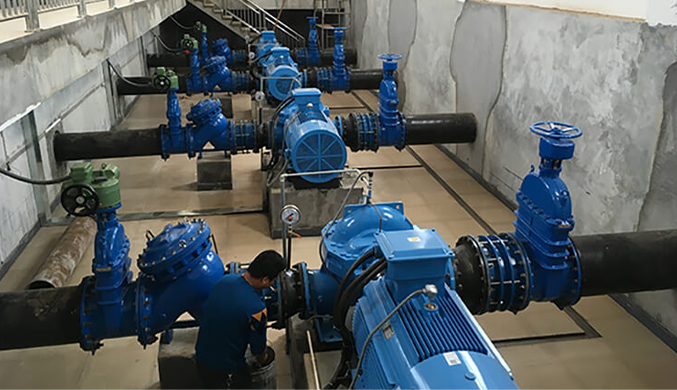
Centrifugal slurry pumps, specifically the CH Warman series, are critical components in numerous industrial processes handling abrasive and erosive materials. These pumps are designed for heavy-duty applications in mining, mineral processing, dredging, chemical processing, and wastewater treatment. Their robust construction and specialized impeller designs enable the efficient and reliable transfer of slurries – mixtures of liquid and solid particles. The performance of a slurry pump is judged on its ability to maintain flow rate and head pressure while minimizing wear and downtime. A reliable supplier, offering pumps constructed with appropriate materials and engineered for specific slurry characteristics, is paramount to operational efficiency and cost reduction. This guide details the material science, manufacturing processes, performance characteristics, potential failure modes, and maintenance protocols associated with high-quality CH Warman slurry pumps, outlining crucial factors for informed procurement and long-term operational success.
Material Science & Manufacturing
The core materials in a CH Warman slurry pump are selected for their resistance to abrasion, corrosion, and erosion. The pump casing is commonly manufactured from high-chromium cast iron (typically 27-30% chromium) offering excellent abrasion resistance. Impellers can be constructed from the same material, or from specialized alloys like High-Chrome White Iron (HCWI) for extreme abrasion applications, or stainless steels (304, 316) for corrosive environments. Liners, replaceable components within the casing, are frequently manufactured from rubber (natural rubber, synthetic rubber like EPDM) or polyurethane, providing cushioning and additional wear protection. Shafts are typically forged from alloy steels, hardened and tempered for high tensile strength and torsional rigidity. Seals are made from materials compatible with the slurry being pumped (e.g., Viton, PTFE). Manufacturing processes include sand casting for the casing and impeller, forging for the shaft, and rubber molding/casting for liners. Critical parameters during manufacturing include controlling the chromium carbide content in the cast iron, ensuring proper heat treatment of steel components to achieve desired hardness and toughness, and maintaining precise dimensional tolerances to ensure proper pump assembly and performance. Welding is utilized in some applications, requiring qualified welders and stringent quality control to prevent porosity and cracking. Non-destructive testing (NDT), such as radiographic inspection and ultrasonic testing, is routinely employed to verify the integrity of castings and welds.
Performance & Engineering
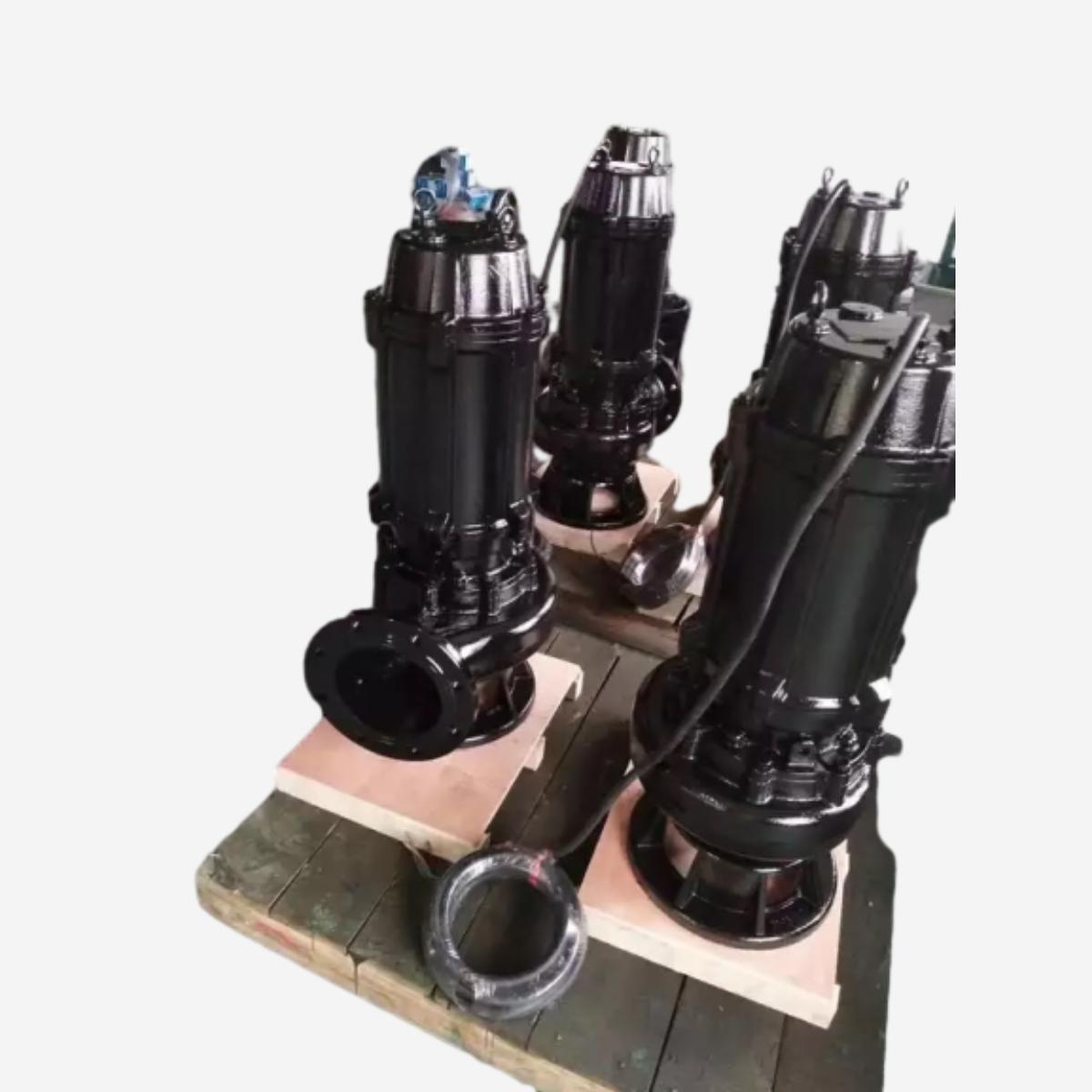
Slurry pump performance is characterized by its head-capacity curve, efficiency curve, and power consumption. The head (pressure) the pump can generate decreases as the flow rate increases. Engineers utilize pump curves provided by manufacturers to select a pump that meets the specific requirements of the application. Key performance considerations include solids handling capability (particle size and concentration), slurry density, and viscosity. Impeller design is crucial; different impeller geometries (e.g., closed, open, semi-open) are selected based on the slurry characteristics. Closed impellers are more efficient for low-solids slurries, while open or semi-open impellers are preferred for high-solids slurries to prevent clogging. Cavitation, a phenomenon where vapor bubbles form and collapse within the pump, is a significant concern. Proper Net Positive Suction Head Required (NPSHr) must be maintained to prevent cavitation, which can cause significant damage to the impeller. Environmental resistance is also critical; pumps operating in harsh environments must be protected from corrosion (through material selection and coatings) and extreme temperatures. Compliance requirements vary by region and industry (e.g., ISO 9001 for quality management, ATEX directives for explosion-proof pumps in hazardous environments). Force analysis, considering hydraulic forces, centrifugal forces, and bearing loads, is performed during the design phase to ensure structural integrity.
Technical Specifications
| Parameter | Unit | Typical CH Warman Pump Range | Material Options |
|---|---|---|---|
| Capacity | m³/hr | 10 – 1500 | Dependent on impeller diameter and speed |
| Head | m | 5 – 100 | Dependent on impeller diameter and speed |
| Solids Handling Size | mm | Up to 200 | Impeller design dictates maximum particle size |
| Slurry Concentration | % by weight | Up to 70 | Dependent on slurry properties and pump design |
| Casing Material | - | High-Chrome Cast Iron, Stainless Steel, Rubber-Lined | Selection based on slurry corrosivity |
| Impeller Material | - | High-Chrome White Iron, Rubber, Stainless Steel | Selection based on slurry abrasivity |
Failure Mode & Maintenance
Common failure modes in CH Warman slurry pumps include impeller wear, liner degradation, seal failure, and bearing failure. Impeller wear is primarily caused by abrasion from solid particles in the slurry. Liner degradation results from erosion and chemical attack. Seal failure leads to leakage and reduced pump efficiency. Bearing failure is often caused by inadequate lubrication, excessive loading, or contamination. Fatigue cracking can occur in the shaft or casing due to cyclic loading. Corrosion can weaken components, particularly in aggressive chemical environments. Regular maintenance is crucial to prevent these failures. This includes visual inspections for wear and damage, lubrication of bearings, replacement of worn liners and seals, and monitoring of pump performance (flow rate, head, power consumption). Vibration analysis can detect bearing issues early on. Preventive maintenance schedules should be established based on operating conditions and slurry characteristics. Failure analysis, including metallurgical examination of failed components, can help identify the root cause of failures and prevent recurrence. Proper storage of spare parts is also essential to minimize downtime.
Industry FAQ
Q: What is the best material selection for a slurry pump handling highly abrasive silica sand slurry?
A: For highly abrasive silica sand slurries, High-Chrome White Iron (HCWI) for the impeller is the optimal choice due to its exceptional abrasion resistance. The casing should be constructed from high-chromium cast iron or be rubber-lined to provide additional protection. Consider a replaceable rubber liner for increased service life and reduced maintenance costs.
Q: How can I mitigate the risk of cavitation in my slurry pump system?
A: Ensure the Net Positive Suction Head Available (NPSHa) is always greater than the Net Positive Suction Head Required (NPSHr). Reduce suction lift, increase suction pipe diameter, lower pump speed, and minimize frictional losses in the suction line. Proper impeller design also plays a role in cavitation prevention.
Q: What are the key considerations when selecting a slurry pump for a corrosive chemical application?
A: Material compatibility is paramount. Stainless steel (316) or specialized alloys like Hastelloy are often necessary. Consider the pH and temperature of the slurry, as well as the concentration of corrosive agents. Select seals and elastomers that are chemically resistant to the slurry.
Q: What is the typical lifespan of a rubber liner in a CH Warman slurry pump?
A: The lifespan of a rubber liner varies significantly depending on the slurry abrasivity, impact velocity, and rubber compound. Generally, rubber liners can last between 6 months to 2 years. Regular inspections are crucial to determine when replacement is necessary.
Q: What are the benefits of using a variable frequency drive (VFD) with a slurry pump?
A: A VFD allows for precise control of pump speed, optimizing performance for varying flow rate requirements. This can result in significant energy savings, reduced wear and tear on the pump, and improved process control. It can also help prevent clogging in high-solids applications.
Conclusion
The selection and maintenance of CH Warman slurry pumps require a thorough understanding of material science, hydraulic principles, and failure mechanisms. Choosing the correct materials based on slurry characteristics is critical for maximizing pump life and minimizing downtime. Implementing a robust preventative maintenance program, including regular inspections, lubrication, and component replacement, is essential for ensuring reliable operation. Ultimately, a holistic approach that considers the entire slurry system, from pump selection to operational parameters and maintenance practices, is vital for achieving optimal performance and cost-effectiveness.
Advancements in pump design and materials continue to improve the efficiency and durability of slurry pumps. Future trends include the development of more abrasion-resistant alloys, optimized impeller geometries, and intelligent monitoring systems that can predict failures before they occur. Collaboration between pump manufacturers and end-users is crucial for driving innovation and addressing the evolving challenges of slurry handling applications.
-
Precision at the Pump: How Better Machining Protects Flow and Uptime
News2026-11-20
-
Why Pump Reliability Begins Before the First Drop of Fluid
News2026-11-20
-
Beyond the Pump: Designing Safer Access Around Critical Water Infrastructure
News2026-11-20
-
Why Pumping Stations Depend on the Infrastructure Beneath the Pumps
News2026-11-20
-
Beyond the Pump Room: How Smarter Loading Protects Industrial Equipment
News2026-11-19
-
When Pumps Stop: Designing More Resilient Power for Critical Pumping Systems
News2026-11-19
-
The Hidden Role of Dust and Gas Monitoring in Reliable Pump Operations
News2026-11-19
-
The Hidden Role of Mineral Compounds in Extending Industrial Pump Lifespan
News2026-10-12
-
Why Pump System Reliability Depends on Precision Hose Assembly Methods
News2026-09-15
-
How Advanced Imaging Films Are Transforming Pump Component Quality Control
News2026-08-25
-
How Advanced Filtration Protects Pump Systems from Premature Wear and Costly Downtime
News2026-08-25
-
How Steel Material Selection Drives Pump Reliability in Heavy-Duty Systems
News2026-08-25
-
Ensuring Pump System Efficiency: The Role of High-Quality Pipe Fittings and Tubing
News2026-08-24
-
Optimizing Fluid Dynamics and Material Consistency in Industrial Processing
News2026-08-18
-
Innovations and Challenges in Hydraulic Systems for Heavy Machinery
News2026-08-13




