English
- Afrikaans
- Albanian
- Amharic
- Arabic
- Armenian
- Azerbaijani
- Basque
- Belarusian
- Bengali
- Bosnian
- Bulgarian
- Catalan
- Cebuano
- Corsican
- Croatian
- Czech
- Danish
- Dutch
- English
- Esperanto
- Estonian
- Finnish
- French
- Frisian
- Galician
- Georgian
- German
- Greek
- Gujarati
- Haitian Creole
- hausa
- hawaiian
- Hebrew
- Hindi
- Miao
- Hungarian
- Icelandic
- igbo
- Indonesian
- irish
- Italian
- Japanese
- Javanese
- Kannada
- kazakh
- Khmer
- Rwandese
- Korean
- Kurdish
- Kyrgyz
- Lao
- Latin
- Latvian
- Lithuanian
- Luxembourgish
- Macedonian
- Malgashi
- Malay
- Malayalam
- Maltese
- Maori
- Marathi
- Mongolian
- Myanmar
- Nepali
- Norwegian
- Norwegian
- Occitan
- Pashto
- Persian
- Polish
- Portuguese
- Punjabi
- Romanian
- Russian
- Samoan
- Scottish Gaelic
- Serbian
- Sesotho
- Shona
- Sindhi
- Sinhala
- Slovak
- Slovenian
- Somali
- Spanish
- Sundanese
- Swahili
- Swedish
- Tagalog
- Tajik
- Tamil
- Tatar
- Telugu
- Thai
- Turkish
- Turkmen
- Ukrainian
- Urdu
- Uighur
- Uzbek
- Vietnamese
- Welsh
- Bantu
- Yiddish
- Yoruba
- Zulu

Telephone: +86 13120555503
Email: frank@cypump.com


Apr . 01, 2024 17:55 Back to list
top high head slurry pump manufacturers for oem applications and performance analysis
Introduction
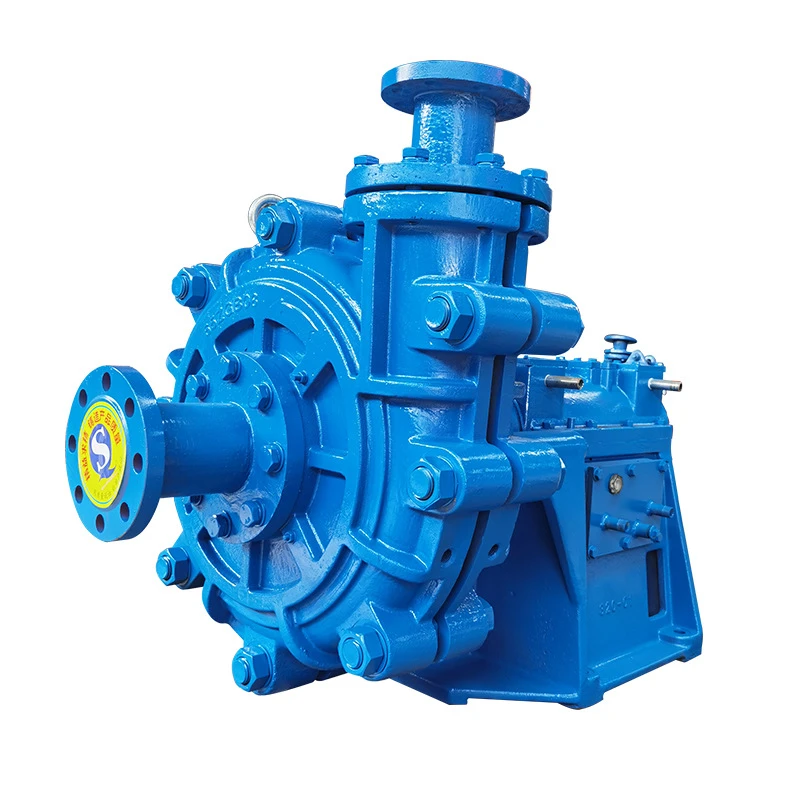
High head slurry pumps are critical components in numerous industrial processes involving the transport of abrasive and corrosive fluids. Primarily utilized in mining, dredging, heavy chemical processing, and wastewater treatment, these pumps are designed to deliver fluid over significant vertical distances – hence the “high head” designation. OEM (Original Equipment Manufacturer) applications require pumps that meet stringent performance, reliability, and materials specifications, as they are integral to larger, complex systems. The technical challenge lies in balancing high hydraulic efficiency with robust construction to withstand the harsh conditions inherent in slurry handling. Key performance indicators include head (measured in meters or feet), flow rate (m³/h or gpm), solids handling capability (percentage by weight and particle size), and pump efficiency. This guide provides an in-depth technical overview for procurement managers and engineers selecting high head slurry pumps for OEM integration, covering material science, manufacturing processes, performance characteristics, failure modes, and relevant industry standards. The focus is on understanding the intricacies that differentiate pump performance and lifespan, leading to informed decisions that minimize lifecycle costs.
Material Science & Manufacturing
The performance and longevity of a high head slurry pump are directly dependent on the material selection and manufacturing precision. Pump casings are typically constructed from high-chrome cast iron (typically 27% Cr), offering excellent abrasion resistance against solid particle impact. For highly corrosive slurries, duplex stainless steels (e.g., 2205, 2507) or even super duplex stainless steels are employed, balancing corrosion resistance with acceptable abrasion characteristics. Impellers, the most vulnerable component, often utilize similar materials, but may also incorporate specialized alloys like tungsten carbide tiles or ceramic coatings for extreme abrasion resistance. Shafts are generally forged from alloy steels (e.g., 4140, 4340) and hardened to resist bending and torsional stresses. Manufacturing processes vary depending on component complexity. Casings are typically produced using sand casting or investment casting for intricate geometries. Impellers may be cast, forged, or even machined from solid billet. Critical dimensional tolerances are maintained through precision machining and quality control procedures. Welding processes, when used for repairs or fabrication, must adhere to stringent standards (e.g., ASME Section IX) to ensure weld integrity and prevent failures due to stress corrosion cracking or fatigue. Rubber liners are frequently used in pump casings to provide cushioning and corrosion protection. The type of rubber (natural rubber, EPDM, neoprene) is selected based on the chemical compatibility with the slurry being handled. Parameter control during casting includes precise control of cooling rates to minimize residual stresses and achieve desired microstructure. Proper heat treatment is crucial for achieving the desired hardness and toughness in cast iron and steel components.
Performance & Engineering
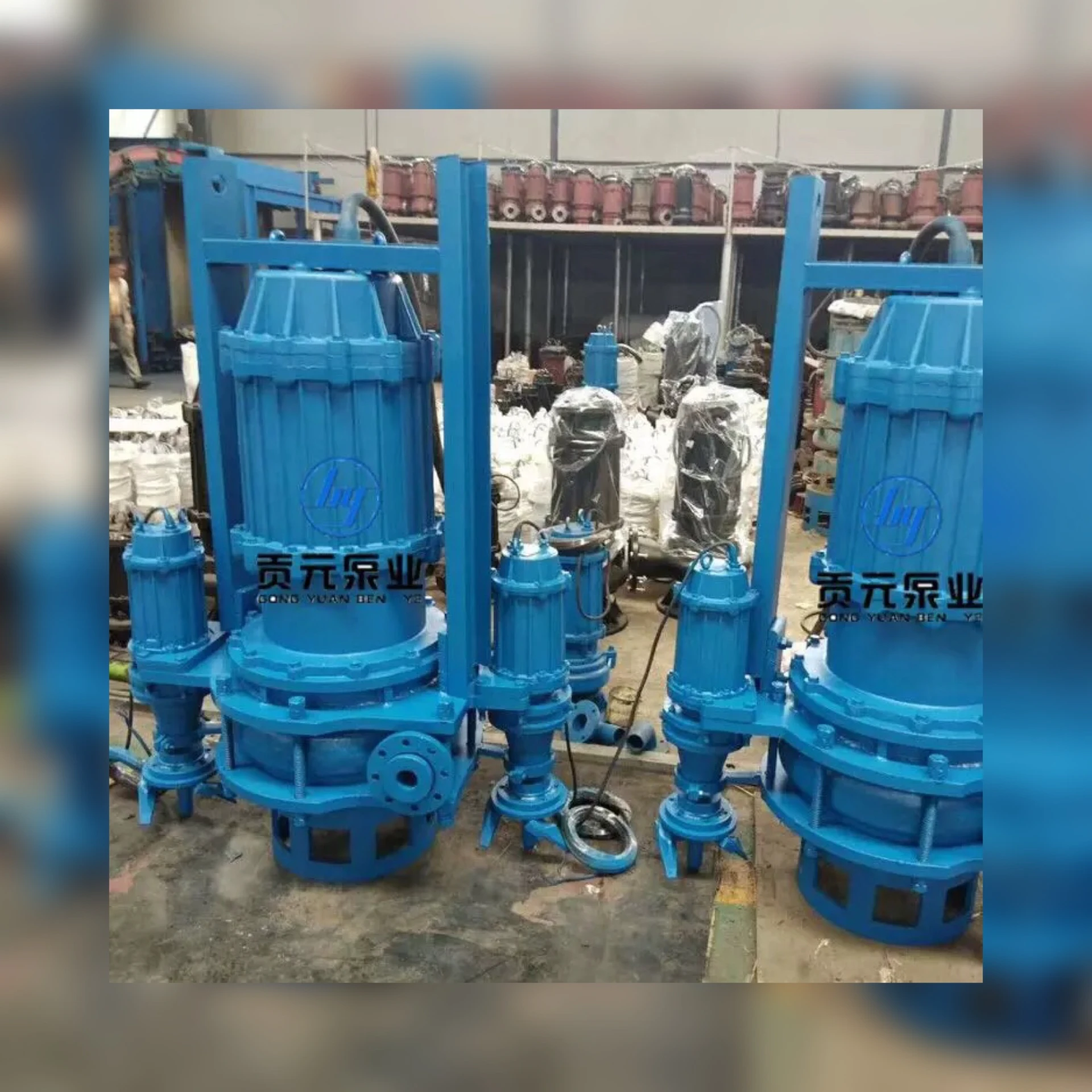
High head slurry pump performance is governed by fundamental hydraulic principles and engineering considerations. The pump’s head is determined by the impeller diameter, rotational speed, and the fluid’s density and viscosity. Higher heads necessitate smaller impeller passages, increasing susceptibility to blockage. Therefore, impeller design must balance head requirements with solids handling capability. Force analysis is critical in assessing component stresses. Centrifugal forces generated by the impeller impose significant loads on the shaft, bearings, and casing. Cavitation, a phenomenon where vapor bubbles form and collapse within the pump, is a significant concern, particularly at high speeds and with low net positive suction head available (NPSHa). Proper impeller design and adequate suction piping are essential to prevent cavitation damage. Environmental resistance is also paramount. Pumps operating outdoors must be protected from extreme temperatures, humidity, and UV exposure. Compliance requirements vary depending on the application and geographical location. For example, pumps used in potable water applications must comply with NSF/ANSI 61 standards. Pumps operating in hazardous environments may require ATEX or IECEx certification. Finite Element Analysis (FEA) is extensively used to optimize pump designs, predicting stress distributions and identifying potential failure points. Hydraulic Institute (HI) standards provide guidelines for pump testing and performance evaluation.
Technical Specifications
| Parameter | Unit | Typical Range (High Head Slurry Pump) | Testing Standard |
|---|---|---|---|
| Head | m | 50 - 500 | ISO 9906:2012 |
| Flow Rate | m³/h | 20 - 300 | ISO 9906:2012 |
| Solids Handling Size | mm | Up to 100 | Internal Testing |
| Solids Concentration (by weight) | % | Up to 70 | Internal Testing |
| Pump Efficiency | % | 60 - 80 | ISO 9906:2012 |
| Operating Temperature | °C | -40 to 150 | Material Specification |
Failure Mode & Maintenance
High head slurry pumps are susceptible to several failure modes. Abrasion is the most common, leading to impeller wear and reduced pump efficiency. Cavitation damage manifests as pitting on impeller vanes and casing surfaces. Corrosion attacks materials, weakening components and causing leaks. Fatigue cracking can occur in the shaft and casing due to cyclical loading. Bearing failure is often a result of improper lubrication or excessive loading. Failure analysis typically involves visual inspection, non-destructive testing (NDT) such as dye penetrant testing or ultrasonic testing, and metallographic examination to identify the root cause of failure. Preventative maintenance is crucial for maximizing pump lifespan. Regular inspection of wear components (impeller, liners) is essential. Proper lubrication of bearings is paramount. Monitoring vibration levels can indicate bearing wear or imbalance. Maintaining adequate suction head prevents cavitation. Periodically checking the pump alignment prevents excessive stress on the shaft and bearings. For severe abrasion, scheduled replacement of wear parts is necessary. Repair welding should only be performed by qualified welders following established procedures. Regular cleaning of pump casings prevents buildup of solids that can impede flow and accelerate wear.
Industry FAQ
Q: What is the impact of slurry composition on pump material selection?
A: Slurry composition dictates material selection. Highly abrasive slurries necessitate high-chrome cast iron or tungsten carbide coatings. Corrosive slurries require duplex or super duplex stainless steels. The combination of abrasion and corrosion demands specialized alloys or rubber linings. A detailed slurry analysis, including particle size distribution, solid concentration, and chemical composition, is essential for optimal material selection.
Q: How do I calculate the Net Positive Suction Head Available (NPSHa) and ensure it’s sufficient?
A: NPSHa is calculated based on the suction tank pressure, suction line losses, and vapor pressure of the fluid. It must always be greater than the Net Positive Suction Head Required (NPSHr) specified by the pump manufacturer. Insufficient NPSHa leads to cavitation. Increasing suction tank pressure, reducing suction line length, and using larger diameter suction piping can increase NPSHa.
Q: What are the key considerations when specifying a variable frequency drive (VFD) for a slurry pump?
A: VFDs allow for flow control and energy savings. However, careful consideration must be given to harmonic distortion and its impact on motor and pump life. Select a VFD specifically designed for motor duty and ensure proper grounding and shielding. Low-frequency operation can generate excessive motor heating, so adequate cooling may be required.
Q: How does impeller design affect pump efficiency and solids handling capability?
A: Impeller design is a critical trade-off between efficiency and solids handling. Open impellers are better for handling large solids but are less efficient. Closed impellers offer higher efficiency but are more prone to blockage. Semi-open impellers provide a compromise. Impeller vane angle and shape also influence performance.
Q: What are the implications of operating a slurry pump outside of its BEP (Best Efficiency Point)?
A: Operating outside the BEP leads to reduced pump efficiency, increased power consumption, and increased wear. It can also cause cavitation and vibration. Proper system design and pump selection are crucial to ensure operation near the BEP for optimal performance and lifespan.
Conclusion
Selecting the appropriate high head slurry pump for OEM applications requires a comprehensive understanding of material science, hydraulic principles, and potential failure modes. Prioritizing material selection based on slurry composition, conducting thorough force and cavitation analyses, and implementing a robust preventative maintenance program are essential for maximizing pump reliability and minimizing lifecycle costs. Adherence to relevant industry standards (ISO, ASME) and close collaboration with experienced pump manufacturers are crucial for successful integration.
Future advancements in pump technology will likely focus on developing more abrasion-resistant materials, optimizing impeller designs for improved efficiency and solids handling, and incorporating advanced monitoring and diagnostic systems for predictive maintenance. The increasing demand for sustainable solutions will also drive innovation in energy-efficient pump designs and the use of environmentally friendly materials.
-
Precision at the Pump: How Better Machining Protects Flow and Uptime
News2026-11-20
-
Why Pump Reliability Begins Before the First Drop of Fluid
News2026-11-20
-
Beyond the Pump: Designing Safer Access Around Critical Water Infrastructure
News2026-11-20
-
Why Pumping Stations Depend on the Infrastructure Beneath the Pumps
News2026-11-20
-
Beyond the Pump Room: How Smarter Loading Protects Industrial Equipment
News2026-11-19
-
When Pumps Stop: Designing More Resilient Power for Critical Pumping Systems
News2026-11-19
-
The Hidden Role of Dust and Gas Monitoring in Reliable Pump Operations
News2026-11-19
-
The Hidden Role of Mineral Compounds in Extending Industrial Pump Lifespan
News2026-10-12
-
Why Pump System Reliability Depends on Precision Hose Assembly Methods
News2026-09-15
-
How Advanced Imaging Films Are Transforming Pump Component Quality Control
News2026-08-25
-
How Advanced Filtration Protects Pump Systems from Premature Wear and Costly Downtime
News2026-08-25
-
How Steel Material Selection Drives Pump Reliability in Heavy-Duty Systems
News2026-08-25
-
Ensuring Pump System Efficiency: The Role of High-Quality Pipe Fittings and Tubing
News2026-08-24
-
Optimizing Fluid Dynamics and Material Consistency in Industrial Processing
News2026-08-18
-
Innovations and Challenges in Hydraulic Systems for Heavy Machinery
News2026-08-13




