English
- Afrikaans
- Albanian
- Amharic
- Arabic
- Armenian
- Azerbaijani
- Basque
- Belarusian
- Bengali
- Bosnian
- Bulgarian
- Catalan
- Cebuano
- Corsican
- Croatian
- Czech
- Danish
- Dutch
- English
- Esperanto
- Estonian
- Finnish
- French
- Frisian
- Galician
- Georgian
- German
- Greek
- Gujarati
- Haitian Creole
- hausa
- hawaiian
- Hebrew
- Hindi
- Miao
- Hungarian
- Icelandic
- igbo
- Indonesian
- irish
- Italian
- Japanese
- Javanese
- Kannada
- kazakh
- Khmer
- Rwandese
- Korean
- Kurdish
- Kyrgyz
- Lao
- Latin
- Latvian
- Lithuanian
- Luxembourgish
- Macedonian
- Malgashi
- Malay
- Malayalam
- Maltese
- Maori
- Marathi
- Mongolian
- Myanmar
- Nepali
- Norwegian
- Norwegian
- Occitan
- Pashto
- Persian
- Polish
- Portuguese
- Punjabi
- Romanian
- Russian
- Samoan
- Scottish Gaelic
- Serbian
- Sesotho
- Shona
- Sindhi
- Sinhala
- Slovak
- Slovenian
- Somali
- Spanish
- Sundanese
- Swahili
- Swedish
- Tagalog
- Tajik
- Tamil
- Tatar
- Telugu
- Thai
- Turkish
- Turkmen
- Ukrainian
- Urdu
- Uighur
- Uzbek
- Vietnamese
- Welsh
- Bantu
- Yiddish
- Yoruba
- Zulu

Telephone: +86 13120555503
Email: frank@cypump.com


Apr . 01, 2024 17:55 Back to list
Toilet Sewage Pump Performance Engineering
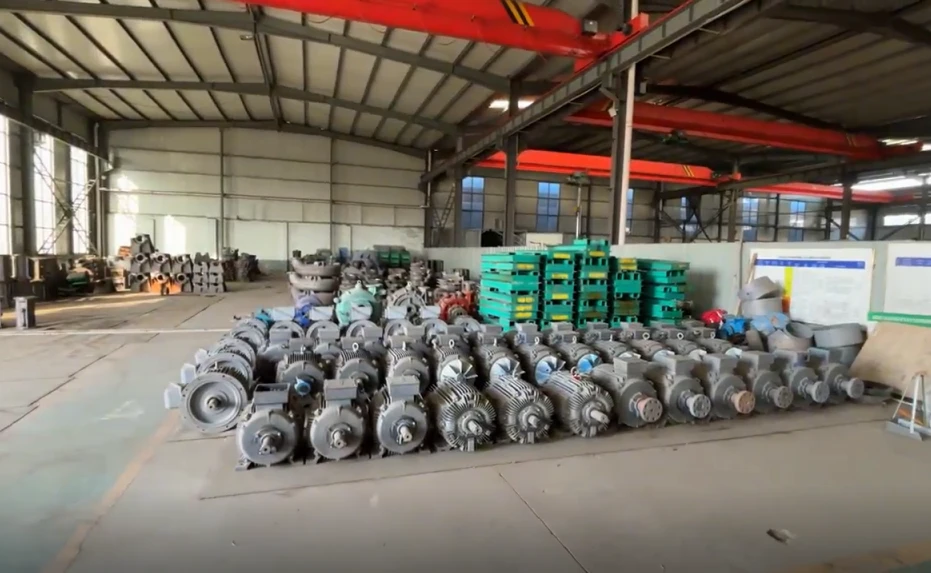
Introduction
Toilet sewage pumps are submersible centrifugal pumps specifically designed for the removal of macerated or non-macerated sewage and wastewater from residential, commercial, and industrial applications. Positioned within the wastewater management chain, these pumps bridge the gap between gravity-fed drainage systems and public sewer lines, or provide lift for systems where gravity flow is insufficient. Core performance characteristics revolve around efficient solids handling, reliable operation in harsh environments, and adherence to stringent discharge regulations. A key industry pain point is pump failure due to abrasive solids, corrosion from aggressive waste streams, and inadequate system design resulting in premature wear or blockage. The selection and implementation of appropriate pump materials, impeller design, and control systems are therefore critical to longevity and operational efficiency.
Material Science & Manufacturing
The construction of toilet sewage pumps relies heavily on materials resistant to corrosion and abrasion. Impellers and pump housings are frequently manufactured from high-grade cast iron (ASTM A48 Class 30) coated with epoxy or polyurethane to provide chemical resistance against hydrogen sulfide, chlorides, and other corrosive elements found in sewage. Shafts are typically constructed from stainless steel (AISI 4140 or equivalent) offering high tensile strength and corrosion resistance. Seals are crucial components, and commonly utilize silicon carbide mechanical seals, known for their hardness and resistance to wear and chemical attack. Manufacturing processes involve sand casting for the housing, precision machining for the impeller and shaft, and robotic welding for assembly. Key parameter control during manufacturing focuses on impeller balancing to minimize vibration and bearing wear, dimensional accuracy of components to ensure proper fit and sealing, and coating thickness uniformity for optimal corrosion protection. The choice of elastomer materials for seals and diaphragms impacts long-term reliability and resistance to degradation from chemical exposure.
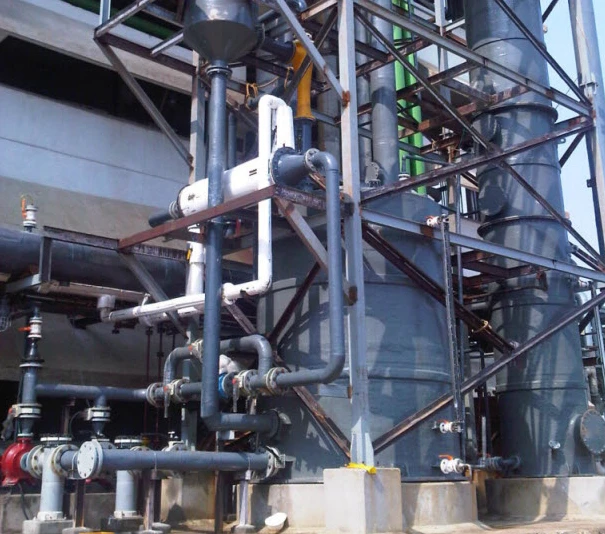
Performance & Engineering
Performance engineering of toilet sewage pumps centers on hydraulic design to maximize pumping efficiency and solids handling capability. Impeller geometry, specifically the vane angle and number, dictates flow rate and head pressure. A recessed or vortex impeller design is commonly employed to prevent clogging from fibrous materials and large solids. Force analysis considers both static and dynamic loads, including the weight of the pump, hydraulic thrust, and potential impact forces from solids. Environmental resistance is paramount; pumps must withstand continuous submersion in wastewater, often at elevated temperatures. Compliance requirements, such as those defined by NSF/ANSI 67 for residential wastewater treatment systems, dictate materials safety and discharge quality. Functional implementation requires careful consideration of the pump’s operating point (flow rate and head) relative to the system’s hydraulic profile. Proper sizing of the pump and discharge piping is essential to avoid cavitation, excessive wear, and reduced performance. Control systems, including float switches and pressure sensors, are integral to automatic operation and protection against dry running or overload conditions.
Technical Specifications
| Motor Power (HP) | Maximum Head (ft) | Maximum Flow Rate (GPM) | Solids Handling Capability (in) |
|---|---|---|---|
| 0.5 | 25 | 45 | 2 |
| 1 | 35 | 60 | 2.5 |
| 1.5 | 45 | 80 | 3 |
| 2 | 55 | 100 | 3.5 |
| 3 | 65 | 120 | 4 |
| 5 | 80 | 150 | 4.5 |
Failure Mode & Maintenance
Toilet sewage pump failures often stem from several key modes. Fatigue cracking can occur in the impeller or housing due to cyclical loading and stress concentrations, exacerbated by cavitation erosion. Delamination of epoxy or polyurethane coatings can lead to corrosion of the underlying cast iron, particularly in highly acidic or alkaline environments. Degradation of elastomer seals and diaphragms results in leakage and loss of pumping efficiency. Oxidation and corrosion of the motor windings can cause electrical failure. Abrasive wear from suspended solids leads to impeller erosion and reduced performance. Maintenance strategies include regular inspection of seals and bearings, flushing the pump to remove accumulated solids, and monitoring motor current to detect potential winding issues. Preventative maintenance schedules should be established based on operating hours and wastewater composition. For example, pumps handling high levels of grit or sand may require more frequent impeller inspection and replacement. Proper venting of the pump housing can mitigate the risk of corrosion by preventing the build-up of corrosive gases. Routine vibration analysis can also detect bearing wear or impeller imbalance before catastrophic failure occurs.
Industry FAQ
Q: What is the impact of wastewater temperature on pump lifespan?
A: Elevated wastewater temperatures accelerate the degradation of elastomer seals and can reduce the life of motor windings. Pumps operating in consistently high-temperature environments should be specified with high-temperature rated seals and motors, and cooling measures may be required.
Q: How does the specific gravity of the wastewater affect pump performance?
A: Increased specific gravity (due to high solids content) increases the hydraulic load on the pump, reducing flow rate and potentially increasing power consumption. Pumps should be sized appropriately to accommodate the expected wastewater density.
Q: What are the implications of using a non-submersible pump in a sewage application?
A: Non-submersible pumps are not designed to operate continuously submerged in wastewater and are susceptible to corrosion, electrical hazards, and reduced efficiency. They are generally unsuitable for sewage applications.
Q: How important is impeller material selection for abrasive wastewater?
A: Critically important. Impellers constructed from hardened stainless steel or abrasion-resistant alloys are essential for handling abrasive wastewater. Regular inspection and replacement of the impeller may be necessary to maintain performance.
Q: What is the role of a pump controller in a sewage lift station?
A: A pump controller automates pump operation based on liquid level, providing start/stop control, overload protection, and alarm functions. It also manages pump cycling to minimize wear and extend pump life.
Conclusion
Toilet sewage pumps are vital components of modern wastewater management systems, requiring careful consideration of material science, hydraulic design, and operational parameters. Selecting the appropriate pump for a specific application necessitates a thorough understanding of wastewater characteristics, system requirements, and potential failure modes. The long-term reliability and efficiency of these pumps depend on utilizing corrosion-resistant materials, implementing robust manufacturing processes, and adhering to stringent quality control standards.
Future advancements in sewage pump technology will likely focus on improved impeller designs for enhanced solids handling, more durable materials for increased lifespan, and intelligent control systems for optimized energy consumption and predictive maintenance. Integrating sensors and data analytics will enable proactive identification of potential failures, minimizing downtime and reducing maintenance costs. Continued adherence to evolving environmental regulations will also drive innovation in pump technology, promoting sustainable wastewater management practices.
-
Precision at the Pump: How Better Machining Protects Flow and Uptime
News2026-11-20
-
Why Pump Reliability Begins Before the First Drop of Fluid
News2026-11-20
-
Beyond the Pump: Designing Safer Access Around Critical Water Infrastructure
News2026-11-20
-
Why Pumping Stations Depend on the Infrastructure Beneath the Pumps
News2026-11-20
-
Beyond the Pump Room: How Smarter Loading Protects Industrial Equipment
News2026-11-19
-
When Pumps Stop: Designing More Resilient Power for Critical Pumping Systems
News2026-11-19
-
The Hidden Role of Dust and Gas Monitoring in Reliable Pump Operations
News2026-11-19
-
The Hidden Role of Mineral Compounds in Extending Industrial Pump Lifespan
News2026-10-12
-
Why Pump System Reliability Depends on Precision Hose Assembly Methods
News2026-09-15
-
How Advanced Imaging Films Are Transforming Pump Component Quality Control
News2026-08-25
-
How Advanced Filtration Protects Pump Systems from Premature Wear and Costly Downtime
News2026-08-25
-
How Steel Material Selection Drives Pump Reliability in Heavy-Duty Systems
News2026-08-25
-
Ensuring Pump System Efficiency: The Role of High-Quality Pipe Fittings and Tubing
News2026-08-24
-
Optimizing Fluid Dynamics and Material Consistency in Industrial Processing
News2026-08-18
-
Innovations and Challenges in Hydraulic Systems for Heavy Machinery
News2026-08-13




