English
- Afrikaans
- Albanian
- Amharic
- Arabic
- Armenian
- Azerbaijani
- Basque
- Belarusian
- Bengali
- Bosnian
- Bulgarian
- Catalan
- Cebuano
- Corsican
- Croatian
- Czech
- Danish
- Dutch
- English
- Esperanto
- Estonian
- Finnish
- French
- Frisian
- Galician
- Georgian
- German
- Greek
- Gujarati
- Haitian Creole
- hausa
- hawaiian
- Hebrew
- Hindi
- Miao
- Hungarian
- Icelandic
- igbo
- Indonesian
- irish
- Italian
- Japanese
- Javanese
- Kannada
- kazakh
- Khmer
- Rwandese
- Korean
- Kurdish
- Kyrgyz
- Lao
- Latin
- Latvian
- Lithuanian
- Luxembourgish
- Macedonian
- Malgashi
- Malay
- Malayalam
- Maltese
- Maori
- Marathi
- Mongolian
- Myanmar
- Nepali
- Norwegian
- Norwegian
- Occitan
- Pashto
- Persian
- Polish
- Portuguese
- Punjabi
- Romanian
- Russian
- Samoan
- Scottish Gaelic
- Serbian
- Sesotho
- Shona
- Sindhi
- Sinhala
- Slovak
- Slovenian
- Somali
- Spanish
- Sundanese
- Swahili
- Swedish
- Tagalog
- Tajik
- Tamil
- Tatar
- Telugu
- Thai
- Turkish
- Turkmen
- Ukrainian
- Urdu
- Uighur
- Uzbek
- Vietnamese
- Welsh
- Bantu
- Yiddish
- Yoruba
- Zulu

Telephone: +86 13120555503
Email: frank@cypump.com


Apr . 01, 2024 17:55 Back to list
supply wq/qw submersible sewage pump Performance Analysis
Introduction
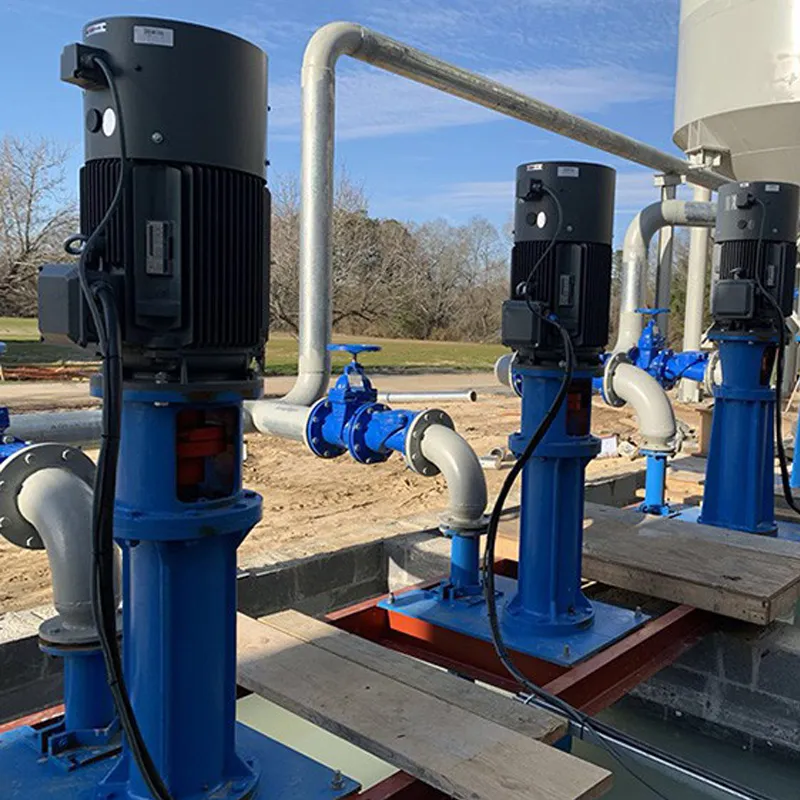
Submersible sewage pumps, specifically the WQ/QW series, represent a critical component in wastewater management infrastructure. These pumps are designed for the efficient and reliable transfer of raw sewage, effluent, and slurries in municipal and industrial applications. Positioned within the fluid stream, they eliminate the need for surface priming and associated suction lift limitations inherent in traditional pump designs. The WQ/QW series leverages centrifugal impeller technology, enclosed within a robust casing, to generate the necessary hydraulic head and flow rate for diverse wastewater conveyance tasks. Core performance characteristics – flow rate, head, power consumption, and solids handling capability – are determined by impeller design, motor power, and casing geometry. A key industry pain point is the premature failure of pumps due to abrasive wear, corrosion, and clogging, leading to costly downtime and maintenance. The WQ/QW series addresses these concerns through materials selection focused on durability and design features that minimize blockage potential. This guide provides an in-depth technical overview of these pumps, encompassing material science, manufacturing processes, performance parameters, failure modes, and relevant industry standards.
Material Science & Manufacturing
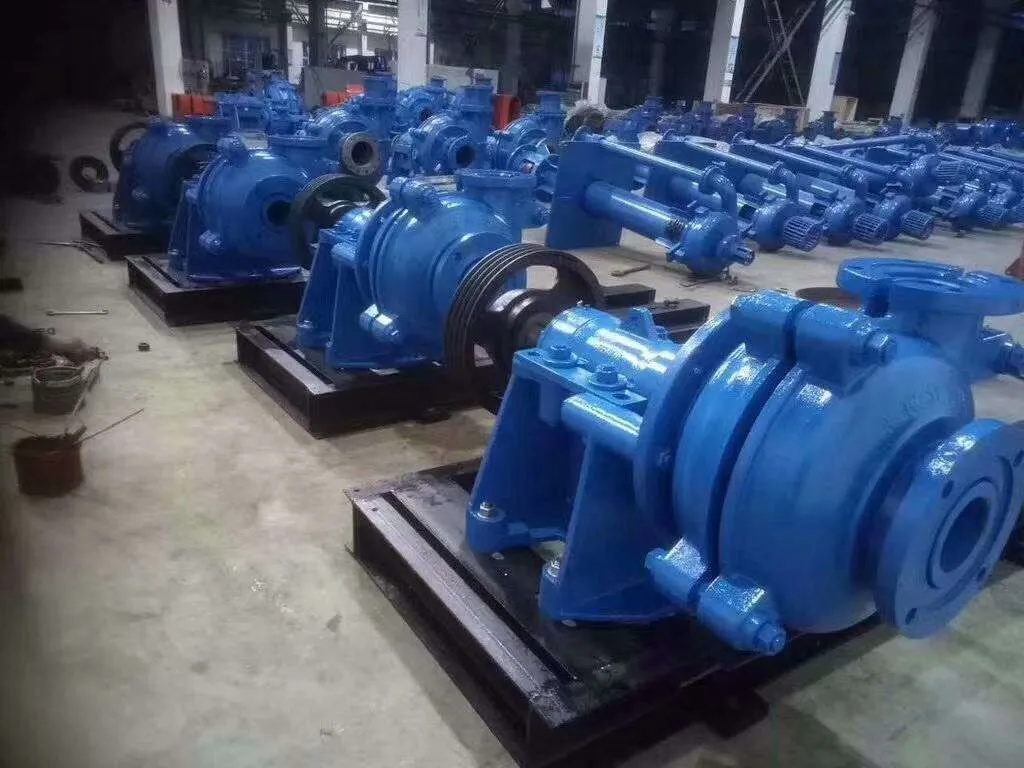
The construction of WQ/QW submersible sewage pumps necessitates materials resistant to the corrosive nature of wastewater and capable of withstanding continuous submerged operation. Key materials include cast iron (typically ASTM A48 Class 30 or equivalent, for pump casings and impellers), stainless steel (304 or 316, for impeller wear plates, shaft components, and fasteners), and specialized elastomers (nitrile rubber, EPDM, or Viton for seals and O-rings). Cast iron offers a cost-effective solution for structural components, but requires protective coatings (epoxy, paint) to mitigate corrosion. Stainless steel provides superior corrosion resistance, particularly in aggressive chemical environments. Elastomer selection depends on the specific chemical composition of the wastewater; nitrile is suitable for general applications, while EPDM and Viton offer enhanced resistance to oils, acids, and solvents. Manufacturing processes include sand casting for pump casings and impellers, investment casting for complex impeller geometries, CNC machining for precision components, and automated welding for robust assembly. Critical parameter control during manufacturing focuses on impeller balancing (to minimize vibration), casing dimensional accuracy (to ensure proper sealing), and weld quality (to prevent cracking). The pump shaft is typically made of high-strength alloy steel and undergoes heat treatment to achieve optimal tensile strength and wear resistance. Seals are a critical component; double mechanical seals with an oil barrier are commonly employed to prevent ingress of abrasive particles and maintain watertight integrity. Proper heat treatment of cast iron components is essential to achieve the required hardness and tensile strength, preventing premature wear and fracture.
Performance & Engineering
The performance of WQ/QW pumps is dictated by hydraulic design, motor characteristics, and system headloss. Key engineering considerations include pump curve analysis, net positive suction head required (NPSHr), and motor load calculations. Pump curves depict the relationship between flow rate, head, and efficiency, allowing for optimal pump selection based on application requirements. NPSHr is crucial to prevent cavitation, a phenomenon that can damage impellers and reduce pump performance. Motor load calculations ensure that the motor operates within its rated capacity, avoiding overheating and premature failure. Force analysis, including radial and axial thrust, is essential to design a robust shaft and bearing system. Environmental resistance is addressed through ingress protection (IP) ratings; WQ/QW pumps typically achieve IP68, indicating complete protection against dust and prolonged submersion. Compliance with relevant regulations, such as those pertaining to wastewater discharge and electrical safety, is paramount. The pump's impeller design is optimized for solids handling capability. Open-channel impellers are often employed to prevent clogging, while wear-resistant coatings extend impeller life in abrasive environments. The pump casing is designed to withstand the hydrostatic pressure at maximum operating depth. Variable Frequency Drives (VFDs) are frequently integrated to optimize energy consumption and control flow rate based on demand. Motor cooling is often achieved through oil-filled motor housings, providing efficient heat dissipation and preventing motor burnout.
Technical Specifications
| Parameter | Unit | WQ150/QW150 | WQ300/QW300 |
|---|---|---|---|
| Maximum Flow Rate | m³/h | 15 | 30 |
| Maximum Head | m | 20 | 35 |
| Motor Power | kW | 1.5 | 4.0 |
| Solids Handling Capacity | mm | 25 | 50 |
| Impeller Type | - | Vortex/Open | Vortex/Open |
| Casing Material | - | Cast Iron | Cast Iron |
Failure Mode & Maintenance
WQ/QW pumps are susceptible to several failure modes, including impeller wear, seal failure, motor burnout, and casing corrosion. Impeller wear is typically caused by abrasive particles in the wastewater, leading to erosion and reduced pump performance. Seal failure can result from abrasion, chemical attack, or improper installation, leading to leakage and potential motor damage. Motor burnout is often caused by overheating due to overload, inadequate cooling, or voltage fluctuations. Casing corrosion occurs due to the corrosive nature of wastewater, particularly in the absence of adequate protective coatings. Failure analysis should involve visual inspection for wear patterns, dimensional measurements to assess component degradation, and oil analysis to detect contaminants. Preventative maintenance is crucial to extend pump life. Regular inspection of seals, bearings, and motor windings is recommended. Lubrication of bearings according to manufacturer specifications is essential. Periodic cleaning of impellers and casings removes accumulated solids and prevents clogging. Protective coatings should be reapplied as needed to prevent corrosion. For motor issues, check power supply and voltage stability. Routine vibration analysis can detect early signs of bearing wear or impeller imbalance. Thorough flushing of the pump system before startup after maintenance is vital to remove debris and ensure proper operation. Implement a scheduled maintenance program based on operating hours and wastewater characteristics.
Industry FAQ
Q: What is the primary difference between WQ and QW series pumps?
A: The distinction lies in the impeller design. WQ pumps typically feature a vortex impeller, suited for handling larger solids and reducing clogging, while QW pumps utilize a more conventional impeller for higher efficiency in cleaner fluids. The choice depends on the specific wastewater composition.
Q: How do I determine the appropriate pump size for my application?
A: Pump sizing requires careful consideration of the system headloss (static lift + friction losses in piping), the desired flow rate, and the specific gravity of the fluid being pumped. A pump curve analysis should be conducted to ensure the selected pump operates within its optimal efficiency range.
Q: What are the common causes of reduced pump performance?
A: Reduced performance often stems from impeller wear, clogging, seal leakage, or motor issues. Regular inspection and maintenance are crucial to identify and address these problems promptly. Build-up of solids in the impeller or casing is also a frequent contributor.
Q: What type of electrical protection is recommended for submersible pumps?
A: Overload protection, short-circuit protection, and ground fault protection are essential. A dedicated circuit breaker should be used, and proper grounding is critical for safety. Variable Frequency Drives (VFDs) can provide additional protection and energy savings.
Q: How do I mitigate corrosion in the pump casing?
A: Applying epoxy coatings, using corrosion-resistant alloys (stainless steel), and implementing cathodic protection are effective strategies. Regular inspection and reapplication of coatings are crucial for long-term protection. Consider the chemical composition of the wastewater when selecting materials.
Conclusion
The WQ/QW submersible sewage pump series represents a robust and reliable solution for wastewater conveyance. Understanding the interplay of material science, manufacturing processes, and performance engineering is critical for optimal pump selection, operation, and maintenance. The inherent challenges of abrasive wear, corrosion, and clogging necessitate a proactive approach to preventative maintenance and failure analysis. Selecting appropriate materials, implementing robust sealing systems, and optimizing impeller design contribute to extended pump lifespan and reduced lifecycle costs.
Future advancements in this field are likely to focus on smart pump technologies, incorporating sensors and data analytics to optimize performance, predict failures, and reduce energy consumption. The integration of advanced materials, such as ceramic composites, will further enhance wear resistance and corrosion protection. Continued innovation in impeller designs will improve solids handling capabilities and reduce clogging potential. Furthermore, adherence to evolving environmental regulations will drive the development of more efficient and sustainable pumping solutions.
-
Precision at the Pump: How Better Machining Protects Flow and Uptime
News2026-11-20
-
Why Pump Reliability Begins Before the First Drop of Fluid
News2026-11-20
-
Beyond the Pump: Designing Safer Access Around Critical Water Infrastructure
News2026-11-20
-
Why Pumping Stations Depend on the Infrastructure Beneath the Pumps
News2026-11-20
-
Beyond the Pump Room: How Smarter Loading Protects Industrial Equipment
News2026-11-19
-
When Pumps Stop: Designing More Resilient Power for Critical Pumping Systems
News2026-11-19
-
The Hidden Role of Dust and Gas Monitoring in Reliable Pump Operations
News2026-11-19
-
The Hidden Role of Mineral Compounds in Extending Industrial Pump Lifespan
News2026-10-12
-
Why Pump System Reliability Depends on Precision Hose Assembly Methods
News2026-09-15
-
How Advanced Imaging Films Are Transforming Pump Component Quality Control
News2026-08-25
-
How Advanced Filtration Protects Pump Systems from Premature Wear and Costly Downtime
News2026-08-25
-
How Steel Material Selection Drives Pump Reliability in Heavy-Duty Systems
News2026-08-25
-
Ensuring Pump System Efficiency: The Role of High-Quality Pipe Fittings and Tubing
News2026-08-24
-
Optimizing Fluid Dynamics and Material Consistency in Industrial Processing
News2026-08-18
-
Innovations and Challenges in Hydraulic Systems for Heavy Machinery
News2026-08-13




