English
- Afrikaans
- Albanian
- Amharic
- Arabic
- Armenian
- Azerbaijani
- Basque
- Belarusian
- Bengali
- Bosnian
- Bulgarian
- Catalan
- Cebuano
- Corsican
- Croatian
- Czech
- Danish
- Dutch
- English
- Esperanto
- Estonian
- Finnish
- French
- Frisian
- Galician
- Georgian
- German
- Greek
- Gujarati
- Haitian Creole
- hausa
- hawaiian
- Hebrew
- Hindi
- Miao
- Hungarian
- Icelandic
- igbo
- Indonesian
- irish
- Italian
- Japanese
- Javanese
- Kannada
- kazakh
- Khmer
- Rwandese
- Korean
- Kurdish
- Kyrgyz
- Lao
- Latin
- Latvian
- Lithuanian
- Luxembourgish
- Macedonian
- Malgashi
- Malay
- Malayalam
- Maltese
- Maori
- Marathi
- Mongolian
- Myanmar
- Nepali
- Norwegian
- Norwegian
- Occitan
- Pashto
- Persian
- Polish
- Portuguese
- Punjabi
- Romanian
- Russian
- Samoan
- Scottish Gaelic
- Serbian
- Sesotho
- Shona
- Sindhi
- Sinhala
- Slovak
- Slovenian
- Somali
- Spanish
- Sundanese
- Swahili
- Swedish
- Tagalog
- Tajik
- Tamil
- Tatar
- Telugu
- Thai
- Turkish
- Turkmen
- Ukrainian
- Urdu
- Uighur
- Uzbek
- Vietnamese
- Welsh
- Bantu
- Yiddish
- Yoruba
- Zulu

Telephone: +86 13120555503
Email: frank@cypump.com


Apr . 01, 2024 17:55 Back to list
supply vertical submersible sewage pump Performance Analysis
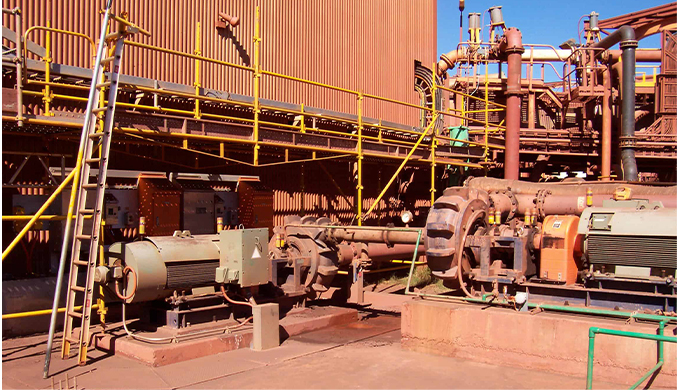
Introduction
Vertical submersible sewage pumps are centrifugal pumps specifically designed for the efficient and reliable removal of wastewater, sewage, and slurries. These pumps operate while fully submerged in the fluid being pumped, eliminating the need for priming and offering significant advantages in applications where suction lift is problematic. Positioned within the wastewater treatment industry chain, they represent a critical component following preliminary treatment (screening, grit removal) and preceding secondary treatment processes (biological treatment). Core performance characteristics are defined by flow rate (m³/hr), head (meters), motor power (kW), solids handling capability (mm), and pump efficiency (%). A primary industry pain point revolves around abrasion resistance – the corrosive nature of sewage often leads to premature impeller and volute wear, necessitating frequent maintenance and costly replacements. Selecting materials resistant to hydrogen sulfide and other corrosive elements is therefore paramount. This guide details the material science, manufacturing processes, performance analysis, failure modes, and maintenance protocols associated with supply vertical submersible sewage pumps.
Material Science & Manufacturing
The core materials utilized in vertical submersible sewage pump construction directly impact operational lifespan and performance. Pump casings are typically manufactured from cast iron (ASTM A48 Class 30) due to its cost-effectiveness and adequate strength. However, for highly corrosive environments, stainless steel (316L, meeting ASTM A743 Grade CF-8M) or ductile iron (ASTM A536-85) are preferred. Impellers, subject to significant abrasive wear, are commonly constructed from high-chromium cast iron (27% Cr), providing exceptional resistance to erosion and corrosion. Shafts utilize alloy steel (4140, conforming to ASTM A297) which is heat-treated for increased tensile strength and fatigue resistance. Seals are crucial; silicon carbide mechanical seals (meeting ISO 21064) are favored for their hardness and chemical inertness, resisting abrasive particle ingress. Manufacturing processes begin with sand casting for the casing and impeller. Impellers undergo precision machining to achieve accurate hydrofoil profiles. Shafts are forged, machined, and then heat-treated. Critical parameters during manufacturing include dimensional accuracy (controlled via coordinate measuring machines - CMM), material composition verification (using X-ray fluorescence - XRF), and non-destructive testing (NDT) such as ultrasonic testing (UT) and magnetic particle inspection (MPI) to detect internal flaws. Welding processes (SMAW, GTAW) are utilized for assembling components, requiring qualified welders adhering to AWS D1.1 standards. Proper heat treatment after welding is critical to prevent cracking and maintain material integrity.
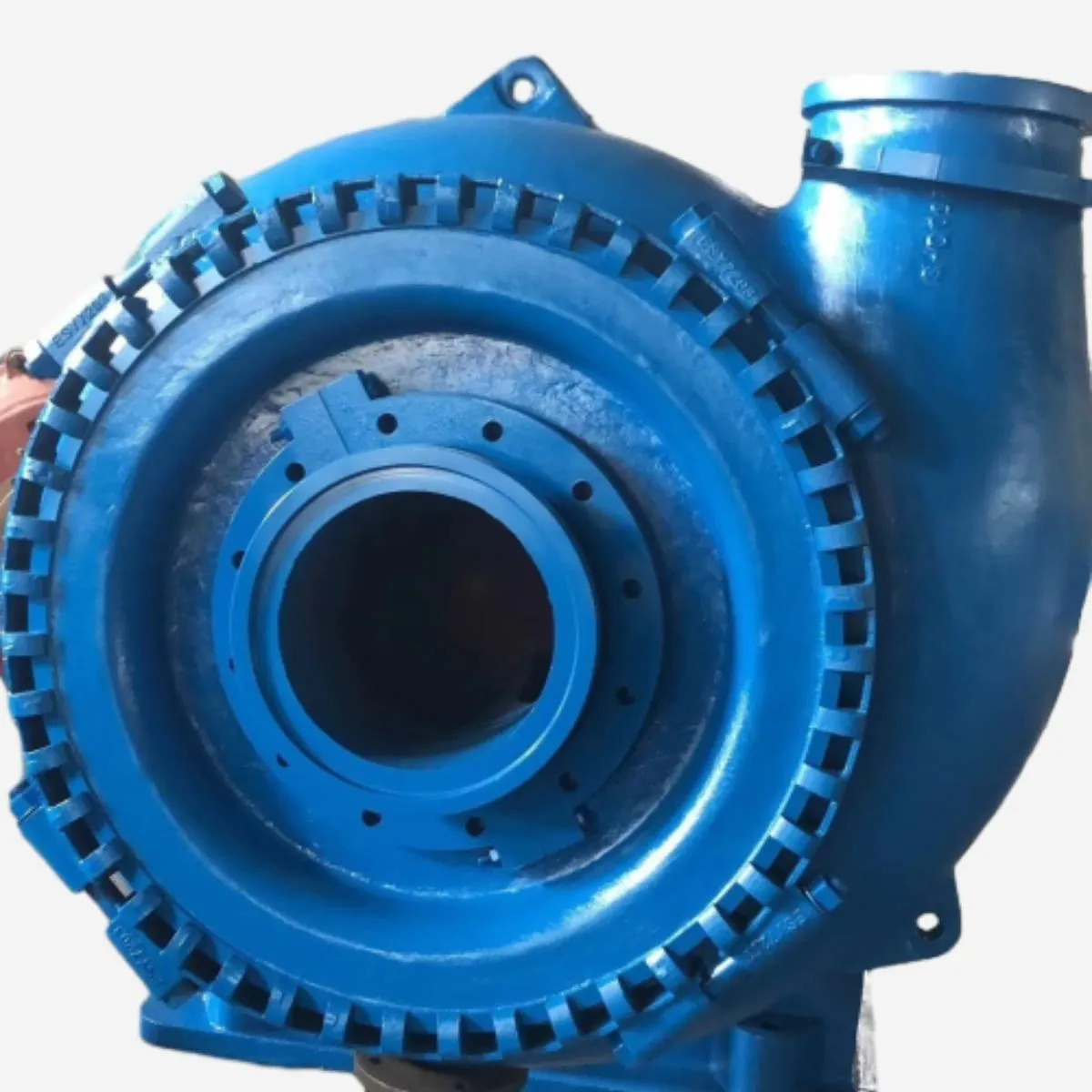
Performance & Engineering
Pump performance is dictated by hydraulic design, specifically impeller geometry and casing volute shape. Force analysis focuses on radial loads imparted by the impeller on the bearings, and axial thrust generated by unbalanced hydraulic pressure. Bearings (typically deep groove ball bearings or roller bearings meeting ISO 2811-1) are sized to accommodate these forces with an adequate safety factor. Environmental resistance is paramount. Submersible pumps must withstand continuous immersion in corrosive sewage. Material selection, as previously discussed, mitigates corrosion. Pump cables (meeting IEC 60502-2) must be resistant to chemical attack and have sufficient abrasion resistance. Motor cooling relies on the surrounding fluid; maintaining adequate flow prevents overheating. Compliance requirements include CE marking (European Union), UL/CSA certification (North America), and adherence to local environmental regulations regarding discharge limits. Pump efficiency is optimized through computational fluid dynamics (CFD) analysis during the design phase. Performance curves (head vs. flow rate) are generated through rigorous testing according to ISO 9906. Proper pump sizing is critical to avoid cavitation (formation of vapor bubbles), which damages the impeller and reduces pump efficiency. Cavitation is prevented by ensuring sufficient Net Positive Suction Head Available (NPSHa) exceeds the Net Positive Suction Head Required (NPSHr) by a safe margin.
Technical Specifications
| Parameter | Unit | Typical Value (Small Pump) | Typical Value (Large Pump) |
|---|---|---|---|
| Flow Rate | m³/hr | 10-50 | 100-500 |
| Total Head | m | 5-20 | 30-80 |
| Motor Power | kW | 0.75-2.2 | 7.5-55 |
| Solids Handling | mm | Up to 25 | Up to 75 |
| Impeller Material | - | High-Chrome Cast Iron | High-Chrome Cast Iron |
| Casing Material | - | Cast Iron | Ductile Iron/Stainless Steel |
Failure Mode & Maintenance
Common failure modes include impeller wear (due to abrasion and erosion), mechanical seal failure (leading to leakage), bearing failure (resulting from overload or contamination), motor winding failure (caused by overheating or moisture ingress), and cable damage (from abrasion or chemical attack). Failure analysis should begin with visual inspection, followed by detailed examination of failed components. Fatigue cracking in the impeller can be identified through dye penetrant inspection (DPI). Delamination of the impeller material can be detected via UT. Degradation of rubber components (e.g., check valves) is often caused by chemical attack and UV exposure. Oxidation of metal components occurs in the presence of oxygen and moisture. Preventive maintenance is crucial. Regularly inspect seals and bearings for wear. Lubricate bearings according to manufacturer’s specifications. Monitor motor temperature and winding insulation resistance. Periodically clean pump intake screens to prevent clogging. Implement a scheduled replacement program for wear components. In the event of seal failure, replace the entire seal assembly. If bearing failure occurs, investigate the cause (overload, contamination) before replacing the bearing. Motor winding failures typically require motor rewind or replacement. Cable damage necessitates cable repair or replacement. Regularly test the pump's electrical safety features (grounding, insulation resistance).
Industry FAQ
Q: What is the optimal material for a pump handling highly abrasive sewage sludge?
A: For highly abrasive sewage sludge, a high-chrome cast iron impeller is essential due to its exceptional abrasion resistance. The casing should be constructed from ductile iron or stainless steel (316L) to withstand the erosive forces and corrosive environment. Consider a hardened impeller coating for further protection.
Q: How can I minimize the risk of cavitation in a submersible pump?
A: Ensure the Net Positive Suction Head Available (NPSHa) significantly exceeds the Net Positive Suction Head Required (NPSHr). This is achieved by maximizing inlet submergence, minimizing pipe friction losses on the suction side, and maintaining a clean pump intake. Proper pump sizing is also critical.
Q: What are the key considerations for selecting a pump cable?
A: The cable must be rated for continuous submersion, resistant to chemical attack from sewage components (hydrogen sulfide, chlorides), and have sufficient abrasion resistance to withstand contact with solids. Ensure the cable meets IEC 60502-2 standards and is appropriately sized for the motor's power requirements.
Q: What is the typical lifespan of a mechanical seal in a sewage pump application?
A: The lifespan of a mechanical seal varies depending on the sewage composition and solids content. Typically, seals last between 6 months to 2 years. Regular inspection and replacement are crucial to prevent leakage and potential pump failure. Using silicon carbide seals extends lifespan compared to alternative materials.
Q: What maintenance procedures should be performed after a pump has been idle for an extended period?
A: Before restarting a pump that has been idle for an extended period, inspect the seals, bearings, and cable for damage. Lubricate the bearings. Rotate the impeller by hand to ensure free movement. Check the motor winding insulation resistance. Ensure the pump is properly grounded before energizing.
Conclusion
Supply vertical submersible sewage pumps are essential components in wastewater treatment infrastructure, requiring careful material selection, precise manufacturing, and diligent maintenance to ensure reliable and efficient operation. The industry’s continuous challenge centers on mitigating abrasion and corrosion while adhering to increasingly stringent environmental regulations. By understanding the underlying material science, manufacturing processes, and potential failure modes, engineers and procurement professionals can optimize pump selection, minimize downtime, and extend service life.
Future advancements will likely focus on developing more abrasion-resistant materials, optimizing impeller designs for increased efficiency, and integrating smart monitoring systems for predictive maintenance. The implementation of sensor technologies to detect early signs of wear or corrosion will enable proactive intervention, reducing the risk of catastrophic failures and lowering overall lifecycle costs. Continued adherence to international standards and best practices remains paramount for ensuring the long-term performance and sustainability of these critical systems.
-
Precision at the Pump: How Better Machining Protects Flow and Uptime
News2026-11-20
-
Why Pump Reliability Begins Before the First Drop of Fluid
News2026-11-20
-
Beyond the Pump: Designing Safer Access Around Critical Water Infrastructure
News2026-11-20
-
Why Pumping Stations Depend on the Infrastructure Beneath the Pumps
News2026-11-20
-
Beyond the Pump Room: How Smarter Loading Protects Industrial Equipment
News2026-11-19
-
When Pumps Stop: Designing More Resilient Power for Critical Pumping Systems
News2026-11-19
-
The Hidden Role of Dust and Gas Monitoring in Reliable Pump Operations
News2026-11-19
-
The Hidden Role of Mineral Compounds in Extending Industrial Pump Lifespan
News2026-10-12
-
Why Pump System Reliability Depends on Precision Hose Assembly Methods
News2026-09-15
-
How Advanced Imaging Films Are Transforming Pump Component Quality Control
News2026-08-25
-
How Advanced Filtration Protects Pump Systems from Premature Wear and Costly Downtime
News2026-08-25
-
How Steel Material Selection Drives Pump Reliability in Heavy-Duty Systems
News2026-08-25
-
Ensuring Pump System Efficiency: The Role of High-Quality Pipe Fittings and Tubing
News2026-08-24
-
Optimizing Fluid Dynamics and Material Consistency in Industrial Processing
News2026-08-18
-
Innovations and Challenges in Hydraulic Systems for Heavy Machinery
News2026-08-13




