English
- Afrikaans
- Albanian
- Amharic
- Arabic
- Armenian
- Azerbaijani
- Basque
- Belarusian
- Bengali
- Bosnian
- Bulgarian
- Catalan
- Cebuano
- Corsican
- Croatian
- Czech
- Danish
- Dutch
- English
- Esperanto
- Estonian
- Finnish
- French
- Frisian
- Galician
- Georgian
- German
- Greek
- Gujarati
- Haitian Creole
- hausa
- hawaiian
- Hebrew
- Hindi
- Miao
- Hungarian
- Icelandic
- igbo
- Indonesian
- irish
- Italian
- Japanese
- Javanese
- Kannada
- kazakh
- Khmer
- Rwandese
- Korean
- Kurdish
- Kyrgyz
- Lao
- Latin
- Latvian
- Lithuanian
- Luxembourgish
- Macedonian
- Malgashi
- Malay
- Malayalam
- Maltese
- Maori
- Marathi
- Mongolian
- Myanmar
- Nepali
- Norwegian
- Norwegian
- Occitan
- Pashto
- Persian
- Polish
- Portuguese
- Punjabi
- Romanian
- Russian
- Samoan
- Scottish Gaelic
- Serbian
- Sesotho
- Shona
- Sindhi
- Sinhala
- Slovak
- Slovenian
- Somali
- Spanish
- Sundanese
- Swahili
- Swedish
- Tagalog
- Tajik
- Tamil
- Tatar
- Telugu
- Thai
- Turkish
- Turkmen
- Ukrainian
- Urdu
- Uighur
- Uzbek
- Vietnamese
- Welsh
- Bantu
- Yiddish
- Yoruba
- Zulu

Telephone: +86 13120555503
Email: frank@cypump.com


Apr . 01, 2024 17:55 Back to list
supply submersible sewage cutter pump Performance Analysis
Introduction
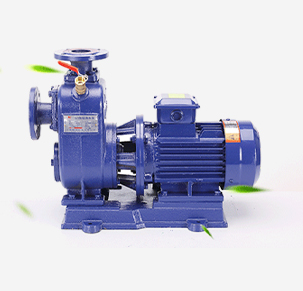
Submersible sewage cutter pumps are electromechanical devices designed for the efficient removal of wastewater containing solids. Positioned within the wastewater treatment chain, these pumps are critical for municipal and industrial applications where the reliable handling of fibrous materials, debris, and particulate matter is paramount. Their design incorporates a cutter system to macerate solids, preventing clogging and ensuring continuous operation. Core performance characteristics include flow rate (m³/h), head (m), motor power (kW), solids handling capability (mm), and overall efficiency. The selection of a suitable pump necessitates a thorough understanding of the wastewater composition, pumping distance, and system head loss to ensure optimal performance and longevity. The increasing stringency of environmental regulations regarding wastewater discharge is driving demand for robust and efficient sewage cutter pump technology.
Material Science & Manufacturing
The construction of a submersible sewage cutter pump requires careful material selection to resist corrosion, abrasion, and the aggressive chemical environment of wastewater. Pump housings are typically manufactured from cast iron (ASTM A48 Class 30) due to its cost-effectiveness and durability, often coated with epoxy or other corrosion-resistant polymers. Impellers and cutter blades frequently utilize hardened stainless steel (e.g., 304 or 316 stainless steel, conforming to ASTM A240) to withstand abrasive wear from solids. Shafts are commonly produced from high-strength alloy steel (e.g., 4140, following ASTM A297) and heat-treated for enhanced tensile strength and fatigue resistance. Seals are crucial for preventing water ingress and are typically manufactured from materials like silicon carbide (SiC) or tungsten carbide (WC) due to their exceptional hardness and chemical inertness. The manufacturing process involves several key stages: casting (housing), forging/machining (impeller, cutter blades, shaft), welding (assembly), and coating (corrosion protection). Critical parameters during manufacturing include dimensional accuracy (to ensure proper clearances and prevent cavitation), weld integrity (to avoid failure under stress), and coating thickness (to guarantee adequate corrosion resistance). Quality control measures, including non-destructive testing (NDT) such as ultrasonic testing (UT) and radiographic testing (RT), are essential to identify defects and ensure product reliability.
Performance & Engineering
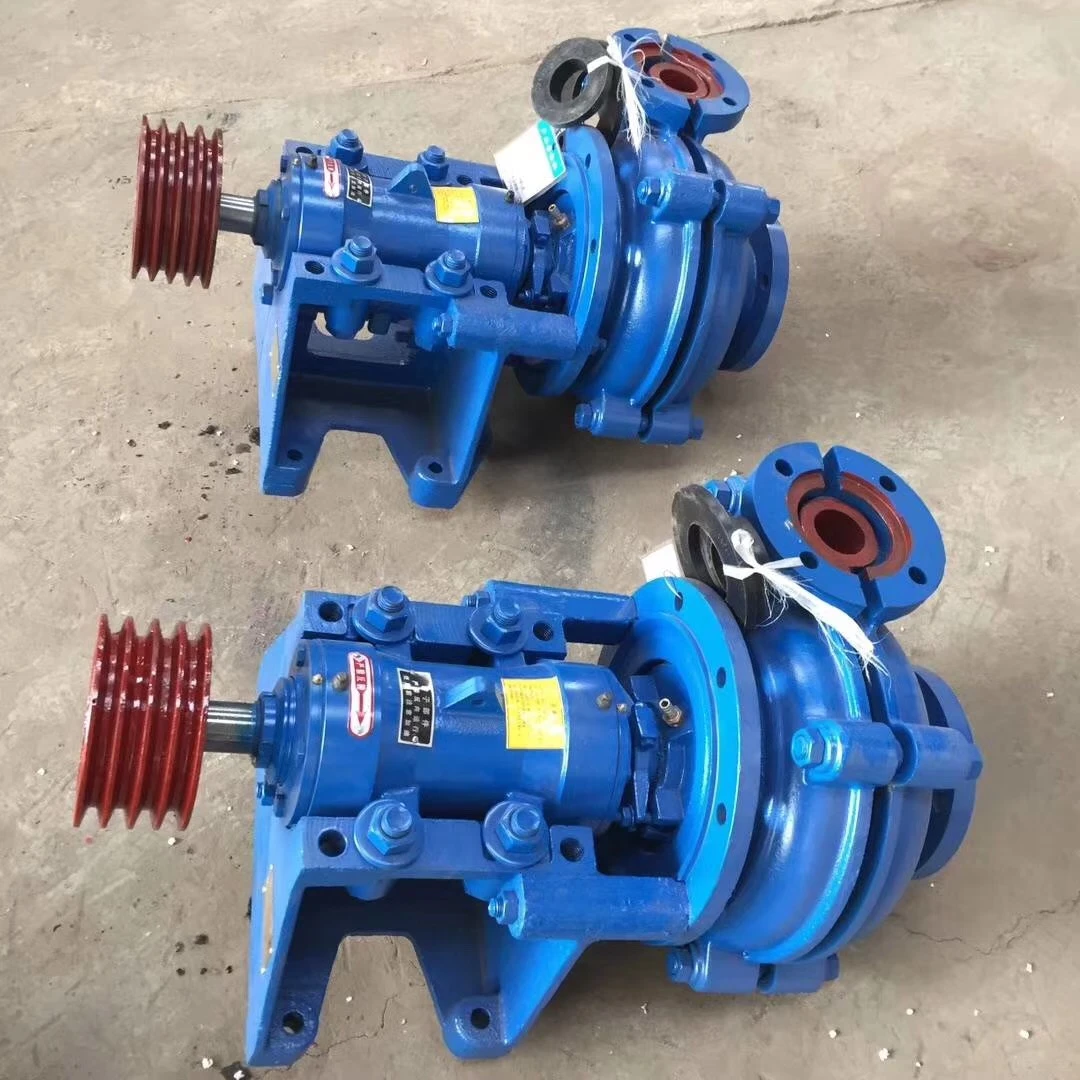
The performance of a submersible sewage cutter pump is governed by hydraulic principles and mechanical engineering considerations. Force analysis involves calculating the radial and axial loads imposed on the impeller and shaft by the fluid flow and cutter action. These loads determine the required bearing size and type (typically deep groove ball bearings or tapered roller bearings, conforming to ISO 2811-1) to prevent premature failure. Environmental resistance is critical, as pumps operate in submerged and often corrosive environments. The pump’s electrical components (motor, cables, seals) must be rated for continuous submersion (IP68 rating, as defined by IEC 60529) and resistance to common wastewater chemicals. Compliance requirements vary by region but generally include CE marking (European Union), UL listing (North America), and adherence to local wastewater discharge regulations. Functional implementation relies on the cutter system’s ability to effectively reduce the size of solids before they enter the impeller. The cutter design (radial or axial) and blade geometry are optimized to maximize cutting efficiency and minimize clogging. Pump curves, generated through hydrodynamic analysis, define the pump’s performance characteristics (flow rate vs. head) and are used to select the appropriate pump for a given application. Cavitation, a phenomenon caused by low pressure at the impeller inlet, is a significant concern. Proper pump sizing and impeller design are crucial to prevent cavitation, which can erode the impeller and reduce pump efficiency.
Technical Specifications
| Parameter | Unit | Range | Typical Value |
|---|---|---|---|
| Flow Rate | m³/h | 10 - 500 | 100 |
| Head | m | 5 - 60 | 20 |
| Motor Power | kW | 1.5 - 75 | 7.5 |
| Solids Handling | mm | Up to 100 | 50 |
| Impeller Diameter | mm | 100 - 300 | 200 |
| Cutter Type | - | Radial/Axial | Radial |
Failure Mode & Maintenance
Submersible sewage cutter pumps are susceptible to several failure modes. Fatigue cracking in the impeller or cutter blades can occur due to cyclic loading and stress concentration, particularly at weld points. Delamination of the epoxy coating on the housing can lead to corrosion and eventual structural failure. Degradation of the pump seals results in water ingress, causing motor failure. Oxidation of the stainless steel components reduces their corrosion resistance. Clogging of the impeller or cutter system, despite the cutter’s presence, can lead to motor overload and pump shutdown. To mitigate these failures, regular maintenance is crucial. This includes visual inspection for corrosion and coating damage, lubrication of bearings, replacement of worn seals, and inspection/sharpening of cutter blades. Vibration analysis (following ISO 10816) can detect bearing wear and imbalance. Oil analysis (ASTM D4057) can identify contaminants and assess oil degradation. Preventive maintenance schedules should be established based on pump operating hours and wastewater characteristics. When replacing components, it is essential to use materials that meet or exceed the original specifications to ensure compatibility and performance. Detailed records of maintenance activities should be maintained for tracking pump performance and identifying potential issues.
Industry FAQ
Q: What is the impact of wastewater composition on pump selection?
A: Wastewater composition directly influences pump material selection and cutter design. High solids content necessitates a pump with a robust cutter system and abrasion-resistant impeller. The presence of corrosive chemicals (e.g., hydrogen sulfide, chlorides) requires the use of corrosion-resistant materials like 316 stainless steel and epoxy coatings. Fibrous materials demand a cutter capable of effectively macerating these substances to prevent clogging.
Q: How does the pump's impeller design affect efficiency and solids handling?
A: The impeller design significantly impacts pump efficiency and solids handling capability. Impeller vane geometry, number of vanes, and blade angle are optimized to maximize hydraulic efficiency and minimize clogging. A recessed impeller design is often preferred for handling solids, as it provides a larger flow passage and reduces the risk of blockage. The impeller’s surface finish also plays a role, with smoother surfaces reducing friction and improving efficiency.
Q: What are the key considerations for motor protection in a submersible pump?
A: Motor protection is paramount in submersible pumps. This includes proper sealing to prevent water ingress (IP68 rating), thermal overload protection to prevent overheating, and phase failure protection to prevent damage in case of power supply issues. The motor winding insulation must be robust and resistant to degradation from moisture and chemicals. Regular monitoring of motor current and temperature can provide early warning signs of potential problems.
Q: How often should pump seals be replaced, and what are the signs of seal failure?
A: Pump seal replacement frequency depends on operating conditions and wastewater abrasiveness, but typically every 1-3 years is recommended. Signs of seal failure include oil emulsification in the pump chamber, water ingress into the motor housing, and decreased pump performance. Regular inspection of the seal and surrounding areas for leaks and wear is essential.
Q: What maintenance procedures are recommended to extend the pump’s lifespan?
A: Recommended maintenance procedures include regular visual inspection for corrosion and damage, lubrication of bearings, seal replacement, cutter blade inspection/sharpening, vibration analysis, and oil analysis. Keeping detailed maintenance logs and adhering to a preventive maintenance schedule are critical for maximizing pump lifespan and minimizing downtime.
Conclusion
The effective operation of a submersible sewage cutter pump hinges on a convergence of robust materials science, precision manufacturing, and diligent engineering principles. Selecting a pump that aligns with the specific demands of the wastewater application, particularly concerning solids content and chemical composition, is fundamental. Preventive maintenance, encompassing regular inspections and component replacements, is not merely a best practice but a necessity for ensuring long-term reliability and minimizing costly downtime.
As wastewater treatment facilities face increasingly stringent environmental regulations and heightened operational demands, the role of advanced sewage cutter pump technology will continue to grow. Future advancements are likely to focus on enhanced cutter designs for improved solids reduction, more energy-efficient motor technologies, and the integration of smart sensors for remote monitoring and predictive maintenance. A comprehensive understanding of the pump’s design, performance characteristics, and potential failure modes is essential for maximizing its lifespan and optimizing wastewater treatment processes.
-
Precision at the Pump: How Better Machining Protects Flow and Uptime
News2026-11-20
-
Why Pump Reliability Begins Before the First Drop of Fluid
News2026-11-20
-
Beyond the Pump: Designing Safer Access Around Critical Water Infrastructure
News2026-11-20
-
Why Pumping Stations Depend on the Infrastructure Beneath the Pumps
News2026-11-20
-
Beyond the Pump Room: How Smarter Loading Protects Industrial Equipment
News2026-11-19
-
When Pumps Stop: Designing More Resilient Power for Critical Pumping Systems
News2026-11-19
-
The Hidden Role of Dust and Gas Monitoring in Reliable Pump Operations
News2026-11-19
-
The Hidden Role of Mineral Compounds in Extending Industrial Pump Lifespan
News2026-10-12
-
Why Pump System Reliability Depends on Precision Hose Assembly Methods
News2026-09-15
-
How Advanced Imaging Films Are Transforming Pump Component Quality Control
News2026-08-25
-
How Advanced Filtration Protects Pump Systems from Premature Wear and Costly Downtime
News2026-08-25
-
How Steel Material Selection Drives Pump Reliability in Heavy-Duty Systems
News2026-08-25
-
Ensuring Pump System Efficiency: The Role of High-Quality Pipe Fittings and Tubing
News2026-08-24
-
Optimizing Fluid Dynamics and Material Consistency in Industrial Processing
News2026-08-18
-
Innovations and Challenges in Hydraulic Systems for Heavy Machinery
News2026-08-13




