English
- Afrikaans
- Albanian
- Amharic
- Arabic
- Armenian
- Azerbaijani
- Basque
- Belarusian
- Bengali
- Bosnian
- Bulgarian
- Catalan
- Cebuano
- Corsican
- Croatian
- Czech
- Danish
- Dutch
- English
- Esperanto
- Estonian
- Finnish
- French
- Frisian
- Galician
- Georgian
- German
- Greek
- Gujarati
- Haitian Creole
- hausa
- hawaiian
- Hebrew
- Hindi
- Miao
- Hungarian
- Icelandic
- igbo
- Indonesian
- irish
- Italian
- Japanese
- Javanese
- Kannada
- kazakh
- Khmer
- Rwandese
- Korean
- Kurdish
- Kyrgyz
- Lao
- Latin
- Latvian
- Lithuanian
- Luxembourgish
- Macedonian
- Malgashi
- Malay
- Malayalam
- Maltese
- Maori
- Marathi
- Mongolian
- Myanmar
- Nepali
- Norwegian
- Norwegian
- Occitan
- Pashto
- Persian
- Polish
- Portuguese
- Punjabi
- Romanian
- Russian
- Samoan
- Scottish Gaelic
- Serbian
- Sesotho
- Shona
- Sindhi
- Sinhala
- Slovak
- Slovenian
- Somali
- Spanish
- Sundanese
- Swahili
- Swedish
- Tagalog
- Tajik
- Tamil
- Tatar
- Telugu
- Thai
- Turkish
- Turkmen
- Ukrainian
- Urdu
- Uighur
- Uzbek
- Vietnamese
- Welsh
- Bantu
- Yiddish
- Yoruba
- Zulu

Telephone: +86 13120555503
Email: frank@cypump.com


Apr . 01, 2024 17:55 Back to list
supply double suction sludge water pump Performance Analysis
Introduction
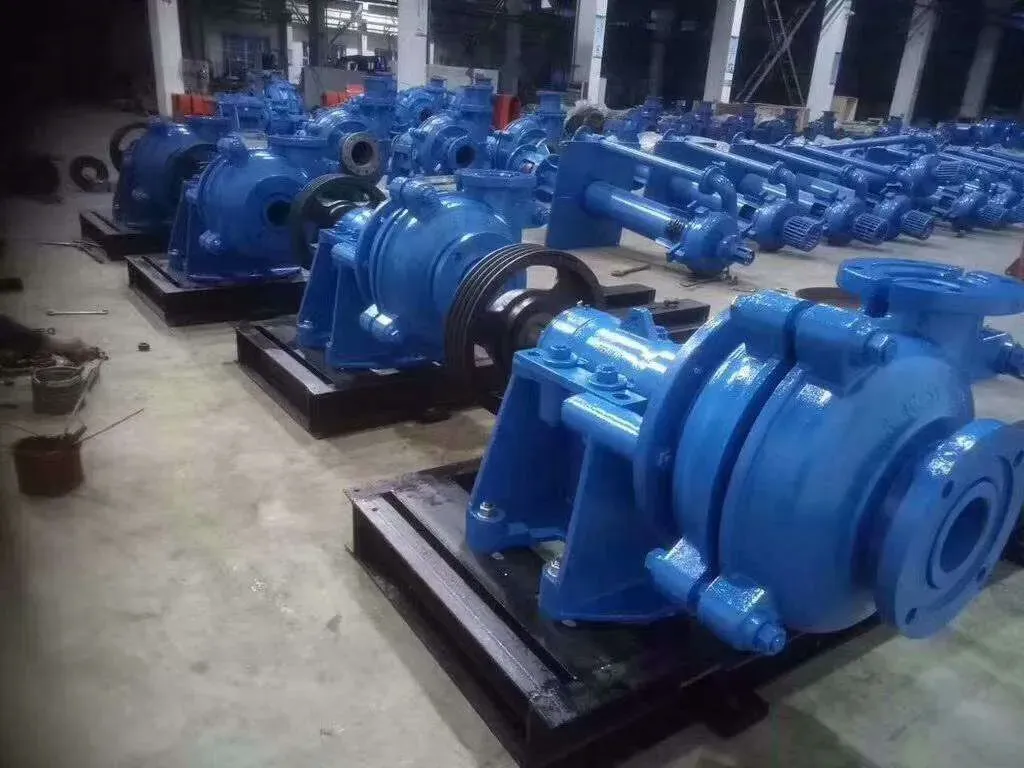
Double suction sludge water pumps are centrifugal pumps specifically engineered for the handling of abrasive and highly viscous fluids commonly found in wastewater treatment, industrial effluent management, and dredging applications. Positioned downstream in the water/wastewater treatment process, following preliminary screening and grit removal, these pumps represent a critical component for efficiently transferring sludge – a complex mixture of solids, liquids, and organic matter – to subsequent processing stages like digesters, dewatering systems, or disposal sites. Core performance metrics center around solids handling capability (particle size and concentration), flow rate, head (pressure generated), and resistance to abrasion and corrosion. Unlike clear water pumps, double suction designs minimize axial thrust, enabling larger impeller diameters and thus higher flow rates without premature bearing failure. The double suction configuration also improves Net Positive Suction Head Required (NPSHr) characteristics, crucial when dealing with fluids prone to cavitation. This guide provides a comprehensive technical overview of these pumps, covering material science, manufacturing processes, performance parameters, failure modes, and relevant industry standards.
Material Science & Manufacturing
The materials selection for double suction sludge pumps is paramount due to the corrosive and abrasive nature of the fluids they handle. Pump casings are typically constructed from cast iron (ASTM A48 Class 30 or higher) for general applications, but for highly corrosive environments, materials like stainless steel (316, 304), duplex stainless steel (e.g., 2205), or specialized alloys (e.g., Hastelloy) are employed. Impellers, the core component responsible for fluid movement, are often manufactured from high-chrome cast iron (typically 27% chromium) to provide exceptional abrasion resistance. This material forms a hard carbide layer during operation, increasing service life in abrasive slurries. Shafts are typically constructed of stainless steel (410 or 420) for corrosion resistance and torsional strength. Seals are a critical area, often utilizing mechanical seals with silicon carbide or tungsten carbide faces for enhanced wear resistance and compatibility with abrasive media. Elastomeric components like O-rings and gaskets are typically made from nitrile rubber (NBR) or Viton (FKM) depending on the chemical compatibility requirements of the sludge.
Manufacturing processes involve several key stages. The casing is created using sand casting, followed by machining to precise tolerances. Impellers are typically investment cast for complex geometries and dimensional accuracy. Shafts are machined from bar stock. A critical process is the impeller balancing – dynamic balancing is essential to minimize vibration and extend bearing life. The pump assembly requires careful alignment of the impeller and shaft within the casing, and precise installation of the mechanical seal. Welding is used extensively in the fabrication of casings utilizing stainless or duplex steels, requiring qualified welders and adherence to relevant welding codes (AWS D1.1 or EN ISO 15608). Non-destructive testing (NDT), including radiographic inspection and liquid penetrant testing, is routinely performed to ensure weld integrity. Surface coating, such as epoxy or ceramic coatings, can be applied to internal surfaces to further enhance corrosion resistance.
Performance & Engineering
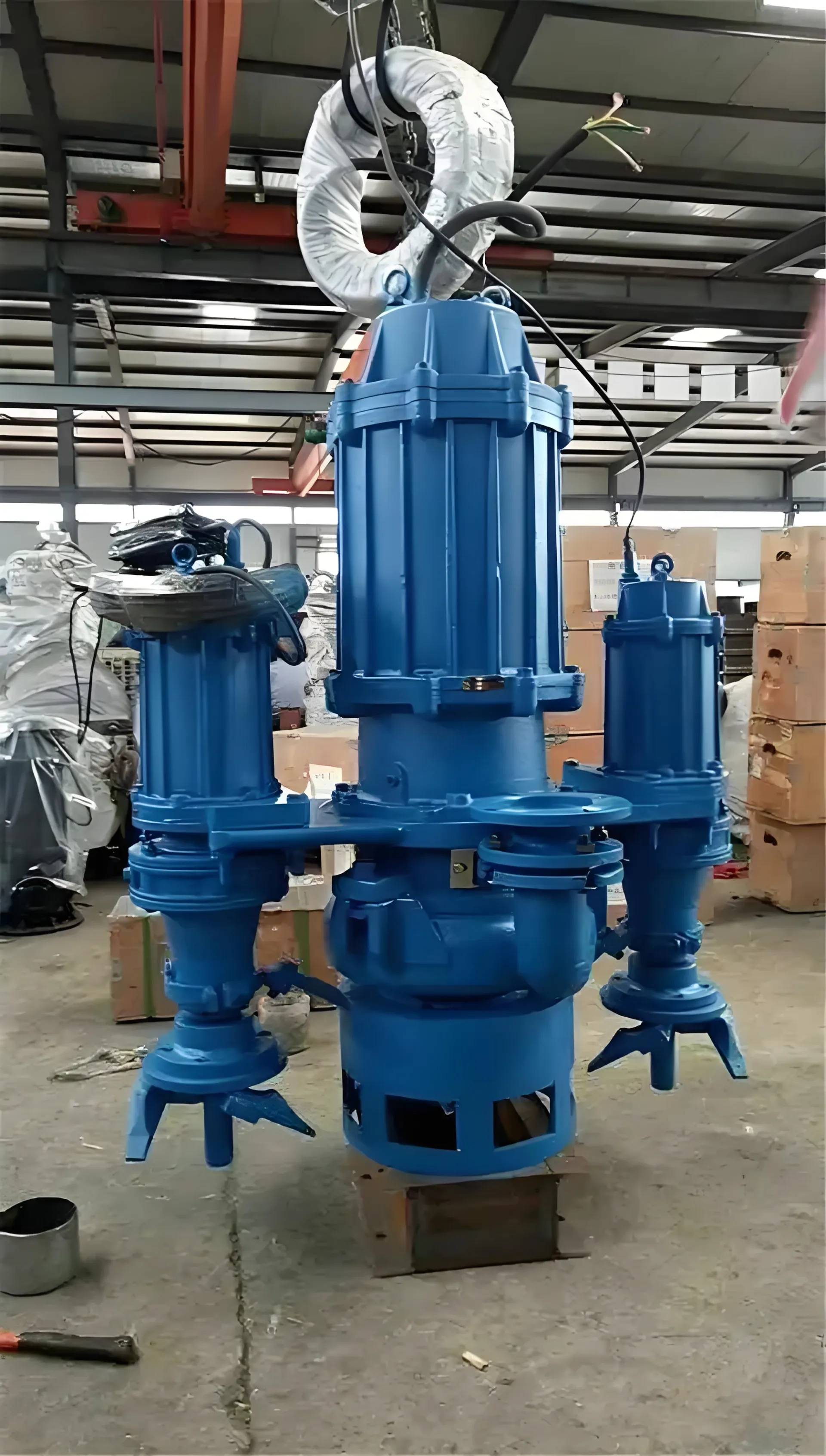
The performance of a double suction sludge pump is governed by fundamental hydraulic principles. The pump’s affinity laws dictate the relationship between flow rate, head, and power. A key engineering consideration is the Net Positive Suction Head Required (NPSHr), which must be less than the Net Positive Suction Head Available (NPSHa) to prevent cavitation – the formation and collapse of vapor bubbles, which can cause significant damage to the impeller. Cavitation is exacerbated by higher fluid temperatures and lower inlet pressures. Pump efficiency is a critical factor, determined by the hydraulic efficiency (energy transferred to the fluid) and volumetric efficiency (minimizing internal leakage). The impeller design significantly impacts efficiency; optimized impeller geometries with appropriate vane angles and blade profiles minimize turbulence and energy losses.
Force analysis includes evaluating radial loads on the shaft caused by pressure imbalances and axial thrust, which is minimized by the double suction configuration. Bearing selection is crucial to withstand these forces; rolling element bearings (ball or roller bearings) are typically used, selected based on load capacity and operating speed. Environmental resistance considerations include temperature extremes, humidity, and exposure to corrosive atmospheres. Pumps operating in outdoor environments require robust weatherproof enclosures. Compliance requirements vary by region but often include adherence to hydraulic institute standards (HI) for pump testing and performance rating, and potentially ATEX certification for pumps operating in hazardous areas. The pump’s hydraulic performance curve, a graph illustrating the relationship between flow rate, head, and efficiency, is a vital engineering tool for proper pump selection and system design.
Technical Specifications
| Parameter | Unit | Typical Range | Notes |
|---|---|---|---|
| Flow Rate | m³/h | 50 – 2000 | Dependent on impeller diameter and speed |
| Total Head | m | 10 – 80 | Dependent on impeller design and speed |
| Solids Handling Capacity | mm | Up to 75 | Dependent on impeller type (open, semi-open, closed) |
| Pump Speed | RPM | 1450 – 2900 | Typically driven by electric motors |
| Power | kW | 2.2 – 150 | Dependent on flow rate and head |
| Casing Material | - | Cast Iron, Stainless Steel, Duplex Stainless Steel | Selection based on fluid corrosivity |
Failure Mode & Maintenance
Double suction sludge pumps are susceptible to several failure modes. Abrasion is a primary concern, leading to impeller wear, casing erosion, and reduced pump efficiency. Cavitation, as previously discussed, causes pitting and erosion of the impeller, particularly at the inlet. Corrosion, particularly in aggressive chemical environments, can lead to casing and impeller degradation. Bearing failure can occur due to excessive load, misalignment, or inadequate lubrication. Mechanical seal failure is common due to abrasive particles, chemical incompatibility, or improper installation. Fatigue cracking can develop in the casing or impeller due to cyclic loading and stress concentration.
Preventive maintenance is crucial to extend pump life. Regular inspection of the mechanical seal is essential, replacing it proactively based on operating hours or evidence of leakage. Impeller and casing wear should be monitored periodically, and components replaced when wear exceeds acceptable limits. Bearing lubrication should be performed according to manufacturer’s recommendations. Alignment checks should be conducted regularly to prevent bearing failure. Strainers or screens should be installed upstream of the pump to remove large solids and protect the impeller. Regular monitoring of pump vibration levels can provide early warning of potential problems. A detailed maintenance log should be maintained, tracking repairs, replacements, and operating parameters. When replacing components, using OEM-approved parts ensures compatibility and maintains performance guarantees.
Industry FAQ
Q: What is the impact of sludge solids concentration on pump selection?
A: Higher solids concentrations increase the abrasive wear rate and require pumps with heavier-duty impellers (e.g., high-chrome cast iron) and potentially larger clearances to prevent clogging. Pump selection must also consider the sludge's rheological properties – its viscosity and flow behavior – which influence the required pump head and power.
Q: How does the pump’s suction lift affect performance and reliability?
A: Excessive suction lift reduces NPSHa, increasing the risk of cavitation. The pump should be positioned as close to the sludge source as possible to minimize suction lift. Proper pipe sizing and minimizing bends in the suction line are also crucial.
Q: What is the best material for a pump handling sludge with high sulfide content?
A: High sulfide content is extremely corrosive. Duplex stainless steel (2205) or super austenitic stainless steel (e.g., 6Mo) offers superior resistance to sulfide stress cracking compared to standard stainless steels. Specialized coatings may also be considered.
Q: How can I minimize mechanical seal failures in abrasive sludge applications?
A: Utilize mechanical seals with hardened faces (silicon carbide or tungsten carbide), incorporate a seal flush system to provide lubrication and remove abrasive particles, and ensure proper seal installation and alignment. Regularly inspect and replace the seal based on operating conditions.
Q: What are the advantages of a double suction pump over a single suction pump for sludge applications?
A: Double suction pumps offer higher flow rates for a given impeller diameter, reduced axial thrust leading to extended bearing life, and improved NPSHr characteristics, making them more suitable for handling fluids prone to cavitation. They generally provide better overall efficiency in demanding sludge applications.
Conclusion
Double suction sludge water pumps are vital components in wastewater treatment and industrial effluent management. Selecting the appropriate pump requires careful consideration of fluid properties, operating conditions, and material compatibility. Understanding the underlying principles of hydraulic performance, failure modes, and preventative maintenance practices is crucial for ensuring reliable and efficient operation. Proper material selection, particularly for the impeller and casing, is paramount to withstand the abrasive and corrosive nature of sludge.
Looking forward, advancements in pump design will likely focus on improving impeller efficiency, enhancing abrasion resistance through novel materials and coatings, and integrating smart monitoring systems for predictive maintenance. Optimization of hydraulic profiles and advanced seal technologies will further extend pump life and reduce operational costs. Continued adherence to industry standards and best practices will remain essential for ensuring the long-term performance and reliability of these critical pumps.
-
Comprehensive Guide to Waterproof ORings for Optimal Sealing Solutions
News2026-06-09
-
Septic Pump System Performance Analysis
News2026-06-08
-
pump for septic Material Science
News2026-06-08
-
basement sewer pump Performance Analysis
News2026-06-08
-
submerged pump Performance Engineering
News2026-06-08
-
Septic System Pumps Performance Analysis
News2026-06-08
-
septic system pump Material Science and Manufacturing
News2026-06-07
-
pump for septic tank Material Science Manufacturing
News2026-06-07
-
submersible sewage pump Material Science
News2026-06-07
-
Sewage Ejector Material Science and Manufacturing
News2026-06-07
-
Ejection Pump Material Science
News2026-06-07
-
pump submersible Performance Analysis
News2026-06-06
-
ejector pumps Performance Engineering
News2026-06-06
-
basement ejector pump Material Science Manufacturing
News2026-06-06
-
Septic Tanks Pumping Performance Analysis
News2026-06-06




