English
- Afrikaans
- Albanian
- Amharic
- Arabic
- Armenian
- Azerbaijani
- Basque
- Belarusian
- Bengali
- Bosnian
- Bulgarian
- Catalan
- Cebuano
- Corsican
- Croatian
- Czech
- Danish
- Dutch
- English
- Esperanto
- Estonian
- Finnish
- French
- Frisian
- Galician
- Georgian
- German
- Greek
- Gujarati
- Haitian Creole
- hausa
- hawaiian
- Hebrew
- Hindi
- Miao
- Hungarian
- Icelandic
- igbo
- Indonesian
- irish
- Italian
- Japanese
- Javanese
- Kannada
- kazakh
- Khmer
- Rwandese
- Korean
- Kurdish
- Kyrgyz
- Lao
- Latin
- Latvian
- Lithuanian
- Luxembourgish
- Macedonian
- Malgashi
- Malay
- Malayalam
- Maltese
- Maori
- Marathi
- Mongolian
- Myanmar
- Nepali
- Norwegian
- Norwegian
- Occitan
- Pashto
- Persian
- Polish
- Portuguese
- Punjabi
- Romanian
- Russian
- Samoan
- Scottish Gaelic
- Serbian
- Sesotho
- Shona
- Sindhi
- Sinhala
- Slovak
- Slovenian
- Somali
- Spanish
- Sundanese
- Swahili
- Swedish
- Tagalog
- Tajik
- Tamil
- Tatar
- Telugu
- Thai
- Turkish
- Turkmen
- Ukrainian
- Urdu
- Uighur
- Uzbek
- Vietnamese
- Welsh
- Bantu
- Yiddish
- Yoruba
- Zulu

Telephone: +86 13120555503
Email: frank@cypump.com


Apr . 01, 2024 17:55 Back to list
supply 2.2kw submersible sewage pump Performance Analysis
Introduction
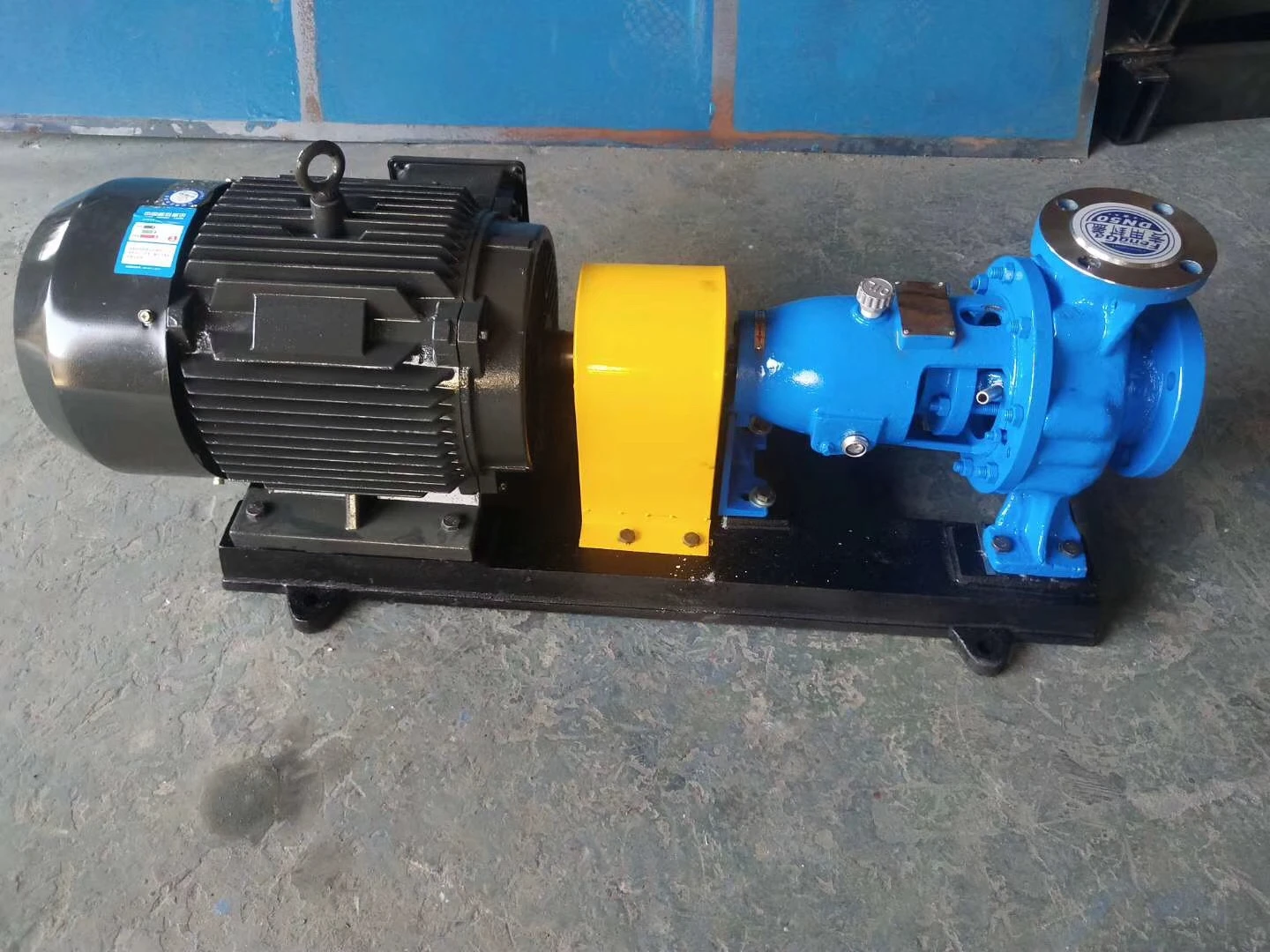
The 2.2kW submersible sewage pump represents a critical component in wastewater management systems across municipal, industrial, and commercial sectors. Positioned within the chain of water and wastewater treatment, these pumps are responsible for the efficient and reliable transfer of sewage, sludge, and other non-solid containing liquids. Their core performance characteristics – flow rate, head, and solids handling capability – dictate system efficiency and operational longevity. Unlike surface-mounted pumps, submersible designs offer advantages in terms of reduced noise, elimination of priming issues, and minimized risk of vapor lock. Modern units incorporate features such as automatic controls, wear-resistant materials, and efficient hydraulic designs to optimize performance and reduce life-cycle costs. This guide provides an in-depth examination of the material science, manufacturing, performance parameters, failure modes, and maintenance protocols associated with these essential pieces of industrial equipment, addressing key pain points related to durability, efficiency, and regulatory compliance.
Material Science & Manufacturing
The construction of a 2.2kW submersible sewage pump necessitates a careful selection of materials to withstand the corrosive and abrasive nature of wastewater. Pump casings are typically constructed from cast iron (ASTM A48 Class 30) due to its cost-effectiveness, rigidity, and machinability. However, for more aggressive environments, stainless steel alloys (specifically 304 or 316 – ASTM A743) are employed, offering superior corrosion resistance. Impellers, subject to significant erosive wear from suspended solids, are commonly manufactured from high-chrome cast iron (ASTM A532 Grade III) or hardened stainless steel. Shafts require high tensile strength and resistance to torsional stress, utilizing materials like 4140 alloy steel (ASTM A297) with heat treatment for enhanced durability. Seals are a critical component, typically employing silicon carbide (SiC) faces against SiC or tungsten carbide (WC) faces, encased in Viton (fluoroelastomer) or EPDM (ethylene propylene diene monomer) elastomers for chemical compatibility and abrasion resistance. Manufacturing processes include sand casting for the casing, investment casting or machining for the impeller, and precision machining for the shaft. Welding (SMAW or GMAW, conforming to AWS D1.1) is used for assembling certain components. Critical parameters during manufacturing include dimensional accuracy, surface finish, and heat treatment control to ensure optimal performance and prevent premature failure. The impeller's hydrofoil design is optimized through Computational Fluid Dynamics (CFD) analysis to maximize hydraulic efficiency and minimize cavitation.
Performance & Engineering
The performance of a 2.2kW submersible sewage pump is governed by several key engineering principles. Force analysis considers hydrostatic pressure at the operating depth, dynamic forces generated by impeller rotation, and frictional losses within the pump housing and discharge piping. Hydraulic design aims to maximize pump efficiency, minimizing energy consumption while achieving desired flow rates and head. The pump curve (Head vs. Flow Rate) is a crucial performance characteristic, determined through rigorous testing per ISO 9906 standards. Environmental resistance is paramount; pumps must withstand prolonged immersion in corrosive wastewater, temperature fluctuations, and potential exposure to chemicals. Compliance requirements include CE marking (EN 60335-2-40), which addresses electrical safety, and potentially ATEX certification (EN 60079 series) for use in potentially explosive atmospheres. The motor, typically a three-phase induction motor, is encapsulated and cooled by the surrounding liquid, necessitating robust insulation and sealing to prevent water ingress (IP68 rating, defined in IEC 60529). Selection criteria involve matching the pump’s performance characteristics to the specific system requirements, including static head, friction losses, and anticipated variations in flow rate. Pump selection software, utilizing hydraulic calculations and pump curves, is commonly employed for optimal sizing.
Technical Specifications
| Parameter | Specification | Testing Standard | Typical Application Range |
|---|---|---|---|
| Motor Power | 2.2 kW (3 HP) | IEC 60034-1 | Municipal Wastewater Treatment |
| Voltage | 380-415V, 50Hz or 208-230V, 60Hz | IEC 60038 | Industrial Effluent Handling |
| Maximum Head | 25-40 meters (depending on impeller design) | ISO 9906 | Flood Control & Drainage |
| Maximum Flow Rate | 10-25 m³/hr (depending on impeller design) | ISO 9906 | Agricultural Irrigation (treated effluent) |
| Maximum Solids Handling | 75mm (diameter) | DIN EN 12952 | Sludge Transfer |
| Cable Length | 10-20 meters (customizable) | IEC 60502 | Remote Pumping Stations |
Failure Mode & Maintenance
Submersible sewage pumps are susceptible to various failure modes. Fatigue cracking of the impeller, often initiated by cavitation erosion, is a common issue. Delamination of the pump casing due to corrosion or improper material selection can lead to leaks and pump failure. Seal failure, resulting from abrasive particles or chemical attack, allows water ingress into the motor, causing short circuits and winding damage. Bearing failure, manifesting as increased noise and vibration, is often caused by inadequate lubrication or contamination. Winding insulation breakdown, resulting from overheating or moisture penetration, leads to motor failure. Preventative maintenance is crucial and includes regular inspections for corrosion, wear, and leaks. Lubrication of bearings according to manufacturer’s specifications (typically using grease conforming to NLGI Grade 2) is essential. The pump should be periodically removed from service for thorough cleaning to remove accumulated solids. Megger testing (IEC 61010-1) should be performed on the motor windings to assess insulation resistance. If cavitation is suspected, the impeller should be inspected for erosion and the system hydraulics evaluated. Replacement of worn seals and bearings should be conducted proactively, and the pump casing should be recoated with corrosion-resistant epoxy coatings as needed.
Industry FAQ
Q: What is the impact of varying wastewater temperatures on pump performance and lifespan?
A: Elevated wastewater temperatures can reduce the viscosity of the fluid, potentially increasing flow rates but also accelerating corrosion rates and degrading elastomer seals. Conversely, very low temperatures can increase fluid viscosity and potentially lead to freezing, causing pump blockage and damage. Pump material selection and seal compatibility must account for the anticipated temperature range of the application. Motor cooling efficiency can also be affected by temperature.
Q: How does the solids handling capability affect pump selection, and what are the consequences of exceeding the pump's capacity?
A: Solids handling capability directly impacts pump selection, particularly in applications with high concentrations of rags, grit, and other debris. Exceeding the pump’s solids handling capacity can lead to impeller clogging, increased wear, and potentially catastrophic pump failure. Pump selection should incorporate a safety factor to account for variations in solids loading.
Q: What are the key considerations for selecting the appropriate cable type and length for submersible pump installations?
A: Cable selection must consider the chemical composition of the wastewater, the operating depth, and the potential for mechanical damage. Cables should be oil-resistant, water-resistant (meeting IEC 60502 standards), and adequately sized to handle the electrical load. Cable length should be minimized to reduce voltage drop and potential interference. Proper strain relief and secure connections are critical.
Q: What preventative measures can be taken to minimize corrosion in submersible pump applications?
A: Minimizing corrosion requires a multi-faceted approach. Selecting corrosion-resistant materials (stainless steel, epoxy coatings) is paramount. Cathodic protection systems can be employed in particularly aggressive environments. Regular inspection and maintenance, including removal of corrosive deposits and recoating of surfaces, are essential. Proper grounding and bonding can also help mitigate galvanic corrosion.
Q: How do different impeller designs (e.g., vortex, recessed, open) affect pump performance and suitability for specific applications?
A: Vortex impellers excel at handling high solids content with minimal clogging but typically have lower efficiency. Recessed impellers offer a compromise between solids handling and efficiency. Open impellers are suitable for clean liquids or applications with minimal solids. The impeller design should be carefully selected based on the specific characteristics of the wastewater being pumped.
Conclusion
The 2.2kW submersible sewage pump is a complex piece of engineered equipment critical to maintaining effective wastewater management. Its reliable operation depends on the synergistic interplay of material science, precise manufacturing techniques, and a thorough understanding of hydraulic principles. Addressing potential failure modes through proactive maintenance – encompassing regular inspections, lubrication, and component replacement – is paramount to maximizing pump lifespan and minimizing operational downtime.
The continued evolution of pump technology is focused on enhancing efficiency, increasing solids handling capabilities, and developing more robust materials resistant to the increasingly complex chemical compositions of modern wastewater. Furthermore, integration of smart sensors and remote monitoring systems will enable predictive maintenance strategies, further optimizing pump performance and reducing life-cycle costs.
-
Precision at the Pump: How Better Machining Protects Flow and Uptime
News2026-11-20
-
Why Pump Reliability Begins Before the First Drop of Fluid
News2026-11-20
-
Beyond the Pump: Designing Safer Access Around Critical Water Infrastructure
News2026-11-20
-
Why Pumping Stations Depend on the Infrastructure Beneath the Pumps
News2026-11-20
-
Beyond the Pump Room: How Smarter Loading Protects Industrial Equipment
News2026-11-19
-
When Pumps Stop: Designing More Resilient Power for Critical Pumping Systems
News2026-11-19
-
The Hidden Role of Dust and Gas Monitoring in Reliable Pump Operations
News2026-11-19
-
The Hidden Role of Mineral Compounds in Extending Industrial Pump Lifespan
News2026-10-12
-
Why Pump System Reliability Depends on Precision Hose Assembly Methods
News2026-09-15
-
How Advanced Imaging Films Are Transforming Pump Component Quality Control
News2026-08-25
-
How Advanced Filtration Protects Pump Systems from Premature Wear and Costly Downtime
News2026-08-25
-
How Steel Material Selection Drives Pump Reliability in Heavy-Duty Systems
News2026-08-25
-
Ensuring Pump System Efficiency: The Role of High-Quality Pipe Fittings and Tubing
News2026-08-24
-
Optimizing Fluid Dynamics and Material Consistency in Industrial Processing
News2026-08-18
-
Innovations and Challenges in Hydraulic Systems for Heavy Machinery
News2026-08-13




