English
- Afrikaans
- Albanian
- Amharic
- Arabic
- Armenian
- Azerbaijani
- Basque
- Belarusian
- Bengali
- Bosnian
- Bulgarian
- Catalan
- Cebuano
- Corsican
- Croatian
- Czech
- Danish
- Dutch
- English
- Esperanto
- Estonian
- Finnish
- French
- Frisian
- Galician
- Georgian
- German
- Greek
- Gujarati
- Haitian Creole
- hausa
- hawaiian
- Hebrew
- Hindi
- Miao
- Hungarian
- Icelandic
- igbo
- Indonesian
- irish
- Italian
- Japanese
- Javanese
- Kannada
- kazakh
- Khmer
- Rwandese
- Korean
- Kurdish
- Kyrgyz
- Lao
- Latin
- Latvian
- Lithuanian
- Luxembourgish
- Macedonian
- Malgashi
- Malay
- Malayalam
- Maltese
- Maori
- Marathi
- Mongolian
- Myanmar
- Nepali
- Norwegian
- Norwegian
- Occitan
- Pashto
- Persian
- Polish
- Portuguese
- Punjabi
- Romanian
- Russian
- Samoan
- Scottish Gaelic
- Serbian
- Sesotho
- Shona
- Sindhi
- Sinhala
- Slovak
- Slovenian
- Somali
- Spanish
- Sundanese
- Swahili
- Swedish
- Tagalog
- Tajik
- Tamil
- Tatar
- Telugu
- Thai
- Turkish
- Turkmen
- Ukrainian
- Urdu
- Uighur
- Uzbek
- Vietnamese
- Welsh
- Bantu
- Yiddish
- Yoruba
- Zulu

Telephone: +86 13120555503
Email: frank@cypump.com


Apr . 01, 2024 17:55 Back to list
sump pump vs effluent pump Performance Analysis
Introduction
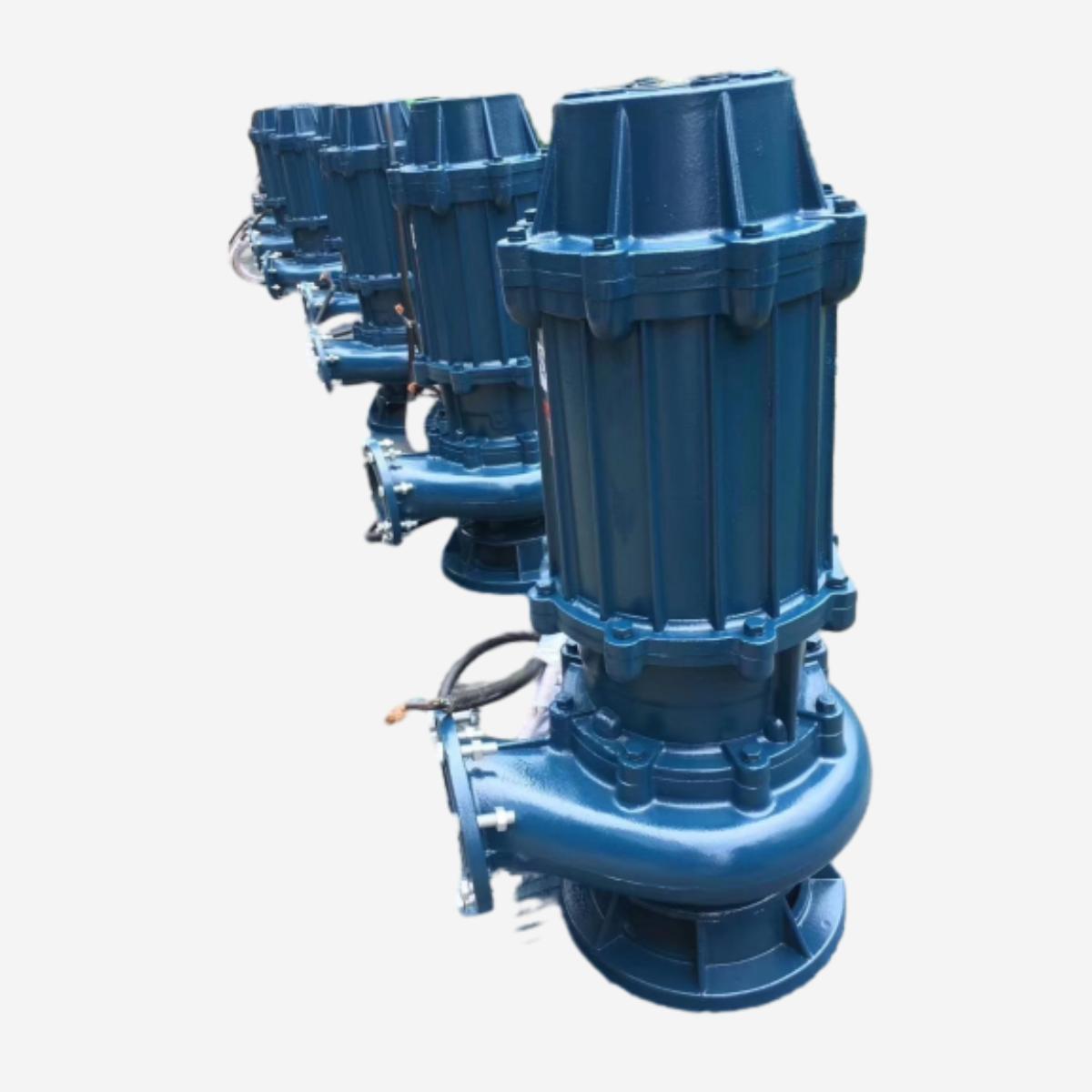
Sump pumps and effluent pumps, while both designed for fluid transfer, address distinctly different applications within fluid management systems. A sump pump is engineered for the removal of water that has accumulated in a water-collecting sump basin, typically found in basements or crawlspaces. Its primary purpose is to prevent flooding due to groundwater intrusion or rainfall. Conversely, an effluent pump is specifically designed for pumping treated or partially treated wastewater—effluent—from septic tanks or other wastewater treatment systems. This effluent is then discharged, typically to a drain field for further filtration. The critical distinction lies in the fluid handled: clean water in the case of a sump pump and wastewater containing biological material in the case of an effluent pump. This dictates differences in pump construction, impeller design, and materials compatibility. This guide provides an in-depth technical analysis of both pump types, covering material science, manufacturing processes, performance characteristics, failure modes, and relevant industry standards. Understanding these differences is crucial for correct specification and optimal system performance, preventing costly failures and ensuring environmental compliance.
Material Science & Manufacturing
Sump pumps commonly utilize cast iron housings for their robustness and cost-effectiveness, although thermoplastic materials like polypropylene are increasingly employed, particularly in models intended for environments where corrosion is a concern. Impellers are often constructed from a durable polymer, such as Noryl, which resists corrosion from waterborne debris, or stainless steel for enhanced durability. Motor housings are typically aluminum for heat dissipation. Effluent pumps, however, necessitate materials with superior resistance to degradation from organic waste and corrosive chemicals present in wastewater. Pump housings and impellers are predominantly manufactured from stainless steel (typically 316 stainless steel, offering superior chloride resistance) or high-density polyethylene (HDPE). Seals are critical, utilizing materials like Viton or Buna-N, chosen for their chemical compatibility and ability to withstand continuous exposure to wastewater. Manufacturing processes differ significantly. Sump pumps often employ die casting for aluminum components and sand casting for iron housings. Impellers are often injection molded. Effluent pumps rely heavily on precision machining for stainless steel components and rotational molding for HDPE components. Welding processes used in effluent pump construction require stringent quality control to ensure leak-proof seals, utilizing techniques like TIG (Tungsten Inert Gas) welding for stainless steel. Key parameter control in effluent pump manufacturing centers around maintaining precise tolerances in impeller blade profiles to ensure efficient solids handling capability and minimize clogging. The chemical composition of stainless steel alloys is meticulously monitored through spectroscopic analysis to verify corrosion resistance.
Performance & Engineering
The performance characteristics of sump pumps are primarily dictated by flow rate (gallons per hour - GPH) and head (the maximum height the pump can lift water). Force analysis in sump pump design focuses on minimizing hydraulic losses within the pump housing and impeller. Environmental resistance centers on moisture ingress into the motor and corrosion protection of metallic components. Compliance requirements pertain to electrical safety standards (UL listing, CSA certification). Effluent pumps are evaluated based on total dynamic head (TDH), flow rate, and solids handling capability (expressed as maximum sphere size passing through the pump). Engineering considerations for effluent pumps emphasize the prevention of clogging from solids. This is achieved through impeller design (often incorporating vortex or recessed impeller designs) and larger discharge passages. A critical performance parameter is the pump’s ability to maintain consistent flow rates even with varying effluent levels within the septic tank. The motor must be capable of handling the increased torque required to pump viscous fluids and solids-laden wastewater. Environmental resistance in effluent pumps extends to resistance against hydrogen sulfide (H2S) corrosion, a common issue in septic systems. Furthermore, effluent pumps require adherence to stringent environmental regulations regarding wastewater discharge, ensuring treated effluent meets applicable water quality standards. Hydraulic Institute standards are frequently referenced for pump performance testing and certification.
Technical Specifications
| Parameter | Sump Pump (Typical) | Effluent Pump (Typical) | Units |
|---|---|---|---|
| Flow Rate | 50-150 | 40-120 | GPM |
| Total Dynamic Head | 10-30 | 20-60 | Feet |
| Solids Handling Capability | 1/4 inch | 1-2 inch sphere | Inch |
| Motor Horsepower | 1/3 - 1 | 1/2 - 1 | HP |
| Housing Material | Cast Iron/Polypropylene | Stainless Steel/HDPE | - |
| Seal Material | Rubber/Synthetic Rubber | Viton/Buna-N | - |
Failure Mode & Maintenance
Sump pumps commonly fail due to impeller clogging from debris, switch failure (resulting in pump running constantly or not at all), motor burnout (often due to overheating or prolonged operation), and corrosion of metallic components. Failure analysis often reveals that switch failures are caused by sediment buildup or mechanical wear. Motor burnout is typically linked to inadequate ventilation or a failing capacitor. Regular maintenance includes cleaning the sump pit to remove debris, testing the float switch, and periodically inspecting the pump for corrosion. Effluent pumps are prone to failure from impeller clogging (especially with systems lacking pre-filters), seal failure (leading to leaks and motor damage), motor burnout (due to overloading from solids), and corrosion from H2S. Failure analysis reveals that clogging is often exacerbated by inadequate tank maintenance, allowing excessive solids to enter the pump. Seal failures are commonly attributed to abrasive solids wearing down the seal surfaces. Preventative maintenance for effluent pumps involves regular tank pumping to remove accumulated solids, inspection of the pump discharge line for blockages, and periodic seal replacement. In both pump types, fatigue cracking can occur in the pump housing or impeller due to cyclical loading. Non-destructive testing (NDT) methods, such as ultrasonic testing, can be employed to detect early signs of cracking.
Industry FAQ
Q: What is the primary reason for selecting a stainless steel effluent pump over a cast iron sump pump for septic applications?
A: The corrosive nature of effluent, containing organic waste and potentially hydrogen sulfide gas, necessitates the use of corrosion-resistant materials like stainless steel. Cast iron, while suitable for clean water applications, will rapidly corrode in the presence of these elements, leading to premature pump failure and potential environmental contamination.
Q: How does impeller design impact the performance and reliability of effluent pumps?
A: Effluent pump impellers are specifically designed to handle solids without clogging. Vortex or recessed impeller designs create a wider flow path, allowing solids to pass through without being macerated. Traditional impellers, commonly found in sump pumps, are not suitable for this application as they are more prone to clogging.
Q: What are the common causes of sump pump switch failure, and what preventative measures can be taken?
A: Sump pump switch failures are frequently caused by sediment buildup obstructing the float switch’s movement, or mechanical wear and tear on the switch components. Preventative measures include regularly cleaning the sump pit to remove sediment, periodically testing the switch function, and considering a tethered float switch which has less moving parts.
Q: What role does Total Dynamic Head (TDH) play in selecting an appropriate effluent pump?
A: TDH is a critical parameter as it represents the total vertical distance the pump must lift the effluent, plus friction losses within the discharge piping. An effluent pump must be capable of delivering the required flow rate at the calculated TDH to ensure proper system performance. Undersizing the pump will result in insufficient discharge; oversizing can lead to inefficient operation.
Q: What maintenance practices are crucial for extending the lifespan of both sump and effluent pumps?
A: For sump pumps, regular pit cleaning, float switch testing, and visual inspection for corrosion are essential. For effluent pumps, regular septic tank pumping to remove solids, inspection of discharge lines for blockages, and periodic seal replacement are critical. Both pump types benefit from ensuring adequate ventilation to prevent motor overheating.
Conclusion
The distinction between sump pumps and effluent pumps lies not only in their application but also in their design and material composition. Sump pumps are optimized for handling clean water and preventing flooding, prioritizing cost-effectiveness and ease of maintenance. Effluent pumps, conversely, are engineered to withstand the harsh environment of wastewater, demanding superior corrosion resistance, solids handling capabilities, and adherence to stringent environmental regulations. Proper selection based on application and comprehensive preventative maintenance are crucial for ensuring long-term reliability and preventing costly failures.
Moving forward, advancements in pump technology will likely focus on increasing energy efficiency, improving solids handling capacity, and incorporating smart monitoring systems for predictive maintenance. Further research into advanced materials, such as ceramic-reinforced polymers, could lead to even more durable and corrosion-resistant pumps for demanding effluent applications. Adherence to evolving industry standards and best practices will remain paramount for ensuring both operational efficiency and environmental protection.
-
1 2 hp sewage ejector pump Performance Engineering
News2026-05-25
-
Zoeller 1/2 hp sewage pump Performance Analysis
News2026-05-25
-
Effluent Pump Performance Analysis
News2026-05-25
-
sump pump vs effluent pump Performance Analysis
News2026-05-25
-
sewer pumps residential Performance Analysis
News2026-05-25
-
Sewage Pump Company Performance and Engineering
News2026-05-24
-
sewage pump 1/2 hp Performance Analysis
News2026-05-24
-
Sewage Ejector Systems Performance Analysis
News2026-05-24
-
Sewage Ejection System Material Science and Manufacturing
News2026-05-24
-
sewage and effluent pumps Performance Engineering
News2026-05-24
-
pump for sewage water Performance Analysis
News2026-05-23
-
plumbing sewage ejector pump Performance Engineering
News2026-05-23
-
home sewer pump station Performance and Engineering
News2026-05-23
-
high pressure sump pump Performance Analysis
News2026-05-23
-
high head effluent pump Performance Analysis
News2026-05-23




