English
- Afrikaans
- Albanian
- Amharic
- Arabic
- Armenian
- Azerbaijani
- Basque
- Belarusian
- Bengali
- Bosnian
- Bulgarian
- Catalan
- Cebuano
- Corsican
- Croatian
- Czech
- Danish
- Dutch
- English
- Esperanto
- Estonian
- Finnish
- French
- Frisian
- Galician
- Georgian
- German
- Greek
- Gujarati
- Haitian Creole
- hausa
- hawaiian
- Hebrew
- Hindi
- Miao
- Hungarian
- Icelandic
- igbo
- Indonesian
- irish
- Italian
- Japanese
- Javanese
- Kannada
- kazakh
- Khmer
- Rwandese
- Korean
- Kurdish
- Kyrgyz
- Lao
- Latin
- Latvian
- Lithuanian
- Luxembourgish
- Macedonian
- Malgashi
- Malay
- Malayalam
- Maltese
- Maori
- Marathi
- Mongolian
- Myanmar
- Nepali
- Norwegian
- Norwegian
- Occitan
- Pashto
- Persian
- Polish
- Portuguese
- Punjabi
- Romanian
- Russian
- Samoan
- Scottish Gaelic
- Serbian
- Sesotho
- Shona
- Sindhi
- Sinhala
- Slovak
- Slovenian
- Somali
- Spanish
- Sundanese
- Swahili
- Swedish
- Tagalog
- Tajik
- Tamil
- Tatar
- Telugu
- Thai
- Turkish
- Turkmen
- Ukrainian
- Urdu
- Uighur
- Uzbek
- Vietnamese
- Welsh
- Bantu
- Yiddish
- Yoruba
- Zulu

Telephone: +86 13120555503
Email: frank@cypump.com


Apr . 01, 2024 17:55 Back to list
sump pump sewer Performance Analysis
Introduction
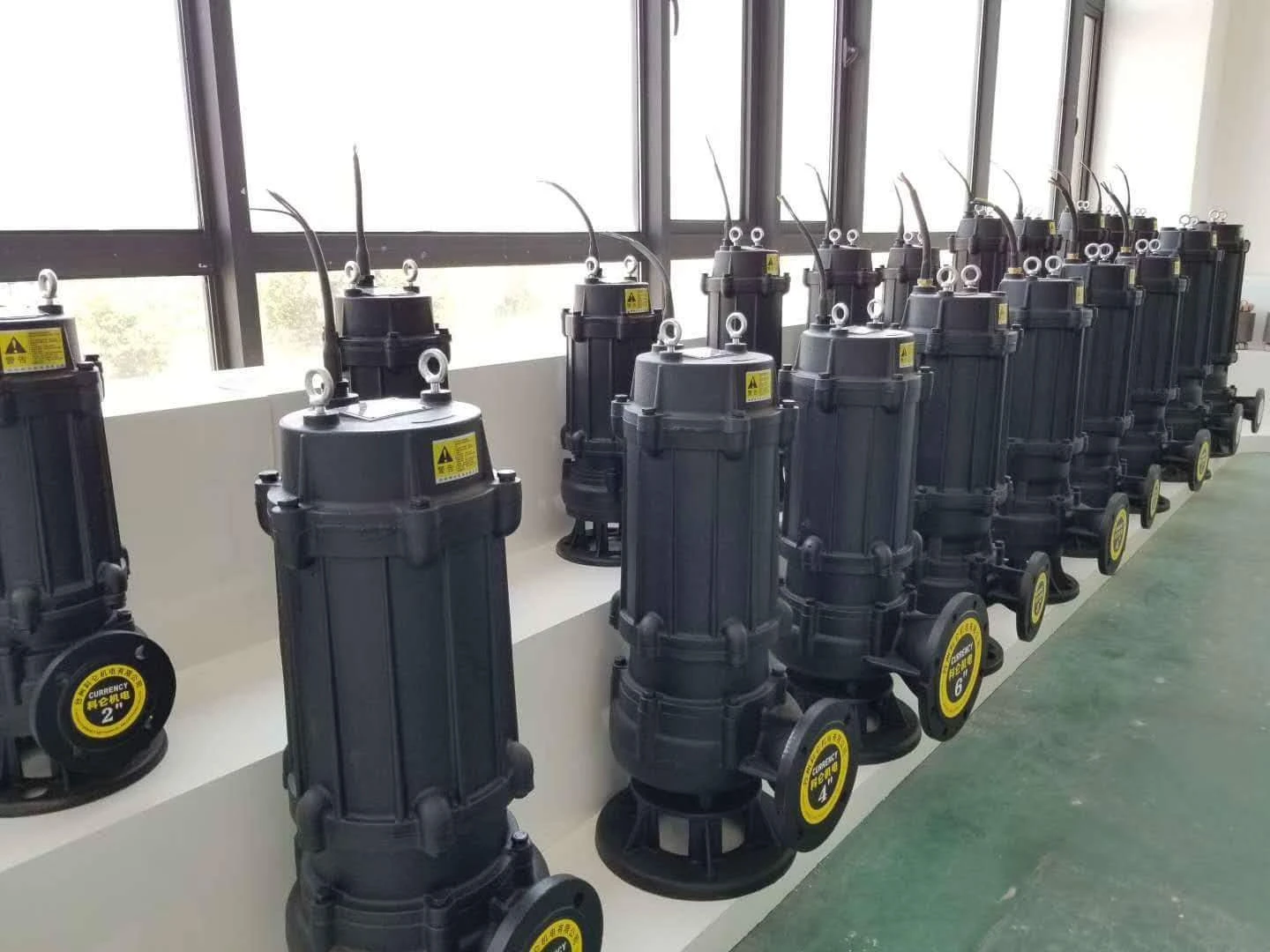
Sump pump sewer systems represent a critical component of residential, commercial, and industrial wastewater management, specifically addressing the removal of effluent from septic tanks and low-lying areas prone to groundwater intrusion. These systems differ from traditional city sewer connections by utilizing a specialized pump to lift wastewater to a higher elevation for gravity-fed discharge into a municipal sewer line or a dedicated drain field. Their technical position in the wastewater treatment chain is as a pre-treatment and conveyance mechanism, bridging the gap between on-site wastewater generation and centralized treatment or final disposal. Core performance characteristics center on reliable pumping capacity (gallons per hour/minute), head pressure capability (vertical lift), solids handling capacity, and resistance to corrosion from aggressive wastewater constituents. Failure to maintain adequate performance can result in sewage backups, property damage, and significant health hazards, making reliable system design and maintenance paramount.
Material Science & Manufacturing
The construction of sump pump sewer systems relies on a combination of materials chosen for durability, chemical resistance, and cost-effectiveness. Pump housings are commonly constructed from cast iron (ASTM A48 Class 30), stainless steel (304/316 grades – ASTM A240), or engineered polymers (High-Density Polyethylene - HDPE, Polypropylene - PP). Cast iron provides high strength and wear resistance but is susceptible to corrosion; stainless steel offers superior corrosion resistance but is more expensive. Polymer housings are lightweight and inherently corrosion resistant, but have lower structural strength. Piping is typically PVC (Polyvinyl Chloride - ASTM D1785), HDPE (ASTM D1248), or ductile iron (ASTM A57). PVC is widely used for its low cost and ease of installation, but its temperature and pressure limitations must be considered. HDPE offers greater flexibility and resistance to chemical attack. Impellers within the pump are often constructed of hardened metals (e.g., 440C stainless steel) or durable polymers engineered for abrasion resistance. Manufacturing processes include casting (for iron and steel housings), injection molding (for polymer components), extrusion (for piping), and machining. Critical parameter control during manufacturing includes ensuring precise impeller balancing (to minimize vibration and extend pump life), dimensional accuracy of housings (to maintain hydraulic efficiency), and proper welding procedures for piping joints (to prevent leaks). Furthermore, the quality of elastomeric seals (e.g., nitrile rubber, Viton) is crucial for preventing wastewater leakage and maintaining pump performance.
Performance & Engineering
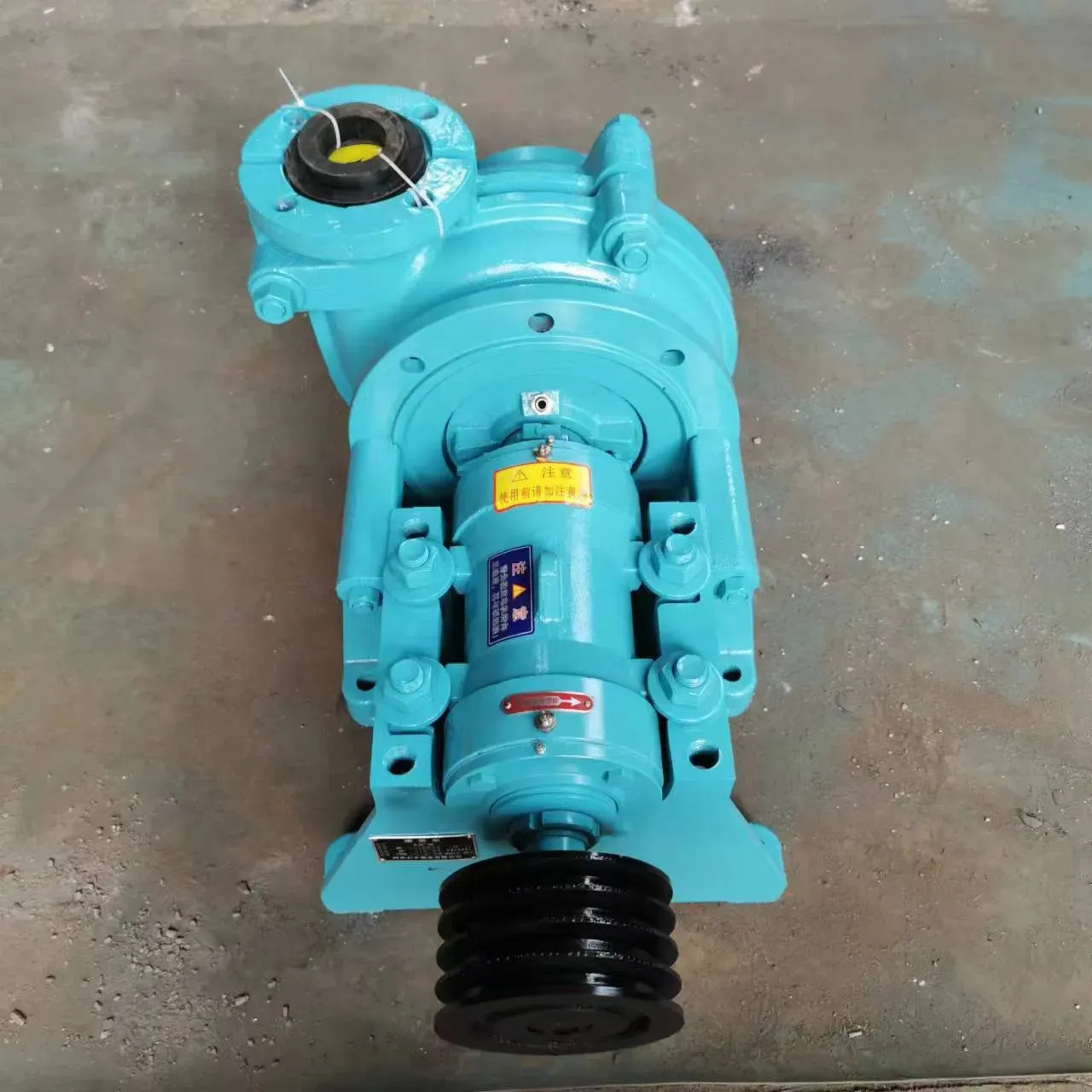
Performance of a sump pump sewer system is dictated by hydraulic principles and electrical engineering considerations. Force analysis involves calculating the total dynamic head (TDH) – the vertical distance the pump must lift the wastewater plus friction losses in the piping system. Pump curves (provided by manufacturers) illustrate the relationship between flow rate and head, enabling engineers to select a pump sized appropriately for the application. Motor selection is critical, considering horsepower, voltage, phase, and energy efficiency (NEMA standards). Environmental resistance is a key factor, particularly regarding corrosion. Wastewater contains corrosive substances like hydrogen sulfide (H2S), sulfates, and organic acids. Selecting corrosion-resistant materials and applying protective coatings (e.g., epoxy linings) are essential. Compliance requirements vary by jurisdiction but often include adherence to local plumbing codes, environmental regulations (regarding discharge limits), and electrical safety standards (NEC – National Electrical Code). Functional implementation requires careful consideration of system layout, including the location of the pump chamber, piping configuration (minimizing bends and elbows to reduce friction loss), and the inclusion of check valves (to prevent backflow). Proper venting is also essential to prevent airlock and ensure efficient pump operation. Solids handling capability is determined by the impeller design and the size of the pump inlet. Systems handling significant solids (e.g., from residential sewage) require pumps with robust impeller designs capable of macerating or passing solids without clogging.
Technical Specifications
| Parameter | Typical Value (Residential) | Typical Value (Commercial) | Units |
|---|---|---|---|
| Flow Rate | 40-100 | 100-500 | Gallons Per Minute (GPM) |
| Total Dynamic Head (TDH) | 10-30 | 30-100 | Feet |
| Motor Horsepower | 1/3 - 1 | 1-5 | HP |
| Solids Handling Capacity | Up to 1/2 inch | Up to 2 inches | Diameter |
| Discharge Pipe Diameter | 1.5-2 | 3-6 | Inches |
| Pump Housing Material | Cast Iron/Polymer | Stainless Steel/Cast Iron | - |
Failure Mode & Maintenance
Sump pump sewer systems are subject to several failure modes. Fatigue cracking in pump housings and impellers can occur due to cyclical stress. Corrosion, particularly in cast iron components, leads to material degradation and eventual failure. Delamination of polymer coatings can expose underlying metal to corrosive attack. Clogging due to solids accumulation is a common issue, reducing pump efficiency and potentially causing overheating. Electrical failures (e.g., motor burnout, switch malfunctions) can render the pump inoperable. Oxidation of electrical connections leads to increased resistance and potential short circuits. Maintenance solutions include regular inspection of pump components for wear and corrosion, periodic cleaning of the pump chamber to remove accumulated solids, lubrication of pump bearings (where applicable), testing of the float switch to ensure proper operation, and tightening of electrical connections. Preventive maintenance schedules should be established based on usage frequency and wastewater characteristics. For corrosion prevention, applying sacrificial anodes (e.g., zinc) to cast iron components can provide cathodic protection. Consideration should also be given to installing a backup sump pump system to provide redundancy in case of primary pump failure. Implementing a regular inspection and maintenance program, including monitoring of pump run times and power consumption, can help identify potential problems before they lead to catastrophic failures.
Industry FAQ
Q: What is the impact of wastewater temperature on pump performance and material selection?
A: Elevated wastewater temperatures can reduce the viscosity of the fluid, potentially increasing flow rates but also accelerating corrosion rates. Higher temperatures can also affect the performance of seals and elastomers. Material selection must account for the expected temperature range, with stainless steel and certain engineered polymers offering better temperature resistance than cast iron or standard PVC. Additionally, consider the thermal expansion coefficients of different materials to avoid stress concentrations.
Q: How does the specific gravity of the wastewater affect pump sizing and motor selection?
A: Wastewater with a higher specific gravity (due to the presence of heavier solids or dissolved minerals) will require a more powerful pump to achieve the desired flow rate and head. Motor selection must account for the increased load imposed by the denser fluid. Accurate assessment of wastewater composition and specific gravity is crucial for proper pump sizing.
Q: What are the considerations for noise and vibration mitigation in sump pump sewer systems?
A: Pump cavitation, impeller imbalance, and piping resonance can contribute to noise and vibration. Proper pump sizing, impeller balancing, and the use of flexible couplings and vibration isolation mounts can help mitigate these issues. Careful pipe routing and the use of sound-dampening materials can also reduce noise transmission.
Q: What types of control systems can be implemented to optimize pump operation and reduce energy consumption?
A: Variable Frequency Drives (VFDs) can adjust pump speed based on demand, reducing energy consumption during periods of low flow. Level sensors and automated control systems can ensure that the pump only operates when necessary. Remote monitoring and diagnostic systems can provide real-time performance data and alert operators to potential problems.
Q: What are the best practices for ensuring long-term system reliability and minimizing maintenance costs?
A: Implement a comprehensive preventive maintenance program, including regular inspections, cleaning, and lubrication. Select high-quality components and materials. Ensure proper installation and commissioning. Provide operator training. Monitor pump performance and track maintenance history. Consider installing a backup pump system for redundancy.
Conclusion
Sump pump sewer systems are essential infrastructure for effective wastewater management. Their reliable operation depends on a complex interplay of material science, hydraulic engineering, and electrical considerations. Selecting appropriate materials based on chemical compatibility and corrosion resistance is paramount, alongside meticulous manufacturing processes to ensure component durability and hydraulic efficiency.
Furthermore, implementing robust preventive maintenance programs and utilizing advanced control systems are crucial for maximizing system lifespan and minimizing operational costs. As wastewater treatment standards become increasingly stringent, and the challenges of aging infrastructure intensify, a deep understanding of sump pump sewer system design, performance, and maintenance will be critical for ensuring sustainable and resilient wastewater management solutions.
-
sump pump for septic systems Material Science Manufacturing
News2026-05-20
-
sump pump and ejector pump Material Science Manufacturing
News2026-05-20
-
sewage treatment plant pumps Performance Analysis
News2026-05-20
-
sewage tank pump Material Science and Manufacturing
News2026-05-20
-
sewage pump for septic tank Performance Analysis
News2026-05-20
-
Sewage Pump and Tank Performance Analysis
News2026-05-19
-
Sewage Ejector Pump Replacement Performance Analysis
News2026-05-19
-
sewage ejector pump for basement bathroom Material Science Manufacturing
News2026-05-19
-
sewage ejection pump Material Science and Manufacturing
News2026-05-19
-
in line sewage pump Performance Analysis
News2026-05-19
-
effluent sump pump Performance Analysis
News2026-05-18
-
best grinder pump for sewage Performance Engineering
News2026-05-18
-
basement waste water pump Performance Engineering
News2026-05-18
-
sump pump sewer Performance Analysis
News2026-05-18
-
sump pump for sewer Performance Analysis
News2026-05-18




